
10 Best Wired Gaming Headset
 Daniel Kenitz
Please note that we participate in affiliate marketing programs. When you purchase through links on our site, we may earn a commission. As an Amazon Associate we earn from qualifying purchases. This comes at no additional cost to you and helps support the resources required to provide valuable content.Advertising Disclosure
Top-rated Wired Gaming Headset Comparison
1

2
4
5
6
7
8
9
10
Wired gaming headsets: what matters
A wired gaming headset combines game audio and voice chat without depending on a headset battery or wireless link. It may connect through a 3.5 mm plug, USB, or both. The connection determines which controls and processing are available: USB may provide software EQ, game/chat mixing, or virtual surround, while 3.5 mm generally passes analog stereo and relies more on the console, computer, or game for processing.
Whether a headset works well depends less on driver size or a long frequency-range figure than on repeatable performance. Look for independent, model-specific measurements of frequency response, distortion, channel matching, microphone recordings, isolation, leakage, clamp force, weight, and fit consistency. A headset that sounds good only when the ear pads seal perfectly may produce noticeably different bass when worn with glasses, hair, or a different head shape. “7.1 surround,” spatial audio, “noise-canceling microphone,” “Hi-Res,” and low-latency claims should identify whether the feature is built into the hardware, requires software, works only over USB, or is merely a listing description. A frequency range such as 20 Hz–40 kHz does not establish accurate sound, low distortion, or audible high-frequency performance.
For hearing health, the important question is whether the headset or its required software offers a usable volume limit, sound-dose warning, or automatic exposure control. A volume wheel alone is not a safeguard, and sensitivity figures such as 95, 102, 105, or 110 dB do not establish a safe listening level because the source, setting, seal, and program material all affect exposure. Passive isolation can make games easier to hear, but it is not hearing protection and should not be treated as a certified noise-reduction rating. Buyers who need awareness of alarms, people, or traffic should consider how much the closed earcups block and how much sound they leak.
Safety and durability evidence also needs to be specific. For USB or otherwise powered models, look for a valid model-specific listing in UL Product iQ, Intertek’s ETL directory, or the CSA Group database, under the scope of an OSHA-recognized testing laboratory. A lack of a listing is an evidence gap, not proof that a product is unsafe. For materials, broad terms such as “leather,” “protein leather,” “plastic,” or “memory foam” do not fully disclose coatings, dyes, foam chemistry, or cable plastics. For longer service life, check for detachable cables and microphones, replaceable pads, repair instructions, warranty terms, and obtainable parts.
The supplied reviews show recurring caveats. None of the products documents a reliable headset-level volume cap or sound-dose monitor, so long sessions require user or device-level volume management and breaks. Several products have limited or unmeasured isolation, and none should be used as hearing protection. Microphone claims are inconsistent: some models transmit room noise, sound scratchy or quiet, or even exhibit crosstalk. Comfort can change with heat, clamp pressure, ear size, glasses, hair, or head shape. Material and U.S. electrical-safety documentation is commonly incomplete. Finally, detachable parts can help, but fixed cables, unavailable spares, unclear repair routes, and mixed-material disposal remain common limitations.
Integrity
These topics separate a headset that merely works from one supported by useful health, safety, durability, environmental, and independent-testing evidence. Scores are relative to the supplied products; a higher score indicates stronger evidence or controls, not a guarantee of risk-free use.
HHealth & Safety
Hearing-exposure safeguards
This measures whether the headset or its software provides a real volume limit, exposure warning, or sound-dose control. That matters because wired models often leave volume entirely to the console, computer, or listener. The supplied scores are generally modest: the higher-scoring products still lack documented dose monitoring or automatic reduction, while lower scores reflect reliance on a volume wheel alone.
Long-session comfort and fit
This covers weight, clamp force, heat, hotspots, earcup size, and whether positioning remains stable over long sessions. It matters because pressure and heat can encourage users to remove the headset or raise volume to overcome a poor seal. Higher-scoring products have independent comfort or measured-weight support; lower-scoring ones show heat, small pads, firm foam, loose fit, or unmeasured comfort claims.
Skin-contact material transparency
This measures disclosure and control of materials touching the ears and head, including faux leather, foam, fabric, coatings, dyes, and cable plastics. It matters for users with skin sensitivity and for evaluating chemical claims. Scores cluster around the middle because products name broad materials but rarely provide a complete declaration, Proposition 65 information, or chemical-compliance documentation.
Verified product and electrical safety
This measures credible safety evaluation of the complete powered or USB headset and accessories, while checking for recalls or regulator actions. Buyers should distinguish radio authorization from complete electrical safety certification. The supplied scores are mostly moderate: several reviews found no model-specific UL, ETL, or CSA listing, so a higher relative score does not mean an NRTL listing was confirmed.
Isolation without unsafe overclaiming
This considers measured passive isolation or stated noise reduction together with warnings about awareness and the limits of hearing-protection claims. Closed cups may reduce room sound but can also make alarms or conversations harder to hear. Higher-scoring products have independent evidence of useful isolation or clearly open construction; lower scores involve weak, unmeasured, or overstated isolation. None is established as hearing protection.
EEvidence
Measured sound and positional-audio performance
This measures frequency response, distortion, channel matching, stereo imaging, and fit-to-fit consistency using documented methods. It matters because driver size and frequency range do not predict controlled or repeatable game audio. Higher-scoring products have model-specific independent testing showing low distortion or good matching; lower-scoring products rely on 50 mm-driver, surround, or “Hi-Res” claims without laboratory measurements.
Measured microphone clarity
This measures speech intelligibility and actual background-noise handling through recordings or documented tests. It matters for team play, streaming, calls, and shared rooms. Higher-scoring products in the supplied set have independent reports of clear speech in noise; lower scores reflect quiet, scratchy, muddy, or noise-sensitive microphones, contradictory pickup-pattern claims, or manufacturer “noise-canceling” language without supporting recordings.
Honest gaming and compatibility claims
This measures whether surround, spatial audio, noise cancellation, latency, compatibility, driver size, and frequency-range claims are precise and reproducible. It matters because USB processing may not work over 3.5 mm, and console support may differ by platform. Higher scores distinguish hardware from optional software and state limitations; lower scores include contradictory specifications or unsupported headline features.
Independent model-specific verification
This measures how broadly independent evidence covers the exact model and variant, including sound, microphone, comfort, durability, and safety. A review of a product family or a manufacturer specification is not equivalent to testing the exact unit. Higher-scoring products have traceable model-specific hands-on or laboratory evidence; lower-scoring products have little beyond listings, manuals, or tests of related versions.
EEcology
Cable, connector, and hinge durability
This measures the failure-prone parts of a wired headset: cable, plug, strain relief, controls, boom, headband, and hinges. Warranty coverage and defined durability testing matter because a single failed cable can otherwise end the product’s life. Higher scores in the supplied set are supported by detachable connections, independent build testing, or warranty evidence; lower scores reflect fixed cables, fragile controls, or no cycle testing.
Repairability and replacement support
This measures whether pads, cables, microphones, dongles, batteries, and headband parts can be replaced with obtainable parts and instructions. It matters because wired headsets are mixed-material electronics that are difficult to repair without model-specific support. Higher-scoring examples offer detachable standard cables, removable pads, or replacement accessories; lower-scoring products have fixed cables, no parts catalog, or instructions against disassembly.
Responsible end-of-life design and claims
This measures specific recycled-content, packaging, take-back, and recycling claims, paired with a practical U.S. route. A broad “eco-friendly” statement is not enough. Most supplied products have limited evidence. The stronger relative examples provide a manufacturer recycling route or documented recycled plastic; lower scores have no product-specific take-back, recycled-content proof, packaging evidence, or clear disposal support.
Full reviews

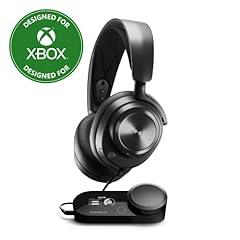
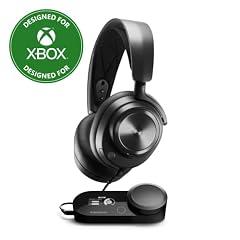
SteelSeries Arctis Nova Pro Gaming Headset
Overview
This product is a wired, closed-back over-ear gaming headset for Xbox that includes an external GameDAC, retractable boom microphone, main headset cable, two USB-C to USB-A cables, and a microphone pop filter. The Xbox version uses a dedicated Xbox USB port on the GameDAC. It can also connect by USB with PC, PlayStation, Switch, and compatible handheld devices, although chat and spatial-audio functions depend on platform and software. Independent testing of the wired Arctis Nova Pro family found good stereo matching, low harmonic distortion, a comfortable long-session fit, and a very good boom microphone. The same testing also found that bass can change substantially when glasses, hair, or head shape interrupt the ear-pad seal. SteelSeries states that the GameDAC provides a 10-band EQ, ChatMix, and switching between two attached systems. The headset itself is wired and does not operate wirelessly.
What works
- Independent testing found clear, intelligible boom-mic speech even with loud sustained background noise.
- Independent testing found good stereo matching and low harmonic distortion, useful for controlled stereo imaging.
- The GameDAC puts EQ and game-to-chat balance controls within reach during play.
- SteelSeries sells replacement headset cables, ear cushions, headbands, and related accessories, and the manual identifies replaceable accessories.
What does not
- There is no documented headset sound-dose monitor, parental volume cap, or automatic volume reduction, so safe listening depends on the console, PC, or user setting the level.
- Measured audio delivery is fit-sensitive. Glasses, thick hair, or a broken ear-pad seal can substantially reduce bass.
- Passive isolation is limited, especially against low-frequency engine and construction noise. This is not hearing protection.
- The manual identifies the pads as leather or leatherette, but does not provide a full skin-contact material or chemical declaration.
- No model-specific UL, ETL, or CSA listing was located in the relevant public certification registers.
Who is it for
This product suits a stationary Xbox or multi-platform player who wants wired operation, physical game-to-chat balancing, and access to EQ controls without pausing play. It is especially relevant for users who regularly switch between an Xbox and a PC, PlayStation, Switch, or handheld, since SteelSeries states that the GameDAC can take two connected systems and change source. It also fits players who prioritize spoken team communication, because independent testing found the retractable boom microphone remained intelligible in significant background noise.
Who is it not for
It is not suited to children or anyone who needs the headset itself to enforce safer listening limits, because no documented sound-dose tracking, parental cap, or automatic reduction was found. It is also a poor fit for commuting, aircraft travel, or noisy shared spaces where strong low-frequency noise reduction is needed. People who wear thick glasses, have thick hair, or need highly predictable bass without careful fit adjustment should take note of the independently measured seal sensitivity. Active users should avoid it because its cable can snag and the headset is not designed for vigorous movement.
Integrity
The health strengths are fit and communication rather than exposure safeguards. Independent testing describes the wired Arctis Nova Pro as comfortable for long sessions and finds a strong boom microphone, but it also identifies weak passive isolation and substantial bass variation when the ear-pad seal is disrupted. The product is not a hearing protector and no built-in safe-listening dose monitor or volume-limiting function was documented. WHO guidance favors devices that monitor exposure and offer volume-limiting options, so users need to control level and session duration themselves. SteelSeries describes the pads as leather or leatherette and offers replacement accessories, but it does not provide a detailed public disclosure of the foam, coating, dye, or plastic chemistry. No model-specific CPSC recall, public incident, or California Proposition 65 warning was located in the checked public sources. SteelSeries does provide a US electronics-recycling route through its ERI partnership, and replacement cables, cushions, and headbands can extend useful life.

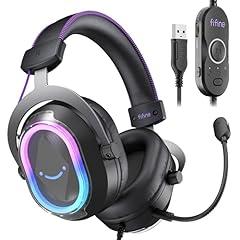
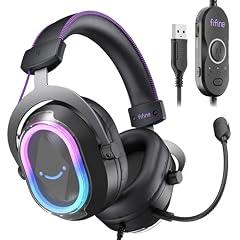
FIFINE AmpliGame H13BP USB Gaming Headset
Overview
This is a full-size, wired USB-A gaming headset for PC, Mac, PlayStation 4, and PlayStation 5. It has 50 mm dynamic drivers, a 390 g listed weight, a detachable boom microphone, RGB lighting, and an inline controller. The manufacturer lists a 48 kHz headset sampling rate, 20 Hz to 20 kHz response, 32-ohm impedance, game and chat balance, EQ controls, and 7.1 processing. Its most concrete strengths are physical controls and a USB-only setup. FIFINE states that the controller can change volume, game and chat balance, surround mode, EQ, and microphone mute without a separate mixer. Independent hands-on coverage found the fit comfortable over several hours, but there are no standardized clamp-force, heat, or positional-consistency measurements for this product. Independent laboratory sound and microphone measurements were not located.
What works
- An inline controller provides direct volume, mute, game and chat balance, EQ, and surround controls, according to FIFINE.
- A hands-on review found the headband non-irritating and the earcups comfortable during several hours of play.
- The manufacturer provides concrete USB audio specifications, including 48 kHz sampling, 50 mm drivers, and microphone sensitivity of minus 38 plus or minus 3 dBV.
- The detachable microphone can be removed when voice chat is not needed, as documented in the product manual.
What does not
- No volume limiter, sound-dose warning, or other safe-listening safeguard was identified in the manual or software information reviewed.
- There are no independent lab measurements for frequency response, distortion, channel matching, isolation, clamp force, or microphone noise rejection.
- One hands-on reviewer found the microphone needed closer placement to achieve adequate voice level, so the noise-canceling claim is not enough to establish reliable speech pickup.
- Material disclosure is broad, listing leather, metal, and plastic, without a detailed skin-contact chemical declaration or replacement-parts catalog.
- No model-specific UL, ETL, or CSA U.S. electrical-safety listing was located, and no practical U.S. take-back or recycling program was identified.
Who is it for
This product suits a desktop or PlayStation player who wants a wired USB headset with controls close at hand. It is especially relevant for someone who regularly changes the relative loudness of game audio and voice chat, mutes frequently, or wants onboard EQ and surround toggles rather than relying entirely on system menus. It may also suit users who prefer a detachable boom and who have found heavier over-ear designs acceptable. The 390 g listed weight and closed, leather-like cushions should be considered before planning very long sessions.
Who is it not for
It is not suited to buyers who need an enforceable listening-volume limit or sound-dose alerts for children, teens, or long unsupervised sessions. It is also a poor fit for Xbox use, phone use, or situations requiring a 3.5 mm connection, because the headset uses USB-A. People sensitive to heat, pressure, faux leather, or unknown coating chemistry should seek a product with measured clamp and thermal data plus fuller material disclosure. Users who need independently measured microphone noise handling for work calls or streaming should also look for documented recordings and lab results.
Integrity
The health evidence is mixed. The published manual describes leather and plastic construction, while the official product page describes protein-leather and memory-foam cushions. Neither source provides a detailed declaration for skin-contact coatings, foam chemistry, dyes, or plastic additives. No CPSC recall or public safety warning specific to this product was identified in the review search. The manual reports CE, FCC, and KC markings, but a model-specific U.S. NRTL listing from UL, ETL, or CSA was not located. This is a wired, low-voltage USB headset, but no safe-listening volume cap or dose warning was identified. Its passive isolation can reduce outside sound, so users should keep levels moderate and avoid depending on it near traffic, alarms, or people needing attention. A detachable microphone may prevent one common accessory failure from ending use of the whole headset. However, the cable, pads, headband, and hinges lack published cycle testing, purchasable replacement parts were not located, and no U.S. take-back, recycled-content, or packaging evidence was identified.

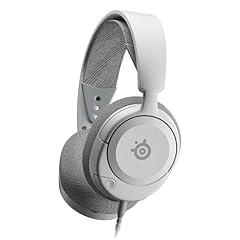
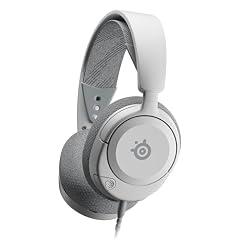
SteelSeries Arctis Nova 1P Gaming Headset
Overview
This is a closed-back, wired over-ear gaming headset for PlayStation, PC, Xbox, Switch, mobile devices, and other equipment with a 3.5 mm headset jack. The 1P package uses a main 3.5 mm cable, a retractable boom microphone, headset volume wheel, mute button, elastic headband, and AirWeave memory-foam ear cushions. The separate dual 3.5 mm PC extension cable is not included with the 1P version. Independent testing of the closely related Nova 1 family, whose 1P variant differs largely by platform packaging and cosmetics, found a comfortable fit, solid build quality, a warm sound signature, and clear boom-mic pickup in moderate noise. The same testing found that bass response can change when glasses or thick hair break the earcup seal. SteelSeries states a four-point adjustable ComfortMAX fit system and a 253 g weight, but it does not publish a sound-dose monitor or a headset volume limit.
What works
- Independent testing supports a comfortable fit and solid general build quality for seated gaming.
- The independently tested Nova 1 family captured speech clearly, including in moderately noisy settings.
- The 3.5 mm audio cable is detachable, and SteelSeries sells replacement cables and Nova ear cushions.
- The retractable microphone, physical mute control, and onboard volume wheel work without batteries, charging, or companion software.
What does not
- There is no documented headset sound-dose monitor, safe-volume warning, or maximum-volume limit, so safe listening depends on the console, computer, or phone settings and the user.
- Independent testing found weak reduction of surrounding noise and no active noise cancellation. The catalog specification that labels this product as having active noise cancellation is not supported by the product design.
- Audio can be inconsistent after repositioning. Glasses or thick hair can weaken the earcup seal and reduce bass.
- SteelSeries identifies AirWeave memory foam but does not provide a full skin-contact material breakdown for fabrics, foam, dyes, coatings, and plastics.
- A manufacturer EU declaration cites RoHS and EN 62368-1 compliance, but no model-specific U.S. UL, ETL, or CSA listing was located during verification.
Who is it for
This product suits a seated console or PC player who needs a straightforward analog headset, prefers physical controls, and may want to replace the cable or ear cushions rather than discard the whole unit after a common wear failure. It is also suited to shared-game or voice-chat use where a retractable boom mic and intelligible speech matter more than isolation. Buyers who wear glasses should expect to readjust the fit to preserve the earcup seal and bass response.
Who is it not for
It is not well suited to people who need active noise cancellation, substantial passive isolation in a loud home, or hearing-protection-rated attenuation. It also is not the appropriate choice for children or long-session users who need an integrated volume cap or sound-exposure warnings. Avoid relying on it for walking near traffic, supervising children, or situations where alarms and nearby people must remain easy to hear. Glasses wearers seeking highly repeatable bass should also note the independently observed seal sensitivity.
Integrity
For health, the main positive is fit. Independent testing found the closely related Nova 1 family comfortable and well built, while SteelSeries specifies an adjustable elastic headband and fabric-covered AirWeave memory-foam cushions. However, the product has no documented safe-listening dose tracking, warning, or volume cap. WHO and ITU guidance favors those safeguards for extended headphone use. Its closed-back cups do not provide meaningful protection from low-frequency environmental noise, and independent testing reports weak isolation. For materials and disposal, SteelSeries names the cushions but does not disclose a detailed composition of all skin-contact fabrics, foams, dyes, coatings, and plastics. Its EU declaration covers RoHS, electromagnetic compatibility, low-voltage requirements, and packaging rules, but this is a manufacturer declaration rather than a U.S. third-party product listing. Repair prospects are better than for a fixed-cable headset because the cable and ear cushions are replaceable. No model-specific U.S. take-back route was identified.

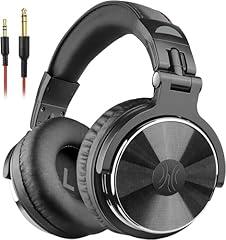
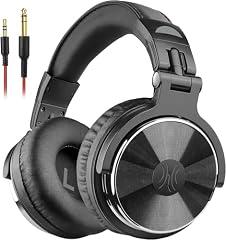
OneOdio Studio Monitor DJ Headphones
Overview
This is a passive wired, closed-back over-ear headphone with rotating earcups, a folding frame, and separate detachable cables for 3.5 mm and 6.35 mm audio connections. One cable includes an inline microphone. It is intended for single-ear DJ cueing, recording setups, instruments, computers, and ordinary wired listening, rather than USB gaming features or wireless use. OneOdio states that the product uses 50 mm drivers, 32-ohm impedance, 110 dB sensitivity, and includes a 1.2 m microphone cable plus a 2 m to 3 m coiled cable. Independent reviews confirm the dual-connection layout and that its regular detachable cables can be replaced with standard alternatives. Independent listening reviews describe a mildly V-shaped sound, rather than neutral studio monitoring, and report small, firm pads and comfort limits over long sessions.
What works
- Detachable standard-style cables are a practical repair advantage, and independent review indicates that off-the-shelf replacements can work.
- The two supplied cable types provide direct connection to common 3.5 mm devices and 6.35 mm music equipment, as manufacturer-stated.
- Rotating earcups and the folding DJ-style frame support one-ear cueing and transport, with these features independently observed.
- OneOdio states a 24-month warranty, which is meaningful coverage for early cable, hinge, or driver faults.
What does not
- There is no onboard volume cap, sound-dose tracking, or listening warning. Safe exposure depends on the connected device and user settings.
- Independent reviews report relatively small pad openings, firm foam, heat buildup, and only middling long-session comfort.
- The manufacturer does not provide a detailed skin-contact material declaration, chemical disclosure, or model-specific safety listing in the checked sources.
- The inline microphone has limited independent evidence, and an independent product summary characterizes microphone quality as mediocre.
- The claimed frequency range is inconsistent across available product information, with the manufacturer page stating 20 Hz to 20 kHz while the marketplace record states up to 40 kHz. No lab evidence was found to substantiate a Hi-Res claim.
Who is it for
This product suits a budget-focused user who needs a passive wired over-ear design for a keyboard, controller, mixer, guitar setup, computer, or phone. It is particularly practical for someone who moves between 3.5 mm and 6.35 mm connections and values a detachable cable that can be replaced after damage. Its swivel cups also fit casual DJ cueing or monitoring where one ear needs to remain uncovered. It is better suited to shorter or interrupted sessions than all-day wear for people sensitive to clamp pressure or warm earcups.
Who is it not for
It is not suited to children, people with tinnitus, hearing loss, or anyone who needs the headphone itself to limit loudness or track sound exposure. It also does not suit users who need verified active noise cancellation, a transparency mode, hearing-protection certification, or reliable awareness of alarms and nearby people. Buyers with larger ears, a high sensitivity to heat or head pressure, or a need for all-day call quality should account for independently reported small pads, firm foam, and limited microphone evidence. It is not a well-substantiated choice for neutral reference mixing.
Integrity
The health concern is sound exposure. This is a passive wired headphone with no documented volume limiter, dose meter, companion app, or exposure warning. WHO safe-listening guidance emphasizes monitoring level and duration, and recommends devices with exposure-monitoring features where possible. The 110 dB sensitivity figure is manufacturer-stated and does not establish a safe output level because the connected source, volume setting, seal, and program material all affect exposure. Independent reporting identifies small ear openings, firm padding, heat buildup, and less-than-ideal long-session comfort. OneOdio does not provide a detailed declaration of the coatings, foam, faux leather, dyes, or cable plastics that contact the user. The checked sources did not identify a product-specific CPSC recall or safety action, but no model-specific UL, ETL, or CSA listing was found. Environmentally, detachable regular cables are a real serviceability benefit. However, no substantiated recycled-content, packaging, take-back, or U.S. recycling program claim was found.
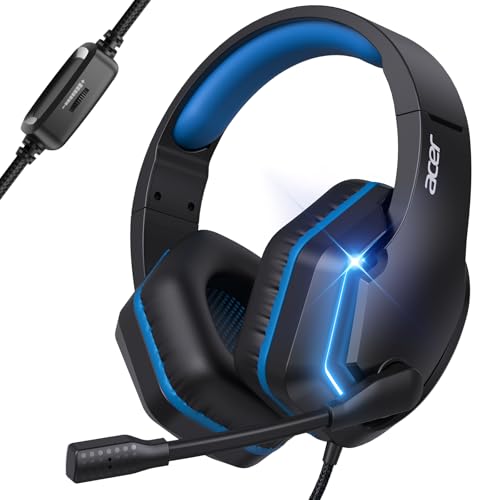
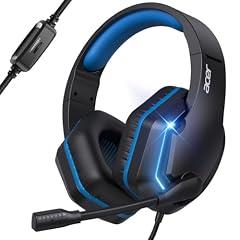
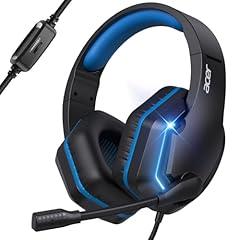
Acer Gaming Headset with Noise Cancelling Mic
Overview
This is a wired, over-ear gaming headset that connects through a 3.5 mm plug and is marketed for consoles, computers, phones, and Switch. Product information reproduced by multiple retailers identifies 50 mm dynamic drivers, 32-ohm impedance, a stated 20 Hz to 20 kHz range, an adjustable boom microphone, earcup LEDs, and onboard volume and mute controls. The comfort case rests on manufacturer-stated details rather than independent measurements. A retailer listing reports a weight of about 220 g, memory-foam padding, fabric, and soft leather-like ear cushions. The headset uses passive isolation, not active noise cancellation. No independent lab measurements, model-specific manual, or manufacturer technical page were located to confirm audio tuning, microphone performance, clamp force, or actual isolation.
What works
- The 3.5 mm wired connection is a simple, broadly usable connection method, according to the stated product specifications.
- A stated weight of about 220 g may suit users who prefer a lighter full-size headset.
- The over-ear design and passive isolation may reduce distracting room noise without claiming hearing-protection performance.
- Retailer-reproduced specifications consistently describe 50 mm drivers and physical volume and microphone-mute controls.
What does not
- No safe-listening volume limit, sound-dose monitor, or exposure warning was identified. Safe volume management depends on the connected device and the user.
- No independent measurements were found for sound balance, distortion, positional consistency, isolation, microphone clarity, or background-noise handling.
- The skin-contact material description is broad. It names memory foam, fabric, and leather-like material, but does not provide a full material declaration or chemical disclosure.
- No model-specific UL, ETL, or CSA listing, repair guide, replacement-parts catalog, durability test, or U.S. take-back route was located.
Who is it for
This product fits a casual gamer, student, or caller who needs one analog headset for several devices with a standard 3.5 mm headset port. Its stated 220 g weight, adjustable headband, over-ear cushions, flexible boom microphone, and physical controls make it most relevant for home gaming, online classes, and voice chat where convenience matters more than verified acoustic accuracy. Buyers should be comfortable treating comfort, sound, and microphone claims as manufacturer-stated rather than independently tested.
Who is it not for
It is not suited to buyers who need controlled listening protection, parental loudness limits, or sound-dose tracking for long sessions. It is also a poor fit for competitive users who need independently measured positional audio, reliable microphone noise reduction, or a confirmed low-noise recording sample. People with material sensitivities should seek a product with a detailed skin-contact materials declaration. Repair-focused households should choose a headset with readily available pads, cables, microphones, and service instructions.
Integrity
The product is a passive wired headset, so it does not make a hearing-protection or active noise-cancellation claim. However, no built-in volume limit, listening-dose monitor, or safe-listening guidance was located. WHO guidance favors volume limiting and exposure monitoring, and recommends keeping average listening below 80 dB for long weekly use. Users should manage volume on the connected console, computer, or phone and take listening breaks. The disclosed construction is limited to broad terms including fabric, leather-like material, memory foam, and ABS plastic. No model-specific Proposition 65 warning, materials declaration, CPSC incident report, or headset recall was located in the reviewed sources. Searches also did not locate a model-specific UL, ETL, or CSA safety listing. No verified recycled-content, packaging, take-back, replacement-parts, or repair-program evidence was found, so disposal and repair options remain unclear.

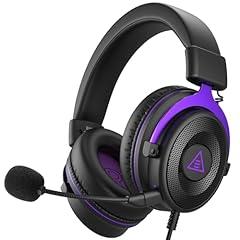
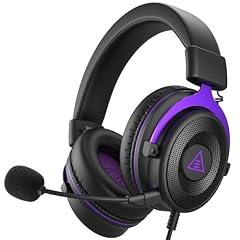
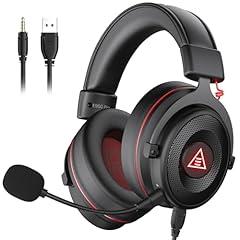
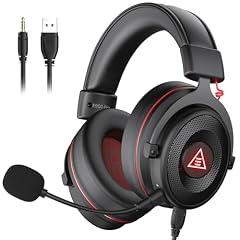
EKSA E900 Gaming Headset
Overview
This product is a wired, over-ear stereo gaming headset that connects through a 3.5 mm plug. It uses 50 mm drivers, an inline volume wheel and microphone mute control, plus a detachable boom microphone. The manufacturer manual documents direct connection to PlayStation 4 controllers and newer Xbox One S/X controllers with a 3.5 mm headset jack. Older Xbox One controllers require a separate Microsoft adapter. Independent hands-on reviews confirm that the microphone is removable and that the headset can be comfortable for some head sizes. Evidence is inconsistent for sustained use. One reviewer found low pressure and good fit, while another reported heat buildup after several hours. Independent listening reports also describe bass-forward sound with limited detail or a somewhat echoey character, rather than measured, fit-consistent acoustic performance.
What works
- The detachable microphone and inline volume and mute controls are documented in the manufacturer manual.
- The product uses a standard 3.5 mm connection, with manufacturer-documented direct use on PlayStation 4 and newer Xbox One S/X controllers.
- Independent testing found the microphone delivered clear enough voice quality when connected through a combined headset jack.
- Independent reviewers found the fit comfortable for some users, including a larger head size.
What does not
- No volume limiter, sound-dose tracking, listening warning, or parental loudness control was documented. Long sessions therefore rely on the source device and user behavior.
- Material disclosure for the pads, headband coatings, foam, dyes, and cable plastics is incomplete. No model-specific chemical declaration or exposure warning was located.
- A hands-on test found constant buzz through the included Y splitter and judged it unsuitable for separate PC microphone and headphone ports.
- Sound isolation is limited. Independent reviewers reported moderate leakage, and no measured attenuation or hearing-protection rating was found.
- The listing's 3D surround wording is not well specified. The manufacturer manual describes this product as stereo, and no documented surround processing or acoustic measurements were located.
Who is it for
This product suits a home console or computer user who needs a basic wired stereo headset with a 3.5 mm combined headset jack and values a removable microphone. It is most appropriate for casual voice chat, single-player games, and shared setups where the microphone may be removed between sessions. Buyers should use the source device's volume controls conservatively, take listening breaks, and expect the comfort result to depend on head shape and room temperature rather than on published clamp-force data.
Who is it not for
It is not well suited to users who need a built-in hearing limit, sound-exposure monitoring, or child-oriented volume control. It is also a poor fit for people using a desktop with separate microphone and headphone ports if they must rely on the supplied Y splitter, because independent testing found persistent interference. Choose another setup for quiet public use, noise-sensitive households, competitive positional-audio needs, or anyone needing verified pad materials, verified safety listing, measured isolation, or manufacturer-supported repair parts.
Integrity
The product is a passive 3.5 mm headset, not a USB-powered or wireless device, so there is no charger or battery to manage. No model-specific UL, ETL, or CSA listing was located, and the manufacturer documentation does not describe a volume cap, sound-dose warning, or parental control. WHO safe-listening guidance recommends exposure monitoring or volume limiting where available, keeping volume below 60 percent of maximum, and taking regular quiet breaks. The manufacturer manual supplies a one-year limited warranty, but no model-specific repair guide, official replacement cable, microphone, or ear-pad supply was located. Third-party replacement pads exist, but that does not establish manufacturer parts support. EKSA's environmental page refers to FSC Mix packaging for its latest product, not specifically this product, and does not provide a U.S. take-back route or product-specific recycled-content evidence. No model-specific recall, CPSC action, or Proposition 65 warning was located in the sources reviewed.

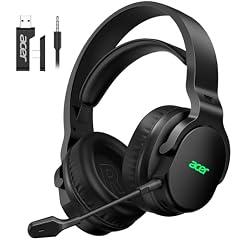
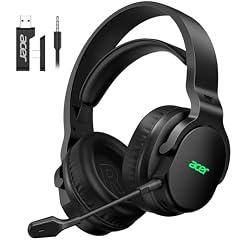
Acer Wireless Gaming Headset
Overview
This is an over-ear gaming headset with a detachable boom microphone, a USB-C 2.4 GHz transmitter, Bluetooth 5.4, and a 3.5 mm cable. It is intended for gaming, calls, and general media use across consoles, computers, and mobile devices. The product listing specifically limits Xbox use to the 3.5 mm wired connection. Its defining practical feature is connection flexibility, but this is manufacturer-stated rather than independently tested. Acer's Amazon listing also states up to 45 hours of battery life with its logo light off, or up to 20 hours with it on, and says it can operate while charging. The listing describes a suspension headband, sports-mesh cushions, 50 mm dynamic drivers, and an ENC microphone, but no model-specific laboratory measurements, manual, mass specification, material declaration, or verified safety listing was located.
What works
- Three connection methods are clearly described, 2.4 GHz wireless, Bluetooth, and 3.5 mm wired.
- The compatibility claim is partly qualified, with Xbox Series X|S and Xbox controllers specified as wired-only.
- A detachable microphone and physical mute, volume, and mode controls can reduce handling during calls and games, manufacturer-stated.
- The package is stated to include both a USB-C charging cable and a USB-C to 3.5 mm audio cable.
- Acer provides U.S. routes for recycling electronics and rechargeable batteries, although this is a brand program rather than a product-specific design claim.
What does not
- No model-specific independent measurements were located for sound response, distortion, positional audio, microphone intelligibility, isolation, fit consistency, or latency.
- The stated ENC microphone benefit is unproven by recordings or a documented noise-reduction test for this product.
- No volume cap, sound-dose monitor, safe-listening warning, or parental volume control was identified. These are the safeguards recommended by the WHO-ITU safe-listening standard.
- The listing does not identify the cushion, foam, coating, plastic, cable, or dye materials, and no model-specific Proposition 65 or chemical disclosure was located.
- No model-specific UL, ETL, or CSA safety certification listing, repair instructions, replacement-parts catalog, or durability-cycle testing was located.
Who is it for
This product suits a user who needs one over-ear headset to move between a PlayStation console, computer, Switch, phone, and a device with a 3.5 mm jack. The stated USB transmitter, Bluetooth, and cable give practical connection options, while the physical controls and detachable microphone may suit gaming, school calls, and voice chat. It is most appropriate for an adult who can set conservative volume levels on the connected device and accepts manufacturer-stated performance figures without independent acoustic verification.
Who is it not for
It is not well suited to people who need verified safe-listening limits, sound-dose alerts, or a locked child volume cap. It also does not fit buyers who require measured microphone noise handling for frequent work calls, measured positional-audio accuracy for competitive play, or confirmed passive isolation. People sensitive to heat, clamp pressure, faux-leather coatings, dyes, or unknown foam and plastic composition should seek a headset with disclosed contact materials and independently measured comfort. Xbox wireless users should also choose another option, because this product is stated to support Xbox by cable only.
Integrity
The main health limitation is the absence of an identified hearing-exposure safeguard. WHO guidance favors sound-dose monitoring and volume limiting, and recommends keeping volume down and taking breaks. This product has physical volume controls, but no product-specific volume cap, exposure monitor, or safe-listening mode was found. Its mesh-cushion and suspension-headband comfort claims are manufacturer-stated, with no published weight, clamp-force, or heat measurements. No model-specific electrical safety listing was found in the public UL, ETL, or CSA sources checked, and no recall or public CPSC incident report specific to this product was located. That is not evidence of certification or of zero risk. Acer offers U.S. recycling information for electronics and rechargeable batteries, which gives an end-of-life route. However, no product-specific recycled-content, packaging, take-back, repair-part, or chemical-material disclosure was located.

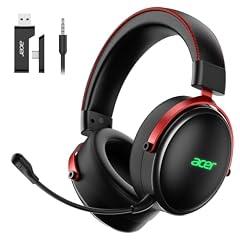
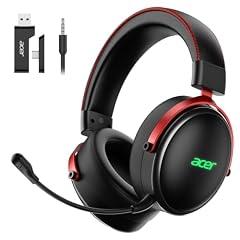
Acer Wireless Gaming Headset
Overview
This is a rechargeable over-ear gaming headset intended for console, computer, and mobile use. Its filed user manual documents Bluetooth pairing, a USB transmitter mode, and a 3.5 mm wired mode. It also lists a detachable microphone, USB-C charging cable, USB adapter, volume dial, and microphone mute control. An FCC equipment authorization independently documents the exact model as a 2.4 GHz wireless gaming headset. That verifies radio authorization, not sound quality, battery endurance, electrical safety listing, or comfort. A separate retailer listing repeats claims for a 40-hour battery, 50 mm drivers, 20 ms latency, and noise-reducing microphone, but no model-specific independent audio, microphone, comfort, or durability tests were located. That listing also identifies the same model as Acesori rather than Acer, creating a meaningful product-traceability concern.
What works
- The manual and FCC record support actual Bluetooth, USB-transmitter, and 3.5 mm wired operating modes.
- The detachable microphone can be removed when voice chat is unnecessary.
- The exact headset has documented FCC authorization for 2.4 GHz wireless operation.
- Physical controls include a volume dial and microphone mute switch, according to the filed manual.
What does not
- No verified volume cap, safe-listening warning, or sound-dose feature was found. Users must manage listening level themselves.
- No independent measurements were located for sound balance, distortion, positional cues, microphone intelligibility, passive isolation, weight, or clamp force.
- The 40-hour battery, 20 ms latency, 50 mm driver, and microphone noise-reduction claims remain manufacturer or seller statements rather than independently confirmed results.
- A retailer lists the same model under the Acesori brand, while the wireless filing names Acer Gadget Inc. This inconsistency weakens branding and support traceability.
- No model-specific contact-material disclosure, replacement-parts catalog, repair guide, take-back route, or electrical safety listing was located.
Who is it for
This product fits a user who needs one headset to move between a console controller, a computer USB port, and Bluetooth devices, and who values a removable boom microphone. The documented accessory set makes that flexibility concrete, because it includes both a USB adapter and a 3.5 mm audio cable. It is more appropriate for someone comfortable setting their own listening level and accepting seller-stated performance figures where independent lab data is unavailable.
Who is it not for
It is not well suited to children, people with tinnitus or noise sensitivity, or anyone who needs a built-in maximum-volume limit or sound-dose warning for long sessions. It also does not fit buyers who need independently measured microphone performance for remote work, demonstrated positional-audio accuracy for competitive play, or a verified electrical safety listing. Repair-focused households and buyers avoiding uncertain skin-contact materials should seek products with documented parts, pad materials, and service instructions.
Integrity
The concrete safety evidence is limited but meaningful. The exact wireless headset has an FCC equipment authorization for 2.4 GHz operation, and the filed manual gives basic charging and connection instructions. That authorization concerns radio compliance, not a complete electrical product-safety evaluation. No model-specific UL, ETL, or CSA electrical safety listing was located. No model-specific CPSC recall or public incident result was found in the sources reviewed. The manual identifies the included cables, adapter, and detachable microphone, but does not disclose ear-pad, foam, coating, dye, or plastic composition. No Proposition 65 notice, material declaration, replacement-pad listing, repair documentation, recycled-content evidence, packaging specification, or U.S. take-back program was located for this model. The absence of these records is an evidence gap, not proof of hazardous materials or poor durability.

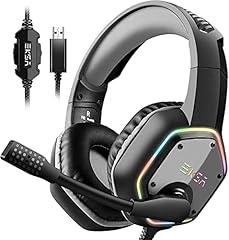
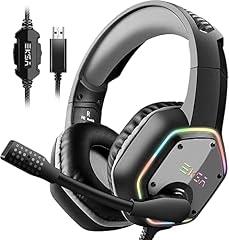
EKSA E1000 USB Gaming Headset
Overview
This is a wired, over-ear USB gaming headset for computers and PlayStation consoles. It uses 50 mm dynamic drivers, a 2.2 m fixed cable, inline volume and microphone-mute controls, RGB earcup lighting, and a flip-up boom microphone. EKSA states that virtual 7.1 processing comes from a built-in USB audio chip and does not require a driver. The product documentation identifies protein-leather ear cushions and an adjustable headband. EKSA lists a 24-month warranty. Independent hands-on reviews found a generally comfortable fit and a flexible microphone arm that holds its position, but they also reported bass-heavy, sometimes muddy sound and notably poor microphone output. The product page describes the microphone as cardioid, while its own specification table identifies it as omnidirectional.
What works
- USB audio is plug-and-play, with manufacturer-stated virtual 7.1 processing from the headset's built-in audio chip.
- Independent reviewers found the microphone boom flexible and able to stay where it is placed.
- The documented 2.2 m cable gives a useful reach from a desktop or console USB port.
- EKSA states that the product carries a 24-month warranty.
- The manual identifies adjustable headband sizing and protein-leather ear cushions.
What does not
- Independent listening tests found pronounced bass and virtual surround that can make detail sound muddy.
- One independent reviewer found the microphone unusually scratchy, so the noise-canceling claim is not reliably supported.
- The product page contradicts itself by calling the microphone cardioid in one place and omnidirectional in its specifications.
- There is no documented safe-volume limit, sound-dose warning, or verified hearing-exposure safeguard.
- The cable is fixed, and no model-specific replacement cable, pads, microphone, or repair instructions were identified.
Who is it for
This product suits a desktop or PlayStation player who needs a straightforward USB headset with a long fixed lead, onboard volume control, a mute switch, and a movable boom. It is most appropriate where game effects and fuller bass matter more than neutral music playback or polished voice capture. The adjustable headband and low stated mass may also suit users seeking a lighter full-size headset, provided they can set conservative volume limits in their console, computer, or operating system.
Who is it not for
It is not well suited to remote workers, streamers, competitive team players, or households where clear voice communication is essential. Independent testing found the microphone scratchy, and EKSA acknowledges that background-noise reduction depends heavily on the environment. It also is not appropriate for people who need a headset with a built-in listening-dose monitor or volume cap, documented skin-contact chemical disclosures, readily available replacement parts, or a product-specific electrical safety listing. Users needing awareness of alarms, children, or traffic should avoid relying on its unspecified isolation.
Integrity
The product does not provide a built-in volume limiter or sound-dose warning. WHO safe-listening guidance favors volume limiting and exposure monitoring, so long sessions require controls on the connected console, computer, or phone instead. The supplied documentation names protein-leather ear cushions, but it does not provide a detailed materials declaration for coatings, foam, dyes, or cable plastics. No product-specific Proposition 65 warning was identified in the sources reviewed. EKSA provides a stated 24-month warranty, which is meaningful support for early failure. However, the fixed cable is a common wear point, and no model-specific replacement cable, cushions, boom microphone, or repair guide was located. No model-specific take-back, recycled-content, packaging, or U.S. recycling program claim was found. No product-specific CPSC recall or regulator action was identified in the official sources checked.

EKSA E900 Pro USB Gaming Headset
Overview
This is a wired, closed-back over-ear gaming headset with a detachable boom microphone, removable 3.5 mm and USB connections, onboard volume and mic-mute controls, and 50 mm drivers. The USB connection is the required route for its PC-only virtual 7.1 processing. A standard 3.5 mm connection supplies ordinary analog stereo to compatible consoles, phones, and computers. EKSA states that current E900 Pro versions use 32-ohm drivers, memory-foam cushions, detachable cables, and PC software with EQ and virtual-surround settings. Independent hands-on reviews support long-session comfort and usable speech pickup near the mouth, but they also report bass-heavy or muddy sound in some modes, particularly through 3.5 mm. No accredited, model-specific acoustic, electrical-safety, clamp-force, or sound-dose test report was located.
What works
- Independent hands-on testing found the padded over-ear fit comfortable during extended use.
- The microphone, cable, and USB connection are detachable, so common damaged accessories are not permanently integrated into the headset.
- EKSA provides a 24-month manufacturer warranty for this model.
- PC users can access virtual 7.1 processing and EQ software through the USB connection, manufacturer-stated.
- Independent testing found close-positioned speech understandable to teammates.
What does not
- There is no documented volume cap, sound-dose monitor, or safe-listening warning. The manual provides only a manual volume wheel.
- No model-specific UL, ETL, or CSA electrical-safety listing was located in the relevant public registers.
- No independent laboratory frequency-response, distortion, channel-matching, isolation, or clamp-force data was located.
- Independent reviews describe inconsistent virtual-surround results and excessive bass or muddiness, especially over the analog 3.5 mm connection.
- Material disclosure is limited to broad terms such as memory foam and protein-style ear cushions. No chemical declaration or model-specific Proposition 65 documentation was located.
Who is it for
This product suits a PC gamer or home-office user who needs a wired headset with a removable microphone and wants software-adjustable EQ or virtual surround through USB. It also fits users who value a detachable analog cable for connecting to a console, laptop, or phone, while understanding that the USB software features do not transfer to those devices. The available independent reviews make it more appropriate for listeners who enjoy prominent bass and can adjust PC EQ than for listeners seeking neutral sound.
Who is it not for
It is not suited to people who need built-in hearing protection features, including caregivers setting reliable volume limits for children, or frequent players who need sound-dose tracking. It is also a weaker fit for users who need independently measured audio accuracy, repeatable positional-audio performance, proven high isolation, or certified electrical-safety documentation. Console and mobile users who cannot use the PC USB software should account for reports of bass-heavy, less detailed analog sound. People sensitive to unknown faux-leather coatings or foam materials may want fuller material disclosure.
Integrity
The headset has no battery, which avoids battery aging and simplifies end-of-life handling, but it remains mixed-material electronic waste with plastic, metal, foam, synthetic covering, wiring, and a USB audio accessory. EKSA documents detachable cables and microphone hardware, while hands-on coverage and the manufacturer describe removable ear pads. Those choices can reduce disposal after an accessory failure. EKSA also states a 24-month warranty, although its support page excludes physical wear-and-tear damage. No model-specific third-party electrical-safety listing, recall, public CPSC incident report, or Proposition 65 exposure notice was located in the reviewed public sources. That is not proof of safety certification or chemical absence. EKSA's broader sustainability page mentions FSC Mix packaging for its latest products, but it does not establish that this product uses that packaging or provide a U.S. take-back route. Use a local electronics recycler for disposal rather than household trash.