10 Best Antifungal Creams
Please note that we participate in affiliate marketing programs. When you purchase through links on our site, we may earn a commission. As an Amazon Associate we earn from qualifying purchases. This comes at no additional cost to you and helps support the resources required to provide valuable content.Advertising Disclosure
Top-rated Antifungal Creams Comparison
1
2
4
5
6
7
8
9
10
+
Antifungal creams: what to look for
Topical antifungal creams are intended for superficial fungal infections of the skin, such as athlete’s foot, jock itch, and ringworm. Whether one is likely to work depends first on the active ingredient, its concentration, the cream or ointment format, the condition named on the Drug Facts label, and directions that match that use. Ingredients such as clotrimazole 1%, miconazole nitrate 2%, tolnaftate 1%, zinc undecylenate 10%, and undecylenic-acid systems within the FDA monograph range are more meaningful than phrases such as “natural,” “fast acting,” or “clinically proven.” A listed percentage matters only when it belongs to the actual antifungal active and is supported at that dose.
Check the label rather than relying on the marketplace title. A substantiated product should identify a responsible labeler or distributor, active and inactive ingredients, dosage form, directions, warnings, lot number, expiration date, and a traceable drug listing where applicable. An NDC or drug listing improves accountability and recall traceability, but it does not by itself mean FDA approval or independently verify manufacturing quality. DailyMed and FDA drug-label records can help confirm whether the product’s ingredient, strength, uses, and directions are consistent.
The most useful directions specify cleaning and drying the area, application frequency, treatment duration for the named condition, eye and external-use precautions, age limits, and when to stop or seek medical advice. Common monograph schedules in the supplied reviews are twice-daily use, with four weeks often specified for athlete’s foot or ringworm and two weeks for jock itch. A product can mislead by shortening that course, adding unsupported conditions such as psoriasis, folliculitis, scalp or nail fungus, or using laboratory results to imply faster human treatment. Tinea-versicolor and vaginal-use claims also require particular caution when the product’s documented label does not support them.
A manufacturer’s testing statement is not the same as independently verifiable testing. The strongest evidence would be a current, lot-matched certificate from a named independent laboratory accredited to ISO/IEC 17025, confirming active identity and potency, microbial quality, relevant impurities, and stability through expiry. For creams, USP–NF methods and microbiological chapters such as <61>, <62>, and <1111> are relevant reference points. No supplied product had a publicly available lot-matched certificate that allowed the exact buyer’s batch to be checked.
Across the reviewed products, tea tree oil, peppermint or menthol, lavender, clove, oregano, propolis, fragrance-like botanicals, and propylene glycol repeatedly raise irritation or allergic-contact-dermatitis concerns. “Plant-based,” “hypoallergenic,” or “free from irritants” does not remove that risk. Avoid using these products for scalp or nail infections, eyes, broken skin, vaginal symptoms without appropriate clinical guidance, or an uncertain, spreading, painful, pus-filled, recurrent, or worsening rash. Children under two generally need clinician direction, and persistent symptoms, diabetes, immune suppression, pregnancy, or a first or unusual vaginal episode warrant medical advice. Always compare the delivered package’s active ingredient, label, lot, and expiry with the listing before use.
Integrity
These topics separate a cream with a supported, traceable drug claim from one whose evidence rests mainly on marketplace language. Scores reflect the supplied reviews; a higher score indicates stronger support on that specific buyer concern, not a guarantee that a product will work for every rash.
HHealth & Safety
Likely to work safely for the stated skin infection
This measures whether the active ingredient, strength, dosage form, indications, directions, and warnings fit the superficial infection claimed. High-scoring examples pair a monograph-recognized active with condition-specific directions and referral limits, such as the strongest labeled miconazole and clotrimazole products. Low scores reflected unsupported conditions, mismatched treatment lengths, or warnings that omitted important safeguards.
Low avoidable risk of burning, allergy, or rash
This considers whether the formula avoids unnecessary irritants and clearly discloses fragrance, botanicals, and essential oils. High scores among these products generally reflected simpler or non-fragranced formulas and useful ingredient disclosure. Lower scores commonly involved tea tree, peppermint, lavender, clove, menthol, oregano, or propylene glycol—ingredients that can complicate treatment on already inflamed or allergy-prone skin.
Clean, stable cream that delivers a uniform dose
This measures evidence of microbiological control, physical stability, preservative performance, and uniform active content through expiry. A high score requires more than a smooth texture or sealed container; it is supported by product-quality records and testing. Among the supplied products, scores were limited because public batch-specific stability, microbial, and uniformity records were generally unavailable.
Clear directions and medical red flags
This measures whether the label explains where, how often, and how long to apply the product, while warning about eyes, scalp, nails, broken skin, age limits, irritation, and treatment failure. High-scoring products gave condition-specific two- and four-week schedules and referral instructions. Lower scores reflected abbreviated courses, broad unsupported uses, or missing monograph safeguards.
Clean safety and enforcement record
This considers recalls, contamination events, serious labeling failures, warning letters, and unresolved compliance issues involving the product or responsible company. A higher score means no relevant problem was identified in the supplied review, not that future problems are impossible. Lower scores reflected inspection observations, unresolved label-date concerns, or other compliance signals that reduced confidence.
EEvidence
Proven antifungal ingredient at a proven dose
This measures whether the actual active ingredient and concentration have human evidence and fit an FDA OTC monograph or other supported drug pathway for the stated use. High-scoring products clearly documented ingredients such as 1% clotrimazole or 2% miconazole at recognized concentrations. Low scores reflected conflicting ingredient descriptions, homeopathic or botanical substitutes, or claims extending beyond the supported condition.
Independently tested, batch by batch
This asks whether a current certificate tied to the buyer’s lot verifies identity, potency, microbial quality, impurities, and stability through expiry, ideally from an ISO/IEC 17025-accredited laboratory. The supplied scores were mostly constrained because no public lot-matched certificate was found. A brand’s statement that it performs testing is weaker than a certificate naming the laboratory, lot, methods, and results.
Traceable, accountable drug labeling
This measures whether the package and listing identify the labeler or distributor, complete ingredients, Drug Facts, lot and expiry details, and a traceable drug listing where applicable. High-scoring products had current public labels with named companies and full ingredient information. Lower scores reflected missing Drug Facts, conflicting package sizes or actives, or marketplace details that could not be matched confidently to the labeled product.
Claims stay within the evidence
This measures whether marketing remains consistent with legal labeling and human evidence. High scores came from restrained claims limited to supported tinea infections and symptom relief. Lower scores followed “natural” or speed claims, unsupported psoriasis, folliculitis, scalp, nail, vaginal, or tinea-versicolor positioning, and laboratory findings presented as if they proved faster human treatment. Marketplace wording can be broader than the actual label.
EEcology
Lower-waste packaging with honest environmental claims
This measures unnecessary secondary packaging, clearly identified materials, a practical U.S. recycling route, recycled content, and environmental claims that can be verified. The supplied products generally had similar, middling scores because tubes, jars, cartons, bars, and pens were described without package-specific recycling instructions or material evidence. “Natural,” “plant-powered,” cruelty-free, or non-toxic claims do not establish lower packaging waste.
Full reviews

Terrasil Antifungal Cream
Overview
Terrasil Antifungal Cream Maximum Strength is a topical cream with clotrimazole 1%, an OTC antifungal active ingredient. The cataloged unit is a 0.5 ounce, 14 g tube marketed for athlete's foot, jock itch, ringworm, tinea, and yeast-related skin concerns. The official drug label confirms 1% clotrimazole and directions to wash and dry affected skin, then apply a thin layer twice daily. The current official label identifies Aidance Scientific as the responsible labeler and fully lists the inactive ingredients, including tea tree oil and peppermint oil. It documents a 50 g tube, while the catalog describes a 14 g tube, so the current official package record does not cleanly confirm the exact cataloged unit. No public, lot-matched independent certificate was located to verify potency, microbial quality, or stability for a buyer's individual tube.
What works
- Official labeling confirms clotrimazole 1%, an FDA OTC-monograph antifungal active at the stated concentration.
- The label provides basic external-use, eye-contact, child-age, and stop-use safeguards.
- The complete inactive-ingredient list is publicly available, which helps buyers screen for known sensitivities.
- The labeled twice-daily application schedule is concrete and aligns with OTC topical-antifungal use.
What does not
- The catalog's yeast-infection claim exceeds the public OTC-monograph indications for clotrimazole, which cover athlete's foot, jock itch, and ringworm rather than yeast treatment.
- Tea tree oil and peppermint oil are disclosed ingredients with documented contact-allergy potential, an avoidable concern on inflamed skin.
- No current lot-specific, independent certificate of analysis was found for active potency, microbial limits, impurities, or stability.
- The cataloged 14 g size conflicts with the current official label record for a 50 g tube, weakening exact-unit traceability.
Who is it for
This product suits an adult treating a small, clearly superficial area consistent with ringworm, jock itch, or athlete's foot, who can apply cream twice daily and check the ingredient list first. The 14 g cataloged size is most practical for a limited area rather than extensive skin coverage. It is especially relevant for someone who wants a clotrimazole 1% cream with a publicly available Drug Facts style label and who does not have a known reaction to tea tree, peppermint, or the other listed ingredients.
Who is it not for
It is not appropriate for children under 2 years without clinician direction, or for people with a prior allergy to tea tree oil, peppermint oil, fragrance-related botanicals, or any listed ingredient. Choose medical assessment rather than self-treatment for nail or scalp disease, vaginal symptoms, a widespread rash, painful or draining skin, recurrent unexplained rashes, diabetes-related foot problems, or symptoms that persist. The label does not establish this product as treatment for yeast infections despite that catalog claim.
Integrity
The meaningful health strength is the verified 1% clotrimazole active ingredient, which is covered by the FDA OTC topical-antifungal monograph for athlete's foot, jock itch, and ringworm. The official label also identifies the responsible company and supplies a complete inactive-ingredient list. However, tea tree oil and peppermint oil are potential contact allergens. Stop use if irritation develops, as the label directs. No product-specific, lot-matched independent testing record was located for active potency, microbial quality, preservative performance, or stability through expiry. Searches did not identify a current FDA recall or warning letter specific to this product or its named labeler. No package-specific recycling material identification, How2Recycle label, recycled-content disclosure, or substantiated environmental claim was located, so the waste and recycling profile cannot be verified.

Terrasil Antifungal Treatment Kit
Overview
This is a two-part topical antifungal kit, with an ointment and medicated cleansing bar intended for athlete’s foot, jock itch, and ringworm. The catalog describes a 14 g tube and 75 g bar. The current official drug label for the similarly named kit instead lists a 28 g ointment tube and 75 g bar, so buyers should verify the carton size and Drug Facts panel received. The official label identifies clotrimazole 1% as the active ingredient in both components. That concentration is included in the FDA OTC antifungal monograph for the three dermatophyte infections named on the label. The catalog’s yeast-infection wording is broader than the current kit label, which does not list yeast as a use. The formula also contains several essential oils and fragranced botanicals, including tea tree, peppermint, sage, and lavender oils.
What works
- Clotrimazole 1% in both components is independently documented in the current official drug label.
- The labeled uses, twice-daily application schedule, and two-week or four-week treatment periods align with the FDA OTC antifungal monograph.
- The official label names Aidance Scientific as the responsible manufacturer and labeler, provides a consumer contact number, and has traceable U.S. drug listing information.
- The directions explicitly say the product is not effective for fungal infections of the scalp or nails, helping limit a common misuse.
What does not
- The catalog’s 14 g tube description conflicts with the current official kit label, which lists a 28 g ointment tube. This is a concrete listing-to-label mismatch.
- The catalog promotes use for fungal yeast infection, but the current official kit label supports athlete’s foot, jock itch, and ringworm only.
- Tea tree, peppermint, sage, and lavender oils are unnecessary to establish clotrimazole’s antifungal effect and can trigger contact allergy or irritation in susceptible users.
- No current lot-specific independent certificate of analysis, potency result, microbial result, or stability report was located for a buyer to check before use.
- An FDA record shows the manufacturer on a 2021 OTC monograph-drug facility-fee arrears list. This is a compliance concern, not evidence of a product recall or contamination event.
Who is it for
This product suits an adult with a straightforward, clinician-recognized case of athlete’s foot, jock itch, or body ringworm who wants a small topical kit and can follow a twice-daily routine. Its active ingredient is clotrimazole 1%, a standard OTC monograph concentration, and the label gives the full expected course, four weeks for athlete’s foot or ringworm and two weeks for jock itch. It is more appropriate for intact skin than for a rash with open, severely inflamed, or uncertain areas.
Who is it not for
It is not suited to scalp fungus, nail fungus, vaginal yeast symptoms, or an undiagnosed rash, because the official directions exclude scalp and nails and do not list yeast infection as a use. People with a history of fragrance or essential-oil allergy, especially to tea tree, peppermint, or lavender, should avoid this more botanically complex formula. Young children under two need medical direction. Seek medical assessment for spreading rash, pus, pain, recurrent infection, diabetes-related foot concerns, or symptoms that persist beyond the labeled treatment period.
Integrity
The active drug is a known quantity. The current official U.S. label documents clotrimazole 1% in the ointment and bar, and its stated tinea uses and treatment durations follow the FDA OTC antifungal monograph. It also provides external-use, eye-contact, irritation, swallowing, pediatric, persistence, scalp, and nail safeguards. The product is traceable to a named U.S. labeler through an official drug label. The non-active formula deserves caution on irritated skin. Both components contain tea tree and peppermint oils, while the bar also contains lavender oil. Published contact-dermatitis evidence identifies tea tree and peppermint oils as potential sensitizers. No publicly available, lot-matched independent certificate was found to verify potency, microbial quality, or stability for a purchased unit. No package-specific recycling instructions, material identification, recycled-content claim, or credible lower-waste claim was located, so its packaging impact cannot be meaningfully verified.

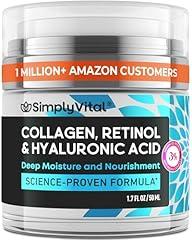
SimplyVital Antifungal Cream - Clotrimazole 1%
Overview
This is a 2 fl oz, 60 mL topical cream in a jar, intended for external treatment of most athlete's foot, jock itch, and ringworm. The current FDA-hosted drug label identifies clotrimazole 1% as the active antifungal ingredient and lists Alpha Plants Inc as the labeler. The label places it under the FDA OTC topical-antifungal monograph rather than an individual drug approval. Directions call for cleaning and drying the area, then applying a thin layer twice daily. The labeled course is four weeks for athlete's foot and ringworm, and two weeks for jock itch. The formula also contains aloe, witch hazel, tea tree oil, thyme extract, vitamin E, phenoxyethanol, and propylene glycol. No current lot-specific independent certificate of analysis, potency result, microbial test record, or stability record was located for buyer review.
What works
- Its 1% clotrimazole active ingredient and topical cream format match the FDA OTC monograph for common athlete's foot, jock itch, and ringworm.
- The current FDA-hosted label provides specific treatment durations, twice-daily use instructions, eye-contact precautions, and timelines for seeking medical advice.
- The drug label identifies the responsible labeler, lists the active and inactive ingredients, and provides a current U.S. drug listing.
- Human clinical evidence supports clotrimazole 1% over placebo for mycological cure in tinea corporis and tinea cruris.
What does not
- No publicly available, lot-matched independent certificate was found to verify this jar's clotrimazole potency, microbial quality, or stability through expiry.
- Tea tree oil, thyme extract, witch hazel, propylene glycol, and phenoxyethanol add avoidable irritation or allergy considerations for inflamed or eczema-prone skin.
- The manufacturer website uses a general disclaimer saying its statements are not intended to diagnose, treat, cure, or prevent disease, which conflicts with this product's OTC drug labeling and stated antifungal use.
- The jar material and practical recycling route are not clearly identified, and no package-specific environmental claim or recycling instruction was verified.
Who is it for
This product fits an adult with a typical, limited athlete's foot, jock itch, or ringworm rash who can follow a twice-daily regimen for the full labeled course. It is most relevant for someone who wants a 60 mL jar and values a U.S. OTC drug label with explicit use instructions, eye precautions, and a point at which to contact a clinician. It is better suited to people without known reactions to essential oils, propylene glycol, or fragranced botanical skin products.
Who is it not for
It is not for scalp fungus, nail fungus, eye-area use, broken skin, or a rash whose cause is uncertain. The label says it is not effective on scalp or nails. People with eczema, a history of allergic contact dermatitis, or known sensitivity to tea tree oil, propylene glycol, thyme, or topical fragrances should be cautious because the formula includes several potential sensitizers. Children younger than 2 years should only use it under a doctor's direction. Persistent, worsening, painful, spreading, or recurrent rashes need medical assessment.
Integrity
The important health positive is the drug active, clotrimazole 1%, which is an FDA-monograph topical antifungal with human evidence for common superficial tinea infections. The current label also gives appropriate external-use, eye-contact, treatment-duration, and medical-referral instructions. A current FDA-hosted listing identifies the product's labeler and a complete inactive-ingredient declaration. The formula is not minimalist. It includes tea tree oil, thyme extract, witch hazel, propylene glycol, phenoxyethanol, and other cosmetic excipients alongside clotrimazole. Tea tree oil and propylene glycol have published links to allergic or irritant contact dermatitis in susceptible people. No public lot-specific independent testing record was located. The product comes in a jar, but the packaging material, recycled-content information, and U.S. recycling instructions were not verified. No product-specific recall or FDA warning letter was located in the searched sources.

Terrasil Tinea Versicolor Treatment Kit
Overview
This is a two-part topical antifungal kit with a 0.5 ounce, 14 g ointment tube and a 75 g cleansing bar. The matching drug label identifies clotrimazole 1% in both components. It directs users to wash, rinse the bar after one to two minutes, dry thoroughly, then apply ointment twice daily. The label supports athlete's foot, jock itch, and ringworm use, with four weeks of use for athlete's foot and ringworm and two weeks for jock itch. The marketplace title also names tinea versicolor. Clotrimazole 1% has human clinical evidence for that condition, but the matching Terrasil kit label does not list tinea versicolor among its uses. Its label record also shows a marketing end date of June 27, 2026, which predates this assessment. This creates a meaningful traceability question for the exact unit currently offered.
What works
- Both the ointment and cleansing bar are labeled with clotrimazole 1%, an established topical antifungal concentration under the FDA OTC antifungal monograph.
- The matching label gives concrete use instructions, including treatment durations and advice to keep feet dry, change socks, and use ventilated shoes for athlete's foot.
- The label includes key safeguards, including external-use-only, eye-avoidance, child supervision, stop-use, and medical-referral instructions.
- Full inactive-ingredient lists are available in the matching drug label, rather than relying only on broad natural-ingredient marketing.
What does not
- The matching Terrasil label supports athlete's foot, jock itch, and ringworm, not the marketplace title's specific tinea versicolor claim.
- DailyMed lists the matching kit's marketing end date as June 27, 2026, so the current marketplace unit is not straightforwardly traceable to an active matching label record.
- No current lot-specific certificate from an independent accredited laboratory was found for this product's clotrimazole potency, microbial quality, or stability.
- The formula contains tea tree, peppermint, lavender, and other fragrant botanical ingredients. Tea tree and peppermint oils have documented contact-allergy potential, which matters on inflamed or previously reactive skin.
- The manufacturer has stated that its own lots passed quality testing, but that is not a buyer-accessible independent batch certificate.
Who is it for
This product is most suited to an adult or supervised older child with a straightforward, previously recognized superficial fungal rash on body skin, groin, or feet, who prefers a kit containing both a wash-off bar and a leave-on ointment. The small 14 g tube is best for limited areas rather than broad body coverage. It is most aligned with the label-supported uses of athlete's foot, jock itch, and ringworm, provided the buyer can confirm that the package has a current lot number and expiration date.
Who is it not for
It is not well suited to people seeking a clearly traceable, currently active label specifically for tinea versicolor, because the matching Terrasil kit record is no longer active and its listed uses do not name that condition. Avoid self-treatment of scalp or nail disease, eye-area rashes, broken skin, widespread eruptions, or an uncertain diagnosis. People with fragrance, essential-oil, tea-tree, or peppermint allergy should choose a simpler formula. Children under two need clinician direction, and persistent or worsening rashes need medical assessment.
Integrity
The health positive is the verified 1% clotrimazole concentration in both kit components. Clotrimazole 1% is an FDA-monograph antifungal concentration for common dermatophyte infections, and the matching label provides practical stop-use and referral directions. However, the botanical-heavy formula is not automatically gentler. Tea tree oil and peppermint oil have published associations with allergic contact dermatitis, so irritation or a spreading rash warrants stopping use. No public, current lot-specific independent certificate was found for potency, microbial limits, preservative performance, or stability. The matching kit's government label record shows a June 27, 2026 marketing end date. No product-specific recall was identified in this review, although FDA records include a historical 2008 enforcement listing involving Aidance Skincare and cancer-related marketing claims, not this antifungal product. No package-specific recycling material, How2Recycle label, or substantiated environmental claim was found.

Seebeellar Antifungal Cream
Overview
This is a 100 g topical cream containing 2% miconazole nitrate. Its verified U.S. drug label identifies it as an over-the-counter topical antifungal for athlete’s foot, jock itch, and ringworm. Directions are to clean and dry the area, then apply a thin layer twice daily. Athlete’s foot and ringworm are directed for four weeks, while jock itch is directed for two weeks. The label is traceable to Guangzhou Yusong Fine Chemicals and includes a drug code, full inactive-ingredient disclosure, storage instructions, warnings, and stop-use guidance. The marketplace title also promotes use for seborrheic dermatitis and folliculitis, but those conditions are not among the verified label uses or the FDA topical-antifungal monograph indications. No public lot-specific independent certificate of analysis was located for potency, microbial quality, or stability.
What works
- Verified 2% miconazole nitrate is an FDA monograph concentration for topical antifungal products.
- The verified label covers common dermatophyte infections, athlete’s foot, jock itch, and ringworm.
- Directions give condition-specific treatment periods and advise medical review when improvement does not occur.
- The product has a publicly accessible drug label naming the packager, active strength, inactive ingredients, warnings, and storage conditions.
What does not
- The marketplace title extends claims to seborrheic dermatitis and folliculitis, although the verified drug label only lists athlete’s foot, jock itch, and ringworm.
- Tea tree oil, clove extract, and numerous botanical extracts are unnecessary for miconazole’s core function and can add allergy or irritation concerns on inflamed skin.
- No current lot-matched independent testing certificate was publicly available to verify active potency, microbial limits, preservative performance, or stability through expiry.
- No package-specific recycling instructions, material identification, or independently verifiable environmental claims were found.
Who is it for
This product suits an adult seeking a larger 100 g cream for a typical, limited-area case of athlete’s foot, jock itch, or body ringworm, provided they can follow twice-daily use for the full labeled duration. It is especially relevant for someone who values a product with a publicly available U.S. drug label, named packager, clear storage conditions, and explicit timeframes for contacting a clinician if symptoms do not improve. Users without a history of fragrance or essential-oil skin reactions are a better fit than highly reactive-skin users.
Who is it not for
It is not intended for scalp or nail fungal disease, vaginal yeast infection, diaper rash, eye-area use, or broken and irritated skin. It is also a poor fit for someone treating an undiagnosed rash, suspected bacterial folliculitis, or seborrheic dermatitis, because those marketplace claims are not verified uses on this product’s drug label. People with tea tree, clove, fragrance, or botanical contact allergies should be cautious, as the formula contains tea tree oil, clove extract, and multiple plant extracts. Children under 2 require clinician direction.
Integrity
The health-positive feature is the verifiable drug labeling. The cream contains miconazole nitrate 2%, a concentration named in FDA’s topical antifungal monograph, and its label gives standard external-use, eye-contact, swallowing, diabetes, immune-system, worsening-condition, and treatment-failure warnings. The listed inactive ingredients are unusually complex for an antifungal cream, including tea tree oil, clove extract, and several other botanical extracts. Published dermatology literature identifies tea tree oil as a contact-allergy concern, particularly after oxidation, so this is relevant on already inflamed skin. No public lot-specific independent certificate was found for this product. That leaves potency, microbial testing, preservative effectiveness, and shelf-life stability unconfirmed at the individual-batch level. No product-specific environmental certification, recycling label, packaging-material identification, or substantiated sustainability claim was found. Searches did not identify a product-specific FDA recall or warning letter, but that absence is not equivalent to independently verified manufacturing quality.

Phytzine Antifungal Cream
Overview
This is a 28 g, roughly 1 oz, topical antifungal ointment sold in a tube. Its current U.S. drug label identifies tolnaftate 1% as the active ingredient and directs users to wash and dry the affected skin, apply it twice daily, and continue ringworm treatment for about three to four weeks. The labeled uses are ringworm and athlete's foot. The active strength, full inactive-ingredient list, responsible labeler, and OTC-monograph marketing category are independently documented in the current DailyMed label. Tolnaftate is an established topical antifungal for superficial dermatophyte infections. The formula is not a simple tolnaftate base, however. It also includes sweet almond oil, propolis, camphor, menthol, tea tree, lavender, jasmine, and clove oils. No current lot-matched independent certificate of analysis, stability record, or microbial test report was located publicly.
What works
- The current drug label documents 1% tolnaftate, an established OTC antifungal strength for ringworm and athlete's foot.
- The label gives usable application directions, including washing and drying the area, twice-daily application, handwashing, and referral if there is no improvement within four weeks.
- A current public drug label identifies The Sisquoc Healthcare Corporation as the responsible labeler and provides a complete inactive-ingredient declaration.
- The 28 g tube is a practical small format for a localized superficial skin infection.
What does not
- The formula contains several known fragrance and botanical sensitizers, including tea tree, lavender, jasmine, clove, propolis, camphor, and menthol. These can be a real concern on inflamed or allergy-prone skin.
- The public label supports ringworm and athlete's foot, but it does not position the product for fungal nails, scalp infections, or uncertain rashes.
- No public, lot-specific independent certificate was found to verify this tube's active potency, microbial quality, impurities, or stability through expiry.
- The broad marketing language around natural oils and clinical proof is not matched by public clinical testing of this complete multi-botanical formula.
Who is it for
This product fits an adult or child aged 2 years or older, with a localized, typical-looking case of ringworm or athlete's foot who wants an OTC tolnaftate 1% treatment in a small tube. It is most relevant for someone able to apply it consistently twice daily for several weeks and who can tolerate fragranced botanical skin products. The detailed public label is also useful for buyers who need to check ingredients before use, especially for almond, bee-product, or fragrance sensitivities.
Who is it not for
It is not suited to people with known reactions to fragrance, essential oils, tea tree, lavender, clove, propolis, menthol, camphor, or almonds. Avoid self-treating a rash that is painful, spreading, draining, on the scalp or nails, near the eyes, or not improving within four weeks. Children under 2 should not use it unless directed by a doctor. People with eczema, broken skin, extensive rash, diabetes-related foot problems, or an uncertain diagnosis should seek clinician or pharmacist guidance rather than relying on a heavily botanical formula.
Integrity
The health-positive finding is clear drug traceability. The current public label identifies a 1% tolnaftate topical ointment, a named responsible labeler, a 28 g tube, storage conditions, directions, and external-use, eye-contact, swallowing, irritation, and four-week referral warnings. Tolnaftate has human clinical evidence for superficial fungal skin infections, while the added oils should not be treated as the evidence-based antifungal component. The main health caution is avoidable contact-allergy exposure. Tea tree oil has a documented history of allergic contact dermatitis, and lavender, clove, fragrance materials, propolis, menthol, and camphor may also be troublesome for susceptible users. No public lot-specific potency, microbial, or stability certificate was located. The available information identifies a small tube, but does not document its resin type, recycling instructions, recycled content, refill option, or package-specific environmental certification. No environmental claim was substantiated.

Femmesil Antifungal Vaginal Cream
Overview
Femmesil is a 50 g, 1.7-ounce over-the-counter cream labeled for vaginal yeast infections. Its independently accessible Drug Facts label identifies clotrimazole 1% as the vaginal-antifungal active ingredient. The label permits use inside the vagina or on the outer vaginal area for adults and children age 12 and older, using a small amount on a fingertip two to three times daily for up to three days, or longer as needed. Clotrimazole has substantial human evidence for uncomplicated vaginal candidiasis, but the product's unlabeled amount per application makes its regimen difficult to match to defined evidence-based intravaginal regimens. CDC guidance specifies 5 g of 1% clotrimazole cream daily for 7 to 14 days. The formula also contains peppermint and tea tree oils, which are avoidable sensitizer concerns on inflamed vulvar tissue. The labeler, ingredient list, Drug Facts panel, and drug listing are traceable through DailyMed.
What works
- The Drug Facts label verifies 1% clotrimazole, an antifungal with human clinical evidence for vaginal candidiasis.
- The product has a named U.S. labeler, a publicly accessible Drug Facts label, complete inactive-ingredient disclosure, and a traceable drug listing.
- Its label gives meaningful referral warnings for fever, pelvic or back pain, foul-smelling discharge, recurrent infections, HIV exposure, and symptoms that persist or worsen.
- The label warns that condoms and diaphragms may be damaged during use, which helps prevent a consequential misuse.
What does not
- The directions do not state a gram dose or provide an applicator. That prevents confirmation that the fingertip regimen delivers an evidence-based intravaginal dose.
- Peppermint oil and tea tree oil are unnecessary fragrance-like botanical exposures on a sensitive, already irritated site. Vulvar allergic contact dermatitis is well documented, including reactions involving fragrances and herbs.
- No current, lot-matched independent certificate of analysis was located for active potency, microbial quality, impurities, or stability through expiry.
- Marketing about natural ingredients, activated minerals, odor, discharge, and restoring vaginal balance extends beyond the narrow Drug Facts use of treating vaginal yeast infections.
- FDA records identify a 2008 warning letter to the same company concerning disease claims for different products. It is historical and not a recall of this product, but it is relevant to claim-governance history.
Who is it for
This product suits an adult who has previously had a clinician-diagnosed vaginal yeast infection, recognizes the same uncomplicated symptoms, and specifically wants a clotrimazole 1% cream with a published Drug Facts label. It is most relevant for someone who can follow the label's abstinence and barrier-contraception precautions during treatment, has no known sensitivity to peppermint or tea tree oil, and can seek care if symptoms fail to improve within three days or last beyond seven days. The 50 g tube is a single cream format rather than a premeasured applicator course.
Who is it not for
It is not appropriate for a first episode of vaginal itching or discomfort, children under 12 without medical direction, or anyone with fever, abdominal, back, or shoulder pain, foul-smelling discharge, nausea, vomiting, hives, or recurrent monthly infections. Those features can indicate a condition other than uncomplicated yeast infection. People who are pregnant or breastfeeding should ask a health professional first. Anyone with fragrance, essential-oil, peppermint, or tea tree allergy, vulvar dermatitis, broken tissue, or severe burning should avoid a formula with these botanicals and seek individualized advice.
Integrity
The strongest health transparency point is the public drug label. It names clotrimazole 1%, identifies Aidance Skincare and Topical Solutions as labeler, lists all inactive ingredients, and supplies clear stop-use and medical-referral warnings. Clotrimazole itself is supported by human evidence for vaginal candidiasis, but this product's fingertip directions do not specify the applied dose needed to compare its regimen with established courses. The inactive list includes peppermint oil and tea tree oil. These botanicals do not establish antifungal benefit at the quantities used here, and they can add contact-irritation or allergy risk on vulvar tissue. No public lot-specific independent testing record was found for this cream's potency, microbes, or stability. No package-specific recycling material, How2Recycle label, recycled-content figure, or other verifiable environmental claim was located. A historical 2008 FDA warning letter involved different Aidance products and disease claims, not a recalled Femmesil unit.

Kerova Antifungal Cream for Skin Fungus
Overview
This is a 100 g, about 3.5 ounce, topical cream labeled with miconazole nitrate 2%. It is intended for athlete's foot, jock itch, and ringworm on the skin. The official drug label directs users to clean and dry the area, then apply a thin layer twice daily. It specifies four weeks for athlete's foot or ringworm and two weeks for jock itch. The active concentration is independently supported by the official drug label and matches the concentration named in FDA OTC Monograph M005. The label identifies Guangzhou Bixiaoyu Trading Co., Ltd. as the responsible labeler and publicly discloses the formula. It also contains peppermint oil, tea tree oil, propylene glycol, botanical extracts, avocado oil, dimethicone, and ethylparaben. No current lot-specific independent certificate of analysis was located.
What works
- The official label lists miconazole nitrate 2%, a concentration included in FDA OTC Monograph M005 for topical antifungal use.
- The stated uses, twice-daily application, and two or four week treatment durations are concrete and consistent with standard topical miconazole directions.
- The official drug listing identifies the responsible labeler, product listing number, 100 g pack size, and complete active and inactive ingredient declaration.
- The label appropriately states that the cream is not effective for scalp or nail infections and advises stopping for irritation or lack of improvement.
What does not
- The official label does not include the monograph-required instruction to avoid contact with the eyes, despite FDA OTC Monograph M005 requiring it for this type of product.
- Peppermint oil, tea tree oil, and propylene glycol are unnecessary potential irritants or sensitizers on already inflamed skin. Tea tree oil and propylene glycol have documented contact-allergy concerns.
- No current, lot-matched independent certificate was found to verify active potency, microbial limits, contaminants, preservative performance, or stability through expiry.
- No package material, recycling instructions, recycled-content claim, or other product-specific environmental information was identified.
Who is it for
This product fits an adult or supervised older child with a small, typical-looking area of athlete's foot, jock itch, or ringworm on intact body skin who can follow a twice-daily routine for the full labeled course. Its 100 g bottle is a practical size for repeated application over two to four weeks. It is most suitable for someone without a known sensitivity to tea tree oil, peppermint oil, propylene glycol, or topical azole antifungals, and who will stop if irritation develops.
Who is it not for
It is not appropriate for suspected scalp ringworm or fungal nail disease, because the product label itself says it does not work on the scalp or nails. People with a severe, spreading, painful, weeping, infected-looking, or uncertain rash should seek clinical assessment rather than assume it is a superficial fungal infection. Avoid it for children under age two unless a clinician directs use. Anyone with prior reactions to tea tree oil, fragrance oils, propylene glycol, or miconazole should choose a formula with a more suitable ingredient profile.
Integrity
The strongest health evidence is for the drug active, not the added botanicals. The official label and public drug listing identify miconazole nitrate 2% in a topical cream, and that exact concentration is included in FDA's OTC topical-antifungal monograph for athlete's foot, jock itch, and ringworm. The label gives a defined schedule and referral point if the condition fails to improve. It also correctly excludes scalp and nail use. The formula has avoidable irritation considerations. It contains peppermint oil, tea tree oil, and propylene glycol, ingredients that can be problematic for some people with contact dermatitis. The label also omits the FDA monograph warning to avoid eye contact. No public lot-specific independent testing record was located, so potency, microbiological quality, and stability cannot be confirmed for an individual bottle. No product-specific recycling pathway, package resin identification, or environmental certification was identified. Searches did not identify a product-specific FDA recall or warning letter, but that absence does not substitute for batch testing.

Welmate Antifungal Cream
Overview
This product is a three-tube pack of topical antifungal cream, with 1 ounce per tube in the catalog listing. It is intended for external use on athlete’s foot, jock itch, and ringworm. The independently published drug label confirms 1% butenafine hydrochloride, or 10 mg per gram, in a 30 g cream tube, with a full inactive-ingredient list. Its treatment directions are condition-specific. Athlete’s foot between the toes may be treated twice daily for one week or once daily for four weeks. Jock itch and ringworm require once-daily use for two weeks. The product is traceable through a current drug label that identifies the labeler, distributor, manufacturer, package size, lot-related package safeguards, and an approved generic-drug pathway. The listing’s broad “1 week” wording needs care, because that schedule does not apply to every claimed condition.
What works
- The 1% butenafine dose and topical cream format are confirmed by the published drug label.
- Human clinical trials support butenafine 1% cream for superficial tinea infections, including interdigital athlete’s foot and ringworm.
- The label gives separate schedules for athlete’s foot, jock itch, and ringworm, rather than treating them as interchangeable.
- The complete inactive-ingredient list is published, and the formula contains no listed fragrance or botanical extract.
What does not
- The listing’s “1 week” wording can overstate the speed of treatment for jock itch and ringworm, whose label directions call for two weeks.
- No current, lot-matched independent certificate of analysis was located for this product’s potency, microbial quality, impurities, or stability.
- Benzyl alcohol, cetyl alcohol, sodium benzoate, and other excipients may still irritate or sensitize some people with damaged or reactive skin.
- No package-specific recycling information, material identification, or substantiated environmental claim was located.
Who is it for
This product suits an adult or adolescent age 12 or older with a typical, limited superficial fungal rash that matches the labeled uses, especially athlete’s foot between the toes, jock itch, or ringworm on skin. The three small tubes may be practical for households that want a labeled topical treatment available in more than one location. It is most appropriate for someone able to follow the different schedule for their specific condition, wash and dry skin before use, and stop if irritation becomes significant.
Who is it not for
It is not for nail fungus, scalp fungal infections, vaginal yeast infections, eye-area use, mouth-area use, or swallowed exposure. Those uses are specifically excluded by the drug label. Children under 12 should have medical guidance first. People with a spreading, painful, oozing, recurrent, or uncertain rash, diabetes-related foot problems, immune suppression, or symptoms that persist after the labeled course should seek medical evaluation instead of repeatedly self-treating. Those with prior reactions to topical creams or preservatives should check the full ingredient list carefully.
Integrity
The health case rests on a conventional drug ingredient, not a botanical or wellness claim. The published label identifies butenafine hydrochloride 1% and an approved generic-drug pathway. It also provides meaningful safeguards, including external-use-only instructions, eye avoidance, stop-use advice for worsening irritation, and explicit exclusions for nails, scalp, and vaginal yeast infections. Butenafine has human clinical evidence for the labeled superficial fungal skin conditions. The cream has a disclosed preservative and excipient system that includes benzyl alcohol and sodium benzoate, plus cetyl alcohol and trolamine. These are worth noting for people with sensitive or inflamed skin. No lot-specific third-party testing record was found, so a buyer cannot independently verify the exact tube’s potency or microbiological results. No package-specific recycling route, packaging-material identification, or verified environmental certification was located.

Hermon Jock Itch Relief Cream
Overview
This is a topical antifungal cream whose publicly filed drug label identifies miconazole nitrate 2% as the active ingredient. It is intended for athlete's foot, jock itch, and ringworm, with a thin layer applied twice daily. The label directs four weeks of daily use for athlete's foot and ringworm, and two weeks for jock itch. It also says it is not effective for scalp or nail infections. The active strength is independently corroborated by the public drug label and matches the U.S. OTC topical-antifungal monograph. However, this marketplace listing describes a 100 mL product, while the currently filed public label describes a 60 g carton. That concrete size discrepancy makes it harder to confirm that the listing corresponds to the same labeled unit. The label also contains a mixture of botanical extracts and mint leaf oil in addition to the antifungal drug.
What works
- Miconazole nitrate 2% is a U.S. OTC-monograph active concentration for athlete's foot, jock itch, and ringworm.
- The public drug label gives specific twice-daily directions and condition-specific treatment periods.
- The public label identifies Beautivity LLC as the responsible labeler and provides a consumer contact route.
- The label instructs users to stop and seek medical advice for irritation or lack of improvement within the stated treatment windows.
What does not
- The marketplace listing states 100 mL, but the public label for this named cream identifies a 60 g carton. This is a traceability problem, not merely missing information.
- No current lot-matched independent certificate of analysis was located for potency, microbial quality, impurities, or stability.
- The cream contains numerous botanical extracts and mint leaf oil, which are unnecessary for the proven antifungal effect and may be less suitable for highly reactive or already inflamed skin.
- The marketplace metadata says it is for all ages, while the public label says children under 2 should use it only under a doctor's direction.
Who is it for
This product is most relevant to an adult or supervised older child with a small, typical-looking case of athlete's foot, jock itch, or body ringworm who can follow a twice-daily topical routine. Its active ingredient and 2% strength align with the OTC monograph for those superficial fungal infections. It suits someone who can inspect the delivered carton and tube to make sure the size, seal, expiration date, and labeling match the public drug label before use. It is not intended to provide a diagnosis.
Who is it not for
It is not appropriate for suspected scalp ringworm, fungal nail disease, diaper rash, eye-area use, or an undiagnosed widespread, painful, oozing, or rapidly worsening rash. Those conditions can require a different diagnosis or prescription treatment. People with diabetes, immune-system problems, a history of reactions to fragranced plant oils or topical products, or a rash covering a large area should seek clinician guidance first. Avoid relying on the listing's all-ages wording for children under 2, because the public label gives a different instruction.
Integrity
The central health positive is the verified active drug, miconazole nitrate 2%, at the concentration named in the U.S. OTC topical-antifungal monograph. The public label supports use for athlete's foot, jock itch, and ringworm and includes time limits for seeking medical advice. A human double-blind trial also found 2% topical miconazole outperformed its vehicle for tinea pedis after four weeks. The formula is not a minimalist medicated cream. Its disclosed inactive ingredients include several plant extracts and mint leaf oil, which add potential irritation or allergy considerations without establishing added antifungal benefit. No lot-specific independent testing records were found. No product-specific environmental certification, package recycling information, recycled-content claim, or substantiated lower-waste claim was located. The listing-to-label size conflict also means buyers should verify the physical package carefully.