
10 Best Vacuum Mop
 Lauren Wilson
Please note that we participate in affiliate marketing programs. When you purchase through links on our site, we may earn a commission. As an Amazon Associate we earn from qualifying purchases. This comes at no additional cost to you and helps support the resources required to provide valuable content.Advertising Disclosure
Top-rated Vacuum Mop Comparison
1
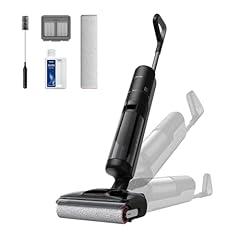

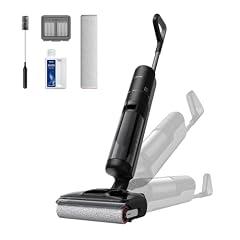
2
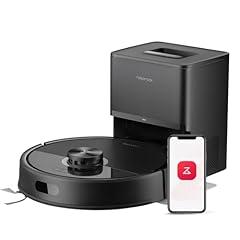
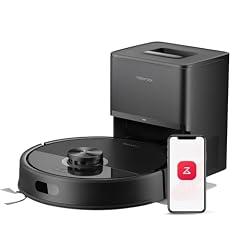
4
5
6
7
8
9
10
Vacuum mops: what matters
A vacuum mop combines debris pickup with wet cleaning, either in a hand-guided floor washer or a robot that vacuums and wipes or scrubs. The useful distinction is not the largest suction number or the hottest advertised wash cycle. It is whether the product removes dry debris, fresh spills, and adhered soil on the floors you own, while controlling water, dirty residues, charging risks, and maintenance waste.
Start with floor compatibility. The supplied products are generally intended for sealed hard floors such as tile, vinyl, laminate, marble, or sealed wood. Robot models may also vacuum carpet, but their mop-lift height and carpet controls determine whether rugs stay dry. A passive cloth is mainly a maintenance wiper; it should not be assumed to remove dried food or sticky soil. For upright washers, tank size and runtime indicate how much area can be covered, but they do not prove cleaning quality.
The strongest performance evidence is an independent report for the exact model and configuration using IEC/ASTM 62885-6 wet hard-floor methods, ASTM F2607, or another clearly described laboratory method. Hands-on testing can still be useful: several supplied reviews reported performance on spills, debris, pet hair, or dried stains. But a suction figure such as 8,000, 11,000, 20,000, or 25,000 Pa is not a cleaning result. It does not show how much dry debris, wet spill, or adhered soil was removed, how much water remained, or how repeatable the result is. Claims about roller speed, hot water, hair avoidance, or “deep cleaning” have the same limitation unless tied to measured testing.
For electrical safety, look for a current listing for the complete appliance, charger, dock, and battery system in UL Product iQ, the Intertek ETL directory, or CSA’s product listings. ANSI/UL 1017 is relevant to vacuum cleaners, while battery claims may require UL 62133-2 or IEC 62133-2 documentation. A CPSC recall search is useful, but finding no recall is not the same as finding a safety certification. FCC authorization, where present, addresses radio compliance rather than complete appliance or battery fire safety.
Wet-operation instructions matter. A credible manual should identify suitable sealed floors, water limits, compatible cleaning solutions, leak precautions, carpet restrictions, and safe docking. Dirty-water tanks, rollers, filters, pipes, trays, and mop pads should be removable, washable, replaceable, and capable of being fully dried. Self-cleaning or hot-air drying may reduce handling, but it is not automatically proof of mold prevention, sanitation, or microbial control.
Treat HEPA, “allergy,” “antibacterial,” “sanitizes,” and “disinfects” claims cautiously. Whole-system filtration evidence should identify the exact model, particle sizes, test setup, and filter condition under ASTM F1977 or F2608, or an appropriate IEST HEPA test. Disinfecting claims should match an EPA-registered product label or applicable EPA device evidence; ordinary roller washing is not disinfection. Connected robots also deserve a privacy check: review map and account controls, data retention, security updates, and vulnerability handling.
Across the supplied reviews, the recurring caveats are substantial: no exact-model safety listing was located for many products; standardized cleaning and whole-system filtration results were commonly absent; wet machines require prompt dirty-water emptying, rinsing, and drying; and built-in batteries often are not routine user-replaceable. Do not use these products on unsuitable moisture-sensitive or unsealed floors, with flammable liquids, hot ash, or standing water. Carpet and rug wetting, leakage after tilting or collisions, hot drying components, disposable bags, and app-connected home maps also require attention.
Integrity
These topics are separated so a buyer can distinguish cleaning usefulness from electrical, wet-path, privacy, repair, and environmental evidence. Scores are relative to the supplied products; a higher score indicates stronger support or safer design within this set, not a universal certification.
EEvidence
Independently verified safety and performance
This measures whether important safety, filtration, cleaning, and environmental claims are backed by current model-specific certification or test reports. It matters because catalog claims can describe a family or configuration rather than the exact product. Scores range from 68 to 76. Higher-scoring products had stronger independent hands-on or third-party evidence, but the reviews commonly found no exact-model UL Product iQ, ETL, CSA, or full laboratory safety report.
Proven vacuum-and-mop cleaning
This measures independently measured dry-debris, wet-spill, and adhered-soil removal on hard floors under a recognized method. It matters more than suction or roller-temperature figures when choosing a floor cleaner. Scores range from 49 to 91. Higher scores were supported by exact-product testing, including dried-stain or spill results; lower scores reflected passive wiping, poor adhered-stain removal, or no independent hard-floor test.
HHealth & Safety
Battery and charging fire safety
This measures protection against overheating, shock, charger failure, and fire during use or unattended charging. It matters because vacuum mops combine lithium-ion batteries, wet environments, and charging docks. Supplied scores range from 68 to 72: higher-scoring products had clearer operating precautions or fewer identified concerns, but many still lacked an exact-model UL, ETL, or CSA listing.
Safe wet cleaning on real floors
This measures leak control, excess water, carpet wetting, dock stability, and restrictions on incompatible chemicals. It matters because a wet roller or robot mop can damage flooring or create a slip hazard. Scores range from 53 to 82. Higher-scoring products had clearer floor limits, removable water systems, or tested low residual water; lower scores reflected leak warnings, weak water control, or limited wet-operation evidence.
Dirty-water and mop hygiene
This measures whether tanks, rollers, pads, filters, and wet paths can be emptied, washed, dried, and replaced without trapping contaminated water. It matters because self-cleaning does not remove the need for maintenance. Scores range from 69 to 86. Higher-scoring designs provided accessible wet parts and drying or cleaning routines; lower-scoring ones offered less documented upkeep or more dependence on disposable components.
Dust and allergen containment
This measures fine dust escaping through exhaust, bins, docks, bags, and filter changes. It matters when a vacuum mop is used around dust-sensitive occupants, but a catalog HEPA label alone is not whole-system evidence. Scores range from 50 to 70. Higher scores reflected better practical containment information, while every supplied review lacked robust model-specific whole-system filtration testing.
Honest sanitation and health claims
This measures whether claims about disinfecting, killing germs, removing allergens, or being safe for babies or pets match the mechanism and evidence. It matters because washing a roller or using hot water does not establish disinfection. Scores range from 64 to 80. Higher-scoring products made fewer unsupported health promises or described ordinary cleaning more accurately; lower scores involved unsupported mold, antimicrobial, or sanitation language.
Home privacy and app security
This measures disclosure and control of maps, cameras, microphones, accounts, and device data, plus security updates and vulnerability handling. It matters mainly for connected robots that map rooms or use cameras. Scores range from 68 to 88. Higher-scoring products had clearer privacy controls or security commitments; lower scores involved general policies, Tuya-based connectivity, unclear support, or camera and map-data concerns.
EEcology
Repairable, maintainable design
This measures access to batteries, rollers, pads, filters, tanks, chargers, service information, and repair support. It matters because a worn roller or failed battery should not end the useful life of the whole appliance. Scores range from 58 to 77. Higher-scoring products had replacement parts, maintenance schedules, warranties, or battery-removal guidance; lower scores involved non-replaceable batteries or limited service information.
Low-waste consumables and disposal
This measures waste from bags, pads, filters, detergent systems, and non-removable batteries, along with practical replacement and recycling guidance. It matters because robot docks may require disposable bags and wet cleaners need recurring rollers, filters, or solution. Scores range from 63 to 78. Higher scores generally reflected reusable parts and available replacements; lower scores reflected disposable systems or unclear battery end-of-life handling.
Water, energy, and environmental impact
This measures electricity and water use per cleaned area, drying or dock energy, and substantiation for environmental claims. It matters because hot washing, heated drying, charging, and disposable consumables add impacts beyond the cleaning pass. Scores range from 68 to 74. Higher scores reflected some measured runtime, coverage, or resource information, but no supplied product had a complete exact-model water-and-energy assessment.
Full reviews

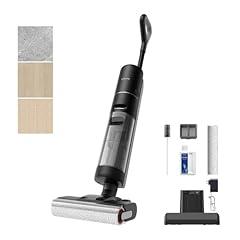
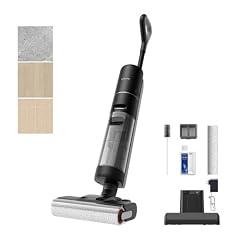
Dreame H12 Pro Cordless Vacuum Mop
Overview
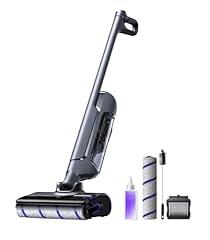
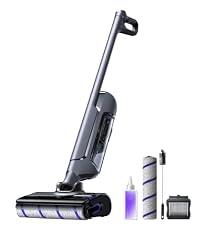
This cordless floor washer vacuums debris and applies water through a roller on sealed hard flooring. Dreame’s US manual identifies a 780 mL clean-water tank, 700 mL used-water tank, 21.6 V appliance, 400 W rated power, and a charging base rated at up to 600 W. It has separate Smart, Turbo, Quiet, and suction-only modes, and is not intended as a carpet washer. The manual instructs owners to empty the used-water tank promptly after self-cleaning, rinse its removable tank, filter, and roller, and fully dry the filter before use. Dreame states that the dock performs heated brush cleaning and hot-air drying, but no public, model-specific laboratory report was located for its drying hygiene, water use, or energy use. Independent hands-on testing found strong pickup of fresh common spills and debris, while dried, adhered residues required many passes.
What works
- Independent hands-on testing found effective pickup of several fresh food spills, debris, pet hair, and loose hair.
- The manufacturer provides detailed instructions for removing, rinsing, drying, and replacing the used-water filter and roller.
- The product is clearly limited in its manual to hard surfaces such as sealed wood, marble, and tile.
- Dreame lists a two-year US warranty for the main wet-dry vacuum body and charging base, with a one-year battery warranty.
What does not
- No publicly available UL, ETL, or CSA listing for this exact appliance and charging base was located during verification.
- No standardized, model-specific ASTM or IEC wet hard-floor cleaning report was located, so cleaning claims are not independently benchmarked.
- The manual warns that collision, sharp pulling, lifting, or tilting during operation can allow water into the motor, and it requires prompt emptying of the used-water tank.
- There is no published whole-system fine-dust or HEPA filtration result, so allergy and exhaust-containment performance is unproven.
- The lithium-ion battery is built in and described as non-replaceable for normal users, while the roller and filter are recommended for replacement every three to six months.
Who is it for
This product suits someone with mostly sealed hard flooring who wants to collect everyday dry debris and fresh kitchen or pet messes in one pass, and who is willing to handle wet-appliance maintenance. The 780 mL clean-water and 700 mL used-water tanks fit routine room-to-room cleaning rather than a very large uninterrupted job. It also fits buyers who can park it on its dock after use, empty dirty water promptly, and rinse or replace the roller and filter on schedule.
Who is it not for
It is not suited to homes needing a machine for carpets, rugs, unsealed wood, or floors that are sensitive to moisture. People unable to manage a roughly 11-pound wet appliance, carry it between floors, or complete the required tank emptying and roller maintenance should avoid this format. It is also a poor fit for buyers who require a published safety listing, verified HEPA-level allergen containment, independently measured energy and water use, or a user-replaceable battery.
Integrity
The manual includes conventional lithium-ion battery and charging precautions, including temperature limits, use of the supplied charging base, and a warning not to use damaged equipment. No CPSC recall or safety warning specific to this product was located in the checks performed. However, a public UL, ETL, or CSA listing for the exact appliance and charging base was not located, so electrical safety certification could not be independently confirmed. For wet hygiene, the removable dirty-water tank, filter, and roller can be rinsed, and the dock has manufacturer-stated self-cleaning and drying functions. These features reduce the chance of leaving visible dirty water in the system only if the owner empties the tank promptly and dries maintained parts fully. The battery is lithium-ion and requires qualified removal before disposal. Dreame provides replacement rollers and filters, but they are recurring consumables and the built-in battery is not routine user-serviceable.

Roborock Q7 M5+ Vacuum and Mop
Overview
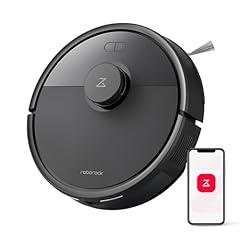
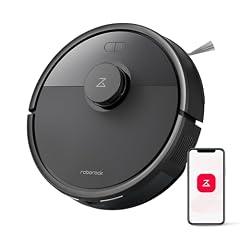
This product is a round, Wi-Fi connected robot vacuum with a LiDAR navigation turret, a removable combination dustbin and water tank, a detachable cloth mop, and an auto-empty dock. It uses a 14.4 V, 3200 mAh lithium-ion battery. The dock transfers collected dry debris to a disposable bag, while mopping requires filling the onboard tank, dampening the cloth, and fitting the cloth to its mount. Roborock states 10,000 Pa suction, three water-flow settings, anti-tangle brushes, and up to seven weeks between bag changes. An independent test of the otherwise functionally matching Q7 M5 found strong dry hard-floor pickup and good pet-hair pickup, but only adequate stain removal. The same independent assessment found no camera-based object recognition, so cords, loose items, rugs, and pet waste need to be cleared before unattended runs.
What works
- Independent testing of the matching core robot found strong pickup of ordinary hard-floor debris.
- The manufacturer provides a washable filter, removable mop cloth, brush, and water-tank components with stated maintenance steps.
- The included auto-empty dock automatically transfers dry debris to a disposable bag after cleaning.
- Roborock publishes a vulnerability reporting channel and commits to at least two years of security updates for robotic vacuums.
What does not
- No model-specific UL, ETL, or CSA safety listing, battery-pack certification, or whole-system filtration test report was located in the checked public registers.
- The mop is a static damp cloth, not a scrubbing or self-washing system. Independent testing found stain removal adequate rather than deep-cleaning.
- It does not reliably recognize cords, clutter, or pet waste. This is a real property-damage and contamination concern for unsupervised cleaning.
- The auto-empty dock uses disposable dust bags, and the battery replacement path and long-term battery availability are not clearly documented for this product.
Who is it for
It suits a household that wants scheduled maintenance cleaning of mostly open hard floors and some carpet, especially where dry crumbs, ordinary dust, and pet hair are the main messes. The practical fit is someone willing to prepare floors first, wash the reusable mop cloth, empty unused water after mopping, and replace dock bags. Its app control, LiDAR mapping, and automatic dry-debris emptying are useful where the home has reliable 2.4 GHz Wi-Fi and a stable, clear docking area.
Who is it not for
It is not suited to homes where cords, tasselled rugs, children's toys, pet waste, or other floor clutter cannot reliably be removed before each run. The lack of object recognition means it can become stuck or spread contamination. It also does not fit households expecting scrubbed stains, automatic mop washing and drying, or a true wet-cleaning station. Buyers with severe dust or allergen concerns should not treat the washable filter or bagged dock as proof of HEPA-level whole-system containment, because model-specific filtration data was not found.
Integrity
The safety instructions specify the matching dock and power supply, a 14.4 V lithium-ion battery, indoor use, and a moisture-proof mat on wooden floors. They also require clearing cords and hazards, using only cold water and Roborock-recommended cleaning solution, and emptying unused water after mopping. No product-specific U.S. safety listing was located in the checked UL, ETL, or CSA registers, and no active CPSC recall for this product was found in the checked recall results. The mop cloth, filter, brushes, and several other service items are removable, with filters and mop cloths sold as replacements. That supports routine maintenance, but the dock uses disposable dust bags and the product does not wash or dry its own mop. Roborock provides a one-year limited warranty and says some repair parts may be available on request, but it does not clearly promise model-specific battery availability or a consumer battery replacement procedure.

Narwal S20 Pro Cordless Vacuum Mop
Overview
This product is a cordless upright wet-dry vacuum mop for sealed hard floors. It simultaneously collects debris and washes with a continuously wetted soft roller, then sends recovered liquid to a removable dirty-water tank. The manufacturer lists a 9.4-pound unit, self-cleaning base, replaceable roller and filter, onboard detergent dispenser, and heated drying for the roller, pipe and filter. Independent hands-on testing found strong dried-stain removal and only 0.44 g of water left behind in its test, although this was not an IEC or ASTM certification report. Narwal says the base can self-clean and heat-dry the wet path. Its own pages conflict on maximum suction, with 20,000 Pa on the product page and 14,000 Pa in product support material.
What works
- Independent testing found strong dried-stain removal with low residual water on the floor.
- The removable dirty-water tank, solid-waste box, filter slot and roller have documented cleaning steps.
- The self-cleaning base is designed to flush the brush and internal tubing, then dry the roller, pipe and filter.
- Narwal sells replacement rollers, filters and floor-cleaning solution, and specifies a 3 to 6 month replacement interval for the roller and filter.
What does not
- The available cleaning test is independent but does not document an IEC or ASTM wet-floor method.
- No model-specific UL, ETL or CSA listing, battery-pack certification, or full electrical safety report was located in the named public registers.
- Narwal's published maximum-suction figures conflict, which makes that performance claim less dependable.
- The product uses a sponge-type filter and has no published whole-system HEPA, fine-particle filtration, or room-air particulate test result.
Who is it for
This product fits a household with mostly sealed tile, vinyl, laminate, marble, ceramic tile, or sealed hardwood that needs frequent cleanup of tracked debris, food spills, pet messes, or dried kitchen marks. It is particularly suited to someone willing to empty and rinse a dirty-water tank after each use, clean the wet components, and replace the roller and filter on schedule. The independently observed low water residue is relevant where faster floor drying is important.
Who is it not for
It is not appropriate for unsealed wood, water-sensitive flooring, or households expecting a machine to sanitize surfaces without a separately verified disinfectant process. It also is not a substitute for a dedicated carpet cleaner. Independent testing notes that it can put water onto rugs, and Narwal limits washing use to hard surfaces. People with severe dust or allergen concerns should not assume allergy-grade containment because no whole-system filtration or exhaust-particle evidence was published for this product.
Integrity
The wet-path design has practical hygiene features, not verified disinfection. Narwal instructs users to empty and rinse the dirty-water tank after use, clean the solid-waste box, filter slot and roller, and replace the filter and roller every 3 to 6 months. The base is designed to dry the roller, pipe and filter after self-cleaning. The manual also warns not to touch the heating plate during or shortly after drying because of burn risk. The manual identifies a silver-ion module in the clean-water tank and Narwal calls the filter antibacterial, but no exact-product microbial or EPA-supported antimicrobial performance evidence was located. No model-specific U.S. electrical safety listing was found in the named public registers. Narwal offers replacement wear parts and repair coverage, which can support continued use, but it does not publish battery-removal or recycling instructions for this product. Used rollers, filters, detergent containers and any disposable waste-separation bags remain routine material waste.

Roborock Q7 L5 Robot Vacuum and Mop
Overview
This is a compact robot vacuum with a detachable damp-mop module, a combined dustbin and water tank, charging dock, reusable cloth, washable filter, LiDAR navigation, and app control. Roborock lists the robot at 12.79 by 12.79 by 3.89 inches with a 14.4 V, 3,200 mAh lithium-ion battery. The manufacturer states 8,000 Pa suction and three water-flow levels, but the suction figure is based on its internal testing. Its mopping is a passive damp-cloth system, not a self-washing floor washer. An independent hands-on test found it useful for regular hard-floor upkeep, while reporting residual soil after mopping and weak edge reach. The exact-model manual supplies detailed water-use, drying, battery-removal, and routine-maintenance instructions. However, no model-specific UL, ETL, CSA, ASTM, or IEC cleaning-performance report was located in the checked sources.
What works
- The exact-model manual provides specific cleaning, drying, filter, brush, and battery-removal instructions.
- The washable filter and reusable mop cloth can reduce recurring disposable waste when maintained correctly.
- The manual directs users to empty the water tank after mopping and wash and air-dry the cloth, which is a meaningful odor-control practice.
- Independent testing supports its role in routine hard-floor maintenance, rather than only relying on the manufacturer’s suction claim.
What does not
- No model-specific NRTL electrical-safety listing or complete appliance and charger laboratory report was located in the UL, ETL, and CSA sources checked.
- No exact-model ASTM or IEC wet hard-floor report was located. Independent testing found the passive mop limited on adhered soil and edges.
- It has no dirty-water recovery system or automatic cloth washing. The user must empty water, wash the cloth, and allow it to dry after use.
- No published whole-system fine-particle containment result or HEPA claim was located for the robot, its bin, or filter changes.
Who is it for
This product suits someone maintaining mostly sealed hard floors with light daily dust, crumbs, and surface marks, who can prepare the floor before a run and handle routine upkeep. It is particularly suited to a household willing to remove the cloth, empty unused water, wash and air-dry the cloth, and clean the filter and brushes on schedule. Its compact dock and LiDAR mapping are practical where scheduled, repeatable room cleaning matters more than intensive wet scrubbing or unattended mop hygiene.
Who is it not for
It is not suited to households expecting a floor washer to remove dried spills, stuck-on kitchen soil, or edge grime without follow-up cleaning. Avoid wet operation on unsealed, water-sensitive, damaged, or already-wet flooring. It is also a poor fit where rugs cannot be managed during mopping, where users cannot wash and dry a cloth after each wet-cleaning cycle, or where a model-specific UL, ETL, CSA, HEPA, or independently measured wet-cleaning certification is a purchasing requirement.
Integrity
The safety instructions are unusually concrete for a basic robot. The manual limits charging to the supplied dock and power supply, warns against wet hands at charging contacts, requires a hard and level dock location, and says to keep floors free of water. It also directs users to use cold water, avoid disinfectants unless recommended by Roborock, empty the tank after mopping, and dry the cloth to prevent odors. The removable lithium-ion pack has documented end-of-life removal steps and should go to a professional battery recycler. Reusable cloths and a washable filter reduce some routine waste, although filters, brushes, and cloths remain scheduled replacement items. No exact-model electrical safety listing, whole-system allergy filtration result, or measured energy and water-per-area result was located. No exact-model CPSC recall was identified in searches conducted for this assessment. The app handles mapped-home data, and Roborock publishes a privacy policy and vulnerability-reporting channel, but its policy permits cloud data processing and does not provide a model-specific security-update commitment.

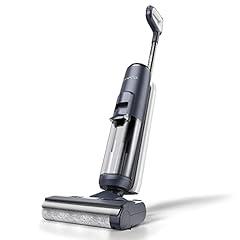
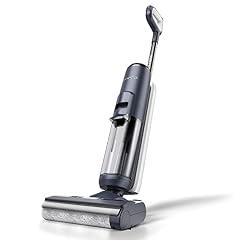
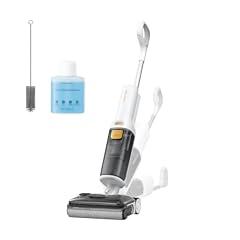
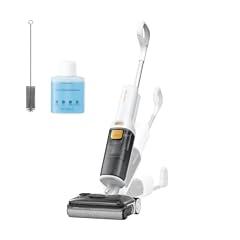
Tineco Floor ONE i5 Stretch Vacuum Mop
Overview
This cordless wet-dry floor washer vacuums debris and applies cleaning solution and water through a rotating roller in the same pass. It is intended for indoor sealed hard floors, including vinyl, tile, and sealed wood. Tineco specifies a 0.8 L clean-water tank, 0.72 L dirty-water tank, 25.2 V lithium-ion battery, 210 W rating, and an estimated 20 to 34 minute runtime. The supplied dock charges the product and runs a self-cleaning cycle. The strongest independently checked finding is cleaning performance. An independent studio test measured above-category-average dried coffee stain removal and 0.5 g residual water after cleaning, although this was not an IEC or ASTM certification test. Tineco states that it reclines to 180 degrees, has dual-side edge cleaning, and uses an anti-tangle roller. No current model-specific UL, ETL, or CSA listing was located in the checked public registers.
What works
- Independent studio testing found effective dried-stain removal and low residual water, which can support quicker floor drying.
- The product separates clean and dirty water, and its docked self-clean cycle flushes the roller and internal wet path.
- Tineco specifies a fully reclining 180-degree format for access under low furniture, with two-sided edge cleaning.
- The manual provides concrete operating limits, including indoor use on sealed hard floors and a stated water-flow range.
- Tineco provides a two-year household-use warranty and says replacement accessories and parts can be obtained through its official store or Amazon.
What does not
- No model-specific UL, ETL, or CSA electrical-safety listing was found in the checked public certification registers. This is missing verification, not evidence of a defect.
- The independent cleaning test is useful but is not a published IEC or ASTM wet-floor performance report.
- The dock rinses the roller but does not heat-dry it. The roller, tanks, and filter still need prompt removal, rinsing, and complete air drying to limit odor and microbial growth.
- There is no published whole-system filtration report supporting fine-dust or allergen-containment performance. A filter alone does not establish sealed-system performance.
- Tineco specifies use of its own cleaning products, and the manual calls for periodic replacement of the brush roller, creating ongoing consumable use.
Who is it for
This product suits someone cleaning sealed hard floors in an apartment, kitchen, pet area, or average-size single-floor home who wants to collect crumbs, hair, light wet spills, and routine grime in one pass. It is particularly relevant where low furniture makes an upright-only floor washer awkward, since the maker specifies a 180-degree lay-flat configuration. It also fits a buyer willing to empty the dirty-water tank after each use, run the rinse cycle, and air-dry the wet parts. The approximately 30-minute claimed runtime is better aligned with regular maintenance cleaning than extended whole-home sessions.
Who is it not for
It is not appropriate for carpets, unsealed wood, floors that cannot tolerate moisture, or standing water deeper than the manual's stated limit. Households that need verified electrical certification, independently documented HEPA-grade whole-machine containment, or a sanitation claim supported by disinfectant registration need more evidence than is published for this product. It also does not suit anyone unable to maintain wet components promptly. The dirty tank, roller, and filter require manual emptying, rinsing, and drying after use, and the product lacks heated roller drying. Large multi-story homes may also find its stated runtime and tank capacities restrictive.
Integrity
The product is a wet hard-floor cleaner, not a disinfectant or steam sanitizer. Its instructions limit it to indoor sealed hard floors and direct users to use the supplied charging dock and Tineco cleaning products. Those limits matter because excess water, unsuitable flooring, incompatible chemicals, and unattended wet residues can create floor-damage, slip, odor, or electrical risks. No current product-specific CPSC recall was located in the checked recall sources, but no model-specific UL, ETL, or CSA public listing was found either. Hygiene depends substantially on owner maintenance. The self-cleaning cycle flushes the roller and internal tubing, but independent testing notes that it does not heat-dry the roller. Emptying and rinsing the dirty-water tank after every use, then fully air-drying the roller and filter, remains important. The roller and filter are replaceable, and Tineco states a two-year product warranty, which supports maintenance. However, Tineco specifies periodic roller replacement and use of its cleaning solution, while published model-specific water-use, charging-energy, battery-removal, recycling, and whole-system filtration data remain limited.
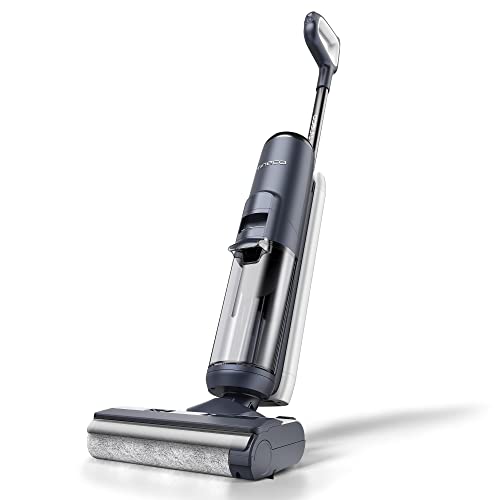
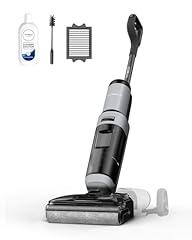
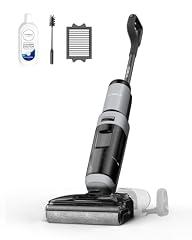
Tineco Floor ONE S5 Smart Vacuum and Mop
Overview
The Tineco Floor One S5 Plus is a cordless upright hard-floor washer that vacuums debris while applying water or the supplied-brand cleaning solution. The manufacturer documentation for the S5 Series specifies a 0.8 L clean-water tank, 0.7 L dirty-water tank, 21.6 V 4,000 mAh lithium-ion battery, two cleaning modes, and a charging base. Its stated runtime is about 35 minutes in Auto mode and 28 minutes in Max mode, with a 4 to 5 hour charge. Independent confirmation is narrow but meaningful. UL's public listing includes Tineco floor-treatment machines in the FW10 model family that encompasses the documented S5 variants. No model-specific public laboratory report using ASTM or IEC wet-floor methods was found, nor were whole-system fine-dust filtration results or a microbial hygiene study. The manual limits use to indoor, non-carpeted vinyl, tile, sealed wood, and similar sealed hard floors.
What works
- UL's public certification listing covers the documented S5 model family, providing independent electrical-safety evidence.
- Separate clean and dirty tanks, a removable roller, a washable filter, and a cleaning tool support hands-on cleaning of wet-contact parts when the instructions are followed.
- The product signals an empty clean tank, full or blocked dirty tank, roller blockage, and a needed self-cleaning cycle.
- Tineco still lists compatible replacement rollers, filters, clean-water tanks, dirty-water tanks, and accessory kits for the S5 family.
What does not
- No public exact-model ASTM or IEC test report confirms removal of dry debris, wet spills, or adhered soil under a recognized repeatable method.
- No published whole-system fine-particle filtration or room-air particle test supports an allergy or high-filtration benefit.
- The battery cells are nonreplaceable, so a battery failure can require service or retirement of the complete product.
- The manual requires emptying and fully drying the dirty tank, filter, roller, and cover after every use to reduce odor and residue risks.
- It is not for carpet, unsealed wood, foamed liquids, hot water, or steep recline angles that can increase leakage risk.
Who is it for
This product suits a household with mostly sealed hard floors, frequent food spills, pet residue, or tracked-in debris, and enough storage space for an upright charging base. It is particularly relevant for someone willing to empty the dirty-water tank and remove, rinse, and dry the roller and filter after each use. The stated 0.8 L clean tank and up to 35 minute Auto runtime fit routine cleaning of a small or medium hard-floor area, rather than extended whole-home sessions with many carpeted rooms.
Who is it not for
It is not appropriate for homes where carpet, rugs, unfinished wood, water-sensitive flooring, or stair cleaning are central needs. It also does not suit buyers who need independently measured hard-floor cleaning performance, verified HEPA-level allergen containment, or a product that can credibly disinfect surfaces. People unable to carry a roughly 4.4 kg wet appliance, maintain its wet parts after each use, or accept a nonreplaceable battery should consider a different floor-care format. App users should also be comfortable reviewing Tineco's data practices before connecting it.
Integrity
The documented S5 family appears in UL's public listing for floor-treatment machines, which is meaningful independent evidence for electrical product certification. The manual also specifies dry indoor charging, use of the supplied adapter, temperature limits, and protection against water leakage by keeping the appliance below its maximum recline angle. No S5-specific CPSC recall was located in the current recall search. Hygiene depends substantially on owner maintenance. Tineco instructs users to empty and completely dry the dirty-water tank, filter, roller, and roller cover after each use. The supplied cleaning solution is a cleaner and deodorizer, not a documented disinfectant, and no disinfection claim or EPA-registered antimicrobial evidence was identified. The reusable roller, washable filter, and separately available tanks and rollers reduce some routine waste. However, the internal lithium-ion cells are nonreplaceable. The manual instructs that the battery be removed before disposal and that batteries, chargers, accessories, and packaging be sorted for recycling, but it does not provide a practical consumer battery-removal procedure.

DREAME G10 Pro Vacuum Mop Combo
Overview
The Dreame G10 Pro is a cordless upright wet-dry vacuum mop for sealed hard floors. It vacuums loose debris and collects wet messes while feeding water to a roller, then sends recovered liquid to a separate 700 mL used-water tank. Dreame’s manual specifies a 900 mL clean-water tank, 21.6 V rated voltage, 200 W rated power, four cleaning modes, and about 4.5 hours of charging. The cleaning design is supported by more than listing copy. A hands-on independent test recorded practical results on dry debris, spills, dried soil, hair, and pet fur, although it was not an ASTM or IEC laboratory test. The product has one-button roller rinsing, but it does not dry the roller. Manual cleaning and full drying of the tank, filter, and roller remain necessary after use.
What works
- Independent hands-on testing found it removed several common wet and dry hard-floor messes, with results varying by soil type.
- Its separate clean-water and used-water tanks help avoid reusing collected dirty water during normal operation.
- The official instructions provide specific steps for rinsing the used-water tank, washable filter, and removable roller.
- Manufacturer-stated suction-only mode can be used for dry vacuuming on rugs and carpets without spraying water.
What does not
- No public UL, ETL, or CSA listing for the complete product and charger, or model-specific battery certification, was located in the relevant public registers searched.
- No ASTM or IEC wet hard-floor performance report, whole-system filtration test, or published exhaust allergen-containment data was located.
- The roller is rinsed by self-cleaning but not heat-dried, so delayed emptying and drying can leave a moisture and odor management burden on the user.
- The manufacturer recommends replacing the filter and roller every three to six months, creating recurring consumables and maintenance needs.
Who is it for
This product suits a household with mostly sealed tile, vinyl, laminate, marble, concrete, or sealed wood floors that needs to pick up everyday crumbs, hair, drink spills, and kitchen soil in one pass. It is especially practical for someone willing to empty the used-water tank promptly, rinse the filter and roller, and let the roller dry between uses. The four modes offer a dry-vacuum option for occasional rug or carpet debris, but the product is fundamentally a hard-floor washer rather than a whole-home vacuum.
Who is it not for
It is not suited to unsealed, water-sensitive, damaged, or freezing-prone floors, because its wet modes spray water to the roller and the manual limits wet cleaning to suitable hard surfaces. It is also a poor fit for households seeking substantiated HEPA-level whole-system filtration or verified allergy containment, since no model-specific filtration test was located. People unable to manage dirty-water disposal, roller drying, and regular filter and roller replacement should avoid relying on this design for hygienic wet cleaning.
Integrity
The product is a non-connected upright cleaner, so it does not introduce robot mapping, camera, microphone, or app-account privacy issues. Its manual includes meaningful operational safeguards, including instructions not to collect flammable liquids, bleach, ammonia, sharp objects, or hot material. It also warns against lifting or tilting the product while operating, because used water may enter the motor. Wet cleaning is limited to sealed hard floors, while dry suction mode is the stated option for rugs and carpets. The hygiene design is workable rather than automatic. Self-cleaning rinses the roller, but the user must promptly empty and wash the used-water tank, wash and completely dry the filter, and dry the roller. Replacement rollers and filters are sold by Dreame, and the manual gives battery-removal instructions for qualified technicians and directs lithium-ion battery disposal to appropriate recycling facilities. No exact-product public safety listing, published filtration test, or CPSC recall was located during this review.
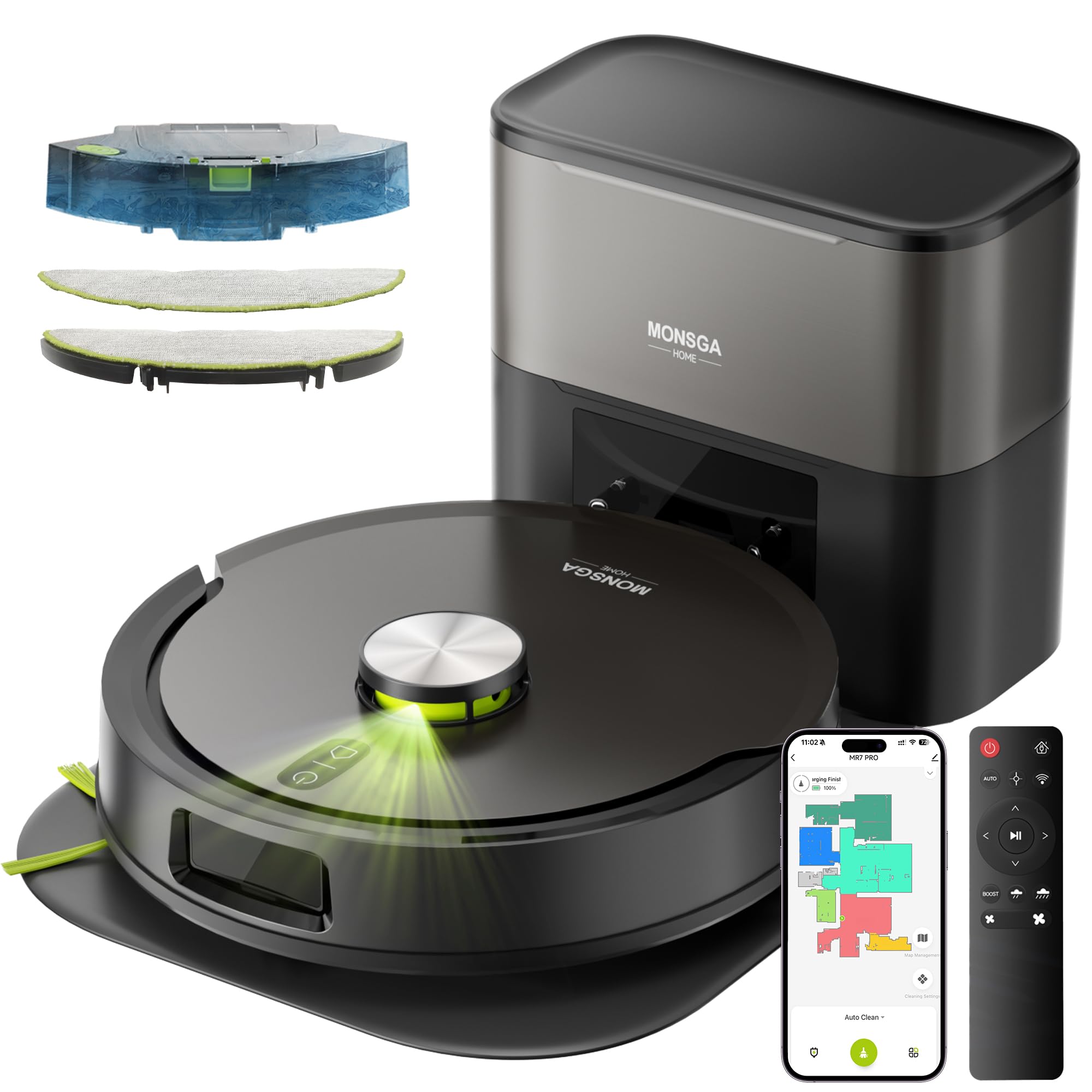
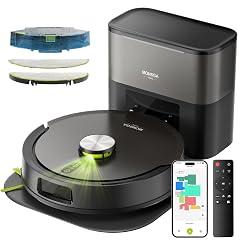
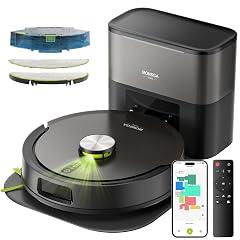
MONSGA Robot Vacuum and Mop Combo
Overview
This product is a round robot vacuum with a passive mop pad, a 460 ml combined dustbin and water tank, LiDAR navigation, Wi-Fi and Bluetooth connectivity, and a separate self-emptying station using a 4-liter disposable bag. Its documented battery specification is 14.4 V, 3,200 mAh lithium-ion, with a stated 4 to 5 hour charge time. The manufacturer says it can run for up to 160 minutes and store up to five maps. Independent hands-on testing supports that it picks up loose crumbs, dust, pet hair, and fine sand well on hard floors and short-pile carpet. The same testing found the fixed mop pad is only suitable for light follow-up wiping, rather than dried or adhered soil. No model-specific UL, ETL, CSA, ASTM, IEC, whole-system filtration, or laboratory cleaning report was located. The supplied instructions do document cleaning, charging, water-flow, and battery precautions.
What works
- Independent hands-on testing found reliable pickup of loose dry debris, pet hair, and fine sand on hard floors.
- The 4-liter self-emptying bag uses a pull-out sealing structure, and independent hands-on testing reported no visible dust cloud during bag changes.
- The manual provides practical maintenance steps for the brushes, filter, dustbin, bag, sensors, reservoir, and washable mop pad.
- The manufacturer provides a 24-month limited warranty for eligible direct-authorized-store purchases, excluding normal wear items.
What does not
- No exact-model safety listing or model-specific laboratory report was found in the searched UL, ETL, CSA, or performance-testing sources.
- Independent testing found that the passive mop spreads some soil and does not remove dried-on stains well, so its wet cleaning is limited.
- The HEPA label and allergen-containment language are not backed by a published whole-system filtration test, including dock emptying and bag changes.
- The product uses Smart Life or Tuya connectivity and stores home maps, but the brand privacy notice is a general website policy, not a product-specific map, app-data, security-update, or vulnerability policy.
- Disposable dust bags and filters create continuing waste, while published battery replacement parts and detailed recycling instructions were not located.
Who is it for
This product suits a household that mainly needs scheduled pickup of loose dry debris on sealed hard flooring, low-pile rugs, and pet-hair areas. It is particularly relevant for users who value a self-emptying bag and are prepared to wash and fully air-dry the mop pad after use. It also fits homes that can clear cables, lightweight objects, and other floor clutter before each run. The mopping function is best treated as light maintenance wiping, not deep floor washing.
Who is it not for
It is not suited to households expecting a robot to scrub dried spills, sticky residues, or heavily soiled kitchen floors. It also needs more caution in homes with loose charging cables, frequent floor clutter, unguarded drops, standing water, or unsealed and water-sensitive flooring. People with serious dust or allergy concerns should not assume the HEPA label proves whole-system containment, because no model-specific filtration test was located. Privacy-sensitive users who need clear map retention and security-update commitments should also seek more documentation.
Integrity
The instructions include useful baseline safeguards. They say to use the supplied dock, charge indoors, unplug before maintenance, avoid damaged or leaking batteries, avoid bleach and other chemicals, keep the unit away from standing water, and remove the battery before disposal. The laser sensor is identified in the manual as an IEC 60825-1 Class 1 laser product. Searches did not identify a product-specific CPSC recall or safety warning, but no exact-model UL, ETL, or CSA listing was found either. For hygiene, the mop pad is removable and washable, and the manual says to empty the reservoir and air-dry parts for 24 hours. The self-emptying station relies on a disposable 4-liter bag, so it reduces direct bin handling but adds consumable waste. The manual gives general recycling advice and says not to discard the product with household waste, but it does not provide detailed battery removal, battery recycling, or long-term replacement-parts guidance. The website's carbon-neutral statement is not accompanied by product-specific substantiation.

Roborock F25 RT Vacuum Mop Cleaner
Overview
This is a cordless upright wet-dry vacuum mop for indoor hard-floor cleaning. It vacuums liquid and dry debris while feeding water to a roller, then returns to a charging dock for self-cleaning and drying. Roborock specifies an 870 mL clean-water tank, a 720 mL dirty-water tank, 38 minutes of Eco runtime, and a supplied washable filter, floor solution, and maintenance brush. Those capacity and runtime figures are manufacturer-stated, not independently measured. One claim does have model-specific third-party support. SGS lists this product in a valid performance certificate covering roller hair entanglement and residual hair on the floor. Roborock also states that its hot-air outlet reaches 194°F and dries the roller in 30 minutes, but labels those hygiene figures as internal testing. No public ASTM or IEC wet-floor cleaning report, whole-system filtration test, or North American appliance safety listing was located.
What works
- SGS performance certification specifically includes this product and supports the anti-tangle roller claim.
- The removable tanks, roller, and washable filter are designed for direct rinsing and cleaning.
- The maintenance instructions call for emptying dirty water after self-cleaning and drying it, which directly addresses odor risk.
- Roborock states that the 870 mL clean tank can support up to 38 minutes of Eco cleaning, reducing refill interruptions in larger hard-floor areas.
What does not
- No public UL, ETL, or CSA listing for the complete appliance and dock was located, so electrical and charging safety cannot be independently confirmed.
- No independent ASTM or IEC test report was found for dry debris, spills, or adhered-soil removal on hard floors.
- There is no published whole-system fine-dust or allergen containment result, and no verified HEPA claim for this product.
- Roborock's own product page conflicts on battery capacity, listing 4,000 mAh in specifications but 2,500 mAh in its runtime FAQ.
- The manual requires prompt dirty-tank emptying, component drying, and use of recommended cleaner only. It specifically says not to add disinfectant.
Who is it for
It suits someone cleaning mostly sealed hard floors who wants one cordless tool for everyday crumbs, pet hair, tracked-in damp dirt, and kitchen spills. It is particularly relevant for a household that can empty the dirty-water tank after use and leave the unit docked for its cleaning and drying cycle. The large manufacturer-stated water tanks and 38-minute Eco runtime fit homes with several connected hard-floor rooms, provided the buyer treats the performance figures as manufacturer testing rather than independent results.
Who is it not for
It is not suited to households that need independently proven allergen containment, certified charging safety, or laboratory-verified floor-cleaning results. People with serious dust allergies should not infer HEPA-level exhaust performance from the washable filter alone. It is also a poor match for frequent carpet cleaning, unsealed or water-sensitive flooring, outdoor use, or users unable to empty dirty water and clean the roller and filter promptly. Do not use disinfectants in its tank, because the instructions warn against them.
Integrity
The strongest independently confirmed point is narrow but useful. SGS lists this product in a valid performance certification reporting no roller hair entanglement and no residual hair on the floor. Its hygiene design is otherwise supported mainly by manufacturer instructions and claims. Roborock specifies automatic self-cleaning and hot-air roller drying, while instructing users to empty the dirty tank promptly and dry the filter and removable parts thoroughly. The product has a built-in lithium-ion battery. The family instructions provide end-of-life battery-removal steps and direct disposal through a professional battery recycler, but the battery is not presented as a routine user-replaceable part. Washable filters and a removable roller reduce some disposable waste, though the roller is a scheduled wear item. No public UL, ETL, or CSA listing for the complete product and dock was located, and no product-specific CPSC recall was identified in the searches performed.
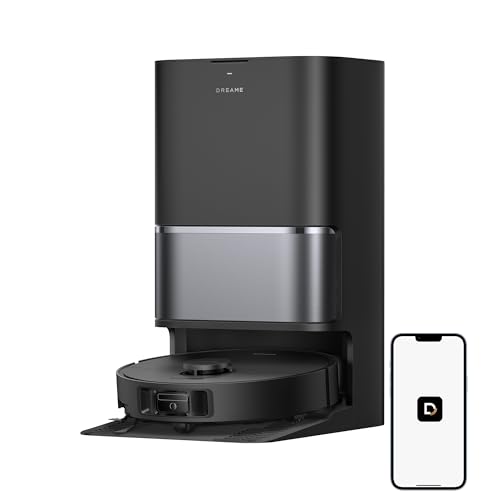
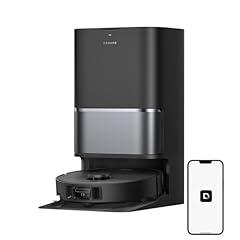
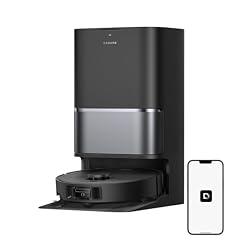
Dreame L40 Ultra Robot Vacuum and Mop
Overview
This product is a Wi-Fi connected robot vacuum and mop with a self-emptying, mop-washing dock. The robot measures 13.78 by 13.78 by 3.82 inches, while the dock is 17.99 by 13.39 by 23.23 inches. It uses a rubber main brush, two rotating mop pads, a 250 ml onboard dust box, and separate 4.5 L clean-water and 4.0 L used-water dock tanks. Dreame states that it has 25,000 Pa maximum suction, a 5,200 mAh battery, a 3.2 L disposable dust bag, hot-water mop washing, hot-air drying, and a 10.5 mm mop lift for carpets. Consumer Reports lists this exact product in its laboratory robot vacuum and mop test program, including bare-floor cleaning and mopping, but its detailed results are paywalled. No model-specific UL, ETL, or CSA appliance listing was located in the searched public registers.
What works
- Consumer Reports includes this exact product in an independent test program covering bare floors and mopping, although detailed results are not public.
- The official manual specifies routine cleaning of the used-water tank after every use, plus service intervals for filters, bags, brushes, and mop pads.
- Dreame maintains an official US accessory catalog with compatible mop pads, side brushes, dust bags, cleaning solution, and an optional solution dispenser.
- Manufacturer-stated dock functions wash and hot-air dry the mop pads, which can reduce the labor needed to keep wet components maintained.
What does not
- No exact-model UL, ETL, or CSA listing was found in the public certification registers searched, so complete appliance, charger, and battery fire-safety certification could not be independently confirmed.
- No published model-specific ASTM or IEC hard-floor report was located. The 25,000 Pa suction figure and claimed pickup percentages are manufacturer claims, not independently validated performance results.
- The robot lifts its pads but does not remove them. Thick carpet, absorbent rugs, and sensitive floor coverings still need careful app settings and supervision.
- The dock uses disposable dust bags, and the manual calls for regular replacement of bags, mop pads, filters, and brushes. The battery removal procedure and recycling pathway are not clearly published for this product.
- Dreame publishes a privacy policy, but a product-specific security update commitment and public vulnerability-disclosure process were not located.
Who is it for
It suits a household with mostly sealed hard floors, a few low-pile rugs, and enough space for a 23.23-inch-tall dock near a grounded outlet. It is most practical for people willing to refill clean water, empty used water after use, wash dock components, and replace bags and pads on schedule. The official parts catalog is useful for an owner planning routine maintenance. It also fits users comfortable connecting a mapping robot to the Dreamehome app and managing room and carpet settings.
Who is it not for
It is not appropriate for unsealed wood, unsealed stone, water-sensitive laminate, delicate rugs, or homes where unattended wet cleaning could cause damage. Buyers requiring independently confirmed electrical listing, HEPA-level whole-system filtration data, or published ASTM or IEC cleaning results should not treat the marketing specifications as proof. It is also a weaker fit for people unable to handle dirty-water tank maintenance, or for privacy-sensitive households that need a clearly documented product-specific security update and vulnerability-reporting program before connecting a home-mapping device.
Integrity
The most useful hygiene provisions are concrete maintenance instructions rather than health promises. The manual directs owners to empty and clean the used-water tank after each use, clean the dust-box filter every two weeks, and replace the dust bag every two to four months and mop pads every one to three months. This supports maintainability, but it also means hygiene depends on regular owner action. Dreame states that the dock washes mop pads with hot water and dries them with hot air. Those functions may help manage residual moisture, but no independent microbial, odor, or disinfection test was found. The product makes no verified disinfecting claim. It uses replaceable pads, bags, brushes, and filters that Dreame sells in its US catalog, yet the disposable bags and wear parts create ongoing material waste. No public exact-model electrical certification or battery end-of-life instructions were located, and no relevant CPSC recall was found in the searched records.