10 Best Self Tanning Lotion
Please note that we participate in affiliate marketing programs. When you purchase through links on our site, we may earn a commission. As an Amazon Associate we earn from qualifying purchases. This comes at no additional cost to you and helps support the resources required to provide valuable content.Advertising Disclosure
Top-rated Self Tanning Lotion Comparison
1
2
3
4
5
6
7
8
9
Self-tanning lotion: what to look for
Self-tanning lotions, creams, gels, and mousses add cosmetic color without requiring a UV tan. In the supplied products, the main sunless mechanism is dihydroxyacetone (DHA), sometimes combined with erythrulose. DHA reacts with amino acids in the outer skin surface to create a temporary tanned appearance. Some formulas also contain caramel, mica, iron oxides, or other colorants that provide immediate guide color; that instant bronze is not the same as the developed tan and does not provide sun protection.
Whether a product works in practice depends on more than the presence of DHA. Buyers should look for a complete ingredient list, clear application directions, realistic development and rinse timing, and instructions for dry areas such as knees, elbows, hands, ankles, and feet. A mitt or other applicator can help with even application, but claims such as “streak-free,” “natural-looking,” “long-lasting,” “no transfer,” or “works for all skin tones” are stronger when supported by controlled human-use testing. The most useful performance report would identify the exact formula, describe the protocol and skin-tone range, use objective color measurements such as CIE L*a*b* or Delta E, and report results for evenness, shade, transfer, and wear. Customer reviews and small brand-described user tests do not provide the same evidence.
A careful buyer should also distinguish transparency from verification. A full INCI ingredient list helps screen for fragrance, preservatives, essential oils, citrus materials, sulfites, nut-derived ingredients, and botanicals, but it does not prove that the formula is low-allergen or environmentally preferable. “Natural,” “organic ingredients,” “non-toxic,” “clean,” and “hypoallergenic” are not substitutes for formula-specific evidence. Organic, vegan, and cruelty-free claims are more credible when they match a current independent registry or certificate, such as the USDA Organic Integrity Database, Vegan Action directory, or Leaping Bunny/Cruelty Free International register. A logo alone is not enough; the certificate or registry should cover the relevant brand or product scope.
For a water-containing lotion, mousse, or gel, buyers should not assume that a sealed bottle proves quality. Stronger evidence would include recent finished-product microbiology, preservative-challenge, stability, contaminant, and lot-release records, ideally from an ISO/IEC 17025-accredited laboratory and traceable to the batch being sold. None of the supplied products had a public, lot-specific package of this kind. Similarly, “recyclable,” “biodegradable,” “plastic neutral,” and recycled-content claims need package-specific material details, recognized labeling, certification, or disposal instructions that make sense locally. A pump, cap, mitt, tube, and secondary packaging may not share the same end-of-life route.
The recurring safety issue is that a cosmetic tan is not sunscreen. Products without an appropriately labeled sunscreen should clearly say that they do not protect against sunburn, and buyers should continue using separate broad-spectrum sunscreen outdoors. Patch testing is especially important for reactive skin. Across the supplied reviews, many formulas contain fragrance, declared fragrance allergens, essential oils, citrus or botanical extracts, sulfites, preservatives, or nut-derived ingredients; several catalog “fragrance-free” or “unscented” descriptions conflict with disclosed formulas. Avoid applying these products to broken, sunburned, inflamed, or irritated skin, and keep DHA products away from eyes, lips, nose, mouth, and other mucous membranes. Spray or mist formats also require avoiding inhalation, although the supplied products are primarily hand-applied. People with prior self-tanner reactions, eczema flares, diagnosed fragrance or ingredient allergies, or relevant nut and sulfite sensitivities should check the actual package formula and seek individualized medical advice when needed.
Integrity
The scores below are comparative signals from the supplied reviews, not proof that any product is risk-free or independently certified. Higher scores indicate stronger disclosed evidence and clearer practice within this set; lower scores indicate more gaps, contradictions, or reliance on manufacturer claims.
HHealth & Safety
Skin irritation and allergy risk
This measures whether the disclosed formula avoids common irritants and contact allergens and gives buyers enough information to screen them. It matters because many supplied self-tanners contain fragrance, linalool, limonene, essential oils, citrus or botanical extracts, sulfites, or nut-derived ingredients. Scores ranged from 52 to 72: higher-scoring formulas were easier to screen or had fewer listed concerns, while lower-scoring formulas had more avoidable sensitization considerations or conflicting fragrance descriptions.
No false sun-protection message
This measures whether the product clearly says that cosmetic color does not protect against UV damage unless it is an appropriately labeled sunscreen. That distinction is central here because DHA and guide color can look like a tan while providing no sun protection. Scores ranged from 47 to 94: high scores reflected clear no-sunscreen or sunburn warnings and sunscreen directions; low scores reflected incomplete or hard-to-find warnings.
Safe-use instructions
This measures practical directions for patch testing, irritated or broken skin, eyes, lips, mucous membranes, transfer, and inhalation where the format creates that route. It matters because uneven application and accidental exposure are common concerns with leave-on tanning products. Scores ranged from 53 to 88: higher-scoring products supplied more complete warnings, while lower-scoring products omitted patch testing or specific damaged-skin and mucous-membrane guidance.
Contamination and shelf-life control
This measures evidence that a water-containing cosmetic is preserved, stable, and released without unsafe microbial contamination. It matters because a disclosed preservative list is not the same as finished-product microbiology or shelf-life evidence. Scores were tightly grouped from 68 to 72, but the reviews repeatedly found no public lot-specific microbiology, preservative-challenge, stability, or certificate-of-analysis records. A higher score therefore means relatively better available evidence, not verified safety.
EEcology
Lower-impact formula
This measures whether every intentionally added ingredient has credible evidence of lower aquatic and environmental hazard, rather than being described broadly as natural or clean. It matters because DHA, preservatives, fragrance materials, colorants, oils, and botanicals all form part of the environmental profile. Scores ranged from 68 to 72, with little separation: the supplied reviews generally found full or substantial ingredient disclosure but no EPA Safer Choice listing or complete aquatic-toxicity and biodegradation review.
Packaging waste and recyclability
This measures material reduction, recycled content, refill or reuse options, and disposal instructions for bottles, pumps, caps, mitts, wipes, and secondary packaging. It matters because a recyclable bottle does not establish that its pump or local waste system accepts it. Scores ranged from 68 to 76: the higher-scoring packaging had a manufacturer-stated recycled-content or recyclability claim, while most products lacked resin details, certification, refill options, or locally meaningful instructions.
EEvidence
Claims match the evidence
This measures whether claims such as natural, organic, non-toxic, streak-free, fast-developing, long-lasting, firming, or transfer-resistant are specific and supported. It matters because cosmetic color and customer satisfaction can be mistaken for verified performance or safety. Scores ranged from 51 to 76: higher scores reflected clearer qualifications or supporting testing, while lower scores often involved contradictory fragrance or organic descriptions and broad claims without product-specific substantiation.
Independent formula and batch testing
This measures whether an independent accredited laboratory verifies the marketed formula and current production batch for identity, contaminants, and microbiological quality. It matters because self-tanners are water-containing cosmetics and formulas or packaging may change. Scores ranged from 68 to 70, yet no supplied product had a publicly traceable current batch report covering the full requested evidence. The narrow range should not be read as proof that testing was available.
Verified tanning performance
This measures controlled human-use evidence for color development, shade, evenness, transfer, and wear, with the formula, protocol, skin-tone range, and objective measurements identified. It matters because DHA presence alone shows mechanism, not that a particular product will be even or long-lasting. Scores ranged from 70 to 83: the highest score reflected independent tester evidence of even, natural-looking color, while most other claims relied mainly on manufacturer materials or small user studies.
Real certifications, not logos alone
This measures whether cruelty-free, vegan, organic, safer-chemistry, and quality-system claims match a current independent registry or certificate with the right scope. It matters because brand-level approval may not verify a specific formula, batch, or packaging claim. Scores ranged from 68 to 82: higher-scoring products had claims supported by registries such as Leaping Bunny, PETA, or other listed verification, while lower-scoring products relied more heavily on manufacturer statements without a matching current product-specific record.
Full reviews

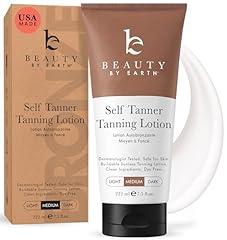
Beauty by Earth Self Tanner Lotion
Overview
This is a 7.5-fluid-ounce, leave-on body self-tanning lotion in the medium shade. The manufacturer directs users to exfoliate first, moisturize dry areas such as elbows and ankles, apply evenly, and allow the color to develop for about 6 to 8 hours. It is a lotion, not a spray, so ordinary use does not create the inhalation exposure associated with mist tanning. The published formula identifies dihydroxyacetone, or DHA, as the color-forming ingredient, alongside aloe juice, shea butter, coconut oil, glycerin, botanical extracts, and vanilla fruit extract. FDA guidance supports DHA for external skin application and explains that it darkens dead surface cells, but it does not provide sun protection. The brand reports dermatological and patch testing, yet no product-specific independent test report, batch certificate, or public microbiology report was located.
What works
- DHA in a hand-applied lotion is consistent with FDA-recognized external sunless-tanning use.
- The manufacturer publishes a detailed ingredient list rather than relying only on broad clean-beauty language.
- The formula is free of added synthetic fragrance according to the manufacturer, while still listing its scent-bearing vanilla extract.
- The brand gives practical development guidance, including avoiding water, sweat, and showering during the 6 to 8 hour development period.
What does not
- The botanical-rich formula includes vanilla, witch hazel, coconut, shea, and multiple plant extracts, which can be unsuitable for people with known sensitivities.
- A 2026 analysis of customer-review language found skin-reaction terms in 4.40% of reviews for this lotion. This does not establish causation, but it is a relevant tolerability signal.
- No current public certificate of analysis, preservative-challenge result, stability report, or accredited independent lab report was located for the sold formula or batch.
- Absolute marketing language such as zero streaks and zero orange is not well supported. The manufacturer itself says any self tanner can streak with incorrect application.
- The available product information does not clearly show the FDA-required no-sunscreen warning on the package label.
Who is it for
This product suits an adult who wants a gradual cosmetic bronze without UV exposure and prefers a hand-applied cream over an aerosol or spray. It is most practical for someone willing to prepare the skin, apply carefully around porous areas, and keep the skin dry while the formula develops. The 7.5-ounce size may also suit regular whole-body users, since the manufacturer estimates roughly 10 to 12 full-body applications. It is better matched to buyers without known sensitivity to the listed plant extracts or coconut-derived ingredients.
Who is it not for
People with fragrance, botanical, coconut, vanilla, witch hazel, or self-tanner sensitivities should use particular caution or select a simpler, demonstrably fragrance-free formula. It is not a sunscreen and is not suitable for anyone seeking UV protection, so sunscreen remains necessary for exposed skin outdoors. Avoid using it on or close to eyes, lips, nose, or other mucous membranes, consistent with FDA guidance for DHA. It is also a poor fit for users who need independently published batch testing, challenge testing, or controlled clinical performance data.
Integrity
The key health point is that DHA provides a cosmetic surface color without deliberate UV tanning. FDA guidance is clear that DHA products are for external application and should be kept away from eyes, lips, nose, mucous membranes, ingestion, and inhalation. This lotion format reduces inhalation concerns compared with a mist, but a patch test remains sensible because the disclosed formula contains many botanical ingredients and scent-bearing vanilla extract. The brand states that much of the formula uses certified-organic ingredients, that its self-tanner is vegan, and that it is cruelty-free. Historical Leaping Bunny materials list the brand, but a current product-specific registry record and independent certification scope were not located in this review. The brand also states that tubes use post-consumer recycled plastic and cartons are recyclable, but it does not provide package-specific resin details, recycled-content percentages, or local disposal instructions. No public, product-specific environmental hazard assessment or batch-quality report was located.

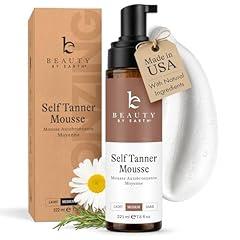
Self Tanner Mousse with Organic Ingredients
Overview
This is a 7.5-fluid-ounce pump mousse intended to create a medium-to-dark cosmetic tan without ultraviolet exposure. The manufacturer directs users to exfoliate first, pump it onto a mitt or brush, apply from the legs upward, wash hands if applying without a mitt, then wait at least one hour before showering, swimming, or exercising. It states that full color develops in 6 to 8 hours. The disclosed formula is water-based and uses dihydroxyacetone, or DHA, as the tanning ingredient, with glycerin, sodium hyaluronate, panthenol, surfactants, plant extracts, vanilla and orange essential oils, farnesol, linalool, and radish-root ferment filtrate. FDA confirms that DHA colors dead surface cells and is for external use. The brand's 24-hour patch-test advice and Leaping Bunny status are supported, while its clinical, performance, batch-testing, and packaging claims are not accompanied by public product-specific reports.
What works
- DHA provides a cosmetic tan without ultraviolet exposure, consistent with FDA's description of sunless tanners.
- The complete ingredient list is publicly disclosed by the manufacturer and independently echoed by a major retailer for the mousse range.
- The manufacturer gives practical application directions, including use with a mitt, hand washing, development time, and transfer precautions.
- Beauty by Earth is listed by Cruelty Free International as approved through the North American Leaping Bunny program.
What does not
- The formula contains vanilla and orange essential oils plus the declared fragrance allergens farnesol and linalool, so it does not minimize fragrance-sensitization concerns.
- The manufacturer recommends a patch test, but the product directions reviewed do not clearly address avoiding eyes, lips, mucous membranes, or broken and irritated skin.
- No public, lot-traceable certificate of analysis, accredited microbiology result, preservative challenge test, stability report, or finished-product contaminant test was located.
- Claims such as dermatologist-tested, clinically tested, streak-free, minimal transfer, and recyclable or post-consumer-recycled packaging lack public product-specific substantiation.
Who is it for
This format suits an adult body-self-tanner user who wants a clear, water-based mousse rather than an instant bronzer, and is comfortable with preparation and careful application using a mitt. It is particularly relevant for someone seeking DHA-based color without deliberate UV tanning, who can wait through the stated 6 to 8 hour development period and can avoid swimming, exercise, and showering during the initial development window. A patch test is sensible before full-body use, especially for first-time users.
Who is it not for
This product is not well suited to people with known fragrance allergy, allergic contact dermatitis, highly reactive eczema, or prior reactions to essential oils, linalool, farnesol, or botanical-heavy cosmetics. It is also a poor fit for use on irritated, damaged, freshly shaved, or inflamed skin, or near the eyes, lips, nose, and other mucous membranes. People who need independently published batch microbiology, contaminant, stability, or clinical performance evidence should use a product with those records available.
Integrity
DHA is the color-producing ingredient, and FDA describes its accepted cosmetic role as external application that darkens dead surface cells. A cosmetic tan is not sun protection. The same mousse range is presented with a sunscreen warning by a major retailer, and sunscreen remains necessary for sun exposure. The manufacturer also recommends a 24-hour patch test. This matters because the disclosed formula contains orange and vanilla essential oils, farnesol, and linalool alongside numerous botanical extracts. The brand's Leaping Bunny status is independently confirmed for the United States and Canada. The formula is fully listed, which is useful for ingredient screening, but plant-derived, natural, organic, and non-toxic language does not itself establish lower aquatic hazard or lower allergy risk. The brand makes general packaging claims about post-consumer-recycled plastic and recyclable materials, yet no product-specific material specification, recycled-content certificate, refill option, or locally qualified disposal instruction was located. No public batch-specific testing records were found for this mousse.

Coco & Eve Sunny Honey Bali Bronzing Kit
Overview
This is a 6.7 fluid ounce medium-shade, water-based self-tanning mousse sold with an application mitt. It uses dihydroxyacetone and erythrulose to create surface color, plus temporary guide colorants. FDA confirms that dihydroxyacetone reacts with amino acids in the outer skin to darken its appearance, rather than producing a UV tan. The manufacturer directs users to apply it to clean, dry skin with the mitt, allow at least two hours of development, then rinse the guide color. Its own directions also say to repeat every five to seven days as needed. The current label disclosed by a major retailer includes the required statement that the product has no sunscreen and does not protect against sunburn. The formula is fragranced and contains sodium metabisulfite, preservatives, fruit and botanical extracts, and three synthetic colorants. No public, product-specific independent batch test or controlled human performance report was located.
What works
- The disclosed label carries the required no-sunscreen and no-sunburn-protection warning.
- Dihydroxyacetone is an FDA-permitted external-use color additive for sunless tanning.
- A mitt is included for hands-off, more controlled application.
- The product has explicit directions not to apply on sore, broken, irritated, or sensitive skin.
- The manufacturer discloses a full ingredient list and storage direction to keep it below 30 C.
What does not
- Fragrance, multiple botanical extracts, propylene glycol, and sodium metabisulfite raise avoidable irritation or allergy considerations for sensitized users.
- The directions do not clearly instruct a patch test or specifically warn against lips, nose, and other mucous membranes.
- No public, lot-traceable accredited laboratory report was found for microbiological quality, contaminants, formula identity, or active content.
- No controlled, product-specific human study was found to substantiate streak-free application, wear time, transfer resistance, or natural-looking color across skin tones.
- Vegan and cruelty-free are manufacturer claims, but no current independent certification registry entry was located for this product or brand claim.
Who is it for
This product suits an adult who wants temporary, UV-free body color in a medium shade and is comfortable following a multi-step self-tan routine. The mousse and included mitt are useful for someone able to exfoliate beforehand, apply carefully to dry skin, wait at least two hours, and rinse. It is better aligned with users who can tolerate fragranced body products and who will separately use a broad-spectrum sunscreen outdoors, since this formula does not provide UV protection.
Who is it not for
It is not a strong fit for people with fragrance allergy, sulfite sensitivity, recurrent contact dermatitis, eczema flares, or known reactions to botanical body products. Those users should seek a fragrance-free formula with fewer sensitizing ingredients and a clear patch-test protocol. It also does not suit anyone seeking sunscreen, fast wash-and-go color, or independently verified batch quality and performance data. Keep it away from children, do not use it on compromised skin, and avoid eyes, lips, nose, and mucous membranes.
Integrity
The core tanning mechanism is clear. The formula contains dihydroxyacetone and erythrulose, and FDA confirms that dihydroxyacetone produces a surface-color reaction. The retailer-disclosed precautions appropriately state that it is for external use, should not be used on sore, broken, irritated, or sensitive skin, and does not protect against sunburn. Fragrance and sodium metabisulfite are important ingredients for allergy-prone users to note. FDA also explains that terms such as hypoallergenic do not have a federal definition. The manufacturer calls the formula vegan, cruelty-free, paraben-free, silicone-free, and naturally derived in part, but independent registry confirmation for these claims was not located. There is also no public product-specific preservative-challenge, stability, microbiology, or current batch certificate. The foam is supplied in a pump bottle with a reusable mitt, but no verified recycled-content, refill, material specification, or package-specific disposal guidance was found. No relevant FDA recall or cosmetic warning letter was identified in the verification search.

Nu Skin Sunright Insta Glow Self Tanner
Overview
This is a 125 mL, 4.2 fl oz tinted gel for face and body. It is applied to dry, exfoliated skin, kept away from eyebrows, hairline, and delicate eye areas, then allowed to dry before dressing. The formula uses caramel, mica, titanium dioxide, and iron oxides for immediate bronzing, while dihydroxyacetone, or DHA, develops a longer-lasting surface color. Nu Skin publishes a full ingredient list and confirms DHA is present, but does not publish its concentration. FDA recognizes externally applied DHA as a permitted color additive for sunless tanning. The manufacturer says visible color develops within 30 minutes and the gel dries within minutes, but no product-specific independent human-use, colorimetry, batch microbiology, or contaminant report was located. California sales carry a Proposition 65 warning for furfuryl alcohol exposure.
What works
- The disclosed formula is fragrance-free, with no parfum or essential-oil fragrance listed.
- The manufacturer provides practical application directions, including avoiding delicate eye areas, washing hands, and drying before dressing.
- DHA is disclosed in the formula, and its external skin-coloring mechanism is recognized by FDA.
- The manufacturer explicitly advises using sunscreen when outdoors after the product has dried.
What does not
- The California Proposition 65 warning identifies potential exposure to furfuryl alcohol, a chemical listed by California as causing cancer.
- The United States directions do not explicitly call for a patch test or advise against use on broken or irritated skin.
- No public, product-specific accredited laboratory report was found for current batch microbiology, stability, DHA content, or contaminants.
- Fast-drying, streak-free, natural-looking, and 30-minute performance claims are manufacturer claims, not supported by a public controlled study of this product.
- No package-specific recycled-content, refill, recyclability, or disposal documentation was found.
Who is it for
This product suits an adult who wants a face-and-body cosmetic bronzing gel rather than UV tanning, and who is comfortable following application steps carefully. It offers an immediate tinted effect plus DHA-based development, so it can fit someone seeking adjustable cosmetic color without a spray or aerosol exposure route. It is also a practical format for users who prefer an ingredient list without added fragrance. Outdoor users still need to apply a separate sunscreen after the gel dries.
Who is it not for
It is not well suited to people with a history of reactions to self-tanners, alcohol-containing leave-on products, phenoxyethanol, avocado, or cosmetic colorants, especially because the United States directions do not explicitly require patch testing. Avoid use on compromised or actively irritated skin and keep it away from eyes, lips, nose, and other mucous membranes. It is also unsuitable for anyone seeking a product with public lot-specific testing, verified environmental credentials, refill packaging, or independently demonstrated streak resistance and wear time.
Integrity
The formula is a non-aerosol topical gel with DHA, an FDA-permitted color additive for external skin coloring. It does not claim SPF, and Nu Skin’s FAQ tells users to apply sunscreen for outdoor exposure. That is important because a cosmetic DHA tan is not sun protection. The ingredient list has no added fragrance, which removes a common fragrance-allergy concern, though it contains SD Alcohol 40-B, phenoxyethanol, pigments, and avocado oil that may not suit every sensitive user. A notable safety disclosure is Nu Skin’s California Proposition 65 warning for this product. It states that the product can expose users to furfuryl alcohol, which California lists as causing cancer. No active recall or product-specific FDA regulatory action was found in the reviewed sources. Nu Skin discloses ingredients, but no public batch testing, preservation challenge data, environmental ingredient assessment, recycled-content claim, or package disposal guidance was located. No current third-party product certification was substantiated.

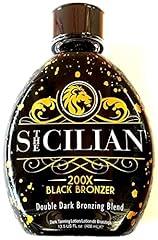
The Sicilian 200X Dark Black Bronzer Tanning Lotion
Overview
This is a 13.5-fluid-ounce body bronzing lotion marketed for sunless color and for use around UV tanning. The manufacturer identifies dihydroxyacetone, or DHA, near the start of its disclosed ingredient list, alongside cosmetic colorants, melanin, and tyrosine derivatives. DHA is an FDA-permitted external skin color additive that darkens the outer skin surface, but it is not sunscreen. The formula is fragranced, listed as Berry Noir, and contains glycerin, silicone ingredients, walnut, macadamia, and pecan oils, plus panthenol. The manufacturer states that it gives immediate and delayed bronzing and conditions skin. Its “200x” name is marketing language, not a disclosed DHA concentration or independently verified performance measure. No public product-specific clinical test, colorimetry study, batch certificate, or preservative-challenge report was located.
What works
- The manufacturer publishes a detailed ingredient list, including DHA, colorants, fragrance components, oils, and preservatives.
- DHA is a recognized topical skin-coloring ingredient for sunless tanners when kept away from eyes, lips, and mucous membranes.
- The lotion format avoids the inhalation route associated with spray and mist tanning applications.
- The manufacturer-stated conditioning base includes glycerin, panthenol, and several emollient oils.
What does not
- The formula contains fragrance plus multiple declared fragrance allergens, including limonene, linalool, citronellol, coumarin, and hydroxycitronellal, which raises avoidable contact-allergy concerns for sensitive users.
- It also lists butylphenyl methylpropional, a fragrance ingredient with significant safety concerns in some regulatory markets.
- The public product page does not provide patch-test directions, eye and lip avoidance directions, or a visible non-sunscreen warning for this tanning product.
- The claims for a melanin booster, faster tanning, collagen stimulation, and unusually high DHA are not supported by product-specific independent evidence.
- No public lot-specific microbiology, stability, contaminant, or independent formula verification was found.
Who is it for
This product suits an adult body-tanner user who specifically wants a large, fragranced lotion that contains DHA and cosmetic bronzing color, rather than a spray or a minimal-ingredient formula. It is most relevant for someone using it as a topical sunless color cosmetic who can apply it carefully to intact body skin, avoid the eye and lip area, and use a separate broad-spectrum sunscreen before sun exposure. The disclosed emollient-heavy base may also appeal to users who prefer a richer lotion texture over a quick-drying mousse.
Who is it not for
It is not well suited to people with fragrance allergy, prior cosmetic contact dermatitis, very reactive skin, or sensitivity to fragrance terpenes. People with known walnut, macadamia, or pecan allergy should discuss topical exposure with an allergy clinician before use because these oils are listed in the formula. It is also inappropriate for use on broken, irritated, or sunburned skin, near eyes, lips, or mucous membranes. Anyone seeking UV protection, or intending to use it to make indoor or outdoor tanning safer, needs a separately labeled sunscreen and should avoid UV tanning exposure.
Integrity
The useful safety fact is that this product contains DHA, which FDA permits for external skin coloring. DHA-containing lotion should still be kept out of the eyes, nose, mouth, lips, and other mucous membranes. The formula is not fragrance-free. It includes parfum and several fragrance allergens, plus butylphenyl methylpropional, so a cautious patch test is particularly relevant for people with a history of reactions to scented personal-care products. The manufacturer provides a full ingredient list, which is more informative than vague clean-beauty language. However, no EPA Safer Choice certification, third-party environmental ingredient assessment, recycled-content verification, refill program, packaging-material specification, or locally specific disposal instruction was publicly substantiated. The water-containing lotion uses phenoxyethanol and ethylhexylglycerin, but public preservative-challenge, shelf-life, and batch microbiology records were not located.

Self Tanning Bundle Kit
Overview
This is a 7.5-fluid-ounce body self-tanning lotion sold with an applicator mitt, in a Medium to Dark option. It is a leave-on DHA lotion intended to be spread over clean, dry body skin, then allowed to develop before water or sweating. Beauty by Earth states that color develops in 6 to 8 hours and may last 5 to 6 days with care. The manufacturer publishes a full ingredient list, led by water, aloe juice, shea butter, DHA, fatty alcohols, coconut oil and glycerin. It also lists botanical extracts, vanilla fruit extract, ethylhexylglycerin and potassium sorbate. DHA is an FDA-permitted color additive for external skin application and produces color by reacting with dead surface skin cells. No public, product-specific independent clinical performance report, batch certificate, preservative-challenge result, or microbiology result was located.
What works
- The full formula is published by the manufacturer, rather than relying only on broad clean-ingredient claims.
- DHA provides a non-UV cosmetic color mechanism for external skin use, consistent with FDA sunless-tanner guidance.
- The brand is currently listed by Cruelty Free International as a certified cruelty-free company.
- Directions address exfoliation, mitt application, drying time, water and sweat avoidance, hand washing, patch testing and possible fabric transfer.
What does not
- The formula contains several botanical ingredients and vanilla fruit extract, so it is not a minimal-allergen option for people with fragrance, plant-extract, coconut, aloe, witch hazel or preservative sensitivities.
- The available instructions do not clearly consolidate all FDA-relevant cautions for keeping DHA away from eyes, lips, nose and other mucous membranes.
- The 6 to 8 hour development, streak-free, no-orange and wear-time claims were not supported by a public independent human-use study with objective color measurements.
- No public lot-specific certificate of analysis, accredited microbiology result, stability study or preservative-challenge report was found for this water-based lotion.
- Organic, dermatologist-tested, sensitive-skin and biodegradable statements are manufacturer claims without a product-specific public certificate or test report located.
Who is it for
This product suits an adult who wants a body lotion format rather than a spray, wants cosmetic color without UV tanning, and is comfortable applying a clear or lightly tinted product carefully with a mitt. It is particularly practical for someone able to exfoliate first, let the lotion dry before dressing, avoid water and sweating during the stated 6 to 8 hour development period, and use darker clothing or sheets on the first application. The 7.5-ounce size and included mitt fit occasional or regular whole-body use.
Who is it not for
It is not well suited to people with a history of allergic contact dermatitis or known sensitivity to vanilla, coconut, aloe, witch hazel, botanical extracts, ethylhexylglycerin or potassium sorbate. It is also a poor fit for anyone seeking fragrance-free, plant-minimal, independently batch-tested cosmetics. Do not rely on it for sun protection, and avoid using it on eyes, lips, inside the nose, other mucous membranes, or broken and actively irritated skin. People who cannot avoid fabric transfer while color develops may prefer another format or timing.
Integrity
The product uses DHA for an external, non-UV cosmetic tan. FDA guidance says DHA should not be inhaled, swallowed, or applied to the eye area, lips, nose or other mucous membranes. The manufacturer recommends a 24-hour patch test and gives practical instructions for drying, avoiding water and reducing transfer, but its warnings are less complete than a single, explicit FDA-style exclusion list. The listed formula avoids added artificial colorants and synthetic fragrance according to the manufacturer, yet vanilla and multiple botanical ingredients still matter for allergy-prone users. Cruelty-free status is supported by Cruelty Free International's current company listing. The manufacturer identifies many ingredients as certified organic, but a product-specific organic certificate or certifier was not publicly located. The full ingredient list is available, which improves transparency. However, no public evidence was found for finished-product biodegradation or aquatic-toxicity testing, recycled-content verification, refill availability, package-specific recycling instructions, or lot-level microbiology and stability testing. No product-specific FDA recall or warning letter was located in the searches reviewed.

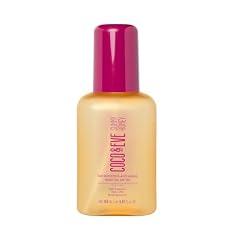
Coco & Eve Sunny Honey Self Tanner Mousse
Overview
This is a 6.7-fluid-ounce pump mousse for body self-tanning in the Medium shade. It is applied to clean, dry skin with a tanning mitt, used lightly on dry areas, then rinsed after at least two hours or left longer for deeper color. The verified retailer label identifies dihydroxyacetone and erythrulose as the tanning agents, alongside a temporary color guide. The manufacturer positions Medium for fair to light skin. Its product page says color develops in as little as six hours, while its directions and a retailer label state a two-hour minimum development period. The product has been included in Consumer Reports hands-on testing, but I did not find a public, formula-specific clinical report with instrument color measurements, lot testing, or a published wear protocol.
What works
- The verified label provides the required warning that it is not sunscreen and does not protect against sunburn.
- Verified directions address broken, irritated, and sensitive skin, eye contact, fabric transfer, storage temperature, stopping use for redness or itching, and keeping the product away from children.
- The formula discloses both dihydroxyacetone and erythrulose, established surface-coloring self-tanner ingredients.
- An independent consumer-testing organization included this specific mousse in hands-on testing across three testers with different skin tones and undertones.
What does not
- Fragrance and sodium metabisulfite are disclosed. Both can matter for people with fragrance allergy or sulfite sensitivity, and the product does not provide individualized allergen guidance.
- The brand's six-hour development claim conflicts with its separate two-hour minimum directions. That makes the timing promise poorly qualified.
- No public, current batch certificate, preservative-challenge result, stability report, or independent microbiology report was found for this water-based formula.
- Vegan and cruelty-free are manufacturer claims, but I could not match this product to a current public certification entry from Leaping Bunny or Certified Vegan.
Who is it for
This product suits an adult who wants a rinse-off body self-tan mousse, prefers a Medium shade intended by the manufacturer for fair to light skin, and is willing to do preparation and application carefully. The directions call for exfoliating in advance, applying on clean dry skin with a mitt, using less on hands and joints, and avoiding water and sweat during development. It is better suited to someone comfortable treating self-tanning as a multi-step cosmetic routine than to someone seeking instant, no-prep color.
Who is it not for
Choose something else if you have known fragrance allergy, sulfite sensitivity, active eczema, unexplained contact dermatitis, or sore, broken, irritated, or very sensitive skin. The label specifically says not to apply it to compromised skin and to stop if redness or itching occurs. It is also not appropriate for someone who expects sun protection, because it does not contain sunscreen. Households needing traceable batch microbiology, independent formula testing, or verified vegan and cruelty-free certification will not find that public evidence here.
Integrity
The current retailer ingredient list discloses the entire formula, including dihydroxyacetone and erythrulose for surface tanning. The same label gives a clear no-sunscreen warning and practical precautions for eyes, broken or irritated skin, children, fabrics, storage, and stopping use after irritation. These are meaningful safeguards for a non-aerosol foam, though a patch-test instruction is not provided. Fragrance and sodium metabisulfite are notable for allergy-prone users. The manufacturer markets the product as vegan, cruelty-free, paraben-free, silicone-free, and gluten-free, but public certification registry confirmation for this specific product was not located. The brand discusses recycled and recyclable packaging for some other products, but I found no package-specific material, recycled-content, refill, or disposal documentation for this foam pump. No public lot-level microbiology, preservative efficacy, stability, or contaminant report was found.

St. Tropez Self Tan Express Mousse
Overview
This is a 200 mL, 6.7 fl oz rinse-off body self-tanning mousse. It is applied with a tanning mitt, then showered off after one, two, or three hours for a manufacturer-stated light, medium, or dark result. The brand says color continues developing for about eight hours. The formula is a DHA self-tanner with caramel and colorants that provide a bronzing guide. DHA's surface-skin coloring mechanism is independently supported by FDA guidance, but no public, product-specific controlled colorimetry or wear study was located. The current US retail precautions include a patch test, avoidance of sensitive, broken, or irritated skin, eyes and lips, staining precautions, storage guidance, and the required warning that it is not sunscreen.
What works
- The current directions give practical timing options for a lighter through darker result, although the shade outcome is manufacturer-stated.
- The retail label includes a patch-test instruction and clear cautions for eyes, lips, damaged skin, transfer, and storage.
- It carries the required US warning that it does not provide sunscreen protection.
- The brand and a major US retailer disclose a detailed ingredient list, including the DHA tanning mechanism.
What does not
- Fragrance, several declared fragrance allergens, and sodium metabisulfite create a meaningful contact-sensitization concern for fragrance-allergic or highly reactive skin.
- No current public batch certificate, accredited microbiology result, preservative-challenge result, or stability report was located for this formula.
- No independent controlled human study was located to substantiate the specific one to three hour shade, streak-free, all-week, or transfer-performance claims.
- The pump-removal recycling instruction lacks verified resin identification, recycled-content data, and locally specific disposal guidance.
Who is it for
This product suits an adult body self-tanner user who wants a tinted mousse and prefers to rinse it after a chosen one, two, or three hour contact time rather than leave a formula on overnight. It is most practical for someone willing to prep dry areas, apply with a mitt, patch test in advance, and avoid water or clothing transfer while the product is on. It also suits users who understand that the resulting cosmetic color is not sun protection and will use separate sunscreen outdoors.
Who is it not for
It is not well suited to people with fragrance allergy, sulfite sensitivity, prior reactions to self-tanners, or very reactive skin, because the disclosed formula contains fragrance, named fragrance allergens, and sodium metabisulfite. Avoid it on broken, irritated, or recently shaved skin, and do not use it near eyes, lips, or mucous membranes. It is also a poor fit for buyers who need independently verified wear, shade-evenness, contamination, or batch-quality testing, since those product-specific records were not publicly available.
Integrity
The key health positive is responsible sun-exposure messaging. The US retail listing supplies the required warning that the product has no sunscreen and does not prevent sunburn. Its DHA mechanism is appropriate for externally applied body self-tanning, but FDA guidance still supports keeping DHA away from eyes, lips, mucous membranes, and inhalation routes. The listed patch test and damaged-skin precautions are therefore useful. The formula is not low-allergen. It contains fragrance, multiple individually declared fragrance allergens, and sodium metabisulfite. The brand calls the formula vegan-friendly, but no current product-specific independent vegan or cruelty-free certification record was located in the reviewed certifier materials. The manufacturer says to remove the pump before recycling, yet it does not provide package-specific recycled-content, material, or local recycling details. No public lot-specific microbiology, stability, or independent contaminant report was located.

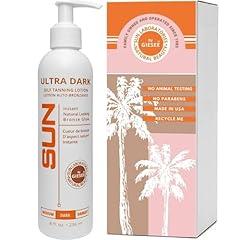
Sun Laboratories Ultra Dark Sunless Tanning Lotion
Overview
This is an 8-ounce, hand-applied self-tanning lotion intended to give an immediate tinted bronze and a darker cosmetic tan as dihydroxyacetone develops. A retailer listing tied to the matching product size and UPC discloses DHA, glycerin, emollients, alcohol denat., fragrance, phenoxyethanol, caramel, and blue and yellow colorants. Directions call for applying to clean, dry skin, blending sparingly at elbows, knees, hands, and feet, then allowing development time. DHA is a recognized external-use skin color additive that reacts with amino acids in the outer skin layer, according to FDA guidance. The manufacturer and retailers describe instant color and several days of wear, but no independent controlled wear, transfer, or evenness study for this specific product was located. Publicly available ingredient lists for similarly named versions conflict, so the package label remains the most reliable source for the formula in hand.
What works
- Uses DHA, an FDA-described external-use ingredient that colors the skin surface without UV exposure.
- The disclosed lotion format permits gradual, hand-controlled application rather than aerosol exposure.
- A tinted guide color is manufacturer-stated, which can help users see where lotion has been placed.
- Glycerin and several emollient ingredients are disclosed in the independent retailer's 8-ounce formula listing.
What does not
- The disclosed formula contains fragrance, a meaningful concern for people with fragrance allergy or reactive skin.
- The public directions found do not clearly address avoiding eyes, lips, mucous membranes, broken skin, or a patch test.
- No public, lot-specific certificate of analysis, preservative-challenge result, stability report, or independent microbiology result was found.
- No independent human-use test was located to substantiate the claimed shade depth, streak resistance, transfer resistance, or wear time.
- The listing's organic and low-chemical positioning is not backed by a traceable organic or safer-chemistry certification, and formula disclosures vary across sellers.
Who is it for
This product suits an experienced self-tanner seeking a dark, cosmetic body color in a standard 8-ounce lotion, especially someone who prefers to control coverage by hand and can spend time exfoliating and blending dry areas. It is most appropriate for users comfortable with fragranced leave-on cosmetics and willing to treat the immediate tint as a placement guide rather than proof of the final developed shade. The formula's disclosed DHA mechanism makes it relevant for people avoiding intentional UV tanning exposure.
Who is it not for
It is not well suited to people with fragrance allergy, active eczema, highly reactive skin, or a known sensitivity to any listed preservative, colorant, or botanical ingredient shown on their package. It is also a poor fit for anyone expecting sun protection, because a cosmetic DHA tan is not sunscreen protection. Users who need documented patch-test guidance, explicit eye and mucous-membrane precautions, fragrance-free ingredients, verified batch testing, or independently measured wear and transfer results should select a product with that evidence available.
Integrity
The key health point is that this is a DHA self-tanner, not a sunscreen. FDA states that DHA is permitted for external skin application and that sunless tanners without sunscreen do not protect against sunburn. The product should therefore be kept away from eyes, lips, and mucous membranes, and sunscreen remains necessary outdoors. The independently listed 8-ounce formula includes fragrance, alcohol denat., phenoxyethanol, and colorants. Fragrance is a common contact-allergy concern, so sensitive users should not rely on broad claims that it is gentle for all skin types. No active FDA recall, warning letter, or product-specific regulatory action was located in the sources reviewed. No public accredited laboratory report, batch certificate, microbiological release test, or stability study was found. Packaging material, recycled content, refill options, disposal guidance, and formula-specific aquatic-toxicity or biodegradation evidence were also not publicly substantiated. No current product-specific certification could be matched to an issuing organization's registry.

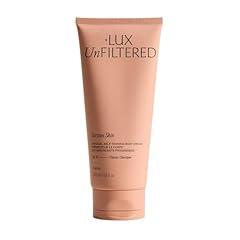
Lux Unfiltered N°32 Gradual Self Tanning Cream
Overview
This is a 6.8-fluid-ounce gradual self-tanning body cream in the Santal fragrance. It is intended to be smoothed over the body with bare hands, allowed to dry before dressing, and kept away from water for about eight hours while color develops. The manufacturer says color builds with repeated use and reaches its peak after six to eight hours. The manufacturer publishes a complete Santal ingredient list that places dihydroxyacetone near the top, alongside emollients including sweet almond oil, avocado oil, cocoa butter, shea butter, and squalane. FDA guidance supports DHA as the standard sunless-tanning mechanism that colors dead surface skin cells. The published formula is fragranced and specifically discloses alpha-isomethyl ionone, benzyl salicylate, eugenol, and hexyl cinnamal. No public, product-specific independent batch certificate, preservative-challenge report, or controlled performance study was located.
What works
- Uses DHA, the FDA-described mechanism for a sunless surface tan.
- The manufacturer provides a full ingredient list, including the named fragrance allergens rather than fragrance alone.
- The directions are practical for a lotion format, including even hand application, hand washing, drying time, and an eight-hour water-avoidance period.
- The formula contains several emollient ingredients, including shea butter, cocoa butter, avocado oil, and squalane.
What does not
- This fragranced formula contains several recognized cosmetic fragrance allergens, including benzyl salicylate, eugenol, and hexyl cinnamal. That is a real concern for people with fragrance allergy or prior contact dermatitis.
- The online directions do not provide a product-specific patch-test instruction or clear guidance for irritated or broken skin, eyes, lips, nose, or other mucous membranes.
- The tanning product page does not display the FDA-required no-sunscreen warning statement, although the physical package label could not be independently inspected.
- Claims such as non-toxic, flawless, streak-free, and natural-looking are not accompanied by a public controlled study or independent test report for this product.
Who is it for
This product suits an adult who wants a gradual body-only cosmetic tan rather than an immediate dark result, and is comfortable applying lotion with bare hands. It is most relevant for someone who can let it dry before dressing and avoid showering, swimming, or heavy water exposure for roughly eight hours. The 6.8-fluid-ounce format and $38 listed price fit a buyer seeking a fragranced tanning body cream with added emollients, rather than a fragrance-free or independently tested formula.
Who is it not for
This product is not a strong fit for anyone with fragrance allergy, eczema with fragrance sensitivity, or a history of allergic contact dermatitis. Its ingredient list includes parfum plus several disclosed fragrance allergens. It also does not suit users seeking a face product, because the manufacturer advises against facial use. Choose another format for use on broken or irritated skin, near eyes, lips, nose, or mucous membranes, or where a patch-test protocol, public batch testing, and clearly displayed UV-warning information are essential.
Integrity
The main health consideration is fragrance exposure. The published Santal formula contains parfum, alpha-isomethyl ionone, benzyl salicylate, eugenol, and hexyl cinnamal. FDA identifies benzyl salicylate, eugenol, and hexyl cinnamal as cosmetic fragrance allergens. DHA is appropriate for external skin coloring, but FDA advises avoiding contact with eyes, lips, nose, and other mucous membranes, and says sunless tanners generally do not replace sunscreen. The brand states that the product is vegan and cruelty-free, but the product page does not show a certification number or third-party certificate. The full ingredient list is useful disclosure, yet no EPA Safer Choice certification, ingredient-level aquatic testing, recycled-content verification, refill system, or package-specific disposal instructions were located. No public FDA recall or warning letter naming this product or brand was located in the checked FDA sources.