
10 Best Sea Moss Gel
 Lauren Wilson
Please note that we participate in affiliate marketing programs. When you purchase through links on our site, we may earn a commission. As an Amazon Associate we earn from qualifying purchases. This comes at no additional cost to you and helps support the resources required to provide valuable content.Advertising Disclosure
Top-rated Sea Moss Gel Comparison
1

2
4
5
6
7
8
9
Overview
Sea-moss gel is a ready-to-eat seaweed product, usually sold in a jar and eaten by spoon or mixed into smoothies, drinks, and foods. Some products are flavored with fruit; others include botanicals, sweeteners, acids, or vitamins. The format itself does not establish a nutritional or health benefit. Whether a product is a sensible choice depends on its labeled serving, ingredient clarity, iodine information, contaminant testing, and controls for a perishable wet food.
Start with the label. A useful product identifies the seaweed species, the amount of sea moss per serving, every added fruit, sweetener, botanical, preservative, and major allergen, and gives a clear serving limit. “92 minerals,” “16-in-1,” or similar headline figures can be misleading when individual amounts are not shown. A product can also be called vegan while listing honey, or have different ingredient descriptions across its own pages and retail listings.
Iodine deserves particular attention. Seaweed iodine varies substantially by species, harvest conditions, and processing. A substantiated product should quantify iodine per serving using a finished-lot result, not merely list iodine or claim thyroid support. The adult recommended intake is 150 micrograms per day and the adult upper limit is 1,100 micrograms per day. Those figures do not prove that any particular gel is safe; they show why an unquantified serving is a poor way to manage iodine intake. Claims about energy, detoxification, immunity, digestion, skin, hair, metabolism, or thyroid function should also be treated cautiously unless they are narrow, qualified, and supported by human evidence for the actual gel and serving.
Wet gel requires more than a general “lab tested” statement. Look for current, finished-lot results with a matching lot code, numerical results for lead, cadmium, mercury, arsenic, and relevant marine contaminants, plus iodine and microbiology. The laboratory should be identifiable and its ISO/IEC 17025 accreditation scope should be checkable through an accreditation directory such as A2LA or ANAB. For a ready-to-eat gel, buyers should also expect refrigeration instructions, a defensible opened-jar life, pH or process controls, and evidence that time and temperature were managed during storage and shipping.
Independent verification is stronger when it covers the exact product and lot, rather than only a facility or ingredient supplier. Relevant registries include USP, NSF Certified Dietary Supplements, ConsumerLab, and other certification issuer databases where applicable. For responsible sourcing, a meaningful claim should identify the species, farm or harvest area, and chain of custody, with an independently auditable record such as an ASC-MSC seaweed certificate or a product-specific organic certificate. Packaging claims should identify the material and provide package-specific recycling instructions; a glass jar is not automatically recyclable everywhere, and refrigeration can add distribution and spoilage burdens.
Across the supplied products, recurring cautions are significant. Iodine was not quantified for most products, and several lacked thyroid, pregnancy, breastfeeding, or child-use safeguards. People with thyroid disease, iodine sensitivity, or thyroid medication use should not rely on an unquantified seaweed product without clinician guidance; pregnant or breastfeeding people and children also warrant professional guidance. Many products lacked buyer-accessible lot-specific results for metals and microbiology. Wet gels additionally need dependable refrigeration and process controls. One supplied brand had a recall for pre-January 9, 2026 production because of missing authorization and temperature-monitoring records associated with potential botulism risk; any such recalled jar should not be used.
Integrity
## Health and Ecology The scores distinguish products with clearer labels and documented controls from products that mainly make broad wellness or sourcing claims. The strongest relative performance in this set still does not remove the need to inspect the jar, lot code, storage directions, and current documentation before use.
HHealth & Safety
Health impact at the labeled serving
This measures whether the stated daily amount, intended users, and cautions make practical sense without avoidable risk. For wet sea-moss gels, a high score reflects clear serving guidance and appropriate adult-use limits; a low score often reflects vague dosing, broad wellness positioning, or a recalled production history. Supplied scores ranged from 32 to 77, with the hair-styling gel scoring highest because it is not intended for ingestion.
Heavy-metal and marine-contaminant safety
This measures finished-product evidence for lead, cadmium, mercury, arsenic, and relevant marine contaminants. A high score requires current numerical results for the actual finished lot from a competent independent laboratory, not a general claim that ingredients are tested. Supplied scores ranged from 35 to 75. The stronger record was a published lot report for a dry capsule; most wet gels had no buyer-accessible numerical report.
Microbial safety and cold-chain control
A ready-to-eat wet gel needs pathogen, spoilage, pH, shelf-life, refrigeration, and time-temperature controls. High performance means the exact product has current microbiology evidence and defensible handling instructions; low performance means missing process records or unclear storage. Scores ranged from 5 to 78. The supplied recall involving missing pH-food authorization and temperature monitoring shows why a fruit-containing gel cannot be judged by ingredients alone.
Iodine dose and thyroid safeguards
This measures whether iodine is quantified per serving and whether the label addresses thyroid disease, pregnancy, breastfeeding, and child use. High performance requires batch-supported iodine, a serving limit, and relevant cautions; low performance leaves users unable to estimate intake. Scores ranged from 42 to 76, but no supplied edible gel provided the level of iodine transparency needed to make it a dependable iodine source.
What is actually in the jar
This measures disclosure of seaweed species, sea-moss amount, fruits, sweeteners, preservatives, botanicals, and major allergens. High scores reflect a complete, consistent formula; low scores reflect conflicting pages, unnamed quantities, or incomplete allergen information. Supplied scores ranged from 45 to 84. The clearest examples named ingredients and, in some cases, the species, while several multi-ingredient gels did not disclose amounts or even consistent formulas.
EEcology
Responsible seaweed sourcing
This measures traceability to responsible cultivation or non-depleting wild harvest. A high score requires the species, farm or harvest area, chain of custody, and independent certification or audit, such as an ASC-MSC record or product-specific organic certificate. Scores ranged from 68 to 74. Many products said “wildcrafted,” “sustainable,” or “Atlantic-sourced” without publishing the harvest documentation needed to verify those claims.
Packaging and distribution impact
This considers material use, recyclability, refrigerated shipping, spoilage, and waste. High performance means minimal or reusable packaging, clear package-specific recycling information, and credible efforts to reduce perishable distribution impacts. Scores ranged from 68 to 76. Glass jars were described as recyclable where accepted, while PET and small multi-bottle formats had unresolved disposal impacts; no product supplied strong evidence about refrigerated-shipping burdens.
EEvidence
Honest health claims
This measures whether advertised benefits match reliable human evidence for the actual form and serving. High performance uses narrow, qualified language and avoids treatment, detoxification, disease-prevention, or unsupported nutrient claims. Scores ranged from 45 to 72. Broad claims about immunity, energy, gut health, skin, hair, thyroid function, and “absorption” were common; the stronger relative scores came from products whose claims were more limited or clearly framed as manufacturer statements.
Independent product verification
This asks whether a credible independent program verified the exact product, rather than merely the facility or supplier. Relevant evidence can appear in USP, NSF, ConsumerLab, or other issuer registries. Scores ranged from 28 to 70, but the high values did not necessarily mean a public certificate was found in every review. Buyers should confirm that the product, current packaging, and relevant lot are actually covered.
Batch-specific test transparency
This measures whether a buyer can inspect an authentic, current finished-lot report containing the matching lot code, methods, laboratory identity, accreditation, date, numerical results, and pass criteria for contaminants, iodine, and microbiology. Scores ranged from 55 to 74. Several products claimed batch testing without publishing the report; that is materially weaker than a document a buyer can match to the jar received.
Regulatory accountability and recall readiness
This measures whether the responsible business, contact route, lot code, and recall history are usable. High performance means a buyer can trace a jar to its maker and the maker can identify affected lots. Scores ranged from 15 to 78. Some businesses and contacts were clearly identified, while the TrueSeaMoss recall and other unresolved documentation concerns show why traceability is a safety feature, not administrative detail.
Full reviews

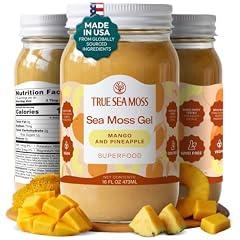
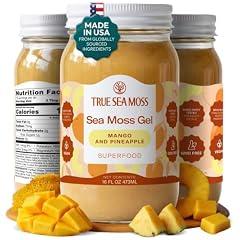
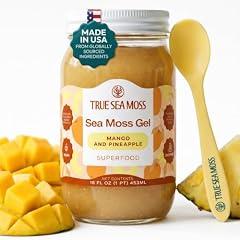
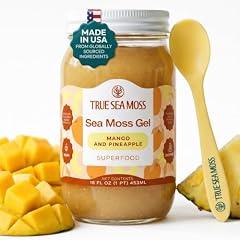
TrueSeaMoss Wildcrafted Irish Sea Moss Gel - MANGO/PINEAPPLE, 1
Overview
This is a 16-fluid-ounce, mango and pineapple flavored sea moss gel in a glass jar. The manufacturer directs adults to take 2 tablespoons daily, preferably in the morning and not on an empty stomach, or to add it to smoothies and other foods. A retailer nutrition panel lists 15 servings per jar, with 10 calories and 1 gram of total sugars per serving. The defining issue is safety history. On January 9, 2026, Diva Fam recalled all True Sea Moss Gel Superfood flavors and sizes made before that date, including Mango and Pineapple, because required authorization and temperature-monitoring records for pH-controlled foods were lacking. FDA described a potential botulism risk. No illnesses had been reported at the time. Current public product information does not provide a finished-lot test report or enough lot detail to establish whether a particular jar falls outside that recall.
What works
- The jar provides 15 measured 2-tablespoon servings, based on a retailer-posted Nutrition Facts panel.
- Mango and pineapple purées are identified in current manufacturer and retailer ingredient information.
- The product is supplied in a glass jar, rather than a single-use flexible pouch.
- The manufacturer states that the gel can be eaten by the spoonful or blended into smoothies, which gives it a straightforward food use.
What does not
- All flavors and sizes manufactured before January 9, 2026 were recalled for a potential botulism risk tied to missing regulatory authorization and temperature-monitoring records. This is a confirmed safety problem, not merely missing evidence.
- No current public, lot-matched finished-product certificate was found showing numerical heavy-metal, iodine, and microbiological results.
- Iodine is not quantified per serving, and public directions do not provide specific safeguards for thyroid disease, thyroid medicines, pregnancy, breastfeeding, or children.
- Ingredient lists differ across current sales channels. Some name rowanberry extract, natural flavors, and citric acid, while others list dehydrated sea moss and ascorbic acid instead.
- The manufacturer promotes energy, digestion, immunity, metabolism, and skin and hair benefits, but reliable human evidence for this exact gel and serving was not identified.
Who is it for
This product is most relevant to an adult who wants a fruit-flavored gel for occasional use in a smoothie or as a measured food topping, rather than a treatment for a health condition. The buyer needs to be able to inspect the jar's manufacture date and lot information and confirm that it was not made before January 9, 2026, the period covered by the nationwide recall. It is better suited to someone comfortable treating sea moss as a flavored food ingredient, not a proven source of a controlled iodine dose or a clinically supported wellness intervention.
Who is it not for
It is not appropriate for anyone holding a jar manufactured before January 9, 2026, because that production period was included in the FDA-posted recall for potential botulism risk. Pregnant or breastfeeding people, children, and people with thyroid disease or those using thyroid medicines should choose a product with quantified iodine and lot-specific contaminant testing. LactMed advises avoiding sea moss during breastfeeding unless iodine and heavy-metal levels have been shown to be low enough for safety. It also does not suit buyers who need a clearly identified seaweed species or a stable, fully consistent ingredient list.
Integrity
The manufacturer describes wild-harvested sea moss, U.S. production, third-party laboratory screening, and testing for metals, pathogens, iodine, and minerals. However, the public materials reviewed provide a request route for a certificate rather than a current, buyer-verifiable finished-lot report with numerical results. The company also posts a California Proposition 65 warning that sea moss may expose consumers to lead. Seaweed can contain iodine and water-derived metals, so those missing finished-lot results matter. Food safety is the major finding. The January 2026 recall covered all pre-recall lots and flavors after a California inspection raised questions about authorization and production records for pH-controlled foods. The product uses a glass jar, which is broadly recyclable where glass collection is accepted. No independent seaweed sustainability certification, harvest-area certificate, chain-of-custody record, or species-specific sourcing documentation was located. The stated sourcing story therefore remains manufacturer-provided rather than independently audited.
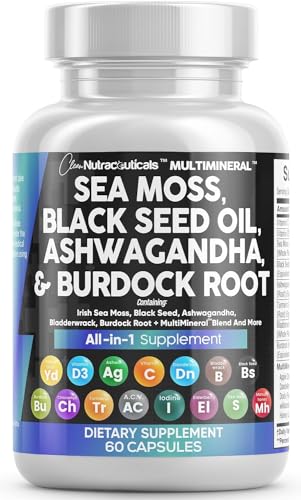
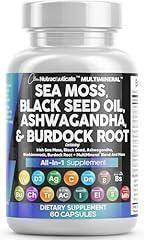
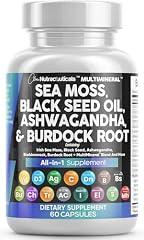
Clean Nutraceuticals Sea Moss & Black Seed Complex
Overview
This product is a dry dietary supplement, not a sea moss gel. One bottle contains 60 capsules, or 30 labeled daily servings. The manufacturer directs adults to take two capsules with a meal and water. It is marketed as a broad blend for energy, immune, digestive, skin, and thyroid support. An independently located label image lists 90 mg vitamin C, 25 mcg vitamin D3, 300 mg sea moss, 200 mg black seed, 100 mg each of ashwagandha, turmeric, bladderwrack, and burdock, plus a 350 mg multimineral blend. The current manufacturer pages describe a 15 or 16 ingredient formula, but do not publish a matching Supplement Facts panel, lot report, iodine amount, seaweed species, or allergen statement. The brand states that its supplements are third-party tested and made in a GMP-certified facility, but a current product-specific certificate or public certification record was not located.
What works
- Dry capsules do not create the refrigeration and time-temperature handling issues associated with ready-to-eat sea moss gels.
- The documented label provides specific amounts for vitamin C and vitamin D3, rather than placing those nutrients only in an undisclosed blend.
- Two capsules daily and 30 servings per bottle make the routine and supply size clear.
- The manufacturer identifies several principal botanicals and provides directions to take the capsules with food and water.
What does not
- No current finished-lot certificate was found with numerical heavy-metal, microbial, iodine, or potency results.
- Iodine is promoted as a feature, but the current product pages do not quantify iodine per serving or provide clear thyroid, pregnancy, breastfeeding, or child-use safeguards.
- The seaweed species, harvest location, and independent sourcing certification were not disclosed.
- The advertised thyroid, detoxification, energy, immunity, and broad wellness claims extend beyond the limited human evidence available for seaweed products and this exact blend.
Who is it for
This product is most suited to an adult who specifically wants a shelf-stable capsule rather than refrigerated sea moss gel, and who prefers combining vitamin C, vitamin D3, seaweed ingredients, and several botanicals into one two-capsule daily routine. It may fit a person who understands that it is a general dietary supplement, not a treatment, and who can review their full supplement and medication list with a clinician. The 30-day bottle size suits a short, defined trial rather than long-term unsupervised use.
Who is it not for
It is not well suited to people with thyroid disease, a history of iodine sensitivity, autoimmune illness, liver disease, or those taking thyroid hormone, sedatives, diabetes medicines, blood-pressure medicines, immunosuppressants, or anti-seizure medicines without clinician approval. Ashwagandha has relevant interaction and pregnancy concerns. Pregnant or breastfeeding people, children, and households seeking a fully traceable seaweed product should choose a product with a quantified iodine dose, clear species and allergen disclosure, and accessible lot-specific testing.
Integrity
The principal safety advantage is format. This is a dry capsule, so it does not require the validated cold chain, pH control, and refrigerated shelf-life controls that matter for wet sea moss gel. FDA sea moss gel recalls have highlighted the importance of those controls, but no recall or FDA warning letter specific to this Clean Nutraceuticals product was located. The manufacturer states that its supplements are third-party tested and made in a GMP-certified facility. However, no public current lot certificate was found for this product, and no numerical testing results were available for lead, cadmium, mercury, arsenic, microbiology, or iodine. The brand also does not identify the seaweed species, farm or harvest area, chain of custody, or an aquatic sustainability certification. Dry capsules may reduce spoilage and refrigerated-shipping burdens, but bottle material and recycling instructions were not clearly disclosed.
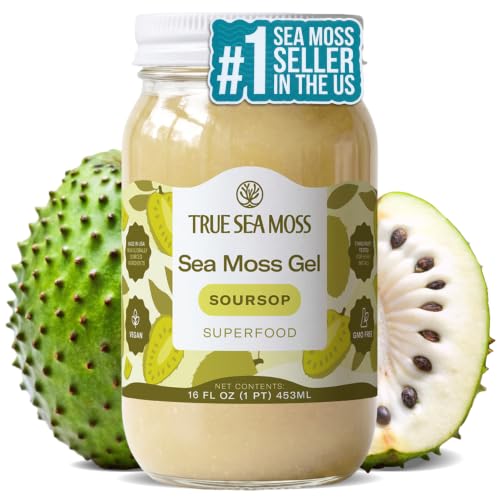
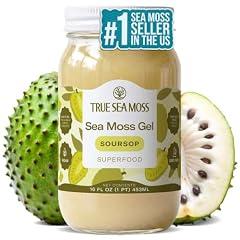
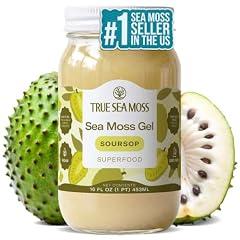
TrueSeaMoss Sea Moss Gel Soursop
Overview
This is a 16-fluid-ounce refrigerated sea moss gel flavored with soursop. The manufacturer directs adults to take 1 to 2 tablespoons daily and lists purified water, soursop puree, wildcrafted sea moss, rowanberry extract, monk fruit extract, natural soursop flavor, and citric acid. It is a food gel rather than a quantified iodine or mineral supplement. The central safety fact is independently confirmed. On January 9, 2026, Diva Fam recalled all True Sea Moss gel flavors and sizes manufactured before that date because required authorization and temperature-monitoring records for pH-controlled foods were missing, creating a potential botulism risk. The FDA later marked that recall terminated. The company now states that it uses third-party testing and controlled production, but it does not publicly provide a current, lot-matched report with numerical contaminant, iodine, pH, or microbiology results.
What works
- The manufacturer provides a concrete ingredient list for the soursop flavor and a daily use direction.
- The listed formula uses fruit puree and monk fruit rather than listed added sugar, dairy, eggs, soy, nuts, or gluten, according to the manufacturer.
- The product is sold in a practical 16-fluid-ounce jar for people who specifically want a ready-to-use seaweed gel.
- The company publishes a California lead warning rather than omitting this known seaweed contamination concern.
What does not
- This exact product line was subject to a nationwide FDA-posted recall covering jars made before January 9, 2026, due to missing pH-process authorization and temperature-monitoring records.
- The manufacturer says batches are tested, but no public lot-specific certificate was located with numerical results for lead, cadmium, mercury, arsenic, iodine, pathogens, pH, or shelf-life controls.
- The company carries a California warning that consumption can expose users to lead. A warning is not proof that every jar is unsafe, but it is a material exposure concern.
- Neither the seaweed species nor the amount of sea moss or iodine per tablespoon is publicly stated. This prevents meaningful iodine-dose planning.
- Broad mineral, energy, immunity, digestive, and wellness positioning is not supported by human evidence for this finished gel at its stated serving.
Who is it for
This product is most suitable for an adult who specifically wants a fruit-flavored, ready-to-use seaweed gel for food use, such as mixing into smoothies, and who can verify that the jar was made after January 9, 2026. That buyer should be comfortable treating it as an unquantified food ingredient rather than a dependable iodine, mineral, digestive, immune, or energy supplement. Refrigerated storage and attention to the jar's date and lot information are especially important given the product line's prior process-control recall.
Who is it not for
It is not appropriate for anyone holding a jar made before January 9, 2026, because those jars were included in the FDA-posted recall. It is also a poor fit for people with thyroid disease, iodine sensitivity, or a medically prescribed iodine target, since iodine is not quantified. Pregnant and breastfeeding people, children, and households seeking a product with publicly documented contaminant and microbiology results should choose a product with those safeguards. Breastfeeding users should be particularly cautious because seaweed iodine and heavy metals can reach breast milk.
Integrity
The manufacturer identifies a short soursop formula and says it avoids major allergens, artificial sweeteners, synthetic preservatives, gums, and fillers. It also states that its gels are made in the United States with HACCP-style controls and third-party testing. These are manufacturer statements, not publicly inspectable certification or lot-level proof. Its sourcing information identifies wild harvest from Vietnam and the Philippines depending on season, but no public farm, harvest-area, chain-of-custody, organic, or aquatic-ecosystem certification was located. Safety concerns outweigh the otherwise simple format. The FDA-posted recall covered all flavors of this gel line made before January 9, 2026 because of missing authorization and temperature-monitoring records for pH-controlled foods. The manufacturer also publishes a California lead exposure warning. No public current-lot report was found to show the actual lead level, other metals, iodine, or microbiological results for this soursop jar.

TrueSeaMoss Wildcrafted Irish Sea Moss Gel
Overview
This is a 16-fluid-ounce mango and pineapple sea moss gel in a glass jar. The manufacturer directs adults to use 2 tablespoons daily, preferably in the morning and not on an empty stomach, either by spoon or mixed into smoothies and juice. Its current brand page lists purified water, wildcrafted sea moss, mango and pineapple purees, rowanberry extract, monk fruit extract, natural flavors, and citric acid. The defining safety fact is a January 2026 FDA-posted recall covering all True Sea Moss gel flavors and lots made before January 9, 2026, including mango and pineapple. It cited missing regulatory authorization and temperature-monitoring records for pH-controlled foods, with a potential botulism risk. FDA now marks that recall terminated, but the public record does not establish the controls or test results for a particular newly sold jar.
What works
- The listed fruit purees and monk fruit can make sea moss easier to use in smoothies or by spoon, according to the manufacturer.
- A 2-tablespoon daily-use direction provides a concrete intended serving, though it is not paired with quantified iodine.
- The current ingredient list names the principal fruit ingredients and does not list major allergen ingredients.
- The company identifies Diva Fam Inc., provides a California business address, and uses manufacturing-date coding, which supported the 2026 targeted recall.
What does not
- A January 2026 recall covered this flavor in 16-ounce jars made before January 9, 2026 because required authorization and temperature-monitoring records for pH-controlled food were missing. That is a documented safety problem, not simply missing evidence.
- No public finished-lot report was located that lets a buyer match the jar's lot to numerical microbiology, pH, iodine, lead, cadmium, mercury, or arsenic results.
- The seaweed species and sea moss amount per serving are not plainly stated on the current product page, and ingredient lists differ across current and older retail materials.
- The manufacturer makes broad immune, energy, digestion, metabolism, skin, and hair support claims, but no reliable human evidence was located for this particular gel at its labeled serving.
- A California Proposition 65 notice and later complaint alleged lead exposure from the mango-pineapple product. Those filings are allegations, not a final finding, but they increase the need for current lot-specific lead results.
Who is it for
This format may suit an adult who already wants a fruit-flavored seaweed gel as a smoothie or spoon ingredient and can verify that the jar was made after January 9, 2026. It is most practical for someone willing to refrigerate it, follow the 2-tablespoon direction, inspect the lid date and lot code, and obtain a current product-specific certificate of analysis before routine use. It is not a well-supported substitute for a nutrient supplement or medical treatment.
Who is it not for
It is not appropriate for anyone holding a jar manufactured before January 9, 2026, because that production period was included in the FDA-posted recall for potential botulism risk. Pregnant or breastfeeding people, children, people with thyroid disease, and people using thyroid medication should avoid routine use unless a clinician reviews it, because iodine is not quantified per serving. It also does not suit buyers who need independently verified contaminant results, a clearly identified seaweed species, or established human evidence for health claims.
Integrity
The major health concern is historical but specific. On January 9, 2026, Diva Fam recalled all flavors and lots of its 16-ounce sea moss gels made before that date. FDA posted the recall on January 12, 2026 for possible botulism risk linked to absent required authorization and temperature-monitoring records for pH-controlled food. FDA later marked the recall terminated. No illnesses were reported in the announcement. The company says it tests flavors through ISO/IEC 17025 laboratories for heavy metals, E. coli, mold, iodine, and identity, but it does not publicly provide a current matching finished-lot report. It also now carries a California lead warning. A Proposition 65 complaint alleged lead in the mango-pineapple product, which has not been established here as a final regulatory finding. The jar is glass, a potentially recyclable material, but no package-specific recycling guidance, harvest certification, farm audit, or cold-shipping impact information was located.

Biolore Sea Moss Gel Variety Pack
Overview
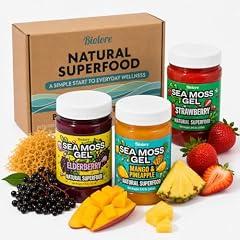
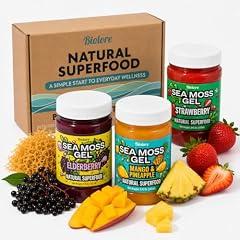
This is a 24-ounce set of three ready-to-eat, fruit-flavored sea moss gels, with 8-ounce Mango-Pineapple, Strawberry, and Elderberry jars. The manufacturer directs users to refrigerate the gel and take 1 to 2 tablespoons daily, either directly or in smoothies, meals, or spreads. A separate marketplace entry identifies the general formula as wildcrafted sea moss, fruit or berries, lime juice, and purified water, although it does not give each flavor's complete ingredient breakdown or seaweed species. The brand states that its sea moss is wild-harvested from the Atlantic, cold-processed, vegan, organic, GMP certified, and batch tested. Those statements were not accompanied by a product certificate, finished-lot report, or public certification record that could be matched to this set. Storage information also needs clarification. The brand says refrigerated gel should be used within 3 to 4 weeks, while the marketplace entry lists an 18-month shelf life without explaining whether that applies unopened.
What works
- Three separate 8-ounce flavors give users a way to try the format without committing to one flavor.
- The manufacturer provides usable daily-serving and refrigeration directions.
- A named responsible business, Deptio LLC, with a California business address is disclosed through the seller information.
What does not
- No public finished-lot certificate was located for metals, marine contaminants, microbiology, or iodine.
- Iodine is not quantified per serving, and the available product information does not provide thyroid, pregnancy, breastfeeding, or child-use safeguards.
- The stated 18-month shelf life conflicts with the brand's 3 to 4 week refrigerated-use guidance unless an unopened-storage condition is confirmed.
- Marketing claims about metabolism, brain fog, immunity, skin, and energy are broader than the human evidence identified for this finished gel and serving.
- Organic, GMP, and batch-testing statements could not be confirmed through a matching public certificate or report.
Who is it for
This product best fits an adult who already chooses sea moss as a food-style smoothie or spread ingredient and wants three fruit flavors in small jars. The 24-ounce total format is practical for a household that can keep the jars refrigerated and use them promptly after opening. It also suits someone treating it as a flavored food addition rather than relying on it for a defined nutrient dose, because the available information does not quantify iodine or the sea moss amount per serving.
Who is it not for
It is not well suited to people with thyroid disease, a history of iodine sensitivity, or a clinician-directed low-iodine diet, because seaweed can contribute iodine but this product does not state how much. Pregnant or breastfeeding people, children, and households needing clear allergen or ingredient detail should also seek a product with a complete label and appropriate cautions. It is also a poor fit for anyone needing independently documented low heavy-metal, microbial, or iodine results for the exact jar and lot.
Integrity
Seaweed is a potential iodine source, but iodine can vary greatly among seaweed products. Excess iodine can affect thyroid function, especially for people with autoimmune thyroid disease or other thyroid conditions. This set does not provide a batch-supported iodine amount, a serving limit beyond the general 1 to 2 tablespoon instruction, or targeted cautions. The brand's broad health messaging is also not paired with product-specific human clinical evidence for the stated benefits. The brand says its sea moss is wild-harvested from the Atlantic and presents organic, GMP, and batch-tested claims. No matching harvest-area record, chain-of-custody documentation, organic certificate, GMP certificate, or finished-lot laboratory report was publicly available for this set. The jars are described as plastic and the brand promotes shatter-resistant delivery packaging, but there is no package-specific recycling instruction or evidence addressing refrigerated-shipping impacts. The conflicting shelf-life statements also make cold-chain and waste-control details important to confirm before use.
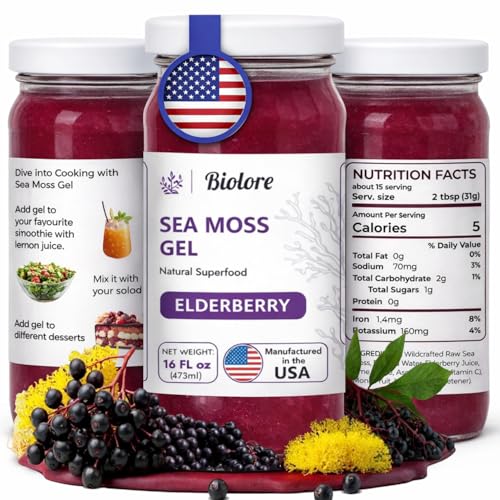
Biolore Sea Moss Gel with Elderberry 16OZ
Overview
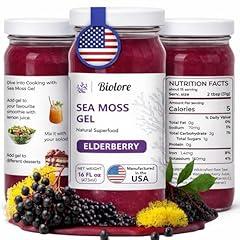
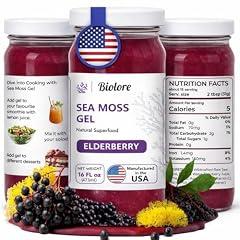
This is a 16-ounce, ready-to-eat elderberry sea moss gel sold as a food spread and smoothie add-in. The available nutrition record lists a 2-tablespoon, 31-gram serving with 5 calories, 1 gram of sugar, 70 milligrams of sodium, 1.4 milligrams of iron, and 160 milligrams of potassium. The brand directs use in foods such as smoothies and toast. Biolore states that the gel is wildcrafted, vegan, made in the United States, and contains no added sugar. An independent retail listing identifies wildcrafted raw sea moss, purified water, elderberry concentrate, lime puree, and monk fruit concentrate. The seaweed species and ingredient amounts are not disclosed. The brand claims batch testing, but no current finished-lot certificate with numerical heavy-metal, iodine, or microbiology results was publicly available for this product.
What works
- The 16-ounce jar provides roughly a month of use at the stated 2-tablespoon serving.
- A retail listing discloses a short ingredient list that includes sea moss, water, elderberry concentrate, lime puree, and monk fruit concentrate.
- The labeled serving is low calorie and has no declared added sugar.
- Biolore identifies Deptio LLC, a Los Angeles address, and a customer contact email, which supports basic seller traceability.
What does not
- No public finished-lot certificate was found to document lead, cadmium, mercury, arsenic, iodine, or microbiological results.
- The product does not publicly quantify iodine per serving or provide visible thyroid, pregnancy, breastfeeding, or child-use safeguards.
- Sea moss is named as wildcrafted Irish sea moss, but the actual species, harvest area, and independently audited chain of custody are not disclosed.
- Immune-support and broad mineral claims are not supported by human clinical evidence for this exact gel at its labeled serving.
- Storage guidance says to refrigerate after opening and consume within four weeks, but publicly available materials do not show validated pH, temperature, or pathogen-control records.
Who is it for
This product best fits an adult who wants a lightly sweet, food-style sea moss gel to stir into smoothies, spread on toast, or use in recipes, rather than a capsule or a medically targeted supplement. Its 16-ounce size and 2-tablespoon serving suit a regular household routine. It may also suit people avoiding animal ingredients and added sugar. Those users should treat it as a flavored food ingredient, not as a proven immune-support or mineral-replacement product.
Who is it not for
It is not well suited to people with thyroid disease, a history of iodine sensitivity, or those using thyroid or antithyroid medicines, because the iodine amount is not quantified. Pregnant or breastfeeding people, children, and anyone managing iodine intake should seek clinician guidance before using an unquantified seaweed product. It is also unsuitable for buyers who require lot-specific heavy-metal and microbiology reports, independently verified certification, a clearly identified seaweed species, or a documented sustainable harvest origin.
Integrity
Biolore describes this gel as wildcrafted, vegan, and made in the United States. Available retail information identifies five food ingredients, including elderberry concentrate, lime puree, and monk fruit concentrate. The product is sold in a BPA-free PET jar that the brand describes as recyclable and shatter-resistant. That packaging can reduce breakage during distribution, although no package-specific recycling instructions or life-cycle assessment was located. Important safety evidence remains unavailable publicly. The brand says its sea moss is batch tested, but no matching lot report with laboratory identity, methods, numerical contaminant results, iodine measurement, and microbiology panel was found. The brand also does not publicly identify the seaweed species, precise Atlantic harvest area, or an independent seaweed sustainability certification. FDA materials show that other sea moss gels have been recalled for deficient pH-control and temperature-monitoring records, which makes transparent process controls especially relevant for this wet, ready-to-eat format.

Clean Nutraceuticals Sea Moss Liquid Supplement
Overview
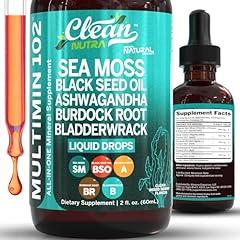
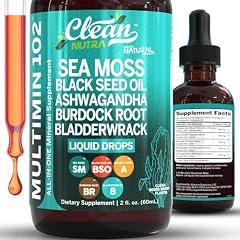
This is a 2-fluid-ounce, mixed-berry liquid dietary supplement, not a sea moss gel. The independently indexed label information identifies a 2 mL, once-daily serving and 30 servings per bottle. It lists 300 mg organic Irish moss extract 10:1, plus 100 mg each of ashwagandha, black cumin, bladderwrack, and burdock extracts 10:1. The product is intended as a convenient daily wellness blend for immune, energy, digestion, skin, hair, and stress-related claims. Its manufacturer says it is vegan, gluten-free, made in the USA, and tested for safety and purity, but no current finished-lot certificate with numerical heavy-metal, iodine, or microbiological results was publicly available for this exact mixed-berry product. The seaweed species and iodine dose are also not publicly quantified.
What works
- The serving size and five main botanical extract amounts are disclosed through an independent product listing.
- A 2 mL once-daily liquid format can suit adults who prefer not to swallow capsules.
- The formula is presented as vegan and gluten-free by the manufacturer.
- The listed 30-serving bottle gives a defined one-month use period when taken as directed.
What does not
- No publicly accessible, lot-matched finished-product report was found for heavy metals, arsenic speciation, iodine, or microbiology.
- Irish moss and bladderwrack can contribute iodine, yet the product does not publicly state iodine per serving or provide a batch-supported limit.
- The seaweed is called Irish moss, but its botanical species, harvest area, and farm or wild-harvest status are not disclosed.
- The manufacturer’s sea moss marketing includes statements about replacing anxiety medicines and therapy, claims that are not appropriate for this supplement and are not supported by human evidence for this formula.
Who is it for
This product fits an adult who specifically wants a small, plant-based liquid blend rather than a refrigerated gel or capsules, and who values a once-daily routine. It is most practical for someone comfortable with a mixed botanical formula that combines Irish moss, bladderwrack, black cumin, burdock, and ashwagandha rather than seeking a single-ingredient seaweed product. The 30-serving format also suits short, clearly measured trial use. This use case assumes no thyroid condition, pregnancy, breastfeeding, relevant medication use, or seaweed-related dietary restriction.
Who is it not for
It is not well suited to people with thyroid disease, a history of iodine sensitivity, or those using thyroid medicines, because iodine from the seaweed ingredients is not quantified. Pregnant or breastfeeding people, children, and anyone trying to manage a medical condition should not rely on this blend without clinician guidance. It is also a poor fit for buyers who need lot-specific contaminant and microbial results, a named seaweed species, traceable harvest information, or independently certified verification of label accuracy and purity.
Integrity
The concrete formulation information is better than a fully opaque proprietary blend. An independent listing identifies five extracts and their individual amounts, including 300 mg Irish moss extract and 100 mg each of four companion extracts. However, the product does not publicly quantify iodine. That matters because both seaweed and bladderwrack may supply iodine, while excessive iodine can trigger thyroid problems in susceptible people. Public testing transparency is limited for this exact product. The manufacturer uses safety and purity language, but no current finished-lot report with laboratory identity, methods, pass limits, and numerical results for metals, arsenic, iodine, and microbiology was available. A Clean Label Project certificate found online applies to a different, older unflavored sea moss liquid product, not this mixed-berry blend. No product-specific responsible-harvest certificate, seaweed origin, package recycling instruction, or low-impact distribution information was found. The brand’s anxiety-medication replacement language is a significant claim-quality concern.

Pella Nutrition Organic Sea Moss Drops
Overview
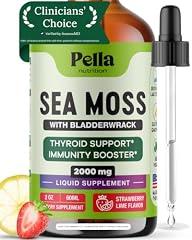
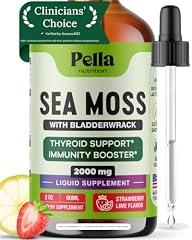
This is a 60 mL strawberry-lime liquid dietary supplement, not a sea moss gel. The labeled routine is two pumps, or 2 mL, once daily, providing manufacturer-stated amounts of 1,500 mg Irish sea moss, identified as Chondrus crispus, and 500 mg bladderwrack extract, identified as Fucus vesiculosus. One bottle is presented as about 30 servings and may be taken directly or mixed into a drink. The concrete formula disclosure is a relative strength, but iodine is not quantified. That matters because iodine content in seaweed can vary widely, while both sea moss and bladderwrack are marine ingredients. The product is advertised as shelf-stable and lab tested, but no current finished-lot certificate with numerical heavy-metal, iodine, or microbiology results was publicly available in the verification work. Claims for immune, digestive, thyroid, and faster absorption support are broader than the human evidence located for this specific liquid blend and dose.
What works
- The serving, bottle size, and daily use instructions are clearly stated by the seller.
- Both seaweed species and their stated per-serving amounts are disclosed.
- A flavored, shelf-stable liquid can be simpler to portion and use than a refrigerated gel, according to the seller's directions.
- The seller identifies a U.S. responsible business and business address on the marketplace listing.
What does not
- Iodine is not listed per serving, despite the use of two iodine-containing seaweeds.
- No public, lot-matched certificate showed numerical results for lead, cadmium, mercury, arsenic, iodine, or microbiology.
- The advertised lab-tested status was not independently verifiable through a public certification registry or finished-product report.
- Immune, gut, thyroid, joint, and 4X faster-absorption statements are not supported by human evidence for this exact blend and serving.
- No public harvest area, farm or wild-harvest documentation, chain of custody, or seaweed sustainability certification was located.
Who is it for
This product fits an adult who specifically wants a small, flavored liquid seaweed supplement with a simple once-daily routine, and who values knowing that the listed seaweeds are Chondrus crispus and Fucus vesiculosus. It is most practical for someone who does not want to prepare gel or keep a product refrigerated, since the seller describes it as shelf-stable. It is not a precise iodine supplement, so its best use case is a buyer who is not relying on it to correct a nutrient deficiency or manage thyroid health.
Who is it not for
It is not well suited to people with thyroid disease, a history of iodine sensitivity, or those using thyroid medication or anti-thyroid medication, because the iodine content is not quantified. Pregnant or breastfeeding people, children, and households that need a carefully controlled iodine intake should use a clinician-guided product instead. It also does not suit buyers who require current batch-specific contaminant and microbiological results before using a marine supplement, or who need independently certified label accuracy and ingredient identity.
Integrity
The label information identifies two specific seaweeds and their stated amounts, which is more useful than an unspecified proprietary seaweed blend. However, the important exposure figure, iodine per serving, is absent. NIH notes that seaweed iodine levels vary substantially, and excess iodine can affect thyroid function. The FDA disclaimer on the seller listing also means the wellness claims have not been evaluated as disease-treatment claims. No public finished-lot laboratory report was located for this liquid product. As a result, the seller's lab-tested statement could not be checked for numerical heavy-metal, iodine, or microbiological results, testing methods, or laboratory accreditation. No product-specific responsible-sourcing certificate, harvest location, or packaging recyclability instruction was located. The bottle format is compact and avoids claimed refrigerated shipping, but the environmental case remains undocumented.
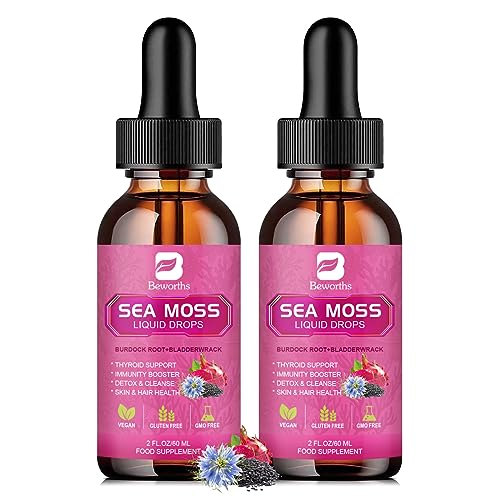
BEWORTHS Sea Moss Liquid Drops
Overview
This is a two-bottle liquid sea-moss supplement set, listed as 4 fl oz per bottle, with black seed oil, Irish sea moss gel, bladderwrack, burdock root, elderberry, spirulina and dragon-fruit flavor. It is intended for adult daily use as drops, mixed into a drink or taken directly. The current listing markets energy and digestive support. The most important evidence point is limited transferability. An Amazon-hosted March 2023 test report exists for an earlier 2 fl oz B BEWORTHS sea-moss product, not this current black-seed-oil formula. That report showed low reported lead, mercury, arsenic and cadmium and passed basic microbiology tests, but it does not establish the safety or composition of a current bottle. The current product does not provide a quantified iodine amount, a finished-lot report, a seaweed species, or a clear public source for the named ingredients.
What works
- An earlier B BEWORTHS sea-moss product had reported numeric results for lead, mercury, arsenic and cadmium.
- The earlier tested product also reported passing total plate count, coliform, Salmonella, Staphylococcus aureus, mold and yeast tests.
- Liquid drops can be mixed into beverages, which may suit people who dislike capsules.
- The manufacturer describes its sea-moss liquid range as vegan and gluten-free, although this was not independently verified for this exact bottle.
What does not
- The available test report is from March 2023 and identifies a different 2 fl oz product, so it is not current finished-lot evidence for this black-seed-oil formula.
- Iodine is not quantified, despite sea moss and bladderwrack being ingredients associated with potentially variable iodine exposure.
- The seaweed species, harvest area, chain of custody and organic certification record are not publicly documented for this product.
- The brand makes detox, thyroid, weight-management, skin and joint-health claims that extend beyond the available product-specific human evidence.
Who is it for
This product is most suited to an adult who specifically wants a flavored liquid botanical blend rather than capsules, and who plans to use it as an optional addition to food or drinks rather than as a treatment. It may be practical for someone comfortable with manufacturer-stated vegan and gluten-free positioning and with the limitations of an unverified multi-ingredient formula. They should already have a clinician-approved plan for dietary supplements and should not rely on it to correct a nutrient deficiency or manage digestive, thyroid, skin or joint symptoms.
Who is it not for
It is not well suited to people with thyroid disease, a history of iodine sensitivity, or those taking thyroid medication, because the iodine exposure from seaweed and bladderwrack is not listed. Pregnant or breastfeeding people, children, and households needing clearly dosed supplements should use a product with quantified iodine and appropriate guidance. It is also a poor fit for anyone who needs current lot-specific testing, confirmed allergen information, transparent seaweed sourcing, or evidence-based support for detoxification, weight loss, immune protection or treatment of symptoms.
Integrity
A March 2023 report attached to an earlier 2 fl oz B BEWORTHS sea-moss product reported low measured lead, mercury, arsenic and cadmium, plus negative Salmonella and low indicator-organism counts. Those results are useful historical context, but they are not a current certificate for this larger black-seed-oil product. The report also does not provide iodine testing, and its product description and dry-material test parameters do not match a ready-to-use liquid blend. Seaweed and bladderwrack can contribute iodine, but the amount can vary and this product does not state iodine per serving or provide thyroid, pregnancy, breastfeeding or child-use safeguards. No public farm, harvest area, seaweed species, organic certificate, aquatic stewardship certification, packaging recyclability instruction, or finished-lot chain of custody was located. The manufacturer uses broad wellness and detox language, while reliable human evidence for these claimed outcomes at this product's undisclosed ingredient amounts is not established.

Sea Moss Drops Immune Support Supplement
Overview
This is a two-bottle pack of 1 fl oz liquid sea-moss drops. The manufacturer directs adults and people age 14 and older to take 2 mL daily, directly or mixed into a drink. Its product page describes a broad botanical mixture, including sea moss, chlorophyll, black seed oil, ashwagandha, moringa, bladderwrack, burdock root, elderberry, mullein, turmeric, and manuka honey. The defining limitation is that the public product page does not provide a Supplement Facts panel, a complete ingredient statement, ingredient amounts, seaweed species, or iodine content. It calls the drops third-party lab tested, but no finished-lot report, laboratory name, methods, or numerical contaminant and microbiology results were publicly available in the verification review. The brand also makes expansive detox, liver, lung, thyroid, immune, beauty, and absorption claims that are not supported by disclosed product-specific human evidence.
What works
- The manufacturer provides a concrete 2 mL daily use direction and says the liquid can be mixed into beverages.
- The product page identifies a broad set of featured botanicals, which helps buyers recognize several major components of the formula.
- The manufacturer states that the formula is vegan, gluten-free, non-GMO, and alcohol-free.
- A brand support email is publicly listed, giving buyers a basic pre-purchase contact route.
What does not
- No public Supplement Facts panel or complete ingredient list was found, so the amounts of sea moss, botanicals, iodine, and other ingredients cannot be assessed.
- The seaweed species, plant parts, extraction details, source region, and allergen handling are not publicly disclosed.
- The third-party testing statement is unproven to buyers because no current, lot-matched certificate with numerical heavy-metal, iodine, or microbiology results was found.
- Claims about detoxification, liver cleansing, respiratory health, thyroid balance, immunity, hair growth, and superior absorption are much broader than the disclosed evidence for this exact product.
Who is it for
This format may suit an adult who specifically wants a small liquid botanical blend to add to water, tea, juice, or smoothies, and who is comfortable treating it as an unverified wellness product rather than a quantified nutrient supplement. It is most relevant for someone who values a manufacturer-stated vegan and alcohol-free liquid format and can tolerate a formula with many botanicals. They should be willing to request the current label and a finished-lot certificate before relying on the product for iodine or contaminant-sensitive use.
Who is it not for
It is not well suited to pregnant or breastfeeding people, people with thyroid disease, those preparing for radioactive iodine treatment, or anyone using thyroid or antithyroid medicines, because seaweed and bladderwrack are listed but iodine is not quantified. It is also a poor fit for children under 14, people with ingredient allergies or dietary restrictions that require a full label, and households needing independently documented heavy-metal, microbial, or lot-level quality controls. People seeking help for lung, liver, immune, or digestive symptoms should not treat these claims as evidence of treatment.
Integrity
The manufacturer identifies the product as a liquid blend of sea moss and numerous botanicals, and states that it is vegan, gluten-free, non-GMO, alcohol-free, and wild-harvested. Those are manufacturer statements, not certifications confirmed through an independent registry. No product-specific organic, responsible-harvest, marine stewardship, or chain-of-custody certificate was found. The seaweed species and harvest area are also not public, so the wild-harvest statement cannot establish ecosystem safeguards. No public finished-lot certificate was found to document lead, cadmium, mercury, arsenic, iodine, or microbiological results. This is important because iodine levels in seaweed can vary substantially, and excess iodine can adversely affect thyroid health. The public page provides neither package-material details nor recycling instructions, so its packaging and shipping footprint cannot be meaningfully assessed. No product-specific FDA recall or warning-letter record was identified in the verification search, but the available public listing does not provide enough traceability to independently confirm lot controls.