
10 Best Roomba for Pet Hair
 Lauren Wilson
Please note that we participate in affiliate marketing programs. When you purchase through links on our site, we may earn a commission. As an Amazon Associate we earn from qualifying purchases. This comes at no additional cost to you and helps support the resources required to provide valuable content.Advertising Disclosure
Top-rated Roomba for Pet Hair Comparison
1

2
4
5
6
7
8
9
Roomba for pet hair: what matters
A robot vacuum for pet hair is intended to maintain floors between deeper cleanings by collecting fur, dust, crumbs, and other dry debris on hard floors and carpet. Some models also damp-mop, wash and dry their pads, refill water, or empty debris into a dock. The useful question is not which model advertises the highest suction number, but whether it repeatedly removes hair, avoids common pet-home hazards, and keeps dust and used mop materials manageable.
Pet-hair performance depends on the floor surface, hair length, test material, cleaning setting, brush design, and how much maintenance the brush needs. The strongest supplied evidence uses independent testing: one product recorded 93% flattened-hair pickup from carpet, another recorded 82% on hardwood and 92% on low-pile carpet, and another received a top Consumer Reports pet-hair score. Results can conflict between test methods, so a headline such as “zero tangle” or “15,000 Pa” is not equivalent to a standardized pickup result. Suction figures are especially easy to overread: supplied products list figures from 4,000 to 20,000 Pa, but several reviews note that the manufacturer did not disclose the test conditions or a standardized pickup result. Look for an exact-model result under a named method, with the surface, hair material, setting, passes, and measured result identified. IEC/ASTM 62885-7 is the relevant robot-vacuum performance reference.
Navigation is a separate buying decision. LiDAR mapping, no-go zones, and “AI” labels do not by themselves prove that a robot will avoid cords, bowls, toys, stairs, or pet waste. Independent testing in the supplied reviews found products that ran over simulated pet messes, tangled on cords, pushed objects, or became trapped. Prefer exact-model obstacle testing from Consumer Reports or RTINGS, and read the manual’s limits on cliff sensors, restricted zones, floor preparation, and recovery.
Dust containment should be judged across the robot, dock, and emptying process not just by a filter label. “HEPA,” “0.7 micron,” or “99.99%” statements may describe filter media or a dock claim without proving whole-machine efficiency or low exhaust leakage. Stronger evidence would include an ASTM F1977-22 result, a documented sealed system, and model-specific filtration and replacement instructions. Electrical claims should likewise be traceable to UL Product iQ, Intertek ETL, or CSA listings for the exact U.S. product, with CPSC and SaferProducts.gov checks for unresolved safety actions.
For mopping models, compare whether the dock collects dirty water, washes and dries pads, and states what solution may be used. Automatic washing reduces handling but does not remove the need to rinse tanks, clean trays, dry pads, or follow solution instructions. For connected products, check the app’s data disclosures, map and camera permissions, update policy, end-of-support date, and vulnerability history rather than assuming Wi-Fi control is harmless.
Common safety caveats recur across the supplied products. None should be treated as reliably safe around unattended pet waste, loose cords, toys, bowls, clutter, or fragile objects unless exact-model testing supports that use; floor preparation is repeatedly required. Severe dust or dander sensitivity also warrants caution because whole-system filtration and low-exposure disposal were often unverified, and bagless docks can release dust during emptying. Mopping robots require recurring wet-maintenance work, while all models need brush, filter, pad, bag, or tank care. Lithium-ion battery and charging precautions apply throughout the category.
Integrity
These topics distinguish routine convenience from evidence-backed health, safety, and sustainability performance. Scores below are relative to the supplied products: a high score reflects stronger documented or independently tested performance, while a lower score often means that an important claim remains manufacturer-stated, untested, or limited by the maintenance process.
HHealth & Safety
Allergen and dust containment
This measures containment through the robot, dock, and emptying step, including fine-dust leakage and disposal exposure. It matters because pet dander is collected and concentrated in the machine. Supplied scores range from 68 to 76: the higher-scoring products generally had independently supported fine-particle sealing or sealed-bag features, while lower-scoring products relied on filter or bag claims without whole-system leakage evidence.
Electrical and charging safety
This covers shock, overheating, battery, charger, and dock-fire protections, plus traceable third-party listing and unresolved safety actions. It matters because these products charge unattended and combine lithium-ion batteries with powered docks, water, or heat. Scores range from 68 to 74. Higher scores reflect clearer model documentation and safety review; lower scores commonly reflect no confirmed UL, ETL, or CSA listing, not proof that the product is defective.
Mop hygiene and cleaning-solution safety
This measures whether water tanks, dirty-water paths, pads, and docks can be cleaned and dried without unsafe or undisclosed chemicals. It matters because damp pads and wastewater can develop odor or buildup. Scores range from 65 to 82: higher-scoring designs avoid mopping altogether or document washing, drying, and solution controls, while lower-scoring systems require frequent manual pad and tank care or have unclear chemical documentation.
Pet-home obstacle handling
This measures avoidance and recovery around cords, bowls, toys, stairs, pet waste, and entrapment—not merely mapping or an AI label. It matters because a robot can spread a pet accident or become trapped while unattended. Scores range from 48 to 85. Higher scores have exact-model independent obstacle results; lower scores are associated with running over simulated waste, tangling cords, bumping objects, or relying mainly on manual floor preparation.
Privacy and app security
This measures how the robot handles maps, floor plans, cameras or sensors, Wi-Fi access, permissions, updates, and account data. It matters because connected cleaning requires information about the home. Scores range from 68 to 78. Higher-scoring products provide clearer deletion, encryption, update, certification, or disclosure information; lower-scoring products lack a clear support lifetime, security commitment, or product-specific data record.
EEvidence
Pet-hair pickup and anti-tangle performance
This is the category’s most important performance discriminator and carries the highest weight. It measures repeatable hair removal on hard floors and carpet plus brush wrap and clogging. Scores range from 51 to 91. The strongest products have exact-model independent pickup or tangle tests with measured results; lower-scoring products rely on suction or anti-tangle marketing, or show substantial hair left behind or wrapped around the brush.
Independent verification and traceability
This measures whether performance, safety, filtration, wireless, or environmental claims can be checked for the exact U.S. product through named tests, registries, or certificates. Scores range from 68 to 84. Higher-scoring products combine independent testing with identifiable model documentation; lower-scoring products have conflicting specifications, manufacturer-only claims, or no traceable UL, ETL, CSA, ASTM, FCC, or named laboratory record for the relevant claim.
Claim honesty and usable specifications
This measures whether suction, HEPA, self-emptying duration, pet-hair, and obstacle claims identify conditions and match the manual and product documentation. Scores range from 50 to 80. Higher-scoring products qualify comparisons and disclose useful maintenance or test details; lower-scoring products show conflicting suction, runtime, capacity, or filtration statements, or present a filter-media claim as though it proved whole-machine performance.
EEcology
Environmental impact and consumables
This covers electricity, water, disposable bags, filters, pads, brushes, detergent, packaging, and end-of-life burden. It matters because self-emptying and self-washing trade convenience for bags, water, heat, or replacement parts. Scores range from 64 to 75. Higher scores generally reflect bagless collection, reusable parts, or documented maintenance; lower scores reflect recurring bags, non-washable filters, water and drying demand, or proprietary solutions.
Repairability and service life
This measures whether batteries, brushes, wheels, tanks, sensors, filters, and docks can be maintained or replaced, and whether parts remain available. It matters because a repairable robot can avoid premature electronic waste. Scores range from 70 to 80. Higher-scoring products document replacement batteries or sell multiple service parts; lower-scoring products provide fewer parts or describe battery service as non-user-replaceable.
Environmental claim integrity
This measures whether terms such as sustainable, low-waste, or eco-friendly are narrow, documented, and independently certified. It matters because reduced bags or washable parts do not establish a low lifecycle impact. Scores range from 70 to 76, and no supplied product had a broad product-specific environmental certification verified. Higher scores reflect more careful, supportable claims; lower scores reflect vague or incomplete environmental evidence.
Full reviews

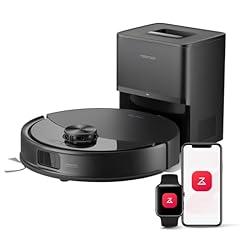
Roborock Q10 S5+ Robot Vacuum and Mop
Overview
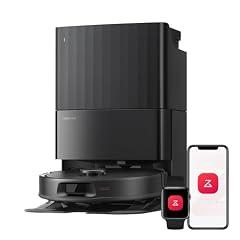
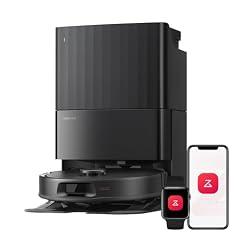
The Roborock Q10 S5+ is a circular robot vacuum and mop with a bagged auto-empty dock, LiDAR mapping, a 14.4 V, 5,200 mAh lithium-ion battery, and a combined dustbin and water tank. It uses one vibrating, removable mop cloth rather than a dock that washes or dries pads. The official U.S. manual specifies a washable robot filter, disposable dock bag, 2.4 GHz Wi-Fi, and a 120 V auto-empty dock. Roborock states 10,000 Pa suction, dual anti-tangle brushes, 150 minutes of runtime, and automatic carpet mop lifting. Independent Vacuum Wars testing found strong carpet sand and pet-hair pickup, while a separate TechGearLab test found weak pet-hair results and poor object avoidance. The conflicting results matter, especially for homes that expect unattended cleaning around pet toys, cords, or waste.
What works
- Independent Vacuum Wars testing recorded 96% pet-hair pickup and no hair tangling in its 7-inch hair test.
- The manual provides specific upkeep instructions, including washing and air-drying the mop after every use and drying the washable filter for at least 24 hours.
- The mop cloth retracts for carpet cleaning, and Vacuum Wars documented an 8 mm lift that helps limit carpet wetting.
- The manufacturer sells replacement dust bags, brushes, brush covers, side brushes, and cleaning solution for this product.
What does not
- Independent testing conflicts on pet hair. Vacuum Wars measured strong pickup, but TechGearLab reported visible hair left behind in its pet-hair trial.
- Obstacle avoidance is a demonstrated limitation. Vacuum Wars scored it 6 out of 24, and TechGearLab reported roughly 40% obstacle detection and simulated pet-mess contact.
- The dock only empties dry debris. It does not wash or dry the mop, so the owner must remove, wash, and air-dry the cloth after each mopping session.
- No exact-product HEPA, sealed-system leakage, ASTM F1977 filtration result, or traceable UL, ETL, or CSA electrical-safety listing was located in the checked documentation and registries.
Who is it for
This product fits a household that wants scheduled dry-floor maintenance, has mostly open rooms, and is willing to prepare floors before a run. It is particularly relevant where shedding is concentrated on rugs or low-pile carpet, because one independent test measured high embedded-debris and pet-hair pickup. It also suits an owner comfortable with routine hands-on care, including changing disposable dock bags, rinsing the filter, emptying unused water, and washing and air-drying the mop cloth after use.
Who is it not for
It is not appropriate for homes where unattended avoidance of pet waste, charging cords, small toys, socks, or clutter is essential. Independent tests found poor small-obstacle avoidance, and the manual itself instructs users to clear cords and loose items before cleaning. It is also a poor fit for people who need documented HEPA-level filtration or a verified sealed dust path for serious allergy management. Buyers seeking hands-off mop sanitation should avoid its manual-wash, manual-dry mop arrangement.
Integrity
For mop hygiene, the manufacturer gives practical instructions that reduce odor risk when followed. It says to empty unused water immediately after mopping, wash the mop cloth, and air-dry both. It also instructs users not to use disinfectants and to use only Roborock-recommended cleaning solution. The product has no dirty-water tank and no pad-washing or drying dock, so hygiene depends directly on owner follow-through. The product uses a washable robot filter, but its dock requires disposable dust bags, and the mop cloth, brushes, filter, and bags are recurring consumables. The manual lists replacement intervals of three to six months for the mop and side brush, and six to twelve months for the filter. It provides battery-removal instructions for disposal and directs users to professional battery recycling. Exact-model third-party filtration and electrical safety certifications were not identified in the checked materials.

Roborock Q7 M5+ Vacuum and Mop
Overview
This product is a round, Wi-Fi connected robot vacuum with a static wet mop, LiDAR mapping, a 3,200 mAh lithium-ion battery, and a compact self-emptying dock. The robot measures 12.8 by 12.8 by 3.9 inches, while the dock uses a 2.7 L disposable dust bag. It is designed for scheduled vacuuming and light mopping of sealed hard floors, with app-set rooms and no-go zones. Independent testing of the shared Q7 M5 robot platform found very good hard-floor debris collection and removal of most carpet pet hair in one pass. The Q7 M5+ differs by adding the auto-empty dock. Roborock states 10,000 Pa suction, a dual anti-tangle brush system, and up to seven weeks between bag changes, but the duration is based on its internal testing and varies with household debris. Its mop is a manually maintained cloth rather than a self-washing system.
What works
- Independent testing found strong hard-floor cleaning and removal of most carpet pet hair in one pass.
- The included auto-empty dock transfers debris to a disposable bag, reducing direct bin handling between cleanings.
- The manual provides concrete maintenance instructions for the washable filter, removable mop cloth, brushes, wheels, dock, and battery disposal.
- LiDAR mapping supports room-based cleaning, scheduling, and app-set no-go zones.
What does not
- Independent testing found poor real-world obstacle avoidance. It can get caught on cords, rugs, toys, and pet waste, so floors need preparation before unattended runs.
- There is no verified HEPA or sealed-system filtration claim for this product. Independent testing identifies the filter as not being an anti-allergy HEPA filter.
- The static mop requires the user to empty unused water, wash the cloth, and air-dry it after mopping. The dock does not wash or dry the pad.
- The official seven-week bag interval is a manufacturer internal-test claim, not an independently verified household result. Disposable dust bags also create recurring waste.
Who is it for
This product suits a pet household that wants scheduled upkeep of mostly open hard floors, low-pile rugs, or routinely cleared carpet, and that values strong everyday hair pickup more than advanced automation. It is also suitable for a buyer comfortable doing basic maintenance, including laundering the mop cloth, keeping sensors and brushes clean, replacing dock bags, and clearing floors before runs. The compact self-empty dock can reduce how often the robot bin needs hands-on emptying, while the app can organize cleaning by mapped rooms and restricted areas.
Who is it not for
It is not suitable for homes where pets may leave waste, or where cords, toys, tasselled rugs, feeding bowls, and small objects commonly remain on the floor. Independent testing found that the robot does not reliably recognize or avoid such obstacles, which can create mess spreading, tangles, or property damage. It is also a poor fit for people with substantial dust-allergen sensitivity who require verified sealed, HEPA-level whole-machine containment, or for buyers expecting a dock that washes, dries, refills, or sanitizes the mop automatically.
Integrity
For dust exposure, the self-emptying dock uses a closed disposable bag during normal operation, which can reduce direct contact with collected debris. However, neither the product documentation nor independent testing supplied a verified sealed-system or HEPA filtration result for this product. The independent test identifies the filter as not being anti-allergy HEPA. The manufacturer manual also requires a dust bag to be installed and the dock cover closed for auto-emptying. Mop hygiene depends on regular user care. The manual says to empty unused water immediately after mopping, wash the cloth, and air-dry the cloth and tank to limit odors. It advises against disinfectants and directs users to use only Roborock-recommended solution. On waste and repair, the filter and mop cloth are washable, and official replacement bags, filters, brushes, mop cloths, and covers are listed. The manual gives instructions to remove the lithium-ion battery for professional recycling at end of life, not for routine replacement.
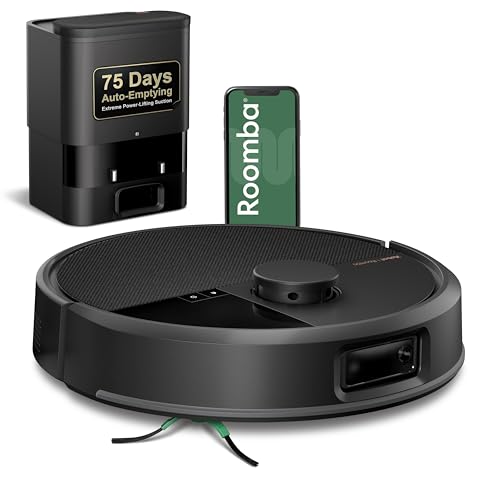
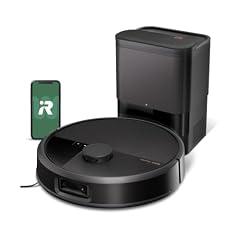
iRobot Roomba Max 705 Vacuum Robot
Overview
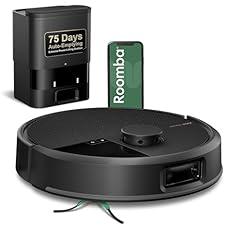
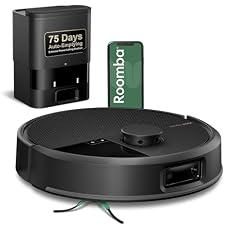
This is a vacuum-only, Wi-Fi connected robot vacuum with a LiDAR sensor, camera-based object recognition, two rubber main brushes, an edge brush, and a bagged self-emptying dock. The robot measures 13.8 by 14.0 by 4.1 inches and uses a lithium-ion battery. It is intended for scheduled upkeep of hard floors and carpets, with room and zone control through the Roomba Home app. Its defining convenience feature is the AutoEmpty dock. iRobot states that its enclosed bag captures particles down to 0.7 microns and can hold debris for up to 75 days, but no ASTM whole-system filtration or exhaust-leakage result was found. Exact-model independent lab testing by RTINGS and Consumer Reports exists, although the accessible evidence did not provide their detailed pickup or avoidance results. The exact product also has a verified Matter certification.
What works
- The dock uses a disposable bag that the owner guide says seals as it is removed, reducing direct contact with collected debris.
- Exact-model independent test records exist at RTINGS and Consumer Reports for debris pickup, pet hair, and obstacle handling.
- Matter certification is traceable to the Connectivity Standards Alliance for this exact product, supporting a checkable smart-home interoperability claim.
- iRobot officially sells compatible filters, rubber brushes, edge brushes, and disposal bags for this product.
- The manufacturer publishes an exact-product repairability index of 8.1 out of 10 in its environmental product disclosure.
What does not
- The dock's 0.7-micron claim is manufacturer-stated. No exact-model ASTM filtration result, sealed-system verification, or HEPA claim was found.
- Independent testing exists, but publicly accessible detailed results for the exact product were unavailable during this review, so strong pet-hair and pet-waste avoidance performance cannot be confirmed here.
- The owner guide still instructs users to remove excess floor clutter before cleaning. Object recognition is not a substitute for pet-proofing cords, small toys, or hazards.
- The bagged dock, replaceable filters, brushes, and lithium battery create recurring material use and eventual electronic waste.
- The connected app can collect floorplan, room-name, object, movement, Wi-Fi, usage, and device-health data when the product is registered and connected.
Who is it for
It suits a household seeking vacuum-only floor maintenance, especially one with shedding pets, mixed hard floors and carpets, and a preference for a self-emptying dock. It is most appropriate for users willing to keep floors reasonably clear, inspect brushes and wheels, replace bags and filters, and use an app for mapping and schedules. It also fits someone who values Matter integration and wants a product with official consumables and routine maintenance parts currently listed by the manufacturer.
Who is it not for
It is not for a household that needs mopping, wet-spill pickup, or automated mop washing, because this is a dry vacuum-only product. It is also not appropriate for people with severe dust sensitivity who require independently verified HEPA-level whole-machine filtration and low exhaust leakage, since those exact-model results were not located. Homes with unsecured cords, frequent pet accidents, very small toys, or unsupervised vulnerable pets should not rely solely on its manufacturer-stated object avoidance.
Integrity
The useful health feature is the bagged auto-empty dock. The owner guide says the bag seals during removal, and iRobot states that the dock contains particles down to 0.7 microns. Those statements can reduce handling of visible debris, but they do not establish a sealed, HEPA-grade vacuum system or independently verified allergen containment. The product does not mop, so it avoids dirty-water tanks, mop-pad hygiene, and cleaning-solution exposure. It has a lithium battery and the owner guide includes battery shipping and overheating precautions. No exact-product CPSC recall was identified in the public recall search performed. The manufacturer offers a United States trade-in program and officially lists common wear parts. Its exact-product environmental disclosure reports an 8.1 out of 10 repairability index, mostly recyclable packaging with at least 81% recycled material, and the presence of lead and TBBPA as substances of very high concern. That disclosure does not by itself establish user exposure risk.

iRobot Roomba 415X Vacuum & Mop Combo
Overview
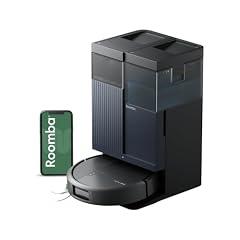
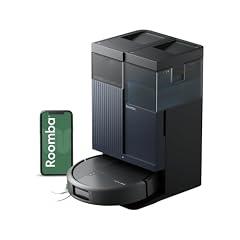
This product is a compact, app-connected robot vacuum and mop with a self-maintaining AutoWash dock. The 11.73 by 11.93 by 3.29 inch robot uses a 5200 mAh NCM battery, spinning mop pads, a carpet-detection pad lift, LiDAR mapping, and a dock with clean- and dirty-water handling. It can vacuum, mop, or do both in a run. iRobot states that the dock empties debris, washes pads, and heat-dries them at 113°F. It also states that its sealed disposal bag captures 99% of allergens down to 0.7 microns. These are manufacturer claims, not published exact-model ASTM filtration results. Independent real-world testing found competent room navigation and low-furniture reach, but also reported hair wrap, inconsistent avoidance of cords and small clutter, and light-duty mopping. The official U.S. parts store now lists routine consumables for the 415 series.
What works
- The dock's wash and 113°F heat-dry cycle is a concrete, manufacturer-stated measure against leaving pads damp between runs.
- Official U.S. replacement bags, filters, mop pads, edge brushes, a main brush, and replenishment kits are listed for the 415 series.
- The product has a low 3.29 inch body, and independent testing reported that it could reach beneath low furniture.
- iRobot documents encrypted cloud transfers, cryptographically signed updates, automatic updates, and at least six months' notice before ending security support.
What does not
- No exact-model ASTM filtration result, verified sealed-system leakage test, or independent HEPA-level claim was found. The 99% at 0.7 microns bag statement is manufacturer-stated.
- No traceable exact-model UL, ETL, CSA, or FCC record was found in the searched public registers, so electrical and wireless compliance cannot be independently confirmed from those sources.
- Independent real-world testing found hair wrap despite the tangle-free brush claim, and the small dustbin reportedly filled quickly in heavier debris conditions.
- Independent testing also found that cords and small clutter were not reliably avoided. Pet waste avoidance was not substantiated, so floors should be checked before unattended runs.
- The catalog claim of 2.3X suction conflicts with iRobot's official 2.8X claim. Neither source provides a testable Pa value or an exact-model standardized pickup result.
Who is it for
It suits a small or moderately sized home with mixed hard floors and rugs, especially where daily crumbs, light pet shedding, paw prints, and under-furniture dust are the main maintenance tasks. It is also suited to users willing to keep a clear robot path, empty and rinse the dock tanks as instructed, replace routine consumables, and use the app for mapping and schedules. The low body and dock-based pad washing are most relevant where frequent light cleaning matters more than deep carpet extraction.
Who is it not for
It is not well suited to households that need dependable unattended avoidance of charging cords, toys, pet bowls, or possible pet waste. Independent testing found inconsistent cord and clutter avoidance, so these hazards should be removed first. It also is not a strong fit for heavy-shedding pets or long hair if low brush maintenance is essential, because testing found hair wrap and a quickly filling small bin. Buyers needing independently proven fine-dust containment, exact-model safety certification records, or standardized pet-hair pickup data will find important evidence gaps.
Integrity
The product's clearest hygiene feature is manufacturer-stated rather than independently validated. Its dock washes the mop pads and heat-dries them at 113°F after cleaning, and the product uses separate clean- and dirty-water tanks. Owners still need to rinse tanks, clean brushes and contacts, and replace the filter every three to six months according to iRobot. iRobot also directs owners to approved cleaning solutions, but no exact-product ingredient disclosure or Safer Choice certification was verified. For dust exposure, iRobot states that the self-emptying bag is sealed and captures 99% of allergens as small as 0.7 microns. No exact-model ASTM filtration or whole-system leakage test was found, so this does not establish HEPA-level containment. The product has replaceable bags, filters, pads, brushes, and a listed replenishment kit, which can extend service life but also creates recurring material waste. iRobot offers a trade-in path for eligible branded robots and links U.S. users to electronics-recycling guidance.

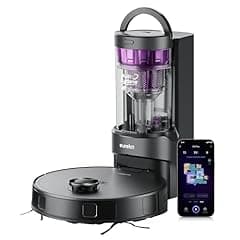
Eureka E20 Plus Robot Vacuum and Mop
Overview
This product is a round robot vacuum and light mop with a self-emptying, bag-free base. The robot is about 13.8 inches wide and 3.82 inches tall, uses a 5,200 mAh lithium-ion battery, and has a combined dustbin and water tank. It vacuums with a rubber main brush, then mops using a removable cloth and plain tap water. Eureka states an 8,000 Pa maximum suction level, up to 180 minutes of runtime, a 2 L base dust cup, 10 mm mop lift, and laser-based obstacle sensing. These are manufacturer specifications, not independently published performance results. Consumer Reports has included this exact product in its laboratory test program, but its detailed ratings are not publicly available. The U.S. manual provides concrete maintenance, charging, warranty, and replacement-part instructions.
What works
- The exact U.S. manual gives clear water-only mopping, pad-washing, drying, filter-cleaning, and dust-cup-emptying instructions.
- A bag-free base can avoid recurring disposable dust bags, although the manufacturer-stated 45-day capacity will vary with debris load.
- Consumer Reports has tested this exact product in its robot vacuum and mop laboratory program.
- The manual identifies replaceable filters, brushes, mop cloths, dustbin and water-tank assembly, base filter, and base components.
- The product has a two-year vacuum warranty and one-year battery-module warranty for qualifying household use.
What does not
- There is no published exact-model ASTM filtration result, sealed-system test, or verified low-leakage emptying result for pet dander and fine dust.
- The base dust cup must be manually removed and emptied over a bin, which can expose the user to collected dust.
- Eureka promotes an anti-tangling brush, but Consumer Reports lists no anti-tangle technology and the manual still directs weekly hair cutting from the main brush.
- The manual directs users to clear cords and floor clutter, and acknowledges that the robot can become trapped or stuck by obstacles.
- The connected app requires 2.4 GHz Wi-Fi and creates home maps. Google Play reports collection of location and personal information, while clear product-specific security-update and support-end commitments were not found.
Who is it for
This product fits a household that wants scheduled vacuuming with occasional light maintenance mopping, has mostly open floors, and is prepared to empty the base dust cup, wash and dry the mop cloth, and clean the brush weekly. It is also suited to users who value a bag-free self-emptying base and can use the product's app on a 2.4 GHz Wi-Fi network. The documented replacement parts and two-year vacuum coverage support buyers willing to perform routine maintenance rather than treat the robot as fully hands-free.
Who is it not for
It is not well suited to people with severe dust or pet-dander sensitivity who need independently verified sealed filtration and low-exposure disposal. The manual's open-bin emptying process and lack of exact-model filtration testing matter in that setting. It also needs careful floor preparation, so homes with loose cords, small toys, pet bowls, clutter, candles, or unsupervised pets should not rely on its obstacle detection alone. Buyers wanting hands-off mop washing and drying, strong independently published pet-hair results, or a clear long-term app-security policy need more documentation.
Integrity
The product uses a washable mop cloth and instructs users to fill the tank with cool tap water only. Eureka specifically warns against adding detergent because it may clog the system. The manual also directs users to empty residual water, wash and dry the cloth, and thoroughly dry filters and base components after washing. Those procedures can limit odor and residue, but the product has no dirty-water tank or automatic mop washing and drying. The bag-free base reduces disposable-bag use, while filters, brush parts, mop cloths, and the lithium-ion battery remain consumables or end-of-life materials. Eureka lists several replacement parts and directs users to recycle the battery rather than discard it in household trash. The exact U.S. manual also carries a California Proposition 65 warning for DEHP. That warning identifies a regulated chemical hazard, but does not quantify user exposure from normal use. No named third-party filtration, sustainability, or electrical-safety certification for this exact U.S. product was located.

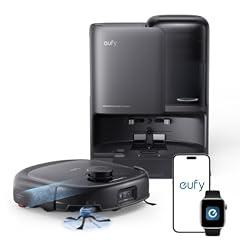
Eufy E25 Robot Vacuum and Mop Combo
Overview
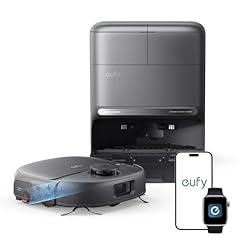
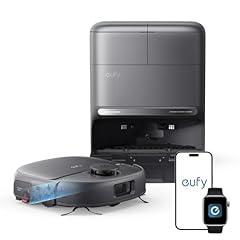
The eufy E25 is a Wi-Fi and Bluetooth connected robot vacuum and roller mop with a self-emptying, mop-washing dock. The dock has a 3 L disposable dust bag, 2.5 L clean-water tank, and 1.8 L dirty-water tank. The manufacturer states that it uses LiDAR navigation, an RGB camera with LED illumination, 20,000 Pa claimed suction, a self-washing roller mop, and heated-air drying. Independent Vacuum Wars testing found 93% pickup of flattened pet hair from carpet and no wrapped hair in its 7-inch hair-tangle test. The same tester recorded avoidance of 21 out of 24 household obstacles. Those results are meaningful, but they do not establish sealed-system filtration, HEPA-grade exhaust performance, or a U.S. electrical-safety listing for this product.
What works
- Independent testing found strong carpet pet-hair pickup, removing 93% of flattened hair.
- The dual-roller brush stayed free of wrap in an independent long-hair tangle test.
- Independent obstacle testing recorded 21 avoided objects out of 24 tested.
- The manufacturer documents separate clean- and dirty-water handling, self-washing, and heated-air mop drying.
- The product is Matter certified by the Connectivity Standards Alliance, with the E25 listed as a family variant.
What does not
- No exact-product ASTM filtration result, sealed-system claim, or verified HEPA exhaust specification was located, so exposure during dock emptying is not independently established.
- No traceable UL, ETL, or CSA electrical-safety listing for the U.S. product was located in the named safety registers.
- The manufacturer instructs users to clear cords and small obstacles, and to create no-go zones around dark stairs, thin furniture legs, reflective surfaces, and some carpets.
- The manufacturer recommends its own floor-cleaning solution, but a readily accessible U.S. ingredient disclosure or safety data sheet for that solution was not located.
- It uses disposable dust bags, replacement filters, brush parts, water, and cleaning solution. Product-specific electricity, water-use, recycling, and take-back data were not located.
Who is it for
This product fits a household with shedding cats or dogs, a mix of hard flooring and short-pile rugs, and enough clear floor space for scheduled robot cleaning. Its independently tested hair pickup and resistance to brush wrap are especially relevant where frequent fur removal matters. It also suits people willing to maintain a dock by emptying dirty water, replacing dust bags, cleaning tanks and rollers, and using app-set no-go zones. The substantial dock needs a dedicated, dry location with room around it.
Who is it not for
It is not a suitable substitute for a verified sealed HEPA vacuum where a household member has severe dust or dander sensitivity, because exact-product exhaust and emptying-containment testing was not found. It also needs caution in homes where cords, pet toys, pet waste, dark stairs, reflective thresholds, thin rugs, or low furniture cannot be cleared or mapped out. Buyers who do not want camera-equipped, Wi-Fi connected cleaning hardware, recurring bags and cleaning solution, or routine dirty-water tank cleaning should look for a simpler format.
Integrity
The health-relevant strength is the docked cleaning system. Manufacturer documentation describes clean-water washing, dirty-water collection, and heated-air drying of the roller mop, which can reduce persistent wetness when the tanks and roller are cleaned as instructed. The product guide specifically says to clean the roller and dirty-water tank regularly. The dock also moves collected debris into a bag, but no exact-product ASTM filtration or sealed-system evidence was located, so it should not be treated as verified low-allergen disposal. The product has a camera and app connection. Its Matter certification is independently traceable, and eufy documents firmware updates and a vulnerability-reporting process. Still, its connected use involves device data and software updates. Environmental trade-offs include a disposable dust bag, filters, brushes, water, and manufacturer-recommended cleaning solution. No product-specific U.S. recycling program, water-use figure, lifecycle assessment, or environmental certification was located. No E25-specific U.S. recall or regulator warning was located in the reviewed sources.

Eufy C28 Robot Vacuum and Mop
Overview
The eufy Omni C28 is a Wi-Fi robot vacuum and roller-mop system with a separate station for charging, dust collection, water handling, mop washing, and drying. The robot uses LiDAR, a line laser sensor, drop sensors, two main brushes, and a 5,200 mAh lithium-ion battery. Its U.S. manual lists a 2.2 L clean-water tank, 2.2 L dirty-water tank, and 3 L disposable dust bag in the station. Its 15,000 Pa suction, self-cleaning roller mop, hot-air drying, and claimed zero-tangle brush performance are manufacturer-stated. Independent testing from Tom's Guide measured 87% combined pet-hair pickup across laminated hard floor and low-pile carpet. The same testing found strong mopping, but noted erratic pathfinding, collisions with baseboards, and limited edge reach. The manual also requires users to clear cords and small items before cleaning.
What works
- Independent testing measured 87% combined pet-hair pickup on hard floor and low-pile carpet.
- The documented station automates dust collection, mop washing, warm-air drying, clean-water refilling, and dirty-water collection.
- The manual provides specific maintenance intervals for the dustbin, brushes, roller mop, sensors, tray, and tanks.
- Genuine U.S. replacement listings are available for the robot, base station, and clean-water tank.
What does not
- The manufacturer’s 0% hair-tangling claim is not fully supported by its own manual, which instructs users to remove hair from side brushes regularly.
- No traceable exact-product UL, ETL, or CSA safety listing was located in the checked U.S. certification sources.
- The manual says to remove cords and small objects before cleaning, and independent testing observed erratic navigation and baseboard contact.
- The station requires disposable dust bags, periodic brush and mop replacement, and approved cleaning solution rather than homemade alternatives.
Who is it for
This product suits a pet household with mostly hard flooring and low-pile rugs that wants automated routine cleaning, but can still prepare rooms before a run. It is especially relevant where fur and tracked paw marks create frequent light-duty cleaning work. The independently measured pet-hair result supports that use case, while the self-washing roller mop and separate dirty-water tank reduce direct handling between cleanings. It also fits buyers willing to follow scheduled maintenance and buy replacement bags, brushes, mop rollers, and approved cleaning solution.
Who is it not for
It is not suited to households that need dependable avoidance of cords, small toys, pet waste, or clutter without room preparation. The manual specifically instructs users to remove cords and small objects, and independent testing found some uneven pathfinding and contact with baseboards. It is also a weaker fit for high-pile rugs, reflective or carpeted stair edges, and spaces with many narrow corners, because the manual lists surface limitations and testing found edge cleaning incomplete. People requiring a traceable U.S. third-party electrical safety listing should seek documented certification.
Integrity
The station separates clean and dirty water, washes the roller mop, and uses warm-air drying. Those features can reduce the time a used mop remains wet, but hygiene still depends on maintenance. The manual calls for emptying and rinsing the dirty-water tank, cleaning the tray, washing the dustbin and filter, and fully air-drying wet washable components. It also limits cleaning liquids to eufy-approved solution, with the product page specifying a 1:200 dilution when solution is used. The product uses a disposable 3 L dust bag and replaceable mop roller, side brushes, main brushes, dirty-water filter, and other parts. Genuine replacement robot, dock, and water-tank parts are listed in the U.S. store, which supports repair over whole-unit disposal. No exact-product UL, ETL, CSA, HEPA filtration, environmental certification, or CPSC recall was located in the checked U.S. sources as of August 16, 2026.

Roborock Qrevo S Pro Vacuum and Mop
Overview
This is a Wi-Fi connected robot vacuum and mop with a separate multifunction dock. The 13.8 by 13.9 by 3.8 inch robot uses a 5,200 mAh lithium-ion battery. Its dock holds clean and dirty water, washes the two spinning mop pads, dries them with warm air, refills the robot, and transfers collected debris into a disposable bag. The exact U.S. manual confirms a washable robot filter, detachable mop cloths, a sealed-on-removal dust bag, LiDAR navigation, structured-light obstacle sensing, cliff sensors, and 2.4 GHz Wi-Fi. Roborock states that suction reaches 18,500 Pa, the dock heater output reaches 167°F, and its side brush achieved zero hair tangling in cited SGS certification. Those performance figures are manufacturer claims, not independently reproduced exact-product tests located in this review.
What works
- The dust bag is designed to seal when removed, reducing direct contact with collected debris during disposal.
- The manual documents routine cleaning and replacement intervals for the main brush, filter, mop cloths, side brush, wheel, tray, and sensors.
- Separate clean-water and dirty-water tanks, automatic mop washing, and warm-air drying provide a defined mop-care process.
- The exact product has a U.S. FCC compliance record for its 2.4 GHz wireless hardware.
- Roborock clearly qualifies key headline figures as internal testing and explains that the 167°F figure is heater-output temperature, not mop temperature.
What does not
- No exact-product ASTM filtration result, sealed-system leakage test, or independently verified HEPA-level claim was located.
- No exact-product independent pet-hair pickup or pet-waste avoidance test was located. The manual still tells users to clear cords, loose objects, and hazards before cleaning.
- The claimed 18,500 Pa suction, 65-day emptying interval, 99.9 percent pollen filtration, and zero-tangle result are not accompanied by publicly accessible full test reports in the reviewed material.
- The product requires a disposable dust bag and regular replacement of filters, mop cloths, brushes, and other wear parts.
- The app controls maps and cleaning activity. Its disclosures describe collection of identifiers, contact details, user content, location, usage, and diagnostics data depending on use.
Who is it for
This product fits a household with mostly hard floors, some low-pile rugs, routine pet shedding, and enough open floor space to keep cords and loose items picked up. It is especially suited to a user who wants recurring vacuuming and mopping but is willing to empty the dirty-water tank, replace bags, wash the tray, and maintain brushes and filters on schedule. The dock needs a dedicated hard, level location with roughly four feet of clear space in front, plus reliable 2.4 GHz Wi-Fi for its intended app-based functions.
Who is it not for
It is not appropriate for households that need independently proven allergy containment, hospital-style filtration, or validated pet-hair pickup results on carpet. It is also a poor fit for homes where pet waste, charging cords, small toys, fragile objects, or open stair edges may routinely be left on the floor, because the manual requires hazard clearing and does not establish reliable avoidance of those risks. Avoid it if you cannot routinely manage dirty water, disposable bags, wet pads, and cleaning-tray maintenance, or if app-linked mapping data is unacceptable.
Integrity
The dock offers practical hygiene controls. Its manual calls for emptying and rinsing the dirty-water tank as needed, cleaning mop cloths before use, cleaning the tray and filter, and allowing the washable robot filter to dry for at least 24 hours before reinstallation. Warm-air drying may reduce lingering dampness, but no exact-product microbial reduction test was located. The manual specifies tap water, prohibits disinfectants, and directs users to use only Roborock-recommended cleaning solution. Public U.S. ingredient or safer-chemical documentation for that solution was not identified. The product uses a lithium-ion battery and has an FCC authorization for wireless compliance. An exact-product UL, ETL, or CSA electrical-safety listing was not identified in the checked registers. No exact-product U.S. recall was identified in the reviewed CPSC sources. Waste considerations include disposable dust bags, periodic filter, brush, and mop-cloth replacement, water use for pad washing, and electricity for charging and drying. The manual does support maintenance of several accessible components and directs users to send waste batteries to a professional recycling organization.

iRobot Roomba 715 Pet Vacuum
Overview
This product is a vacuum-only robot with a self-emptying dock, intended for hard floors and carpets rather than wet mopping. It uses dual rubber floor brushes, a side brush, a replaceable carbon filter, and a dock bag. iRobot lists a 6,000 mAh lithium iron phosphate battery and includes an extra bag and filter. Its defining functions are manufacturer-stated rather than independently tested. iRobot says the dock’s enclosed AllergenLock bag captures particles down to 0.7 microns and can hold debris for up to 90 days. It also says LiDAR mapping and AI object detection recognize household clutter, including cords, pet bowls, toys, and pet waste. No exact-product Consumer Reports or RTINGS performance result, filtration test, or public third-party safety listing was located.
What works
- The vacuum-only design eliminates dirty-water tanks, mop pads, and cleaning-solution exposure.
- The dock uses an enclosed disposable bag, and iRobot states it captures particles down to 0.7 microns.
- iRobot sells a dedicated replenishment kit with filters, side brushes, and dual rubber brushes for this product.
- The manufacturer documents encryption, signed software updates, account deletion, and at least six months' notice before connected-product security support ends.
What does not
- Pet-hair pickup, anti-tangle performance, and obstacle avoidance are manufacturer claims, with no exact-product independent test result located.
- The product is not backed by a located public UL, ETL, or CSA listing for the exact U.S. product.
- The enclosed bag is not equivalent to a verified sealed HEPA vacuum system, and no ASTM filtration or exhaust-leakage test was located.
- The catalog's 30,000 Pa and vacuum-mop descriptions conflict with iRobot's vacuum-only page, which instead makes a relative 4X suction claim without a Pa value.
Who is it for
This product fits a household that wants scheduled dry vacuuming for shedding pets, has mostly hard floors or low to moderate carpet, and prefers not to empty a robot bin after every run. It is particularly suited to someone who can maintain brushes, filters, and bags on schedule, and who is comfortable using a Wi-Fi app for maps, schedules, no-go zones, and software updates. The vacuum-only format is relevant for homes that do not need routine robot mopping.
Who is it not for
It is not suited to buyers who need verified allergen containment, a confirmed HEPA sealed system, or independently measured pet-hair results before placing a robot in a bedroom or allergy-sensitive home. It is also unsuitable for people seeking mopping, since iRobot identifies this product as vacuum-only. Households with loose cords, pet waste, or fragile floor clutter should not treat AI detection as fail-safe, because exact-product avoidance testing was not located. Privacy-sensitive users should account for app-linked mapping and household-environment data collection.
Integrity
The health-positive design points are dry cleaning only, an enclosed dock bag, and a stated particle-capture threshold of 0.7 microns for the bag. Those claims do not establish a sealed HEPA system or low exhaust leakage. No exact-product public UL, ETL, or CSA listing was located in the checked certification sources, and no exact-product CPSC recall or warning was located as of September 13, 2026. The lithium iron phosphate battery chemistry is manufacturer-stated, but it does not replace confirmation of the complete charging system's safety certification. Consumables remain material to ownership. iRobot directs users to replace filters, bags, and brushes as needed, with routine maintenance commonly stated as every three to six months. A branded replenishment kit is sold, but it creates recurring filter and brush waste, and the self-emptying dock uses disposable bags. iRobot also offers a trade-in program for eligible products, though the program terms do not establish product-specific recycled-content or lifecycle-impact claims.

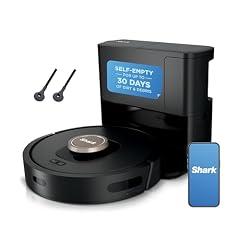
Shark AV2501AE AI Robot Vacuum with Self-Empty Base
Overview
This product is a dry, Wi-Fi-connected robot vacuum with a LiDAR navigation turret, a bagless self-emptying dock, two side brushes, and a self-cleaning main brushroll. It is intended for routine debris and pet-hair collection from hard floors and carpets. There is no mop, water tank, dirty-water tank, or cleaning solution system. Shark lists a one-year limited warranty, a 120-volt dock, and a 60-day dock capacity. Shark states that the dock uses true HEPA filtration rated to capture 99.97% of dust and allergens down to 0.3 microns. Independent testing of the closely related product family found good sealing of fine particles, but did not test filtration at the self-emptying dock. Independent testing also confirms organized LiDAR mapping in darkness, while finding weak pet-hair removal on low-pile carpet and incomplete hair-wrap prevention.
What works
- The dry-only design avoids dirty-water tanks, wet pads, detergent exposure, and associated odor or microbial maintenance.
- The manufacturer sells exact-family maintenance parts, including filters, a front wheel, dust bins, brushroll door, and self-emptying base components.
- Independent testing found good fine-particle sealing from the vacuum and effective debris pickup on bare floors.
- The current SharkClean app documents account deletion availability and encryption in transit in its Google Play data-safety disclosure.
What does not
- Independent testing found poor pet-hair pickup on low-pile carpet, where the brush can press hair into fibers and require repeat runs.
- The self-cleaning brushroll is not maintenance-free. Independent and hands-on testing found that long hair can still wrap around it.
- The product claims object avoidance, but independent review found no camera-based object recognition and warned that low obstacles, cords, and similar hazards may not be avoided.
- The 99.97% HEPA statement is manufacturer-stated. No exact-product ASTM F1977 filtration report or independently measured dock leakage result was located.
- A traceable exact-product UL, ETL, or CSA listing was not located in the checked public certification registers.
Who is it for
This product fits a household seeking scheduled dry vacuuming of open hard floors, with rugs or higher-pile carpet, and wanting a bagless dock instead of recurring disposable dust bags. It is particularly practical where the floor can be prepared before a cleaning run by picking up cords, toys, bowls, and pet messes. The dock reduces routine emptying, and the LiDAR system supports room mapping and no-go zones. Buyers should still expect to inspect and clean the brushroll and filters regularly.
Who is it not for
It is not suited to homes where pet hair is concentrated in low-pile carpet, because independent testing found weak pickup there and hair can still wrap around the roller. It is also a poor fit for households that need reliable avoidance of pet waste, charging cords, small toys, or low objects. The product lacks a mop, so it cannot address dried spills or wet-floor cleaning. People with severe dust sensitivity may prefer a product with independently documented whole-system and dock filtration testing.
Integrity
The useful health feature is the dry, bagless self-emptying design, which reduces direct contact with the robot's small onboard bin. Shark states that the dock has true HEPA filtration rated for 99.97% capture down to 0.3 microns. Independent testing found good fine-particle sealing from the vacuum itself, but did not verify the dock's filtration or dust release during bin emptying. Empty the dock carefully and maintain its filters, especially in homes with allergy concerns. This product has no water, mop pads, or proprietary cleaning liquid, avoiding those consumables and their hygiene burden. Its bagless dock also avoids disposable dust bags. Filters, side brushes, the brushroll, and other wear parts remain consumables. Shark lists several exact-family replacement parts, which can extend service life, although a complete public repair manual and official replacement battery listing were not located. Public searches did not identify an active CPSC recall specific to this product.