
10 Best Roborock
 Lauren Wilson
Please note that we participate in affiliate marketing programs. When you purchase through links on our site, we may earn a commission. As an Amazon Associate we earn from qualifying purchases. This comes at no additional cost to you and helps support the resources required to provide valuable content.Advertising Disclosure
Top-rated Roborock Comparison
1

2
4

5
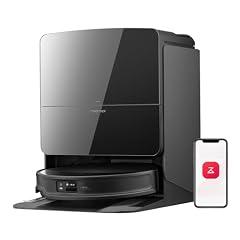
6
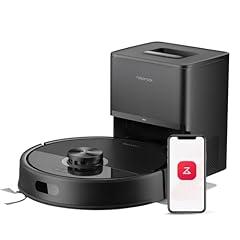
7
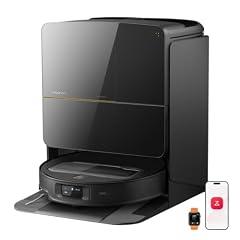
8

9

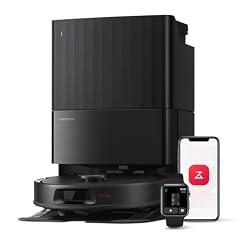
Overview
Robot vacuums combine automated dry pickup, mapping, obstacle sensing, and on many models wet mopping. Some docks also empty debris, wash mop pads, refill water, and dry the pads. The useful question is not which product advertises the highest suction number, but whether it delivers repeatable cleaning in the surfaces and conditions found in your home, while controlling dust, dirty water, hazards, connected data, and recurring waste.
Cleaning performance depends on debris type, floor surface, carpet pile, edge access, hair handling, mop design, coverage, and the test conditions. Independent results are more informative when they identify the exact product, debris load, floor, cleaning mode, number of passes, and repeat count. Standardized references include IEC/ASTM 62885-7:2020 for dry-cleaning robots, IEC 62885-6 for wet hard-floor cleaning, ASTM F608 for embedded dirt, and ASTM F558 for airflow or suction where those methods are used. A high Pa figure is only a motor or pressure claim; it does not establish carpet pickup, edge cleaning, mopping, hair handling, or whole-home coverage. Runtime and claims such as “zero tangling,” “100% edge cleaning,” or multi-week bag life can also depend on internal testing or narrow conditions.
For electrical safety, look for an exact product, dock, charger, and battery record in UL Product iQ, Intertek’s ETL Listed Mark Directory, or CSA Group’s Product Listing database. FCC authorization establishes radio compliance, not protection against shock, fire, overheating, or charging faults. Check the CPSC Recalls database and SaferProducts.gov for product-specific reports. A lithium-ion battery, grounded dock, or stated voltage is useful basic information, but it is not the same as current third-party safety certification.
Indoor-air performance concerns the complete dust path, not just a washable filter or a sealed-looking disposable bag. Strong evidence would include an independent ISO/IEC 17025 laboratory report for whole-machine particle emissions or filtration, supported by a disclosed method such as ASTM F1977 or applicable IEST filter testing. Without that evidence, a bag may reduce exposure during emptying, but high-efficiency allergen containment remains unproven.
Wet-mop hygiene depends on more than hot-water washing. Separate clean and dirty tanks, removable pads and trays, accessible cleaning points, drainage, and complete drying can reduce retained soil and moisture, but they do not automatically prove microbial reduction, odor control, or prevention of transfer between rooms. Look for exact-model maintenance instructions and independent microbial, ATP, moisture, or odor testing. Owners still need to empty dirty water and clean tanks, trays, filters, and pads.
Connected models can hold maps and device, account, camera, microphone, or voice data. Buyers should look for a published vulnerability-reporting process, minimum security-support period, transparent privacy terms, secure account controls, and a way to disable connectivity when appropriate. A smart-home or FCC record alone does not establish strong privacy protection. For service life, check battery, brush, wheel, sensor, filter, tank, bag, pad, and dock-part availability, repair documentation, warranty terms, and software support. Environmental claims should be backed by a product-specific ISO 14040/14044 lifecycle assessment, an ISO 14025 environmental declaration where claimed, packaging disclosure, and practical U.S. recycling or take-back access.
Across the supplied reviews, recurring safety caveats are clear: do not rely on obstacle avoidance around cords, small toys, liquids, pet waste, rug tassels, or unprotected stairs; prepare rooms and use physical barriers or no-go zones. Several products missed or dragged low objects, and one wet-cleaning product had reported dirty-water-tank leakage. Steam and hot-water floor cleaners add burn risk. No supplied product established category-wide HEPA-level whole-machine filtration or universal sanitation, so buyers with severe allergy, contamination-control, or validated-safety requirements should not assume those protections from marketing language alone.
Integrity
These topics separate convenience features from evidence about exposure, household safety, maintenance burden, longevity, and environmental impact. Scores reflect the supplied reviews; a higher score indicates stronger documented support relative to the other products, not proof that every risk has been eliminated.
HHealth & Safety
Electrical and battery safety
This measures third-party certification for the robot, dock, charger, and lithium-ion battery, plus the absence of unresolved U.S. fire, shock, burn, or overheating action. It matters because these products combine charging electronics, heated docks, water, and high-energy batteries. Among the supplied products, the strongest score was 84 where an exact dock heating component was traceable in UL Product iQ; products around 70-73 generally lacked public exact-model UL, ETL, or CSA listings.
Indoor-air and allergen control
This measures whether the complete dust path captures fine dust instead of re-emitting it, including filtration, seals, exhaust, and dust emptying. A washable filter or bag can help with handling but does not establish whole-machine HEPA performance. The supplied scores were tightly grouped, from 68 to 73, because no public whole-machine particle-emission or sealed-system report was located for the products reviewed. Higher-scoring products had better documented dust-bag or filter features, but allergen containment remained unproven.
Mop hygiene and dirty-water control
This measures separation of clean and dirty water, pad and tray access, washing, drainage, and complete drying. It matters because an unattended damp pad or dirty tank can retain soil, odor, or moisture and potentially transfer it between rooms. Scores ranged from 65 for a product with limited independent hygiene evidence to 83 for a guided hard-floor cleaner with documented dirty-tank controls and self-cleaning. Hot water or drying alone was not treated as proof of sanitation.
Navigation and household safety
This measures avoidance of stairs, cords, liquids, pet waste, people, and pets, using independent testing and exact-model warnings. It matters because mapping and obstacle-recognition claims are not fail-safe controls. Scores ranged from 45 to 84. The higher-scoring products had independent obstacle or pet-waste results; lower-scoring products ran over or dragged cords, toys, pet waste, or other small objects. Room preparation and physical barriers remain necessary.
Home privacy and cybersecurity
This measures protection of maps, cameras, microphones, accounts, and app-controlled functions, including security updates and data practices. Connected cleaners can reveal floorplans and may include cameras, microphones, remote viewing, or voice features. Scores ranged from 69 to 78. Higher-scoring products had published vulnerability channels, encryption or local-processing descriptions, reset options, or defined support periods. A connected product still requires account security and careful privacy settings.
EEcology
Repairability and service life
This measures whether batteries, filters, brushes, wheels, sensors, tanks, pads, bags, and dock parts can be maintained or replaced, along with repair documentation and software support. It matters because replacing a connected appliance creates more material impact than maintaining it. Scores ranged from 72 to 79. Higher-scoring products had accessible maintenance instructions and official wear parts; lower-scoring reviews noted conditional parts availability, short support horizons, or limited repair documentation.
Water, energy, and consumables burden
This measures recurring electricity, water, detergent, heated washing or drying, disposable bags, filters, and pads. It matters because automation can shift labor into material and energy use. Scores ranged from 61 to 74. Products with passive mops avoid dock washing but require manual laundering; wash-and-dry docks reduce handling but use water, heat, bags, and replacement parts. The reviews generally lacked independent measurements of total energy and water use.
Verified environmental impact
This measures product-specific lifecycle, packaging, materials, and end-of-life evidence rather than broad green language. It matters because a battery-powered appliance with a large dock and recurring consumables has impacts beyond its cleaning cycle. Scores ranged from 68 to 70, reflecting the absence of product-specific lifecycle assessments, environmental declarations, packaging disclosures, or clearly documented U.S. take-back programs across the supplied products. Battery-removal and professional-recycling instructions were useful but limited evidence.
EEvidence
Proven floor-cleaning performance
This measures pickup, carpet debris removal, edge cleaning, hair handling, mopping, and coverage in realistic, disclosed testing. It is the most consequential evidence topic because suction figures alone do not predict results. Scores ranged from 62 to 89. Higher-scoring products had independent debris, carpet, pet-hair, mopping, or coverage results; lower-scoring products relied mainly on manufacturer claims or had documented weaknesses such as poor carpet edges, pet-hair pickup, or basic mopping.
Claims that match the evidence
This measures whether claims about suction, AI, obstacle avoidance, hair, hygiene, runtime, thresholds, and sustainability state accurate limits and conditions. It matters because several reviews found broad claims that exceeded the available testing, including conflicting suction figures, universal zero-tangle language, edge-coverage claims, and headline steam temperatures measured internally rather than at the floor. Scores ranged from 52 to 82; higher scores generally used more qualified claims or had clearer supporting tests.
Independent verification
This measures whether important safety, cleaning, filtration, cybersecurity, and environmental claims can be checked in public third-party records. Scores ranged from 69 to 80. The strongest supplied evidence included a UL-listed dock, FCC equipment records, independent cleaning or obstacle testing, and identified certification or test records. Even the higher-scoring products commonly lacked public whole-machine filtration, energy, water, microbial, or lifecycle reports, so verification was strongest in selected areas rather than comprehensive.
Full reviews
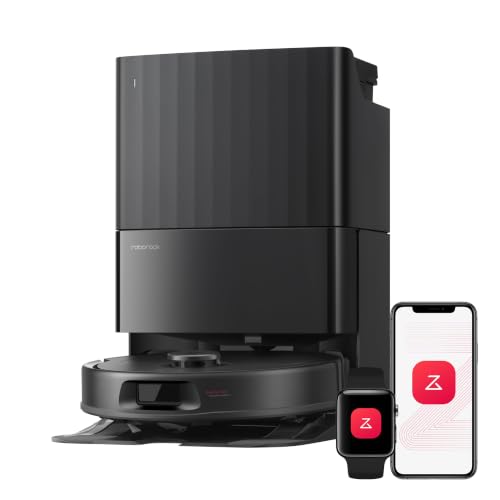
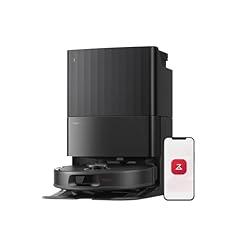
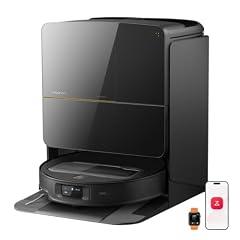
Roborock Qrevo S Pro Vacuum and Mop
Overview
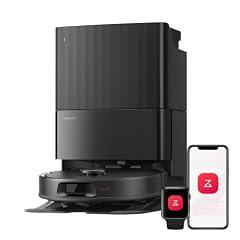
This is a Wi-Fi connected robot vacuum and mop with a 5,200 mAh lithium-ion battery, dual spinning mop pads, LiDAR mapping, structured-light obstacle sensing, and a large floor dock. The robot measures 13.78 by 13.90 by 3.80 inches. The dock measures 13.39 by 19.17 by 20.43 inches and handles dust emptying, mop washing, water refilling, and warm-air drying. Roborock states that the dock washes mops with heater output up to 167 F and dries them with air up to 113 F. Those are manufacturer test figures, not independent hygiene results. The 18,500 Pa suction claim is also manufacturer-tested. Independent records are stronger for two narrower points, the listed dock model appears in UL's Canadian vacuum-cleaner certification record, and SGS lists this robot model under a valid performance certificate for zero side-brush hair entanglement.
What works
- The exact robot model is included on a valid SGS Performance Tested certificate for zero side-brush hair entanglement.
- The dock model documented for the US configuration appears in UL's certified vacuum-cleaner listing for Canada.
- The product has a detachable dock base, mop washing, dirty-water handling, and warm-air drying, which are useful hygiene mechanisms when routinely cleaned.
- Roborock publishes a vulnerability reporting channel and commits to at least two years of security updates for robotic vacuums.
- Roborock provides official repair channels and says certain parts and service information may be available to consumers and independent repair providers.
What does not
- No public independent whole-machine HEPA, sealed-system, or particle-emission result was identified. The stated 99.9 percent pollen filtration figure is a narrow manufacturer-presented claim.
- No disclosed independent testing was found for this product's pickup, mopping, edge cleaning, obstacle avoidance, cords, pet waste, cliffs, or low-light performance.
- The product requires the Roborock app and acceptance of its terms to function as intended, which creates an account and cloud-data dependency.
- Heated washing, warm-air drying, water use, disposable dust bags, filters, and mop pads add ongoing electricity, water, and consumables burdens.
- No product-specific lifecycle assessment, environmental product declaration, packaging-material disclosure, or US take-back program was identified.
Who is it for
It suits households that want scheduled vacuuming and light wet mopping across mixed hard floors and rugs, and that have room for a 20-inch-tall dock near power and water access for filling the tank. It is particularly relevant for homes with shedding pets or long hair, because the side-brush anti-tangle result has third-party certification. It also fits users willing to inspect the mop tray, empty dirty water, replace dust bags, and manage cleaning maps through the app rather than expecting a maintenance-free appliance.
Who is it not for
It is not a good fit for people who need independently proven allergen containment, validated pet-waste and cable avoidance, or documented safety performance around stairs and liquids. Households with infants, frail people, loose cords, frequent floor clutter, pet accidents, or accessible stairs should not treat its structured-light sensing as a substitute for preparing and supervising the area. It also does not suit buyers who avoid app accounts, cloud-connected appliances, disposable dust bags, heated drying, or regular dirty-water tank cleaning.
Integrity
The US configuration identifies a 14.4 V, 5,200 mAh lithium-ion battery and a 120 V dock. The documented dock model is listed by UL in its Canadian vacuum-cleaner certification directory. The robot's Wi-Fi radio also has FCC authorization records. No CPSC recall specific to this product was identified in the recall search conducted for this review. For hygiene, the dock's wash and warm-air drying functions are manufacturer-stated aids, not proof of microbial reduction. A detachable base may make physical cleaning more practical, but users still need to wash the tray and manage dirty water. Roborock's disposal instructions say the battery should be removed only for end-of-life recycling. The company offers repair support and some parts on request, but it does not publish a product-specific lifecycle assessment, US take-back program, or clear long-term parts commitment.

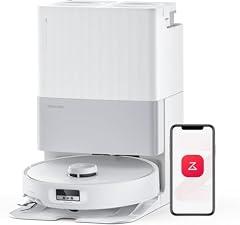
Roborock Q10 S5+ Robot Vacuum and Mop
Overview
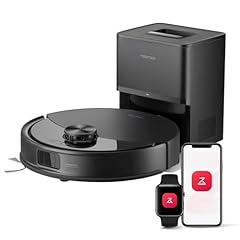
This is a round, Wi-Fi connected robot vacuum and mop with a LiDAR turret, a 5,200 mAh lithium-ion battery, a vibrating cloth mop, and a compact auto-empty dock. The robot is 13.9 inches wide and 3.9 inches high. Its dock moves collected debris into a disposable 2.7 L dust bag, but it does not wash, dry, or refill the mop system. Roborock states 10,000 Pa suction, carpet sensing, mop lifting, multi-floor maps, and structured-light obstacle avoidance. Independent reviewers found notably strong carpet pickup and hair anti-tangle results, while also finding weak avoidance of cords, small objects, and simulated pet messes. The product therefore needs a prepared floor and hands-on mop care, despite its automatic emptying function.
What works
- Independent testing recorded 96% embedded-carpet debris pickup and no tangling in a 7-inch hair test.
- The auto-empty dock transfers debris from the robot into a 2.7 L disposable bag, reducing routine bin handling.
- The manual specifies a removable washable filter, removable mop cloth, and a battery that can be accessed for end-of-life removal.
- Roborock publishes a two-year minimum software security-update commitment and a vulnerability-reporting channel.
What does not
- Independent obstacle testing was poor. Reviewers found missed small obstacles, cord tangles, furniture entrapment, and runs over simulated pet messes.
- The dock does not wash or dry the mop cloth. The manual requires washing and air-drying it after every use to limit odor and soil transfer.
- Public exact-product evidence does not establish HEPA-grade filtration, sealed whole-machine particle containment, or an independent filtration test.
- The auto-empty system depends on disposable dust bags, and Roborock does not publish product-specific energy, lifecycle, or environmental-impact data.
Who is it for
This product suits someone with mostly open hard floors or low-pile carpet who wants scheduled maintenance cleaning and less frequent dust-bin emptying. It is especially practical where hair and ordinary dry debris are the main messes, provided the floor is cleared before each run. The owner should be willing to remove, wash, and fully air-dry the mop cloth after mopping, replace disposable dock bags, clean the washable filter, and use the app for room settings and no-go areas.
Who is it not for
It is not appropriate for homes that routinely have loose charging cords, small toys, socks, pet bowls, cluttered furniture legs, or possible pet accidents on the floor. Independent tests indicate that its object avoidance can miss these hazards. It is also a poor fit for anyone needing a self-washing, self-drying mop system, verified HEPA-level allergen containment, or documented whole-machine filtration. Households unable to inspect and wash the mop after each use should avoid using it for wet cleaning.
Integrity
The product uses a 14.4 V, 5,200 mAh lithium-ion battery and a 120 V auto-empty dock. Its manual requires the specified dock and power supply, warns against rinsing the robot or dock, and gives instructions for removing the battery before sending it to a professional recycling facility. Public checks did not establish an exact-product UL, ETL, or CSA electrical-safety listing. Mop hygiene is a meaningful limitation. The manual says to empty unused water, wash the cloth after each use, and air-dry it to prevent odors. The dock only empties dry debris, so it does not manage dirty water or dry the cloth. Roborock offers official repair channels, a one-year limited warranty, selected replacement parts, and at least two years of security updates. It also publishes a privacy policy and a vulnerability disclosure process, though the product relies on a connected account and app ecosystem.

Roborock Qrevo S5V Vacuum and Mop
Overview
This product is a Wi-Fi robot vacuum and dual spinning-mop system with a floor dock. The dock empties collected debris into a disposable bag, washes the mop cloths, refills the robot from a clean-water tank, and uses warm air drying. The robot measures about 13.8 by 13.9 by 3.8 inches and uses a 14.4 V, 5,200 mAh lithium-ion battery. Roborock states 12,000 Pa suction, a 10 mm mop lift, structured-light obstacle sensing, and an anti-tangle brush system. Independent testing provides stronger support for cleaning than for navigation, measuring 92% embedded-sand removal from carpet, 92% flattened pet-hair removal, and no wrapped hair in a 7-inch test. The same independent test found poor small-object avoidance.
What works
- Independent testing found strong carpet deep cleaning and flattened pet-hair pickup.
- Independent 7-inch hair testing found no hair wrapped around the main brush.
- The docked dust bag seals when removed, which can reduce direct contact with collected dust.
- The manual documents removable mop cloths, a removable cleaning tray, a dirty-water tank, and warm-air drying.
- Roborock publishes a vulnerability-reporting channel and commits to at least two years of security updates from official sale.
What does not
- Independent obstacle testing was poor, with only 6 of 24 objects avoided, creating a real risk around cords, small toys, liquids, and pet waste.
- No public exact-product UL, ETL, or CSA electrical-safety listing was located during this review.
- The washable filter and sealed disposable bag are documented, but no public whole-machine HEPA or fine-particle emission test was located.
- Mop washing and drying are documented, but no public microbial, odor, or moisture-retention validation was located.
- The system uses disposable dust bags, replacement filters, mop cloths, brushes, water, and heated drying. Product-specific energy, water, and lifecycle data were not published.
Who is it for
This product suits a household with mostly open hard floors and carpets, routine pet hair or long hair, and an owner willing to clear floors before scheduled runs. Its documented dock reduces daily handling of dust and mop cloths, while the independently tested carpet pickup and hair-tangle control support frequent maintenance cleaning. It is also appropriate for users comfortable using a 2.4 GHz Wi-Fi app and maintaining water tanks, the tray, filters, and bags on the stated schedule.
Who is it not for
It is not suited to homes where runs must safely proceed around charging cables, small children’s toys, pet waste, loose clothing, floor-level water, or other small hazards. Independent testing found weak obstacle avoidance, and the manual itself directs users to remove wires and fragile or dangerous items before cleaning. It is also a poor fit for people seeking publicly verified HEPA whole-machine filtration, exact-model U.S. electrical certification records, or independently validated mop sanitation. Do not run it unsupervised in a child’s sleeping room.
Integrity
The product has a 14.4 V, 5,200 mAh lithium-ion battery and a 120 V dock. Its manual gives battery-removal instructions for end-of-life recycling and directs users to a professional battery recycler. It also warns against water on the operating floor, cord hazards, wet cleaning of charging contacts, and use near people or pets without precautions. No exact-product CPSC recall was located during this review, but no public exact-model UL, ETL, or CSA listing was located either. For hygiene, the dock separates clean and dirty water, washes the mop cloths, provides warm-air drying, and has a removable tray and filter. Those are useful maintainability features, not proof of microbial sanitation. The removable dust bag seals on removal, while the robot uses a washable filter. Roborock offers official repair channels, selected replacement parts, a trade-in program, a vulnerability disclosure policy, and at least two years of software security updates. It does not publish product-specific lifecycle, packaging, energy, or water-use verification.
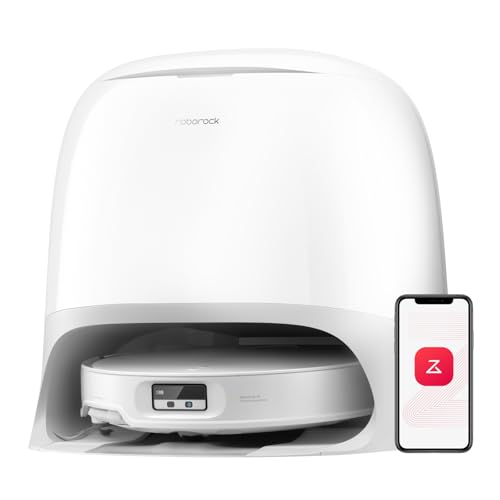
Roborock Qrevo CurvX Robot Vacuum and Mop
Overview
The Roborock Qrevo CurvX is a Wi-Fi connected robot vacuum and mop with a separate emptying, mop-washing, water-refilling, and drying dock. The robot is 3.14 inches high, uses a 14.4 V, 6,400 mAh lithium-ion battery, and has dual spinning mop pads, a retracting LiDAR sensor, structured-light sensing, and an RGB camera. Its dock uses disposable dust bags and runs from a grounded 120 V outlet. The defining evidence is its independently tested cleaning: Vacuum Wars measured 92% embedded-sand removal from medium carpet and no tangles in a 7-inch hair test. The same reviewer found above-average obstacle avoidance, though the manufacturer manual still requires users to clear cords, liquids, fragile items, and unguarded drops before a run. Roborock documents hot-water mop washing and warm-air drying, but no public microbial hygiene test or whole-machine allergen-emission test was located.
What works
- Independent testing found strong deep-carpet pickup, with 92% embedded-sand removal in a timed medium-carpet test.
- Independent testing found zero tangles in a 7-inch hair assessment, supporting the practical value of the dual-brush design for long hair.
- The dock automatically washes mop pads, refills the robot, dries pads, and transfers collected debris to a disposable bag, according to the product manual.
- The manual provides explicit maintenance and replacement guidance for filters, brushes, mop cloths, tanks, tray parts, and the removable battery at end of life.
What does not
- No exact-product UL, ETL, or CSA electrical safety listing was confirmed in the public certification records reviewed. FCC radio compliance is not an electrical safety certification.
- The washable filter and bagged dock are documented, but no HEPA rating, sealed-system claim, or independent whole-machine allergen containment test was found.
- Mop washing and drying are documented, but no independent microbial, odor, moisture-retention, or cross-contamination testing was located.
- Independent testing measured relatively high water output at the lowest setting, more than twice that reviewer's category average. This was not reported to cause streaking in follow-up use, but it can increase water use.
- Camera, map, device-status, and usage data functions are part of the connected product. Roborock publishes controls and a privacy policy, but no model-specific minimum security-update period or independent cybersecurity certification was found.
Who is it for
This product suits a household with mostly hard floors plus area rugs or medium-pile carpet, especially where long hair or pet fur makes brush cleaning a frequent chore. It is also suited to someone who wants dock-based mop washing, drying, water refill, and dust transfer, and who can give the dock permanent floor space near a grounded outlet. It works best for a buyer comfortable using an app, maintaining dirty-water and clean-water tanks, replacing dust bags and mop cloths, and preparing rooms before autonomous runs.
Who is it not for
It is not suited to households that need verified HEPA-level allergen containment, publicly confirmed electrical safety listing, or independently verified mop sanitation. It also needs active room preparation, so it is a poor fit where cords, pet accidents, floor liquids, small toys, fragile objects, or unguarded loft edges are routinely left out. People who do not want an RGB-camera-equipped, cloud-connected appliance, or who require a published long-term security-support commitment, should consider a product with those protections documented. High-pile carpets are also outside the manual's preferred conditions.
Integrity
The product has meaningful practical safeguards, including cliff sensors, a grounded 120 V dock requirement, and manual warnings to keep liquid, cords, sharp debris, fingers, pets, and unguarded elevated edges away from its route. Its camera and voice-related functions can be disabled according to Roborock's privacy materials. The manufacturer also describes physical activation and password protection for video features. FCC radio compliance is documented for the product and dock, but that does not establish UL, ETL, or CSA electrical safety certification. For hygiene, the dock has separate clean- and dirty-water tanks, automatic pad washing, drying, a removable cleaning tray, and a bagged dust path. Users still need to empty and rinse the dirty-water tank, clean the tray, and replace pads every one to three months. The product creates recurring waste through disposable dust bags, pads, filters, and brush parts, and its measured mopping water use was relatively high. The manual provides battery-removal instructions for disposal and directs owners to professional battery recycling, while Roborock offers a U.S. recycling and trade-in pathway.

Roborock Saros 10R Robot Vacuum and Mop
Overview
This product is a Wi-Fi robot vacuum and dual rotating-mop system with an empty, wash, fill, and drying dock. The exact manual specifies a 14.4 V, 6,400 mAh lithium-ion battery, a grounded 120 V dock, washable robot filter, removable mop cloths, separate clean and dirty-water tanks, and a disposable dock dust bag. It is intended for routine hard-floor and carpet cleaning, then dock-based emptying and mop care. Roborock states that the body is 3.14 inches tall and uses camera, microphone, solid-state sensing, cliff sensors, and app control. Independent testing found excellent hard-floor and edge pickup, strong pet-waste avoidance, and good mopping, but weaker carpet-edge fine-debris and embedded pet-hair pickup. The product requires the Roborock app to function as intended.
What works
- Independent testing found excellent hard-floor pickup, including edges and corners.
- Independent testing found strong obstacle handling and reliable pet-waste avoidance in ordinary rooms.
- The manual documents removable mop cloths, washable filter, dirty-water tank, removable cleaning tray, and a dust bag that seals when removed.
- Roborock publishes a vulnerability-reporting channel and commits to at least two years of security updates for robotic vacuums.
What does not
- No public exact-product UL, ETL, or CSA electrical-safety listing was identified during verification, despite the hot-water dock and lithium-ion battery.
- There is no public whole-machine HEPA, sealed-system, or particle-emission test, so allergen containment is unproven.
- Independent testing found inadequate embedded pet-hair pickup and a need for repeated passes on carpet. USB cords and rug tassels can still cause problems.
- The dock uses water heating, hot-air drying, cleaning solution, disposable dust bags, and replacement wear parts. Product-specific energy, water, lifecycle, and packaging impact data were not published.
Who is it for
This product suits a household with mostly hard flooring, low-clearance furniture, and a preference for automated mop washing, drying, and dust emptying. It is particularly relevant where pet accidents, toys, furniture legs, and mixed everyday obstacles make navigation interruptions costly. The buyer should be comfortable using a required app, maintaining water tanks and the tray, buying dust bags and wear parts, and paying for a premium docked cleaning system. It is more appropriate for routine maintenance cleaning than for replacing deep carpet cleaning.
Who is it not for
It is not a good fit for homes with substantial deep-pile carpeting or lots of embedded shedding-pet hair, because independent testing found weak pet-hair pickup and poor fine-debris performance at carpet edges. It also needs floor preparation. The manual tells users to clear cords and fragile items, and to use a physical barrier at unprotected elevated edges. People with severe dust-allergen concerns should note that whole-machine filtration and dock sealing have not been independently verified. Privacy-sensitive households should consider the required app, camera, microphones, and cloud processing disclosures.
Integrity
The exact manual identifies a lithium-ion battery, grounded 120 V dock, heated mop washing, and hot-air drying. It gives useful safety controls, including warnings to keep the dock away from heat and water, use only the specified dock, clear cords, protect unguarded drops, and avoid touching hot-water dispensers and drying outlets. Its FCC Part 15 declaration supports radio compliance, but it is not an independent electrical-safety listing. No public exact-product UL, ETL, or CSA listing was identified in this review. For hygiene, the dock separates clean and dirty water, washes mop cloths, dries them, and has a removable tray and filter that the manual instructs users to rinse. The dock also relies on disposable dust bags, although the bag seals on removal. Roborock gives battery-removal instructions for end-of-life recycling and publishes repair and parts-request policies. It does not publish product-specific lifecycle assessment, packaging-material, energy-use, water-use, or whole-machine air-filtration data.

Roborock Q7 M5+ Vacuum and Mop
Overview
This product is a round indoor robot vacuum with a detachable drag-mop module and an auto-empty dock. The robot uses a 14.4 V, 3,200 mAh lithium-ion battery, a washable onboard filter, and a disposable 2.7 L dock bag. It connects over 2.4 GHz Wi-Fi for mapping, schedules, water-flow settings, and remote control. Roborock documents LiDAR mapping, cliff sensors, a bagged auto-empty dock, three water-flow levels, and 10,000 Pa suction measured in its own Max+ test. Independent tests of the same Q7 M5 robot platform found good loose-debris pickup on tile and carpet, but only basic mopping. The dock empties dry debris only. It does not wash, drain, or dry the mop cloth, so the owner must remove, wash, and air-dry it after use.
What works
- Independent testing of the Q7 M5 robot recorded 93.3% average loose-debris pickup on tile and 85% on carpet.
- The manufacturer provides a detailed manual with battery, dock, filter, mop, sensor, brush, and wheel maintenance instructions.
- The product uses a disposable dock bag, which avoids handling the robot's collected dust after every cleaning cycle.
- Roborock publishes a vulnerability-disclosure policy and commits to at least two years of security updates for robotic vacuums.
What does not
- Public exact-model UL, ETL, or CSA electrical-safety listing evidence was not identified. FCC compliance is not an electrical-safety certification.
- There is no published whole-machine filtration or particle-emissions result, and no verified HEPA classification for the product's dust path.
- The mop is a passive cloth that the owner must wash and air-dry. The dock has no dirty-water tank, pad washing, drainage, or heated drying.
- Independent reviewers found that long hair could still wrap around the main roller, despite the anti-tangle claim.
- The manual requires cords, liquids, fragile objects, and hazards to be cleared before cleaning. This is LiDAR navigation, not verified small-object or pet-waste avoidance.
Who is it for
This product suits a household that wants scheduled dry-floor maintenance with less frequent dust emptying, especially a home with mostly hard floors, low-pile rugs, and ordinary loose dust or pet debris. It is also suited to an owner willing to prepare rooms by lifting cords and fragile objects, then maintain the washable filter, brush, water tank, and mop cloth. The auto-empty dock can reduce direct contact with collected debris, but the owner should still expect to replace bags and complete mop care manually.
Who is it not for
It is not suited to homes that need verified allergen containment, an independently listed electrical-safety certification, or a self-sanitizing mopping system. Avoid relying on it around uncontained spills, loose charging cables, small toys, pet waste, steep unguarded edges, or sleeping infants, because the manual requires room preparation and physical safeguards. It is also a poor fit for thick or dark carpets, heavy long-hair shedding without brush checks, or delicate carpets that could be crossed with the attached damp mop.
Integrity
The documentation identifies the robot, dock, power supply, and lithium-ion battery models, specifies the supplied charging equipment, and provides fire, shock, battery, cord, liquid, and moving-part warnings. The product's radio compliance statement identifies FCC Part 15 operation, but the verification review did not locate a public exact-model UL, ETL, or CSA electrical listing. No published exact-model CPSC recall was identified in the recall materials reviewed. For hygiene, the manual directs users to empty unused water, wash and air-dry the mop cloth, and dry the washable filter for at least 24 hours before reinstalling it. Those steps matter because the dock does not clean or dry the mop. Ecologically, the product has replaceable bags, filters, brushes, and pads, which create recurring waste. The manual includes battery-removal and professional recycling instructions, but no product-specific lifecycle assessment, environmental declaration, or U.S. take-back program was identified.

Roborock Saros Z70 Vacuum and Mop
Overview
The Roborock Saros Z70 is a battery-powered robot vacuum and spinning-mop system with a large emptying, washing, refilling, and drying dock. The robot measures 13.78 by 13.9 by 3.14 inches. Its manual specifies a 14.4 V, 6,400 mAh lithium-ion battery, while Roborock states 22,000 Pa suction and a 0.3 kg maximum load for the retractable five-axis pickup arm. The dock uses disposable dust bags, clean- and dirty-water tanks, a cleaning-solution cartridge, hot-water mop washing, and warm-air drying. Independent reviewers found very strong dried-stain mopping and highly capable obstacle avoidance. They also found that the arm succeeded only about half the time in one test, and that embedded-debris carpet cleaning was a weaker part of the product's performance.
What works
- Independent testing found strong dried-stain mopping with low residual water left on the floor.
- Independent testing found highly effective avoidance of common test obstacles.
- The dock has separate clean- and dirty-water tanks, removable mop components, hot-water washing, and hot-air drying, as documented in the manual.
- Official replacement bags, mop cloths, washable filters, side brushes, and a main brush are sold in the United States.
- Roborock publishes a vulnerability reporting channel and commits to at least two years of security updates.
What does not
- Independent testing found that fine particles can escape into room air, and the product was not identified as using a HEPA filter.
- The pickup arm is a real moving-part hazard. The manual requires children and pets to be kept away while it operates, and limits loads to 0.3 kg.
- Independent reviewers found inconsistent pickup-arm results, more hair tangling than expected, and reduced battery life when the arm is active.
- The self-empty dock requires disposable dust bags. Mop pads, filters, brushes, detergent, heated washing, and drying add recurring material, water, and electricity demands.
- No public exact-product UL, ETL, or CSA listing was located during this review. Roborock's European declaration is not a substitute for a U.S. electrical safety listing.
Who is it for
This product suits a well-organized home with mostly hard flooring, low furniture, routine mopping needs, and a dedicated space for a large dock connected to a properly grounded outlet. It is most relevant for users who value automatic mop washing, drying, and dust handling, and who can routinely empty dirty water, replace bags, and clean the dock tray. The mechanical arm may be useful for light, predictable objects such as slippers, but should be treated as an occasional convenience rather than a substitute for clearing floors before cleaning.
Who is it not for
It is not well suited to households with severe dust allergies or sensitivities, because independent testing found meaningful fine-particle escape. It also needs caution around infants, unsupervised children, pets, cords, liquids, stairs with low items nearby, fragile objects, medicines, and hazardous items. The manual specifically warns that the moving arm can injure or drop objects and says to keep children and pets away while it operates. Homes dominated by high-pile carpet should also avoid relying on it, since the manual warns performance can be reduced and independent testing found weaker embedded-debris carpet cleaning.
Integrity
The product uses a 14.4 V lithium-ion battery and a grounded 120 V dock. The manual gives practical safety limits, including indoor-only use, dry floors, a correctly grounded outlet, no battery or dock modification, and professional battery recycling. It also warns against touching the arm, hot-water dispensers, drying outlets, or moving hatch components. Public FCC documentation supports radio compliance, but this review did not locate a public exact-product U.S. UL, ETL, or CSA electrical listing. For hygiene, the dock separates clean and dirty water, washes pads with hot water, dries them with warm air, and has a removable tray. These functions can reduce damp-pad odor when maintained, but they do not establish whole-system microbial control. The washable filter and replaceable cloths reduce some waste, while disposable dust bags, detergent, periodic filters and brushes, heated washing, drying, and a large lithium-ion device create ongoing consumables and energy burdens. Roborock publishes repair, security-update, and vulnerability-reporting policies, though product-specific lifecycle impact data was not found.
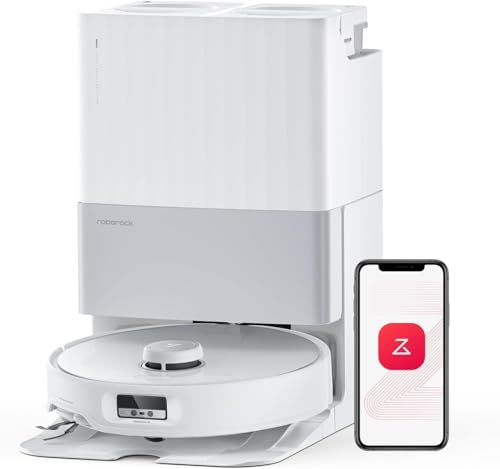
Roborock Qrevo Edge Robot Vacuum and Mop
Overview
This is a Wi-Fi connected robot vacuum and spinning-mop system with a charging dock that also washes pads, dries them, refills the robot water tank, and transfers collected dust into a disposable bag. The documented U.S. model uses a 14.4 V, 6,400 mAh lithium-ion battery. Its dock is a grounded 120 V appliance, with hot-water pad washing and warm-air drying. It has LiDAR, a camera-based obstacle-recognition system, microphones, and remote-viewing functions. Roborock states 18,500 Pa suction, a liftable chassis, edge-reaching brush and mop arms, and hot-water washing. Independent Vacuum Wars testing supports strong debris, hair, carpet, threshold, and dried-stain results, including no tangling in its 7-inch hair test. The same evaluator found obstacle avoidance only moderately dependable and found water use could leave streaks. Public exact-model filtration and electrical safety test reports were not located.
What works
- Independent testing found no brush tangling with 7-inch hair and strong pet-hair pickup.
- Independent testing confirmed that the liftable chassis crossed 40 mm thresholds.
- The dock has separate clean- and dirty-water tanks, removable tray components, pad washing, drying, and a sealing disposable dust bag.
- The published support policy covers security updates for this robot model through February 1, 2027, and Roborock maintains a vulnerability-disclosure channel.
What does not
- Independent obstacle testing avoided about 66% of tested objects, so cords, pet waste, liquids, and fragile items still need to be cleared first.
- The manual requires a physical barrier at raised edges and warns that sensor failure can cause falls.
- No public exact-model UL, ETL, or CSA electrical listing, whole-machine particle-emission test, or HEPA filter efficiency report was located.
- The dock uses disposable dust bags, and the manual specifies recurring replacement of mop cloths, filters, brushes, and side brushes. Independent testing also found enough water use to raise streaking concerns.
Who is it for
This product fits a household with mixed hard floors and carpet, long hair or shedding pets, and interior transitions that defeat ordinary low-clearance robots. It is especially relevant where a self-washing dock reduces daily pad handling, but the owner is willing to empty dirty water, clean the tray, replace consumables, and clear cables before runs. For a used-like-new marketplace unit, it suits a buyer who can confirm the included dock, water tanks, pads, bag, power cord, and applicable warranty before use.
Who is it not for
It is not appropriate for homes that routinely leave charging cords, pet accidents, spills, small toys, or fragile objects on the floor, because independent obstacle testing was only moderate and the manual tells users to remove such hazards. It is also unsuitable for unguarded lofts, stair edges, elevated furniture, or areas with standing water. People seeking independently documented HEPA-grade whole-machine filtration, a publicly verifiable electrical safety listing, or a no-camera and no-microphone cleaning device should choose a product with those specific records and hardware limits.
Integrity
The dock provides useful hygiene controls, including hot-water pad washing, warm-air drying, separate dirty-water storage, a removable cleaning tray, and a disposable bag designed to seal when removed. These features can limit hands-on contact with collected soil, but they do not substitute for cleaning the dirty-water tank and tray. No independent microbial, odor, or whole-system allergen-containment report for this exact product was located. The robot contains a removable lithium-ion battery, and its manual directs owners to use professional battery recycling at end of life. Brushes, pads, filters, and bags are service items, with published replacement intervals, and compatible mop cloths are sold through Roborock's U.S. store. Roborock publishes a security-support date through February 1, 2027 and a vulnerability policy. Because this model includes remote viewing, a camera, microphones, maps, and app control, privacy-sensitive households should disable functions they do not use and review app permissions.

Roborock Qrevo Series Vacuum and Mop
Overview
This product is a round, app-connected robot vacuum and mop with an empty, wash, and refill dock. Roborock lists a 5,200 mAh lithium-ion battery, dual spinning mop pads, a 330 mL internal dustbin, and a 120 V dock. It is intended for routine hard-floor mopping and vacuuming across mixed floors, then returns to its dock for dust emptying, mop washing, water refilling, and cold-air drying. The 8,000 Pa suction figure, 200 rpm mop motion, LiDAR mapping, and obstacle avoidance are manufacturer-stated specifications rather than standardized results. Independent Vacuum Wars testing reported 90% embedded-sand removal from medium-pile carpet, but also measured modest pet-hair pickup and weak obstacle-avoidance results. The product has a removable dock tray, washable filter, replaceable mop cloths, and a disposable dock dust bag.
What works
- Independent published testing found 90% embedded-sand removal from medium-pile carpet.
- The dock is designed to empty dust, wash mop pads, refill the robot water tank, and cold-air dry pads, according to Roborock documentation.
- The removable dock tray and accessible brushes, filter, pads, and wheel support routine cleaning and maintenance.
- Roborock sells compatible replacement brushes, filters, mop cloths, and dust bags through its US accessories store.
- Roborock publishes a vulnerability-disclosure policy covering its app, vacuums, and IoT servers.
What does not
- Obstacle avoidance was inconsistent in independent hands-on testing, so cords, liquids, pet waste, fragile items, and stair edges still need preparation before unattended runs.
- The manufacturer claims obstacle avoidance, but no public exact-product IEC or ASTM obstacle, cliff, cable, or pet-waste test report was located.
- No public UL, ETL, or CSA listing for the exact robot and dock was located, although the US manual includes FCC compliance information.
- No public whole-machine HEPA, sealed-system, or particle-emission test was located. A washable filter and bagged dock do not by themselves verify allergen containment.
- The dock uses water, electricity, washable pads, replacement filters, and disposable dust bags. The manual also requires regular cleaning of the tray and components.
Who is it for
This product suits a household that wants scheduled maintenance cleaning on mostly clear hard floors, with some low or medium-pile carpet, and has space for a large dock near an outlet. It is most appropriate for people willing to maintain tanks, bags, filters, mop pads, and the removable cleaning tray. Its documented mop washing and refill functions reduce daily handling, while the published carpet test supports use for ordinary tracked-in dry debris between more thorough manual cleaning sessions.
Who is it not for
It is not suited to homes where cords, small toys, liquids, pet waste, fragile objects, or open stair edges may be left in its path. Independent reporting found obstacle avoidance inconsistent, and the manual itself requires users to clear wires and hazardous items. It is also a poor fit for people with a strict verified-HEPA or sealed-filtration requirement, those needing documented allergen-emission testing, or anyone expecting it to replace deep carpet cleaning and manual removal of dried-on floor grime.
Integrity
The product has a built-in lithium-ion battery and a 120 V dock. Its US manual gives battery temperature limits, directs users to use the specified dock, and warns against water on the operating floor, wet cleaning of the dock, and use around loose wires or stairs. The manual also carries an FCC compliance statement and identifies the navigation laser as Class 1. No public exact-product UL, ETL, or CSA electrical listing was located during this review, and no CPSC recall for this product was found. For hygiene, Roborock documents mop washing, cold-air drying, a removable tray, and regular cleaning requirements. These features can reduce handling of dirty pads, but no public microbial, odor, or moisture-retention study for this product was located. The disposable dust bag adds waste, while washable filters and reusable mop cloths reduce some recurring disposables. Roborock sells wear parts, but the product has only a one-year limited warranty and no product-specific lifecycle assessment or US take-back program was located.

Roborock QV35A Robot Vacuum and Mop
Overview
This is a round robot vacuum and mop with a charging dock that automatically empties dust, refills the robot's water supply, washes two spinning mop pads, and uses cold air to dry the pads and tray. The manufacturer lists an 8,000 Pa maximum suction claim, a 5,200 mAh lithium-ion battery, LiDAR mapping, obstacle sensing, liftable mop pads, and a disposable dock bag. The product's cleaning ability has some independent support. Hands-on testing found good everyday vacuuming, edge pickup, mapping, and routine maintenance cleaning. The same test found that dried-on soil, pet-hair-heavy rugs, and obstacle avoidance were weaker points. The manual documents a washable robot filter, cliff sensors, a dirty-water tank, a removable cleaning tray, and a bag that seals when removed. No exact-product public UL, ETL, or CSA electrical listing was located in the checked certification registers.
What works
- Independent hands-on testing found good routine vacuuming, edge pickup, mapping, and practical app controls.
- The dock separates clean and dirty water, washes the pads, uses cold-air drying, and has a removable tray for cleaning, according to the manufacturer documentation.
- The official US parts store lists compatible dust bags, brushes, side brushes, and mop cloths, supporting routine maintenance.
- The manual specifies a 14.4 V, 5,200 mAh lithium-ion battery, dedicated dock compatibility, cliff sensors, and detailed battery and charging precautions.
- Roborock publishes a privacy notice and vulnerability-disclosure policy, including a route for reporting security flaws.
What does not
- No public exact-product UL, ETL, or CSA electrical-safety listing was located, so third-party electrical certification could not be confirmed.
- There is no disclosed whole-machine HEPA, sealed-system, or particle-emission test, so fine-dust and allergen containment are unproven.
- Hands-on testing found obstacle avoidance inconsistent, and the manual still requires users to clear cords, liquids, fragile items, and hazards before runs.
- The mop system uses cold-air rather than heated drying, and the tray, dirty-water tank, pads, and filter require regular manual cleaning to limit odor and residue.
- The battery is built in for normal use, the warranty is one year, and no product-specific lifecycle assessment, packaging disclosure, or US take-back program was found.
Who is it for
This product suits someone who wants automated daily upkeep in an apartment or modest home with mostly hard flooring, ordinary dust, crumbs, and light tracked-in soil. It is particularly relevant for a user willing to set no-go zones, clear floors before scheduled cleaning, empty the dirty-water tank, and clean the dock tray. The self-emptying bag, pad washing, water refilling, and available replacement wear parts can reduce routine hands-on work. It is best treated as a maintenance cleaner alongside periodic conventional vacuuming and deeper mopping.
Who is it not for
It is not well suited to homes where cords, pet toys, liquids, fragile objects, or low items are routinely left on the floor, because the manual requires clearing these hazards and independent testing found obstacle avoidance inconsistent. It is also a poor fit for open loft edges, unbarriered raised surfaces, high-pile carpets, or households expecting it to remove heavy pet hair and dried-on stains without follow-up cleaning. Buyers who require independently confirmed electrical certification, sealed HEPA-level filtration, or a user-replaceable battery should seek a product with those records publicly available.
Integrity
The manual identifies a lithium-ion battery and gives charging, temperature, fire, and disposal precautions. It also specifies a dedicated dock, a polarized plug, cliff sensors, and Class 1 laser compliance. No exact-product recall was located in the checked US consumer-safety records. However, no public exact-product UL, ETL, or CSA electrical listing was found, so electrical safety certification remains unconfirmed rather than independently verified. For indoor hygiene, the dock keeps dirty water in a separate tank and can wash pads, dry them with cold air, and use a removable cleaning tray. These functions can reduce manual contact with soil, but the manufacturer requires regular emptying and cleaning, and no independent microbial, odor, or filtration-emission testing was found. The disposable dock bag creates recurring waste. Official replacement bags, brushes, side brushes, and mop cloths are available, but the one-year warranty, built-in battery, and absence of product-specific lifecycle or US take-back evidence limit the environmental record.