
10 Best Retinol Creams
 Lauren Wilson
Please note that we participate in affiliate marketing programs. When you purchase through links on our site, we may earn a commission. As an Amazon Associate we earn from qualifying purchases. This comes at no additional cost to you and helps support the resources required to provide valuable content.Advertising Disclosure
Top-rated Retinol Creams Comparison
1

2
3
+
4
5
6
7
8
9
Retinol creams: what to look for
Retinol creams are leave-on products intended to moisturize while delivering a vitamin A ingredient. They are marketed for fine lines, uneven tone, texture, dark spots, firmness, or visible photodamage. Whether one works in practice depends on more than the number printed on the front: the retinoid must be correctly identified, present at the stated amount, protected from light and oxygen, and used consistently enough to be tolerated.
Start with the retinoid itself. A meaningful label should name the form such as retinol or retinyl palmitate and state its concentration or amount. A headline such as “1%” may refer to a retinol complex rather than 1% retinol, while “100,000 IU vitamin A per ounce” identifies a labeled vitamin A amount but does not independently confirm retinoid potency. Some supplied products name retinol without giving any percentage; others have conflicting ingredient lists or changed packaging claims. A stated percentage is still a manufacturer claim unless an independent finished-product assay confirms the identity and amount.
The strongest substantiation would include a batch-specific certificate of analysis from an ISO/IEC 17025-accredited laboratory, using a validated HPLC-UV or LC-MS method, with results traceable to the finished product. Buyers should also look for real-time and accelerated stability results, including retinoid testing after opening and through expiry. Retinoids can lose strength or form degradation products when exposed to light, oxygen, heat, or repeated air contact. Airless pumps, opaque packaging, storage directions, and a stated expiry or period-after-opening are useful signals, but packaging alone is not proof of retained potency.
Formula tolerability matters just as much as active strength. A complete INCI ingredient list lets buyers screen for fragrance, essential oils, alcohol, botanical extracts, propolis, tea tree oil, preservatives, and other personal triggers. Human repeat-insult patch testing or a dermatologist-supervised tolerance study for the finished product is more meaningful than a general “dermatologist tested” statement. Preserved, water-containing creams should also have finished-product microbial-limit results and preservative-challenge testing under ISO 11930 and ISO 17516, supported by clean manufacturing controls such as ISO 22716.
Claims should match evidence for the finished cream, not only general retinol research. A controlled human study should identify the product or an equivalent dose and vehicle, report its protocol and results, and support modest claims. “Clinically proven,” “collagen boosting,” “instant lift,” and broad wrinkle or firmness promises are not equivalent to publicly available competent and reliable scientific evidence.
Look for traceable labeling: a complete ingredient list, net contents, responsible company contact, lot information, and honest cosmetic positioning. Independent seals should be verifiable in the issuer’s current register, such as USDA Organic, Leaping Bunny, ANAB, or A2LA records; a brand-created seal is not the same thing. Environmental claims also need package-specific evidence: material details, recycled content, refillability, and recycling instructions accepted for the relevant local program.
Across the supplied products, recurring cautions are important. Retinol can cause dryness, peeling, burning, redness, dermatitis, and increased sun sensitivity, especially when introduced too quickly or used near the eyes. Start gradually, patch test, use nighttime directions where provided, and use daytime sunscreen. People who are pregnant, trying to conceive, or breastfeeding should seek clinician advice; pregnancy avoidance recurs throughout the reviews. Extra caution is warranted with prescription retinoids, isotretinoin, strong exfoliating acids, eczema, rosacea, active dermatitis, damaged skin barriers, or known reactions to fragrance, botanicals, propolis, beeswax, marine collagen, or formaldehyde-releasing preservatives.
Integrity
The standards below separate a plausible retinol moisturizer from one whose active, safety controls, claims, and environmental statements are independently supported. Scores reflect the supplied product reviews; a higher score means the reviewed evidence was stronger for that specific topic, not that every risk was eliminated.
HHealth & Safety
Overall skin-safety profile
This measures whether the complete formula and intended use minimize foreseeable harm during normal facial use. For retinol creams, high-scoring products pair a tolerable base with realistic limits and warnings; lower-scoring products leave more uncertainty around irritation, sensitive skin, or unsuitable users. The supplied scores range from 59 to 75, with stronger profiles generally linked to clearer formulas and precautions.
Active protection through use
Retinoids are sensitive to light and oxygen, so this measures whether packaging, storage directions, and stability evidence help preserve the active through expiry. A high score reflects protective pumps or opaque packaging plus useful storage information; a lower score reflects open jars or no real-time assay evidence. Supplied scores range from 68 to 76, and no product had public stability proof sufficient to remove uncertainty.
Irritation and allergy control
This measures fragrance and sensitizer burden alongside finished-product tolerance evidence. For a potentially irritating retinoid, fragrance-free labeling and a complete ingredient list help buyers screen risks, but alcohols, botanicals, propolis, tea tree oil, or preservatives may still matter. Higher-scoring products reached 76, while lower scores reflected added fragrance, conflicting scent claims, or more unresolved sensitizer concerns.
Safe-use instructions and warnings
This measures whether directions manage gradual introduction, irritation, sun exposure, and vulnerable users. High-scoring products tell beginners to patch test, start once or twice weekly, reduce use when peeling occurs, use sunscreen, and seek advice during pregnancy or breastfeeding. Scores ranged from 50 to 84; the largest gaps came from missing pregnancy, prescription-retinoid, skin-disease, or sun-protection guidance.
Microbial safety after opening
Water-containing creams need effective preservation and clean manufacturing because contamination can occur during repeated use. High scores require finished-product microbial-limit testing and preservative-challenge evidence appropriate to the package, not just a list of preservatives. Supplied scores ranged from 68 to 71, and none had publicly located finished-product microbial or challenge reports, so even higher-scoring products retain an evidence gap.
EEvidence
Verified retinoid dose and identity
This measures whether the product clearly names its retinoid and amount and whether independent testing confirms that labeled active through shelf life. It matters because a “1% complex,” an old package claim, or an unnamed vitamin A ingredient may not equal 1% retinol. Scores ranged from 25 to 78. Higher-scoring products named retinol and a stated percentage, but no supplied product had a public independent finished-batch assay.
Independent batch-quality proof
This measures outside verification of finished-product quality, rather than brand assurances. Strong evidence would be a current, batch-specific certificate from an ISO/IEC 17025-accredited laboratory, with traceable scope and results. Supplied scores ranged from 68 to 70, showing little separation: the reviews repeatedly found no public batch certificate, accredited assay, finished-product stability report, or equivalent traceable proof.
Claims matched to human evidence
This measures whether wrinkle, firmness, tone, collagen, or anti-aging claims are supported by credible human evidence for the finished product or an equivalent retinoid dose and vehicle. General retinol studies cannot automatically substantiate a cream with an undisclosed dose. Scores ranged from 52 to 78; stronger products had relevant category or related-formula research, while weaker ones relied on broad or undocumented marketing claims.
Traceable labeling and regulatory accountability
This measures whether buyers can identify the formula, responsible company, lot, net contents, and honest cosmetic positioning, then report a problem or avoid a batch. High scores reflect complete ingredient declarations and usable company information; low scores reflect conflicting lists, missing ingredients, or unclear responsibility. Supplied scores ranged from 58 to 78, with ingredient discrepancies notably weakening accountability.
EEcology
Lower-waste packaging and credible environmental footprint
This measures whether packaging is right-sized, recyclable or refillable, and supported by recycled-content documentation without misleading green language. For retinol creams, pumps, jars, sticks, tubes, and multi-bottle sets have different material and waste implications, but format alone does not prove a lower footprint. Scores ranged from 68 to 70; no supplied product had complete package-specific recycling or recycled-content evidence.
Meaningful certifications, not self-issued seals
This measures whether organic, cruelty-free, vegan, recycled-content, or GMP claims come from a named independent program and apply to the actual product. High scores require confirmation in a current issuer register, such as USDA Organic Integrity, Leaping Bunny, ANAB, or A2LA records. Scores ranged from 50 to 78; several products had brand or directory claims without a current product-specific certificate.
Full reviews

SimplyVital Collagen Face Moisturizer Cream - 1.7oz
Overview
This is a 1.7 fl oz leave-on cream for the face and neck. The company positions it as a day and night moisturizer for dryness, fine lines, and a firmer-looking complexion. Its directions tell users to apply a small amount to clean, dry skin, begin only one to two times weekly if sensitive, patch test first, and use daytime SPF. A third-party transcription of the product label lists retinol, hydrolyzed marine collagen, hyaluronic acid, aloe, coconut and jojoba oils, avocado oil, chamomile extract, and vitamin E. Retinol is named, but neither the company nor a public batch report gives its percentage. The company says the cream is rigorously tested, but no public batch certificate, stability study, finished-product tolerance study, or independent retinol assay was located.
What works
- The disclosed ingredient list combines humectants and emollients that can support moisturization, including hyaluronic acid, aloe, caprylic/capric triglyceride, jojoba oil, and avocado oil.
- A third-party product-label transcription identifies no fragrance or essential oils, which avoids one common source of avoidable scent exposure.
- The manufacturer gives practical retinol onboarding directions, including a gradual start, patch testing, stopping for irritation, and daytime SPF.
- The manufacturer provides a United States business address, phone number, and customer-support contact, which gives buyers a route for product questions or complaints.
What does not
- The retinoid is identified as retinol, but its concentration is not disclosed and no independent assay confirms the amount in the finished cream.
- No public, batch-specific certificate of analysis, preservative-challenge result, microbial test, stability report, or accredited GMP certificate was located.
- The anti-aging, smoothing, and firming claims are not backed by a public human clinical study of this finished product. Human evidence for retinol cannot establish results here without a verified dose.
- Retinol can irritate skin, and the formula also lists imidazolidinyl urea and chamomile extract. The directions do not specifically address pregnancy, breastfeeding, prescription retinoids, rosacea, eczema, or skin allergy history.
Who is it for
This product suits an adult with normal, dry, or mature facial skin who wants a single moisturizer containing a named retinol ingredient plus humectants and oils, and who is comfortable introducing it slowly. It is most relevant for someone seeking basic hydration alongside gradual work on fine lines, texture, or uneven tone. The 1.7 fl oz size fits a routine face-and-neck cream rather than a body product. Users should already be prepared to patch test, reduce frequency if irritation appears, and use broad-spectrum sunscreen daily.
Who is it not for
It is not a simple choice for people who are pregnant, trying to conceive, or breastfeeding without clinician guidance, because it contains retinol. People using prescription retinoids or isotretinoin, or managing rosacea, eczema, active dermatitis, or a history of cosmetic allergy, should seek tailored advice before adding another potentially irritating retinoid product. It also does not fit vegan shoppers because the listed collagen is marine-derived. Acne-prone users may prefer to consider the listed coconut oil and isopropyl myristate carefully.
Integrity
The ingredient declaration is relatively detailed and identifies retinol, hydrolyzed marine collagen, hyaluronic acid, aloe, oils, vitamin E, and a multi-part preservative system that includes phenoxyethanol, potassium sorbate, and imidazolidinyl urea. The declared list does not include fragrance or essential oils. Retinol still carries an irritation and sun-sensitivity consideration, so the manufacturer’s gradual-start and SPF directions matter. Public evidence was not found for a finished-product patch test, microbiological testing, preservative-challenge testing, or retinol stability through expiry. No independently issued cruelty-free, vegan, organic, recycled-content, or cosmetic GMP certification applicable to this product was located. Marine collagen means it is not vegan. The available product information does not provide package material, recycled-content documentation, refill availability, or package-specific recycling instructions, so its environmental footprint cannot be substantiated beyond the small 1.7 fl oz format. No product-specific FDA cosmetic warning letter or recall was located in the reviewed public sources.

No7 Pure Retinol Night Cream
Overview
This is a 1.69 fluid ounce, water-based night cream for the face and neck. No7 directs users to massage it in at night. Its published ingredient declaration confirms retinol, plus glycerin, shea butter, panthenol, bisabolol, ceramides, cholesterol and peptides. It is sold in a wide-mouth jar, so repeated opening exposes a light-sensitive active to air and light. The company identifies the active as pure retinol and says it uses an encapsulation system, but does not publish the retinol percentage for this cream. No batch-specific independent assay, stability report, microbial certificate, or outside finished-product certification was located. The two-week wrinkle and pigmentation language is based on a manufacturer-stated consumer study of UK women, not a publicly available controlled trial of this exact product.
What works
- The published formula is fragrance-free and contains moisturizing and barrier-supporting ingredients including glycerin, shea butter, panthenol, ceramides and cholesterol.
- Retinol is explicitly named in the ingredient declaration, rather than being implied through a proprietary blend.
- Retailer directions provide useful precautions, including daily SPF, possible sensitivity, and avoiding retinoids during pregnancy or breastfeeding.
- Human research supports topical retinol as a plausible ingredient for gradual improvement in photoaging signs, although this cream's dose is undisclosed.
What does not
- The retinol percentage is not disclosed, so buyers cannot judge potency or connect this cream to studies at a matching dose.
- No public independent batch assay, accredited laboratory certificate, or real-time stability data was found for the finished cream.
- The jar format is not ideal for a light-sensitive retinol, and the company does not publish post-opening retinol retention data.
- Fragrance is absent, but retinol itself can cause dryness, peeling and irritation. Denatured alcohol and benzyl alcohol may also be unwelcome for some reactive skin.
- The wrinkle and pigmentation claims rest on a manufacturer-stated consumer study, with no public protocol, numerical results, or independent replication located.
Who is it for
This product suits an adult seeking a richer, fragrance-free night moisturizer that also contains retinol, especially someone whose routine already includes daily broad-spectrum sunscreen. It may fit normal to drier skin that benefits from emollients such as shea butter, dimethicone and ceramides. The 1.69 fluid ounce size is typical for a face-and-neck moisturizer. It is most practical for a user willing to introduce retinol cautiously and accept that the active concentration and independent batch testing are not publicly disclosed.
Who is it not for
It is not a straightforward choice for someone who needs a disclosed retinol percentage, independently verified active content, or public shelf-life and post-opening stability results. People who are pregnant, breastfeeding, trying to become pregnant, using prescription retinoids, or taking oral isotretinoin should seek clinician guidance and generally avoid retinoid skin care. Those with active eczema, rosacea, marked skin-barrier damage, retinoid allergy, or easily triggered pigmentation should consult a dermatologist before use, since irritation can worsen these concerns.
Integrity
The ingredient list supports the fragrance-free statement and includes humectants, emollients, panthenol, bisabolol, ceramides and cholesterol that may help offset dryness. Retinol remains the main safety limitation. Dermatology guidance advises gradual introduction, sun protection, and avoiding retinoids during pregnancy. The product's retailer precautions appropriately flag sensitivity, sunscreen use, and pregnancy or breastfeeding avoidance. No product-specific FDA recall, warning letter, or public independent finished-product test report was identified in the sources reviewed. No7 states that it does not test formulations on animals. However, No7 itself was not confirmed in the current Leaping Bunny or PETA approved-brand registers reviewed. The company reports that 98% of its paper and wood comes from certified or recycled sources and that its palm oil derivatives meet RSPO standards, but these are company-wide statements rather than package-specific proof. This cream uses a non-refillable jar, with no published recycling instructions or recycled-content documentation for this product.
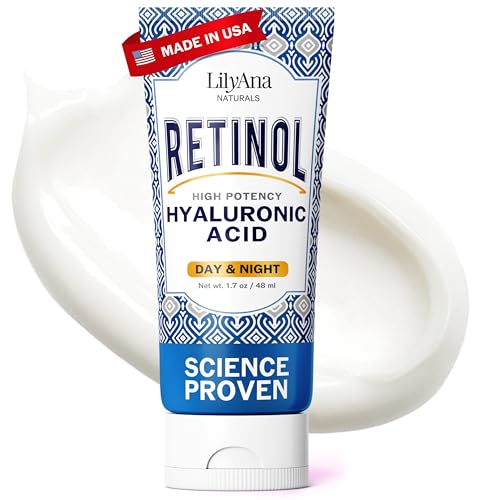
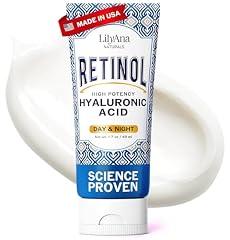
LilyAna Naturals Retinol Cream Anti Aging Moisturizer 1.7oz
Overview
This is a 1.7 oz retinol facial cream in an opaque squeeze tube, intended for the face, neck, and décolletage. The brand lists retinol, aloe juice, glycerin, sunflower and jojoba oils, shea butter, panthenol, botanical hyaluronic acid, plant extracts, phenoxyethanol, and ethylhexylglycerin. It is marketed for hydration and reducing the appearance of lines, dark spots, blemishes, and photodamage. The retinoid identity is clear, it is retinol, but the dose is not. LilyAna says its formula is slightly below 1% retinol and describes a proprietary blend as delivering the results of 2.5% retinol. No public independent batch assay, stability report, finished-product clinical trial, microbial certificate, or preservative-challenge result was located. The brand does provide practical gradual-start and sunscreen instructions, but its broad suitability claims for rosacea, eczema, and dermatitis are not supported by product-specific tolerance evidence.
What works
- The manufacturer publishes a full ingredient declaration and identifies retinol rather than using an unspecified vitamin A derivative.
- No fragrance or parfum appears in the manufacturer ingredient list, reducing an avoidable perfume exposure for a retinoid cream.
- Directions advise daily sunscreen, reducing frequency if dryness develops, and every-other-day introduction for sensitive skin.
- The opaque tube is more protective against direct light during routine use than an open jar, although stability testing was not disclosed.
What does not
- The exact retinol percentage is not disclosed. The brand's below-1% statement and 2.5% performance language do not establish the finished retinol dose.
- No publicly traceable independent laboratory certificate, batch assay, shelf-life stability report, microbial limits result, or preservative-challenge test was found.
- There is no finished-product human trial supporting the wrinkle, firmness, collagen, dark-spot, or broad skin-condition claims.
- The directions omit explicit pregnancy, breastfeeding, prescription-retinoid, and inflammatory-skin-disease precautions. Retinol can irritate dry or inflamed skin.
Who is it for
This product is most suited to an adult who wants a moisturizing retinol cream rather than a dedicated high-strength treatment, and who can introduce it slowly. The oil and humectant-heavy formula may appeal to normal or dry skin that tolerates richer creams. It is also relevant for a user who values a declared fragrance-free ingredient list and wants one product for face, neck, and décolletage. Because the retinol amount is not disclosed, it suits someone comfortable judging tolerance and results gradually rather than targeting a known retinol percentage.
Who is it not for
It is not well suited to people who need a verified retinol concentration, independently confirmed batch testing, or product-specific clinical evidence before use. Avoid self-starting it during pregnancy or breastfeeding without clinician guidance. People using prescription retinoids or oral isotretinoin, or those with active rosacea, eczema, dermatitis, marked redness, skin allergy, or a damaged barrier should seek dermatology advice first. It is also a poor fit for anyone who reacts to retinoids, willow bark, botanical extracts, phenoxyethanol, or richer oil-and-shea cream bases.
Integrity
The ingredient list does not include added fragrance or parfum, and it combines retinol with humectants and emollients such as glycerin, aloe, panthenol, sunflower oil, jojoba oil, and shea butter. Retinol can still cause stinging, peeling, and dryness. The brand advises sunscreen and gradual introduction, which aligns with mainstream dermatology guidance. Its claim that the cream suits rosacea, eczema, and dermatitis is not backed by a disclosed finished-product tolerance study, and those conditions can be aggravated by retinoids. LilyAna states that its products are vegan-friendly and cruelty-free and says it undergoes independent compliance audits. No named third-party vegan, cruelty-free, GMP, organic, or environmental certification for this specific product was located in a public issuer register. The product uses a compact opaque tube, but no package material, recycled-content, recyclability, refill, or disposal documentation was found. No LilyAna-specific FDA recall or warning letter was located in the reviewed FDA materials.

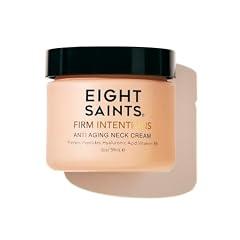
Eight Saints Firm Intentions Neck Cream
Overview
This is a 2-ounce, leave-on cream for the neck and décolleté. The manufacturer directs users to massage a small amount onto clean, dry skin morning and evening. It is positioned for hydration, smoother-looking lines, and a firmer-looking neck. Most importantly for a retinol-cream search, the manufacturer’s complete ingredient list contains no retinol or other listed retinoid. Its named ingredients include glycerin, hyaluronic acid, niacinamide, lactic acid, vitamin B5, plant oils, and three palmitoyl peptides. The formula is manufacturer-described as unscented. The disclosed package is a wide-mouth jar, not an airless pump. No public batch certificate, retinoid assay, preservative-challenge report, stability report, or finished-product tolerance study was located. The brand’s public consumer study describes different products, not this neck cream.
What works
- The disclosed formula does not list retinol or another retinoid, which avoids retinoid-specific irritation and pregnancy precaution concerns.
- A complete ingredient list is publicly available, allowing buyers to screen for known sensitivities before use.
- The formula is described as unscented and does not list parfum or essential oils in its ingredient declaration.
- The manufacturer provides a US business address, phone number, and customer support contact for product questions or complaints.
What does not
- This is not a retinol cream. The disclosed ingredient list contains no retinoid, so no retinoid identity, dose, or shelf-life potency can be verified.
- No publicly traceable independent batch testing, finished-product stability testing, microbial testing, or preservative-challenge testing was located.
- The brand calls the product dermatologist approved and clinically proven, but its public study page identifies studies of other creams, not this product.
- Claims about boosting collagen, repairing sun damage, and improving sagging are stronger than the public finished-product human evidence located.
- A wide-mouth jar requires repeated hand contact with a water-containing cream, while no product-specific post-opening microbiology evidence was found.
Who is it for
This cream suits an adult who wants a 2-ounce, fragrance-free, non-retinoid moisturizer specifically for the neck and upper chest. It is most relevant for someone seeking surface hydration and a softer, more cushioned skin feel from humectants and emollients, while avoiding the usual retinoid ramp-up, sunscreen reminders, and pregnancy-related retinoid questions. It also suits buyers who value a publicly disclosed ingredient list and want to check it against personal sensitivities before applying a leave-on product twice daily.
Who is it not for
It is not suited to someone specifically seeking a verified retinol treatment for wrinkles, uneven tone, acne, or photoaging. The disclosed formula has no retinoid and gives no retinoid concentration. People with a history of allergy to botanical extracts, sunflower, jojoba, safflower, shea, or individual preservatives should review the full ingredient list and consider a patch test. Those with active eczema, contact dermatitis, broken skin, or persistent neck irritation should seek clinician guidance rather than relying on broad all-skin-types marketing.
Integrity
The formula publicly lists its ingredients and is described by the manufacturer as unscented. It does not list retinol, fragrance, or essential oils. That lowers some avoidable sensitizer and retinoid-related concerns, but it does not replace finished-product patch testing. The formula still contains lactic acid, plant extracts, and several botanically derived oils that can matter for people with individual allergies. No active FDA recall or warning letter specific to this product was located in the searches performed. The brand states that it uses minimal-waste manufacturing, company recycling programs, responsibly sourced ingredients, and renewable energy. These are manufacturer statements, not package-specific environmental certifications or publicly documented recycled-content claims. Product imagery shows a wide-mouth jar with a separate lid. No material specification, refill option, post-consumer recycled-content figure, or local recycling instruction for this package was located. The brand also calls itself certified cruelty-free, but no named issuing program or current issuer-register record for this product was located.

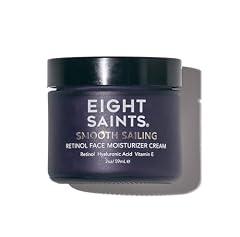
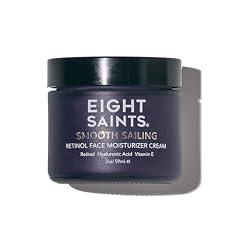
Eight Saints Retinol Moisturizer Cream, 2 Ounces
Overview
This is a 2-ounce facial moisturizer in a wide-mouth dark purple jar. It is intended for dry, cleansed facial skin, with retinol positioned as the anti-aging active and hyaluronic acid, glycerin, oils, shea butter, and vitamin E providing a more emollient cream base. The manufacturer directs an initial patch test, gradual use if flaking or irritation occurs, and sunscreen when used during the day. The manufacturer publishes a full ingredient list that names retinol, but does not disclose its concentration, encapsulation approach, or finished-product assay result. Human studies support wrinkle improvement from topical retinol at stated concentrations, but that evidence cannot establish the effect of this specific cream because its dose and finished-product clinical data are not public. No public batch certificate, preservative-challenge report, or retinol stability report was located.
What works
- The published formula is free of added natural and synthetic fragrance, according to the manufacturer.
- Directions recognize retinol irritation risk with patch testing, reduced frequency for flaking, dry-skin application, sunscreen, and pregnancy or breastfeeding clinician advice.
- A complete manufacturer ingredient list is available, including retinol, humectants, emollients, preservatives, botanical extracts, and propolis extract.
- The brand provides a named United States business address, phone number, and customer-support email for product questions or reporting.
What does not
- Retinol is named but its concentration is not disclosed, so the effective dose cannot be matched to published retinol trials.
- No publicly traceable independent batch assay, stability study, microbial certificate, or preservative-challenge test was found for this cream.
- The open jar is dark colored and limits direct light exposure, but repeated opening exposes a light- and oxygen-sensitive retinoid to air. No post-opening stability evidence was found.
- Fragrance-free does not make it low-allergy for everyone. Retinol can irritate, and the formula includes propolis and multiple botanical extracts.
- The product is marketed for eye wrinkles, but its directions say to avoid eye contact. It should not be treated as an eye-drop or eyelid product.
Who is it for
This suits an adult who already wants a richer facial retinol moisturizer rather than a separate serum and cream, especially someone able to introduce it slowly and use sunscreen consistently. The 2-ounce jar may suit a single person using a small amount on the face and neck. It is most appropriate for buyers who value a published ingredient list and a fragrance-free manufacturer claim, while accepting that the retinol percentage and finished-product laboratory documentation are not publicly available.
Who is it not for
It is not a good fit for people who need a disclosed retinol percentage, independently verified active content, or public batch-quality records. People with highly reactive skin, active eczema, rosacea flares, a bee-product allergy, or prior reactions to propolis or botanical extracts should be cautious and seek clinician guidance. Pregnant or breastfeeding users should follow the manufacturer instruction to consult a physician first. It is also unsuitable for anyone wanting a dedicated eye-area product or a pump package that minimizes air exposure.
Integrity
The formula is fragrance-free by manufacturer statement and contains a conventional preservative system that includes phenoxyethanol, ethylhexylglycerin, potassium sorbate, and sodium benzoate. Retinol can cause dryness, peeling, burning, and increased sun sensitivity, so the product's patch-test, reduced-frequency, dry-skin, and sunscreen instructions are meaningful safeguards. The manufacturer also tells pregnant or breastfeeding users to consult a physician. Public evidence was not located for a finished-product patch test, microbial testing, or retinol stability through expiry. The manufacturer states that it uses minimal-waste manufacturing, recycling programs, renewable energy, and responsibly sourced ingredients, but it does not provide package-specific materials, recycled-content documentation, or local recycling instructions for this jar. The brand calls itself certified cruelty-free. Independent directories report a Leaping Bunny status for Eight Saints, but a current issuer certificate or product-specific register entry was not available in the product materials reviewed. The formula contains propolis, so it should not be assumed vegan.

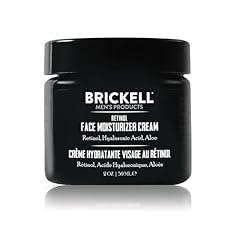
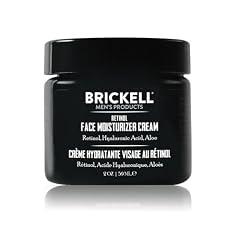
Brickell Men's Retinol Face Moisturizer Cream
Overview
This is a 2-ounce, fragrance-free facial cream intended primarily for nighttime use. The manufacturer directs users to apply a small amount to dry, cleansed skin, reduce use to a few times weekly if flaking or irritation occurs, and use sunscreen for daytime exposure. It is sold as a retinol moisturizer for fine lines, uneven tone, and enlarged pores. Brickell publishes a full ingredient declaration that names retinol, aloe, sunflower and jojoba oils, glycerin, vitamin E, panthenol, botanical extracts, preservatives, and propolis extract. That confirms the retinoid identity as retinol, but not its concentration. No public batch-specific assay, shelf-life retinol analysis, finished-product clinical study, microbial certificate, or preservative-challenge report was located. Human trials support topical retinol generally, but the evidence cannot establish the performance of this particular cream without its dose and product-specific testing.
What works
- The manufacturer publishes a detailed ingredient declaration and identifies the retinoid specifically as retinol.
- The formula is fragrance-free, which avoids an unnecessary source of scent exposure for facial use.
- Directions acknowledge common retinol effects and advise dry-skin application, reduced frequency if irritation occurs, and sunscreen with daytime use.
- Retinol has controlled human-study support for improving fine wrinkles, although this product's concentration is not disclosed.
What does not
- The retinol percentage is not disclosed, and no independent finished-product assay confirms active amount or retention through expiry.
- No publicly traceable batch certificate, accredited laboratory report, stability study, microbial limits result, preservative-challenge test, or finished-product tolerance study was located.
- The wide-mouth jar format exposes the cream to repeated air and finger contact. No post-opening stability or hygiene data were found for this package.
- The product page calls the cream vegan while its ingredient list includes propolis extract, a bee-derived material. That is a direct conflict with a conventional vegan claim.
- Guidance covers irritation and sunscreen, but it does not specifically address pregnancy, breastfeeding, prescription retinoids, or inflammatory skin disease.
Who is it for
This product suits an adult who already wants a fragrance-free retinol moisturizer in a compact 2-ounce cream format and is prepared to introduce it slowly. It is most appropriate for someone whose routine can accommodate nighttime application to fully dry skin and consistent daytime sunscreen use. The published directions are especially practical for a user who understands that peeling or irritation can require reduced frequency. The ingredient list may also appeal to users seeking a moisturizing base with aloe, glycerin, plant oils, panthenol, and vitamin E alongside retinol.
Who is it not for
It is not well suited to people who need a known retinol percentage, independently confirmed active-content testing, or evidence that the formula remains stable after opening. People with a known allergy to bee products should avoid it because the formula lists propolis extract. Those who are pregnant, breastfeeding, using prescription retinoids, or treating eczema, rosacea, active dermatitis, or a damaged skin barrier should seek clinician guidance before using a retinoid product. It also does not fit strict vegan purchasers because the listed propolis conflicts with the product's vegan claim.
Integrity
The health-positive details are a published full ingredient list, no added fragrance claim, and use directions that advise dry-skin application, slower use if irritation or flaking develops, and sunscreen for daytime exposure. Retinol has controlled human evidence for visible fine-wrinkle improvement in tested formulations, but Brickell does not disclose this cream's retinol concentration or publish a finished-product clinical trial. The formula includes propolis extract, so bee-product allergy is relevant. Its presence also conflicts with the product page's vegan statement. The cream is packaged in a small wide-mouth jar. That format is convenient for dispensing, but it creates repeated exposure to air and fingers. Publicly available materials did not provide package-specific recyclability instructions, recycled-content documentation, refill information, or retinol stability data for the jar. No independent batch-quality, microbial, preservative-challenge, or post-opening stability report was located. Environmental and quality claims therefore remain largely unsupported by public product-specific documentation.

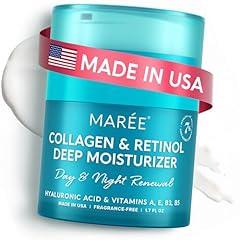
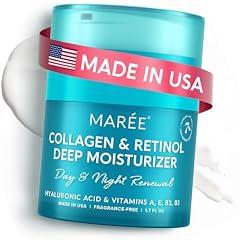
MAREE Collagen Cream with Hyaluronic Acid
Overview
This is a 1.7 fluid ounce facial moisturizer in a jar, positioned for day or night hydration and the appearance of smoother fine lines and firmer skin. An independently accessible retail listing identifies retinol, hydrolyzed marine collagen, hyaluronic acid, niacinamide, panthenol, vitamin E, plant oils, and a conventional preservative system. It does not disclose a retinol percentage. The brand advises daytime broad-spectrum SPF and a gradual introduction for easily irritated skin. Those are sensible retinoid-use precautions, but the public information reviewed does not provide a batch certificate of analysis, finished-product clinical report, microbial test, preservative challenge test, or retinol stability data. The brand describes the product as fragrance-free and dermatologist-tested, but a public protocol or results for tolerance testing were not located.
What works
- The accessible ingredient declaration specifically identifies retinol rather than only a vague vitamin A claim.
- The disclosed formula has no added fragrance or perfume listed, which avoids one common avoidable sensitizer category.
- Humectants, emollients, oils, and panthenol support the product's basic moisturizing purpose.
- The manufacturer provides gradual-use and daytime-SPF advice, which is appropriate for a retinoid-containing facial product.
What does not
- The retinol concentration is not publicly stated, so the active strength cannot be matched to human retinol studies or independently assessed.
- No public, batch-specific third-party assay, stability report, microbial certificate, or preservative-challenge result was located.
- A jar format exposes the cream to repeated air and hand contact. No public post-opening retinol stability evidence was found.
- Public guidance reviewed does not clearly address pregnancy, breastfeeding, prescription retinoids, eczema, rosacea, or other active skin disease.
- Claims about wrinkle reduction, firmness, collagen support, and dark spots rest on manufacturer customer usability results, not a published controlled study of this formula.
Who is it for
This product suits an adult seeking a modestly priced, fragrance-free listed moisturizer that includes a named retinol ingredient, plus humectants and richer emollients. It is most practical for someone already comfortable introducing cosmetic retinoids gradually, who can use sunscreen consistently and does not need a known retinol percentage. The 1.7 fluid ounce format fits a single-person facial routine. Patch testing and starting with infrequent evening use are especially relevant for first-time retinoid users.
Who is it not for
It is not well suited to anyone who needs a precisely dosed retinoid, independently verified batch testing, or published evidence that the finished cream remains potent through opening and expiry. Pregnant or breastfeeding people, people trying to conceive, and those using prescription retinoids should seek clinician guidance before using retinoid skin care. People with active eczema, rosacea, a damaged skin barrier, known botanical allergies, or a history of retinoid dermatitis may need a simpler, clinician-directed option.
Integrity
Retinol can improve the appearance of photoaging, but it can also irritate skin. Dermatology guidance supports starting retinoids slowly, using them at night, and using reliable daytime sun protection. The disclosed formula contains moisturizing ingredients and no added fragrance is listed, but it also includes retinol and chamomile extract, so patch testing remains prudent for reactive skin. No product-specific FDA recall or warning letter surfaced in the checked public FDA sources. No public independent batch assay, preservative challenge report, stability report, accredited GMP certificate, or issuer-verified cruelty-free certification was located. The brand's cruelty-free and dermatologist-tested statements therefore remain manufacturer claims. The jar package has no public recycled-content, refill, material-specification, or package-specific recycling evidence, so its environmental footprint cannot be meaningfully substantiated.

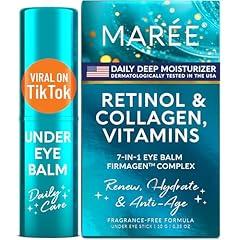
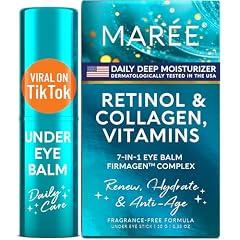
MAREE Retinol & Ceramide Multi Balm Stick
Overview
This product is a 0.35-ounce, fragrance-free solid balm stick intended for the under-eye area. The manufacturer directs users to glide it below the eye, then pat from the inner to outer corner. It is positioned for hydration and the appearance of smoother fine lines, reduced puffiness, brighter tone, and less visible dark circles. The manufacturer’s online ingredient declaration names both retinol and retinyl palmitate, plus ceramide NP, sodium hyaluronate, peptides, alpha-arbutin, collagen, waxes, and emollients. It does not disclose the retinol percentage, provide batch testing, or publish stability data. The same product page describes a caffeine formula, but caffeine does not appear in its disclosed ingredient list, creating a meaningful listing inconsistency.
What works
- The manufacturer provides a detailed online ingredient declaration rather than only a short active-ingredient summary.
- Fragrance is absent from the manufacturer’s disclosed ingredient list, which avoids one common unnecessary sensitizer around the eyes.
- The manufacturer gives practical retinol directions, including a gradual start of one to three uses weekly for sensitive users and daytime sunscreen.
- The solid stick format supports localized application without dispensing a large amount of product.
What does not
- No retinol percentage, finished-batch assay, or independent laboratory certificate was located, so the actual retinoid dose and potency through shelf life are unverified.
- The manufacturer’s caffeine claim conflicts with its own full ingredient declaration, which does not list caffeine.
- No finished-product patch test, preservative-challenge result, microbial certificate, or retinoid stability report was found.
- Directions do not clearly tell pregnant or breastfeeding users, people using prescription retinoids, or people with active eye-area dermatitis to seek clinician guidance before use.
Who is it for
This product suits an adult who wants a compact, no-added-fragrance under-eye moisturizer in a stick format and is comfortable introducing a retinoid cautiously. It is most relevant for someone focused on the cosmetic appearance of dryness, fine lines, or tired-looking under-eyes, rather than treatment of an eye condition. The manufacturer’s gradual-use instructions make it more practical for a user who can start slowly, monitor for irritation, and reliably use daytime sun protection.
Who is it not for
It is not well suited to people who need a known retinol strength, independently verified batch quality, or clinical proof for this exact formula. Pregnant people, those trying to conceive, and people breastfeeding should discuss retinoid-containing skin care with an appropriate clinician. People using prescription retinoids, managing eczema or dermatitis near the eyes, or with a prior retinoid reaction need clearer individualized guidance than this product provides. Avoid applying it in the eye or on irritated skin.
Integrity
The manufacturer’s disclosed formula is fragrance-free and names retinol, retinyl palmitate, ceramide NP, hyaluronate, peptides, and several emollient waxes. Retinol and retinyl palmitate have cosmetic safety assessments, but this product’s concentration is not disclosed, so that ingredient-level evidence cannot establish the safety or expected effect of this particular stick. Retinoids can irritate skin and increase sun sensitivity. The manufacturer advises gradual introduction and daily sunscreen. Dermatology guidance also advises avoiding retinoids during pregnancy. No Maree-specific FDA cosmetic warning letter or recall was located in the reviewed FDA enforcement sources. That is not equivalent to independent safety testing. No named third-party certification, accredited laboratory report, finished-product microbial test, or public stability report was found. The reviewed product materials also provide no substantiated refill, recycled-content, packaging-material, or package-specific recyclability information, so its environmental footprint cannot be meaningfully verified.

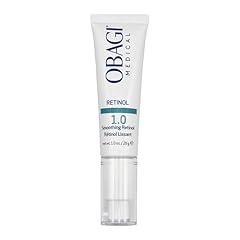
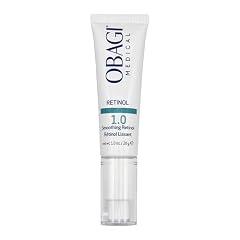
Obagi Medical Obagi360 Retinol 1.0 Cream
Overview
This is a 1 oz leave-on facial retinol cream for evening use. The manufacturer directs users to apply one pump, or a pearl-sized amount, to the face once daily. Its intended cosmetic uses are smoothing texture and reducing the visible appearance of fine lines, wrinkles, and uneven tone. The manufacturer identifies the active as slow-release, entrapped retinol and supplies a full ingredient declaration that includes retinol, shea butter, glycerin, jojoba oil, sodium hyaluronate, phenoxyethanol, and several botanical extracts. A separate retailer ingredient record also confirms retinol and a fragrance-free declaration, although its botanical list differs from the current manufacturer list. The airless pump and directions to keep it out of direct sunlight are sensible for a light-sensitive retinoid. No public, batch-specific outside assay, stability report, microbial test, or finished-product certificate was located.
What works
- The current manufacturer page supplies a detailed ingredient declaration and practical evening-use instructions.
- Airless pump packaging and direct-sunlight storage guidance are appropriate protective measures for retinol, based on manufacturer information.
- The formula does not list fragrance or parfum in either the manufacturer or independent retailer ingredient declaration.
- Human research supports topical retinol as a category for improving fine wrinkles, while the brand's product-specific outcome figures remain data on file.
What does not
- The 1.0 retinol designation is manufacturer-stated, with no public independent finished-product assay confirming dose, uniformity, or expiry-level potency.
- Retinol can cause redness, peeling, dryness, and irritation. This formula also contains several botanical extracts, which can complicate use for reactive skin.
- The label guidance does not visibly provide pregnancy or breastfeeding precautions, despite dermatology guidance advising avoidance of over-the-counter retinoids during pregnancy.
- No public preservative-challenge results, microbial limits testing, recyclable-material specification, recycled-content documentation, or batch certificate was located.
- The catalog's cruelty-free claim is not backed by a product-specific independent certification in a recognized public register.
Who is it for
This product fits an adult who already tolerates facial retinoids and wants a 1 oz, pump-dispensed evening cream aimed at fine lines, uneven texture, or photodamage-related tone changes. It is most relevant for someone willing to introduce a stronger cosmetic retinol cautiously, use broad-spectrum SPF 30 or higher every day, and follow the stated storage conditions. The $90 price and limited public batch-quality documentation make it better suited to buyers who prioritize the stated formula format and brand-directed regimen over independently published testing.
Who is it not for
It is not well suited to people who are pregnant, trying to become pregnant, or breastfeeding without individualized clinician advice. Dermatology guidance advises avoiding retinoids during pregnancy. It also warrants caution for people with active eczema, rosacea flares, a compromised skin barrier, prior retinoid dermatitis, or known sensitivity to botanical extracts. Users taking oral isotretinoin, using prescription retinoids, or combining strong exfoliants and benzoyl peroxide may face more irritation and should seek clinician guidance rather than layering products on their own.
Integrity
Retinol is a well-established cosmetic retinoid, and published human studies of retinol formulations support improvement in visible fine wrinkles over months of use. The product's manufacturer also warns of temporary redness, peeling, and irritation, recommends reducing frequency if needed, and advises daily SPF 30 or higher. Those are useful precautions, but the accessible directions do not visibly address pregnancy or breastfeeding. The formula has no listed fragrance, though it contains several plant extracts and is not inherently low-irritation for sensitive skin. The airless pump and instructions to avoid direct sunlight are favorable design choices for a light-sensitive active. However, no public batch assay, stability report, microbial testing, GMP certificate, or preservative-challenge report was found. Packaging material, recycled content, and local recyclability instructions were also not substantiated. Obagi states that its non-prescription products are not animal-tested, but no product-specific independent cruelty-free certification was found.

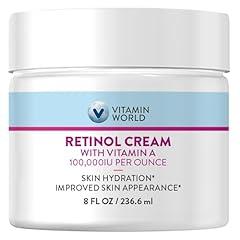
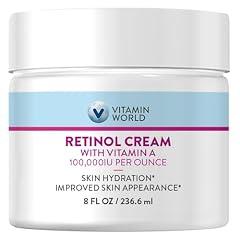
Vitamin World Retinol Cream 100,000 IU
Overview
This product is an 8-fluid-ounce leave-on night moisturizer in a wide-mouth plastic jar. Vitamin World directs users to apply a small amount to a cleansed face at bedtime. It is positioned for hydration and for reducing the appearance of fine lines and wrinkles, with a front-label claim of 100,000 IU vitamin A per ounce. Independent retail ingredient information identifies the vitamin A derivative as retinyl palmitate, rather than free retinol. The listed base is water, coconut oil, mineral oil, fatty emollients, dimethicone, vitamin E ingredients, preservatives, fragrance, and colorant. The stated IU claim is manufacturer-provided, and no public batch assay, retinyl-palmitate percentage, shelf-life assay, or finished-product clinical study was located. Human research supports some retinyl-palmitate-containing formulations, but it does not verify results from this particular cream.
What works
- The 8-fluid-ounce format provides substantial capacity for a regular nighttime moisturizing routine.
- The disclosed ingredient list identifies retinyl palmitate and two vitamin E ingredients, rather than leaving the vitamin A source unnamed.
- The manufacturer provides basic use directions, including avoiding broken, irritated, or rash-affected skin and stopping use if sensitivity occurs.
What does not
- The product is called a retinol cream, but the disclosed retinoid is retinyl palmitate. Its actual concentration and post-expiry potency are not publicly verified.
- No public independent batch certificate, accredited laboratory assay, stability report, microbial test, preservative challenge test, or finished-product tolerance study was located.
- Fragrance is listed in a leave-on retinoid product. That is a real added sensitizer burden for fragrance-sensitive or reactive skin.
- The directions omit gradual-introduction advice, daily sunscreen guidance, and specific precautionary advice for pregnancy, breastfeeding, prescription retinoid use, or active skin disease.
Who is it for
This product suits an adult with dry, non-reactive facial skin who wants a rich, basic nighttime moisturizer in a large jar and understands that its vitamin A claim is not independently batch verified. The emollient-heavy base may be useful when the main goal is softness and reduced dryness. It is better suited to someone who already tolerates fragranced moisturizers and can introduce leave-on retinoid products cautiously, rather than someone seeking a clearly quantified retinoid treatment.
Who is it not for
It is not well suited to people with fragrance allergy, recurrent contact dermatitis, rosacea prone irritation, very acne-prone skin, or compromised skin barriers, because it contains fragrance alongside a retinoid and several rich emollients. Pregnant or breastfeeding people, people using prescription retinoids, and those managing eczema or other active facial skin disease should seek clinician-specific advice before use. It also does not fit buyers who need public proof of active concentration, batch testing, stability through use, or a fragrance-free formula.
Integrity
The disclosed formula uses retinyl palmitate, a vitamin A ester, with tocopherol and tocopheryl acetate. Retinoid products can cause dryness, peeling, burning, and irritation, especially during early use. The listed fragrance adds avoidable allergy and irritation potential, while the label's diazolidinyl urea preservative has a Cosmetic Ingredient Review safety conclusion only within stated use limits. Its actual concentration in this product is not public. No product-specific FDA recall or warning letter was located in the verification search. No independently issued cruelty-free, vegan, organic, recycled-content, GMP, or laboratory-quality certification was found for this product. The opaque plastic jar may limit direct light exposure, but its wide-mouth format repeatedly exposes the cream to air and fingers. No package-specific recyclability instructions, recycled-content evidence, refill option, or retinoid stability data were located.