
10 Best Probiotics for Women
 Lauren Wilson
Please note that we participate in affiliate marketing programs. When you purchase through links on our site, we may earn a commission. As an Amazon Associate we earn from qualifying purchases. This comes at no additional cost to you and helps support the resources required to provide valuable content.Advertising Disclosure
Top-rated Probiotics for Women Comparison
1

+
2
+
4
+
5
6
+
7


+
8
9
10
Probiotics for women: what to look for
Probiotics are live microorganisms taken as supplements. Depending on the formula, they may be sold for general digestive support, vaginal-flora support, immune support, or other wellness purposes. Whether a product helps is not determined by the largest number on the front label. Probiotic effects can depend on the exact organism, strain, amount, route of use, intended users, and outcome being studied.
The most useful starting point is strain-level identification. A label that names only species such as *Lactobacillus* or *Bifidobacterium* does not let you match the product to human research on a particular strain. Look for an alphanumeric strain identifier for every microorganism, plus the amount supplied by each strain. A total such as 20, 50, 100, or 200 billion CFU can be a combined blend figure, and may be stated only at manufacture. It does not show how much of any one strain you receive or whether the count remains reliable until expiration.
A stronger label states that viable cultures are guaranteed through the expiration date, explains storage, and uses packaging that protects against moisture, heat, and oxygen. “Shelf stable” or “no refrigeration required” can make storage and delivery easier, but those phrases do not by themselves prove that the labeled live count remains available at the end of shelf life. Refrigerated products may provide an expiry guarantee when stored as directed, but they create a greater cold-chain burden and require more careful handling.
Independent verification is another important dividing line. A brand’s statement that it performs third-party testing, uses a GMP facility, or makes products in the United States is not the same as a current, product-specific result. Stronger evidence includes a matching listing in the USP Verified Dietary Supplement directory, an NSF contents certification, or an independent ISO/IEC 17025 laboratory report that identifies the finished product and lot. Ideally, testing covers identity, potency, contaminants, and pathogens. A certificate without a visible lot or expiration connection is useful but does not fully verify every bottle on sale.
Read the complete Supplement Facts panel and other-ingredients list. Prebiotic fibers such as inulin, acacia, chicory fiber, or XOS may aggravate gas or bloating in some people. Botanicals, cranberry, digestive enzymes, berberine, sweeteners, and capsule materials can add interaction or allergen considerations. Amounts should be disclosed rather than hidden in broad blends. Environmental claims also need support: look for stated packaging materials, resin codes, verified recycled content, refill options, or recognized recyclability or compostability labeling rather than relying on “eco-friendly” wording.
Vaginal odor, discharge, itching, burning, pelvic pain, urinary pain, fever, blood in urine or stool, recurrent symptoms, and persistent digestive problems should not be self-treated with a probiotic. The supplied reviews repeatedly note that probiotics should not replace evaluation or guideline-based treatment for bacterial vaginosis, vulvovaginal candidiasis, urinary problems, or other suspected infections. People who are seriously ill, immunocompromised, hospitalized, or using central venous access should ask a clinician before taking live-microbial products because rare serious infections have been reported in higher-risk users. Pregnancy, nursing, medication use, and complex medical conditions also warrant professional advice. Children, people with allergies to added ingredients, and anyone with severe or worsening symptoms should follow the product-specific warnings and seek appropriate care.
Integrity
The topics below explain what the review scores are designed to capture. A high score reflects stronger support or disclosure in the supplied materials; it does not mean a product treats a disease or that every quality question has been independently settled.
HHealth & Safety
Evidence that matches this exact formula
This measures whether human studies match the product’s named strains, route, daily dose, and intended users. It matters because results for a related species do not automatically apply to a different strain or blend. Among these products, the clearest high-score example used the same named five-strain blend and 4-billion-CFU dose studied in humans; lower-scoring products relied on species-only labels or mismatched evidence.
Live dose when you actually take it
This measures whether viable CFUs are guaranteed through expiration and whether storage and shipping protect them. It matters because a manufacture-time count can decline before use. Higher-scoring products stated an expiry-date guarantee, such as 15 or 30 billion CFU at expiration, or provided practical cold-storage directions. Lower-scoring products used shelf-stable claims without public end-of-expiry stability data.
Correct microbes, without unwanted ones
This measures confirmation of listed organisms and screening for undeclared microbes, pathogens, yeast, mold, and other contamination. It matters because a high live count is not enough if the identity or purity is uncertain. The supplied products generally lacked public lot-level identity reports; the stronger examples included a named laboratory certificate with viable-count and pathogen results, while lower scores reflected only brand testing statements.
Safe-use guidance for higher-risk buyers
This measures whether warnings address pregnancy, nursing, medication use, serious illness, immune compromise, and persistent vaginal, urinary, or digestive symptoms. It matters because live microbes are not appropriate self-care for every buyer. Higher scores included practical consultation and stop-use advice. Lower scores commonly used general warnings without specifically flagging seriously ill or immunocompromised people.
Safe supporting ingredients
This measures disclosure and safety of prebiotics, botanicals, cranberry, enzymes, vitamins, sweeteners, capsule materials, and allergens. It matters because added ingredients can cause gas, interact with medicines, or exclude people with allergies. Higher-scoring products disclosed amounts and used relatively simple formulas. Lower scores reflected unnamed blends, missing enzyme quantities, broad ingredient combinations, or inadequate warnings for ingredients such as berberine.
EEvidence
Independent proof of what is in the bottle
This measures current, product-specific verification of identity, potency, contaminants, and ongoing quality by a named independent program or laboratory. It matters because “third-party tested,” GMP claims, and company certificates do not necessarily identify the finished product or lot. Higher-scoring products had a named laboratory report or recognized verification branding; lower-scoring products had no public matching USP, NSF, Informed, or lot-specific result.
Clear strains and full formula
This measures whether every microorganism is named to strain level, with meaningful per-strain amounts and all added ingredients and excipients disclosed. It matters because buyers cannot compare clinical evidence or assess interactions from a total blend alone. Higher scores came from products naming individual strains, percentages, or per-strain quantities. Lower scores came from species-only labels, proprietary blends, or unnamed prebiotic and enzyme amounts.
Claims that do not overpromise
This measures whether marketing uses qualified wellness language instead of implying diagnosis, treatment, cure, or prevention of infection. It matters especially for vaginal, urinary, yeast, pH, odor, digestive, immune, weight, and GLP-1 claims. Higher-scoring products stayed closer to general digestive support. Lower scores reflected claims about fighting infections, resetting vaginal health, appetite control, or broad benefits unsupported by the disclosed formula.
Traceable maker with a clean safety record
This measures lot and expiration traceability, responsible-party contact information, manufacturing oversight, and the maker’s regulatory and recall record. It matters because buyers need a clear route to report a problem or identify affected product. Higher-scoring products provided contact details and had no relevant recall identified. Lower scores reflected warning-letter history, incomplete lot linkage, or less explainable claims-compliance records.
EEcology
Lower-waste packaging and delivery
This measures whether packaging and delivery reduce unnecessary bottles, packets, desiccants, and cold-chain demands while still protecting live cultures. It also considers substantiated recycled, recyclable, refill, or compostable claims. Among these products, shelf-stable formats avoid routine refrigeration, but most had no verified packaging information. A refrigerated product described recyclable shipping materials, though those claims were manufacturer statements rather than independent environmental certification.
Full reviews
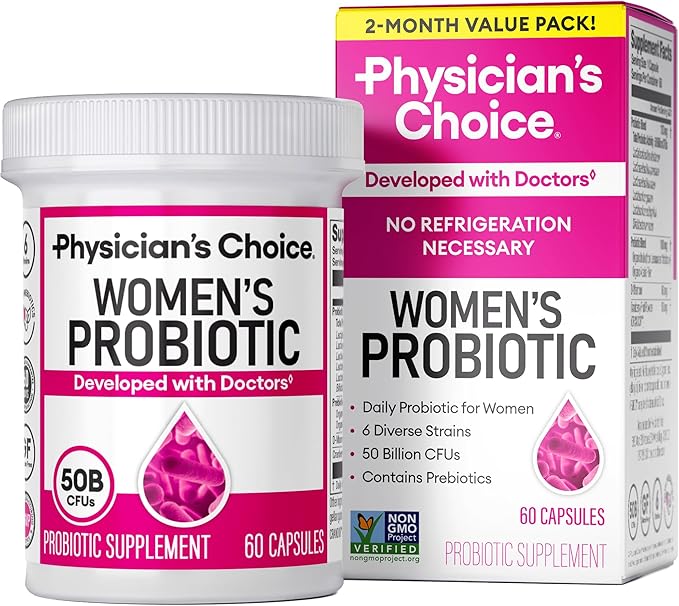
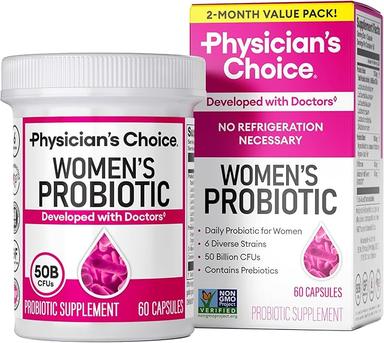
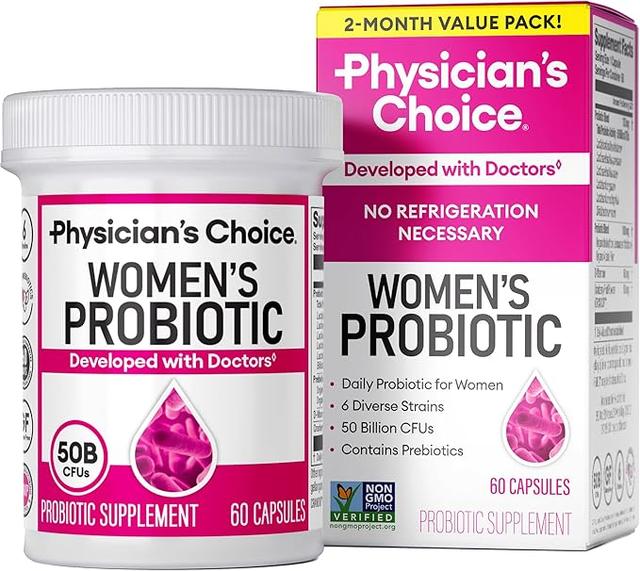
Physician's CHOICE Women's Health Probiotics 50 Billion CFU
Overview
This is a once-daily vegan capsule probiotic sold in 60-count packaging, intended for digestive regularity, immune, urinary tract, and general feminine wellness support. The manufacturer lists six probiotic organisms, 100 mg of organic prebiotic fiber, 60 mg of D-mannose, and 50 mg of cranberry ingredient per capsule. It advises cool, dry storage without refrigeration. A label image independently available through Target identifies the six cultures to strain code, Lp-115, LPC-37, Lc-11, Lg-36, La-14, and BL-04. It lists 50 billion CFU for the combined blend, but specifically says that amount is formulated at manufacturing, not guaranteed through expiry. No public, lot-specific independent laboratory report or finished-product certification was located. The ingredient formula is clear overall, but it does not disclose the CFU contribution of each strain.
What works
- The available label identifies all six organisms to strain code, not species alone.
- The label discloses the combined probiotic amount and separate amounts for prebiotic fiber, D-mannose, and cranberry ingredient.
- One-capsule daily directions, a lot and expiration location, tamper-seal guidance, and cool, dry storage directions are provided.
- The manufacturer states that the formula excludes dairy, soy, gluten, wheat, peanuts, tree nuts, sesame, eggs, fish, shellfish, artificial sweeteners, color additives, and preservatives.
What does not
- The 50 billion CFU statement on the available label is at manufacturing, so it does not independently establish live counts at the product's expiration date.
- No public, lot-specific certificate of analysis was found to independently confirm strain identity, potency, pathogens, yeast and mold, or heavy metals in this finished product.
- The blend gives no per-strain CFU amounts, which prevents a direct match to clinical doses for the individual named strains.
- Marketing language about recurrent UTIs, BV, odor, itch, and fast symptom changes reaches beyond the support established for this exact formula. Probiotics are not a replacement for evaluation or treatment of vaginal or urinary symptoms.
Who is it for
This product fits an adult who wants a simple, shelf-stable daily capsule and values a label that names its six probiotic strain codes and its added ingredients. It is most relevant for someone seeking general digestive or regularity support, who is comfortable treating the 50 billion CFU figure as a manufacturer-stated combined amount rather than an independently verified end-of-shelf-life dose. It may also suit people avoiding the common food allergens the manufacturer says are excluded.
Who is it not for
It is not appropriate as self-treatment for burning with urination, fever, pelvic pain, blood in urine, new vaginal odor or discharge, recurrent yeast symptoms, suspected BV, or a possible sexually transmitted infection. Those symptoms need medical evaluation. People who are seriously ill, immunocompromised, have central lines, or are hospitalized should seek clinician advice before using live microorganisms. Pregnant or breastfeeding users, and anyone with a history of cranberry-related kidney stones or a relevant medication concern, should discuss the formula with a clinician first.
Integrity
The product uses a plant-based hypromellose and gellan-gum capsule. The manufacturer states that it is vegan, Non-GMO Project Verified, made in the United States with domestic and imported ingredients, and produced through cGMP-certified facilities. The brand also says it tests for identity, potency, probiotic enumeration, unwanted microbes, and heavy metals. However, it does not publish a finished-product, lot-specific report that lets a buyer independently check those results. The manufacturer describes a moisture, light, and oxygen-blocking bottle and no-refrigeration storage, which could avoid cold-chain transport. Bottle resin, recycled content, recyclability instructions, refill availability, and package-weight data were not provided. A California Proposition 65 judgment involved lead allegations concerning a different product from the same company, Ashwagandha Extra Strength. That record does not establish contamination in this women’s probiotic, but it is relevant context for the maker’s quality record.

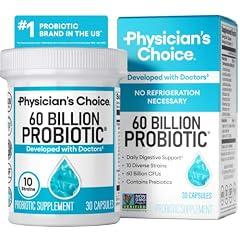
Physician's Choice Probiotics 60 Billion CFU - 30ct
Overview
This is a 30-capsule adult probiotic supplement taken as one capsule daily, with or without food. The manufacturer states that each capsule supplies 60 billion CFUs from 10 Lactobacillus and Bifidobacterium organisms, plus a 150 mg organic prebiotic blend of Jerusalem artichoke, acacia, and chicory ingredients. It is intended for general digestive support, regularity, and occasional gas, bloating, constipation, or diarrhea. The formula identifies species, but not strain codes or CFUs for each organism. That means the product cannot be matched to the strain-specific human evidence needed to support its individual digestive and immune claims. The company states that the capsules are delayed release, shelf stable, and third-party tested, but no current, product-specific independent laboratory report or public finished-product certification was located.
What works
- The 30-capsule format supports a simple one-capsule daily routine, according to the manufacturer.
- The disclosed formula includes 10 named probiotic species and a 150 mg blend of organic prebiotic fibers.
- The label and manufacturer list a broad set of excluded allergens, including dairy, soy, gluten, egg, fish, shellfish, peanuts, tree nuts, and sesame.
- The product is stated to need no refrigeration when stored in a cool, dry place.
What does not
- The organisms are not identified to strain level, and the label does not disclose CFUs for each organism. Clinical effects of probiotics are strain and dose specific.
- No public, lot-specific independent report was located to confirm finished-product identity, viable CFUs through expiration, contaminants, or the claimed delayed-release performance.
- The 60 billion CFU figure is presented for the whole blend, not for individual organisms, so buyers cannot assess which microbes receive a meaningful dose.
- The manufacturer makes broad digestive, regularity, and immune-support claims despite the missing strain identifiers needed to connect this exact formula to human studies.
Who is it for
This product is most suited to a healthy adult who wants a shelf-stable, once-daily general probiotic and is comfortable treating it as an optional dietary supplement rather than a targeted treatment. It may fit someone seeking a formula without the major allergens listed on the label and who prefers a capsule rather than powder or refrigerated products. The 30-capsule bottle is a one-month supply at the stated use. Its evidence is more suitable for general experimentation than for managing a diagnosed digestive condition.
Who is it not for
It is not a good fit for people who need a probiotic matched to a specific condition, strain, and clinically studied dose, including those seeking care for persistent constipation, diarrhea, abdominal pain, inflammatory bowel disease, or suspected infection. People who are seriously ill, immunocompromised, hospitalized, have central lines, or are using probiotics for a premature infant should seek clinical advice first. Pregnant or breastfeeding users and people taking medicines should also follow the label's recommendation to consult a health professional.
Integrity
For healthy people, common Lactobacillus and Bifidobacterium probiotics are generally associated with minor, self-limited effects such as gas. NIH notes that serious infections have occurred mainly in people who are severely ill or immunocompromised, which makes the absence of a specific higher-risk warning on the product materials important. The retail label advises stopping use for adverse reactions and consulting a health professional during pregnancy, lactation, or medication use. Physician's Choice states that it tests products for identity, potency, probiotic enumeration, pathogens, yeast, mold, and heavy metals, and that its manufacturing partners may hold GMP and food-safety certifications. Those are company-level statements, not a public, product-specific laboratory result. No public product-specific recall, warning letter, or independent finished-product certification was located in this review. The shelf-stable format avoids routine refrigerated delivery, but the brand does not provide verified bottle-material, recycled-content, refill, or end-of-life recycling details for this product.

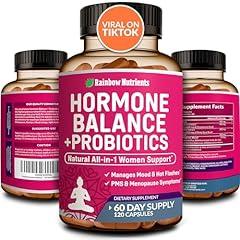
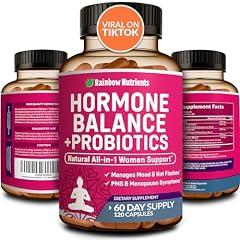
Hormone Balance Probiotics for Women
Overview
This is a 120-capsule, 60-day oral supplement for adults, used as two vegetable capsules daily. Its label lists maca root, 4:1 chasteberry extract, 4:1 dong quai extract, black cohosh root, and a five-species probiotic blend. It is marketed for PMS and menopause comfort, mood, hot flashes, bloating, and weight management. The stated botanical amounts are concrete, but the probiotic species have no strain identifiers or individual CFU amounts. More importantly, the label says the 10 billion CFU count applies at manufacture, not through expiration. The brand displays pass marks for pathogen, yeast and mold, and heavy-metal panels, but does not identify a laboratory, test method, lot, date, numerical result, or product-specific certificate. Human evidence for black cohosh and chasteberry does not establish this exact multi-ingredient formula.
What works
- The label discloses daily amounts for four botanicals and identifies five probiotic species.
- The two-capsule daily serving and 60-serving bottle make the intended routine clear.
- The capsule is labeled vegan and free of several common food allergens, including dairy, soy, gluten, egg, peanuts, tree nuts, and shellfish, manufacturer-stated.
- The label includes a basic precaution for pregnancy, nursing, minors, and people with known medical conditions.
What does not
- The probiotic organisms are listed only to species level, with no strain identifiers or CFU allocation per organism.
- The 10 billion CFU claim is explicitly tied to manufacture, so the live dose at expiration is not established.
- The displayed testing summary is not an independently auditable finished-product report. It gives no lab name, lot, date, numerical results, or identity testing.
- The product makes broad PMS, menopause, hot-flash, bloating, and weight-management claims without human trials of this exact formula.
- Its generic caution does not specifically flag probiotic risk for immunocompromised people, black cohosh liver concerns, hormone-sensitive conditions, or dong quai interaction concerns for people taking warfarin.
Who is it for
This product suits an adult who wants a simple, two-capsule daily herbal and probiotic routine, has no relevant medical condition or interacting medication, and values a manufacturer-stated vegan capsule and avoidance of listed dairy, soy, gluten, egg, peanut, tree-nut, and shellfish ingredients. It is most relevant for someone seeking nonprescription support for ordinary menopause or PMS discomfort who understands that the formula itself has not been clinically studied and that probiotic potency at expiration is unverified.
Who is it not for
It is not a good fit for pregnant or nursing people, anyone under 18, people who are severely ill or immunocompromised, or those with persistent, severe, or unexplained vaginal, urinary, digestive, menstrual, or menopausal symptoms. People taking warfarin or other medicines should seek clinician advice because dong quai and botanicals can interact with treatment. Those with liver disease or possible liver-injury symptoms, or a history of hormone-sensitive breast, uterine, or ovarian conditions, need individualized medical guidance before considering black cohosh or chasteberry.
Integrity
The product label names its four botanical doses, capsule excipients, five probiotic species, and a broad list of excluded allergens. It also carries a generic consultation warning for pregnancy, nursing, minors, and known medical conditions. That is useful baseline disclosure, but it does not cover several material use issues. National Center for Complementary and Integrative Health resources note rare reports of serious liver injury with products labeled black cohosh, uncertain suitability with hormone-sensitive conditions, possible pregnancy concerns, and a potential warfarin interaction with dong quai. The brand claims a GMP facility, third-party testing, non-GMO ingredients, and vegan status. The product page's testing graphic is not a traceable certificate because it lacks a named laboratory, lot, date, methods, and measured results. The label uses an amber plastic bottle and plastic cap, but provides no resin code, recycled-content claim, refill option, recyclability instruction, or shipping and storage plan that would substantiate a lower-waste packaging claim.

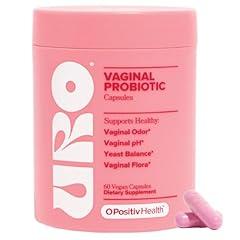
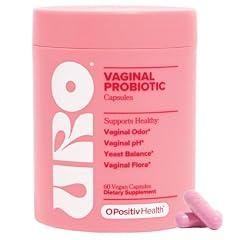
URO Vaginal Probiotics for Women
Overview
URO Vaginal Probiotic is a 60-capsule, 30-day oral synbiotic supplement. The directions call for adults to take two capsules once daily. Its label lists a total of 5 billion CFUs from Lactobacillus acidophilus, L. rhamnosus, L. reuteri, and L. fermentum, plus 400 mg of xylooligosaccharides, or XOS. It is intended to support vaginal flora, pH, and odor. The defining limitation is that the label names species but not strain identifiers or CFU amounts for each organism. That prevents a reliable match to human research on particular probiotic strains and doses. The brand and retail listings state that it is third-party tested, vegan, gluten-free, and non-GMO, but no current product-specific certification, independent laboratory report, or lot-level result was publicly located. The label uses a dietary-supplement disclaimer and does not present the product as a disease treatment.
What works
- The two-capsule daily serving and 30-day bottle are clearly defined on the label.
- The formula is comparatively simple, with four listed Lactobacillus species, 400 mg XOS, and a vegetarian capsule.
- The label includes directions, storage advice, tamper-seal guidance, and instructions to stop use after an adverse reaction.
- The brand states the formula is vegan, gluten-free, non-GMO, and third-party tested, although public independent confirmation was not located.
What does not
- The organisms are not identified to strain level, and the label does not disclose how the 5 billion CFUs are divided among them.
- No public product-specific USP, NSF, Informed Sport, or named independent laboratory certification or report was located.
- The label does not state that CFUs are guaranteed through expiration, and it provides no public stability or viable-count data.
- Warnings are general. They do not specifically flag the higher risk for severely ill or immunocompromised people, or advise prompt evaluation for persistent vaginal symptoms.
- Claims around yeast balance, itching, discomfort, and rapid results can blur the line between wellness support and symptoms that need medical assessment.
Who is it for
This product suits a healthy adult who wants a simple, oral daily vaginal-flora support routine and understands that it is a supplement, not treatment for an infection. It may fit someone who prefers a vegan capsule and wants XOS included with the probiotic blend. The 60-capsule bottle supplies 30 days at the labeled two-capsule dose. It is better suited to users comfortable with a broad, species-level formula than those seeking a strain-specific product backed by publicly available finished-product testing.
Who is it not for
It is not appropriate as a substitute for evaluation or treatment of bacterial vaginosis, yeast infection, urinary symptoms, pelvic pain, fever, unusual discharge, or persistent odor. Those symptoms can have causes that need testing and targeted care. Pregnant people, people who are seriously ill or immunocompromised, and anyone taking prescription medicines or managing a medical condition should consult a clinician first. It also does not suit buyers who require named probiotic strains, per-strain doses, expiration-date potency evidence, or publicly available independent lot testing.
Integrity
The product uses a vegetarian cellulose capsule and has a short supporting-ingredient list that includes maltodextrin and natural color. The label and retail information state it is vegan, gluten-free, and non-GMO. It also provides practical safety basics, including a cap-seal check, child-safety instruction, medical-condition and prescription-drug precaution, and direction to discontinue after an adverse reaction. Healthy people usually tolerate common probiotics with minor digestive effects possible, but probiotics can pose infection risks in people who are severely ill or immunocompromised. Public FDA recall and warning-letter searches did not identify a product-specific action during this review. No public evidence was located for a recognized finished-product certification, lot-specific microbial identity or contaminant results, end-of-shelf-life CFU testing, recycled-content packaging, recyclability labeling, refill options, or other substantiated packaging sustainability program.
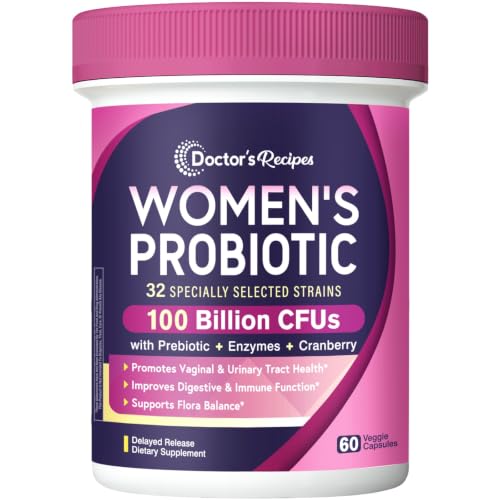
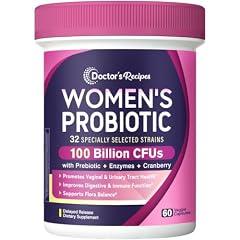
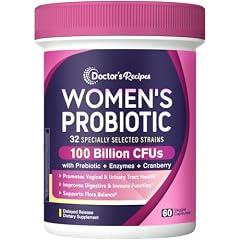
Doctor's Recipes Women's Probiotics 100 Billion CFU
Overview
This is a 60-capsule vegan oral probiotic for adults. The direction is one capsule daily with food, so the bottle is designed as a roughly two-month supply. Doctor's Recipes states that each daily capsule provides 100 billion CFUs from a 32-species blend, plus prebiotic fiber, digestive enzymes, and organic cranberry extract. The manufacturer identifies the organisms to species level, but does not provide strain codes or CFUs for each organism. That matters because probiotic benefits are strain and dose specific. The brand describes the capsule as delayed release and shelf stable, with refrigeration optional, but no public lot-specific stability report or finished-product certificate was located. The listed uses center on digestive, immune, vaginal, and urinary support. Its disease-adjacent yeast, Candida, and infection language goes beyond what the disclosed formula can substantiate as a treatment approach.
What works
- The formula identifies 32 microbial species and gives a total daily live-culture claim of 100 billion CFUs, according to the manufacturer.
- One capsule daily with food is a simple routine, and the bottle provides 60 capsules.
- The manufacturer discloses cranberry extract, prebiotic fiber, digestive enzymes, and a vegetable capsule rather than presenting the product as probiotics alone.
- The brand provides a consumer phone number, email address, and US business addresses for questions or traceability.
What does not
- No strain identifiers or per-strain CFU amounts are disclosed, so the formula cannot be matched to human trials of specific probiotic strains and doses.
- No current product-specific USP, NSF, Informed Sport, or public independent laboratory result was located for finished-product potency, identity, or contaminant testing.
- Shelf stability, delayed release, and third-party testing are manufacturer statements, not supported by a public lot-specific viable-count or stability report.
- The product page says the blend can fight yeast and Candida growth and reduce infection likelihood. CDC guidance does not support probiotics as treatment for vulvovaginal candidiasis, and does not support probiotic products as treatment or adjunctive therapy for bacterial vaginosis.
- The available product information does not give clear higher-risk guidance for people who are seriously ill, immunocompromised, pregnant, or experiencing persistent vaginal or urinary symptoms.
Who is it for
This product suits a healthy adult who wants a once-daily, shelf-stable oral probiotic with a broadly disclosed species list and added cranberry, prebiotic fiber, and enzymes. It is most appropriate for someone treating it as an optional general wellness supplement, not as infection care. It may also fit people who prefer a vegan capsule and do not want a product that requires routine refrigeration. The user should be comfortable with the fact that the 100 billion CFU claim is for the whole blend, rather than individually dosed, strain-identified cultures.
Who is it not for
It is not a suitable substitute for evaluation or treatment of vaginal odor, discharge, itching, pain, recurrent urinary symptoms, suspected bacterial vaginosis, or suspected yeast infection. CDC guidance does not support probiotics for treating vulvovaginal candidiasis, and does not support probiotic products for bacterial vaginosis treatment. People who are seriously ill or immunocompromised should seek clinician advice before using live microbes. Pregnant or breastfeeding users, people with recurrent symptoms, and anyone using antibiotics or antifungals should also discuss the product with a healthcare professional.
Integrity
For healthy people, probiotic side effects are usually minor digestive effects such as gas. However, NIH notes rare serious infections in people who are severely ill or immunocompromised. This product does not provide prominent, product-specific guidance for those higher-risk groups. Its cranberry extract, prebiotic fiber, and enzyme blend are disclosed, but enzyme amounts and individual probiotic doses are not. The brand says its probiotics are vegan, non-GMO, free of common allergens, manufactured to cGMPs, and third-party tested, but it does not publish a lot-specific finished-product test report. The shelf-stable format can avoid routine refrigerated transport and home storage. It is sold in a small bottle, but no verified recycled-content, recyclability, refill, packaging-resin, or certified environmental claim was found. Searches did not identify a product-specific FDA recall or warning letter for this product, although the absence of a public action is not independent proof of product quality.

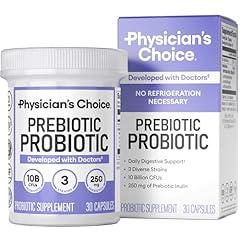
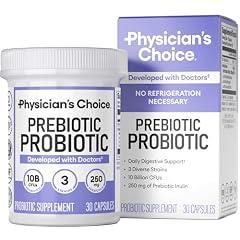
Physician's Choice Prebiotic-Probiotic for Digestive Health
Overview
This is a 30-capsule adult synbiotic supplement intended for one capsule daily. The manufacturer states that each serving provides 10 billion total CFUs from Lactobacillus acidophilus, L. casei, and L. paracasei, plus 250 mg chicory-root inulin. The capsule is vegetarian, and the formula is presented for general digestive and gut-microbiome support. The defining limitation is evidence specificity. The organisms are named only to species, not strain, and the product does not disclose CFUs for each organism. That prevents matching the finished formula to strain-specific human trials. The brand states that the product is purity and potency tested, shelf stable, and acid resistant, but no current lot-specific independent laboratory report or recognized finished-product certification was located. These are manufacturer statements, not independently verified product findings.
What works
- The formula is comparatively simple, with three disclosed Lactobacillus species and 250 mg chicory-root inulin.
- One capsule daily provides a straightforward 30-day supply.
- The manufacturer uses restrained structure-function language focused on digestion and overall wellness.
- The stated capsule is vegetarian and the manufacturer lists the product as free of major common food allergens, including dairy, soy, gluten, egg, wheat, peanuts, and shellfish.
What does not
- No strain identifiers or per-strain CFU amounts are disclosed, so clinical evidence cannot be matched to this exact formula.
- No product-specific certification in the USP or NSF finished-product directories, or current independent lot report, was located.
- The 10 billion CFU claim is not publicly supported by an expiry-date stability protocol or lot-specific viable-count result.
- The available product information does not provide prominent, specific guidance for immunocompromised or seriously ill users, despite recognized probiotic risks in those groups.
- Inulin can cause gas or bloating in some users, particularly when fiber intake is increased quickly.
Who is it for
It fits a healthy adult seeking a basic, once-daily digestive supplement with a modest prebiotic dose and no need for refrigeration. The 30-capsule format suits someone who wants to trial a simple routine for general digestion rather than manage a diagnosed gastrointestinal condition. It is also relevant for people avoiding animal gelatin or the major allergens the manufacturer says are absent. Expectations should remain modest because the formula does not disclose strain-level identities or per-strain doses needed to connect it confidently with clinical outcomes.
Who is it not for
It is not a substitute for evaluation of persistent diarrhea, constipation, abdominal pain, blood in stool, unintended weight loss, fever, or possible infection. People who are immunocompromised, seriously ill, hospitalized, have central venous access, or are pregnant should discuss probiotic use with a clinician first. It is also a poor fit for anyone needing a probiotic selected for a particular evidence-based strain, antibiotic-associated diarrhea protocol, IBS plan, or vaginal or urinary concern. People sensitive to fermentable fibers may find chicory inulin worsens gas or bloating.
Integrity
The main safety-positive feature is a short disclosed formula. The manufacturer identifies three Lactobacillus species, chicory-root inulin, and a vegetable capsule, and states that the product avoids several major allergens. In healthy people, Lactobacillus-containing probiotics generally have a history of use, although temporary gas can occur. NIH sources note that people who are seriously ill or immunocompromised can face a higher risk of serious infections from probiotics. The manufacturer says the bottle is shelf stable and the capsule is acid resistant, which could avoid refrigeration-related energy use if the claim holds. However, no public expiry stability study or lot-specific viable-count result was found. No recycled-content claim, recycling instructions, refill option, compostability certification, or other product-specific packaging environmental documentation was located. No relevant FDA recall or warning letter for this product was located in the searches reviewed.

Etta Vita GLP-1 Supplement for Weight Management
Overview
This is a 90-capsule, 30-serving dietary supplement. The label directs adults to take three capsules daily with a full glass of water. Its formula combines berberine HCl, pomegranate, grape seed, hibiscus, decaffeinated green tea extract, chicory inulin, hops, resveratrol, gymnema, Akkermansia muciniphila Akk09, and Lactobacillus acidophilus. The manufacturer-stated label gives individual daily amounts for all 11 listed actives, including 300 mg berberine and 200 mg inulin. It identifies Akkermansia to the Akk09 designation, but does not provide a strain designation for L. acidophilus. The label declares 1 billion CFU of L. acidophilus at manufacture, not at expiration. The brand displays a Eurofins report for a lot of this product, but that report is limited to selected weight-management adulterants and does not establish live counts, microbial identity, or broad contaminant testing.
What works
- The Supplement Facts panel discloses individual amounts for all listed botanical and prebiotic ingredients.
- Akkermansia is identified as A. muciniphila Akk09, which is more specific than a genus and species listing alone.
- A manufacturer-displayed Eurofins report names the product and reports selected stimulant and weight-management adulterants as not detected.
- The 90-capsule bottle is a clearly stated 30-day supply when used as directed.
- The label states vegan, gluten-free, non-GMO, soy-free, and gelatin-free positioning.
What does not
- No human clinical trial was located for this exact 11-ingredient formula, and the brand's clinical-trials page says its studies are pending.
- The L. acidophilus organism has no strain identifier, and its 1 billion CFU declaration applies only at manufacture rather than expiration.
- The displayed Eurofins report does not verify probiotic identity, end-of-shelf-life potency, pathogens, yeast and mold, heavy metals, or pesticides.
- The product's weight-loss, craving-control, and GLP-1 pathway marketing is stronger than the evidence available for this finished formula.
- The label and product page do not give clear precautions for pregnancy, breastfeeding, immunocompromise, medication use, or ongoing digestive symptoms despite the berberine, green tea extract, and live microbes.
Who is it for
This product is most suited to a healthy adult who wants a 30-day, capsule-based blend of disclosed botanical extracts, inulin, and labeled probiotic ingredients, and who understands it is not a clinically proven GLP-1 treatment. It may fit someone avoiding animal-derived capsule materials, gluten, soy, or gelatin. A suitable user should be comfortable treating the appetite, metabolism, and weight language as manufacturer marketing rather than an expected medical outcome, and should not be relying on it to manage diabetes, obesity, or persistent digestive symptoms.
Who is it not for
It is not suited to people who are pregnant, breastfeeding, or buying for infants, because berberine can be unsafe for infants and may be unsafe during pregnancy or breastfeeding. People who are immunocompromised, seriously ill, or have a central line should seek clinician guidance before live-microbial supplements. It is also a poor fit for people using prescription medicines, especially those needing stable blood-glucose management or cyclosporine, because berberine can interact with medicines. Anyone with unexplained weight loss, severe digestive symptoms, or suspected infection needs clinical assessment rather than supplement-led care.
Integrity
The label is unusually complete for the non-microbial ingredients, stating daily amounts and identifying the capsule and silicon dioxide as other ingredients. It also provides an A. muciniphila strain designation. However, the L. acidophilus strain is not identified, and its CFU amount is stated only at manufacture. The public Eurofins document is useful but narrow. It reports selected weight-management adulterants as not detected, not a full identity, potency, pathogen, or contaminant verification. Berberine may cause gastrointestinal effects and interact with medicines. Green tea extract has been associated with gastrointestinal effects and, in some users, liver injury risk. The product page contains a California Proposition 65 notice but does not explain the specific exposure. No packaging resin code, recycled-content claim, refill format, or verified recycling guidance was found. The rigid bottle avoids an indicated cold-chain requirement, but its material and end-of-life handling remain undisclosed.

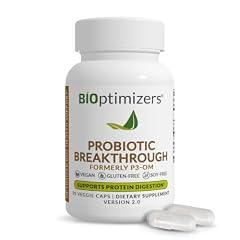
BIOptimizers Probiotic Breakthrough for Gut Health
Overview
This is a 30-capsule probiotic supplement for adults, marketed for digestive and immune support. The 30-capsule version uses one named live culture, Lactobacillus plantarum OM 55981. Brand materials state 2.5 billion CFUs per capsule, with suggested use of one or two capsules with meals and one or two at bedtime. It is shelf stable and intended for cool, dry storage. The formula is relatively simple. An independently archived label lists the probiotic at 250 mg and 2.5 billion CFUs per capsule, plus fructooligosaccharides, stabilized rice bran, and a plant-cellulose capsule. The label and brand materials disclose the strain, but no public, current lot-specific independent certificate was located to confirm identity, viable count at expiration, or contaminant screening for this finished product.
What works
- The formula identifies a single strain, Lactobacillus plantarum OM 55981, rather than only listing a species.
- The independently archived label gives a per-capsule CFU count and lists the supporting ingredients.
- Manufacturer materials describe the capsule as vegan, gluten-free, and soy-free.
- The label includes seal, adverse-effect, medical-condition, medication, pregnancy, and nursing precautions.
What does not
- No public product-specific USP, NSF, Informed Sport, or current lot-specific independent laboratory result was located.
- The stated CFU amount is manufacturer-stated. Public stability data showing viable counts through expiration was not located.
- Fructooligosaccharides are disclosed but not quantitatively listed, so the prebiotic dose is unclear.
- The brand has made broader online claims about antiviral, antibacterial, and tumor-related effects that are not supported by human studies of this finished product and exceed the modest digestive-support framing on the label.
Who is it for
This product fits an adult who wants a simple, shelf-stable probiotic with one disclosed Lactobacillus plantarum strain, rather than a large multi-strain blend. It may suit someone who can tolerate fructooligosaccharides and wants label-stated digestive support in a vegan capsule. The small 30-capsule bottle is most practical for trying the formula or for people using a low capsule count. Its wide suggested-use range means the bottle may not last a full month at higher use.
Who is it not for
It is not a good self-treatment choice for someone with persistent abdominal pain, bleeding, severe diarrhea, unexplained weight loss, recurrent vaginal symptoms, urinary symptoms, or suspected infection. Those problems need clinical evaluation rather than probiotic experimentation. People who are seriously ill, immunocompromised, hospitalized, pregnant, nursing, or taking medications should speak with a clinician first. It is also a poor fit for people who react to fructooligosaccharides or who need independently verified lot testing and end-of-shelf-life potency evidence.
Integrity
The formula uses a plant-cellulose capsule and manufacturer materials describe it as vegan, gluten-free, and soy-free. Its non-probiotic ingredients are limited to fructooligosaccharides and stabilized rice bran. The label also gives practical safety directions, including not using a damaged seal, stopping after adverse effects, and consulting a health professional for pregnancy, nursing, serious medical conditions, or medication use. The product is marketed as shelf stable, requiring cool, dry storage rather than refrigeration, which can avoid cold-chain shipping. However, the manufacturer has not publicly supplied a current lot-specific independent report confirming potency at expiration, microbial identity, or contaminant testing. No packaging resin code, recycled-content claim, refill format, or independently substantiated recyclability information was located. The bottle's material and end-of-life handling therefore remain unclear.

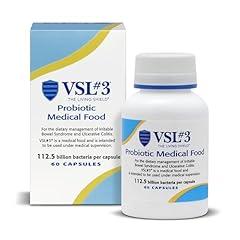
VSL#3 Probiotics for Digestive Health
Overview
This is a refrigerated, 60-capsule probiotic medical food. Each capsule is labeled to provide 112.5 billion live bacteria, with eight named organisms from Streptococcus, Bifidobacterium, and Lactobacillus. The manufacturer directs adults to use 1 to 2 capsules up to four times daily, or as directed by a physician, for dietary management of IBS, ulcerative colitis, or an ileal pouch. It is not a women-specific probiotic. The manufacturer states that the CFU amount is guaranteed through the best-by date when refrigerated, and that cold-chain shipping supports viability. Its FODMAP Friendly certification is independently listed. However, the organisms are disclosed only to species level, not strain level or per-strain dose. That matters because a federal court confirmed that the current Italian-made VSL#3 formulation is not the pre-2016 De Simone formulation used in much of the older VSL#3 clinical literature.
What works
- FODMAP Friendly certification is independently listed for VSL Probiotics, including this product line.
- The manufacturer discloses all eight organism species and the non-probiotic capsule ingredients.
- The product information sheet provides practical storage directions, including refrigeration and limited room-temperature handling.
- The medical-food information sheet includes usable precautions for pregnancy, lactation, children, early bloating, and antibiotic timing.
What does not
- The label does not provide strain identifiers or per-strain CFU amounts, so the buyer cannot match the formula precisely to strain-specific clinical research.
- Clinical support is not cleanly transferable from older VSL#3 studies. A court found the current Italian-made formulation differs from the pre-2016 formulation behind much of that literature.
- No current product-specific USP, NSF, Informed Sport, or publicly available independent finished-product laboratory report was identified.
- Allergen messaging conflicts. The current product page says dairy-free, while the manufacturer product information sheet says the product may contain milk, including lactose, and other major allergens.
- Cold-chain delivery and refrigeration add handling complexity and packaging material compared with shelf-stable products.
Who is it for
This product fits an adult already working with a gastroenterologist or other clinician on IBS, ulcerative colitis, or pouch-related digestive symptoms, and who can reliably refrigerate it. It may also suit someone following a low-FODMAP diet who wants a certified compatible probiotic format. The 60-capsule bottle is a 30-serving supply at the catalog serving size, although the manufacturer’s clinician-directed dosing range can use it faster. It is more appropriate for a defined gastrointestinal use than for a general women’s wellness routine.
Who is it not for
It is not well matched to someone specifically seeking vaginal, urinary, yeast, or bacterial-vaginosis support, because this product is formulated and labeled for gastrointestinal dietary management, not those uses. People who are severely ill, immunocompromised, hospitalized, or managing a serious underlying condition should not self-start it without clinical guidance, since probiotic risks are higher in vulnerable groups. Avoid relying on it to assess persistent diarrhea, rectal bleeding, severe pain, unexplained weight loss, or other symptoms that need medical evaluation. People avoiding milk or multiple allergens should verify the bottle label and contact the manufacturer before use.
Integrity
The clearest verified outside credential is FODMAP Friendly certification. The manufacturer also claims halal and kosher certification, but a current issuing-body product register was not identified in this review. Its product information sheet names Actial Nutrition as the manufacturer, provides a consumer contact route, gives storage instructions, and says the capsules are made under food current good manufacturing practices. Ingredient disclosure deserves extra attention. The current manufacturer page calls the capsules dairy-free, gluten-free, soy-free, nut-free, vegan, and non-GMO. Yet the manufacturer’s product information sheet says VSL#3 may contain milk, including lactose, along with other listed allergens. That is a meaningful disclosure conflict. The brand says it uses recyclable insulated shipping materials and reusable ice packs, but refrigerated delivery still requires a cold chain and added materials. No current public finished-product certification or lot-specific independent test report was found.
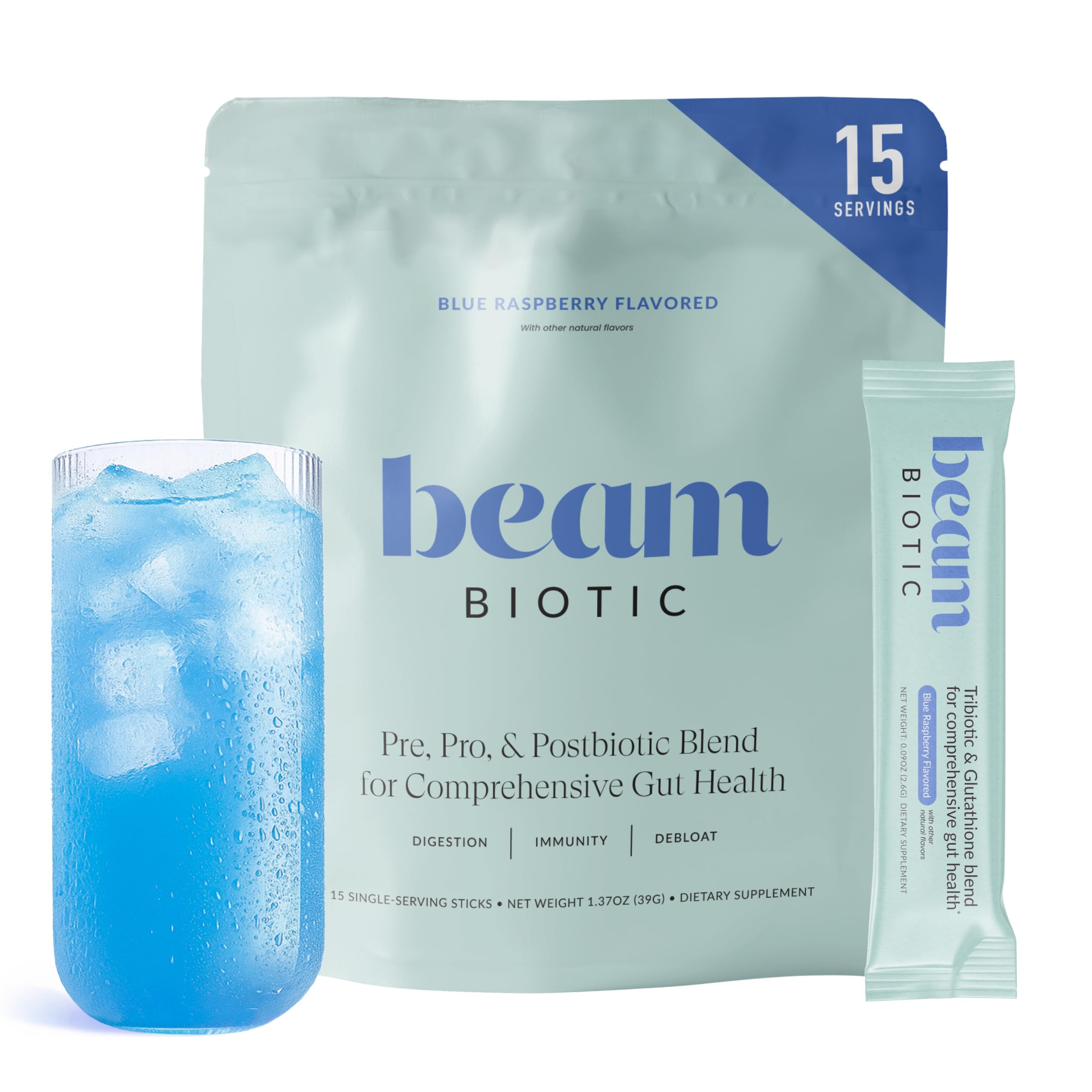
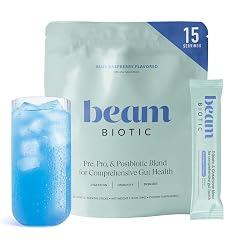
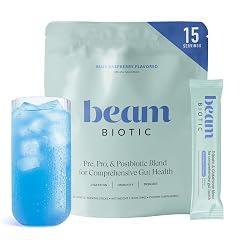
Beam Biotic Women's Gut Health Powder
Overview
This is a Blue Raspberry powdered gut supplement supplied as 15 single-serve packets. One 2.6 g packet is mixed with 8 to 12 ounces of water and taken once daily, preferably on an empty stomach. The published label lists 300 mg organic chicory inulin, 300 mg Keystone Postbiotic, 75 mg reduced glutathione, and 10 billion CFU across Lactobacillus plantarum, Lactobacillus rhamnosus, and Bifidobacterium lactis. The formula is more transparent than a simple proprietary blend because it gives ingredient quantities and species-level CFU allocations. However, the three live cultures are not identified to strain level, so human research cannot be reliably matched to this exact live formula. The product carries a California reproductive-harm Proposition 65 warning, while the specific chemical or exposure basis is not stated on the product information reviewed.
What works
- The published Supplement Facts provide amounts for inulin, postbiotic, glutathione, and each listed live microbial species.
- Each serving supplies a manufacturer-stated total of 10 billion CFU, divided across three named species.
- Fifteen separate packets make the powder simple to portion and use away from home.
- The label discloses the Blue Raspberry flavoring ingredients, including stevia, blue spirulina, acids, rice maltodextrin, and gluten-free oat flour.
What does not
- The live Lactobacillus and Bifidobacterium cultures lack strain identifiers, which prevents an exact match to strain-specific clinical evidence.
- No current product-specific certification, lot report, or named independent laboratory result was located to substantiate the third-party-testing claim.
- The public label information does not establish that the listed CFU count is guaranteed through expiration or describe stability testing and storage controls.
- The product bears a Proposition 65 reproductive-harm warning, but the reviewed product information does not identify the chemical involved or quantify exposure.
- Broad language about detoxification, immunity, skin, and digestive outcomes goes beyond evidence that can be matched to the disclosed live culture strains.
Who is it for
This product fits a healthy adult who wants a flavored, portable daily powder rather than capsules and values seeing the main ingredient amounts before use. It may suit someone trying a modest-dose inulin and mixed microbial formula for general digestive comfort, provided they understand that the 10 billion CFU count is not linked to named live strains or a publicly available finished-product trial. The 15-packet size also suits short-term trial use rather than a large monthly container.
Who is it not for
It is not well suited to pregnant or nursing people, people with a serious illness, weak immune system, central line, or recent hospitalization without clinician input. Live probiotics can rarely cause serious infections in medically vulnerable people. The Proposition 65 reproductive-harm warning is an additional reason for caution, especially for people trying to conceive. It is also not a substitute for evaluation of persistent bloating, abdominal pain, blood in stool, fever, unexplained weight loss, vaginal symptoms, or urinary symptoms.
Integrity
The formula publishes more useful detail than many gut powders. It gives the amounts of chicory inulin, Keystone Postbiotic, Setria reduced glutathione, and each live microbial species. It also uses single packets, which can reduce dosing mistakes and protect unopened powder portions from repeated opening. The manufacturer states that the product is made in GMP facilities and third-party tested, but no named certification program, current lot-specific certificate, or independent finished-product laboratory report was located. Important safety context is on the label. It advises medical consultation during pregnancy or nursing, with medical conditions, or when taking medication, and it carries a Proposition 65 reproductive-harm warning. The disclosed Blue Raspberry ingredients include gluten-free oat flour, natural flavors, stevia, acids, rice maltodextrin, and blue spirulina color. No substantiated recycled-content, recyclability, refill, or lower-impact packaging claim was located. Single-serve packets are convenient, but they also create repeated packaging waste.