
10 Best Walking Pads of 2026
 Brianna York
Please note that we participate in affiliate marketing programs. When you purchase through links on our site, we may earn a commission. As an Amazon Associate we earn from qualifying purchases. This comes at no additional cost to you and helps support the resources required to provide valuable content.Advertising Disclosure
Top-rated Walking Pad Comparison
1
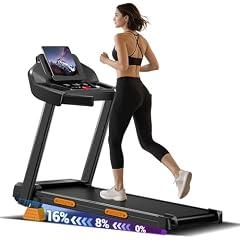

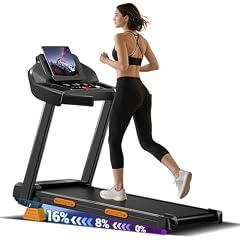
2
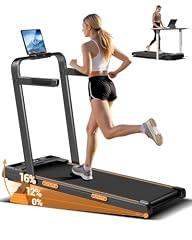
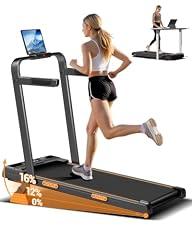
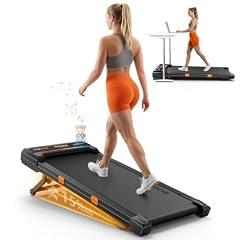
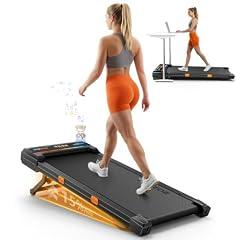
4
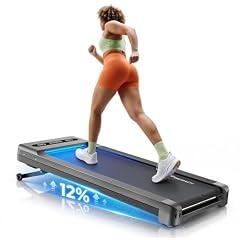
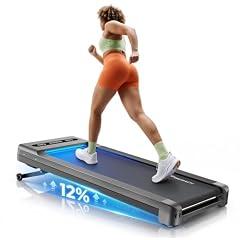
5
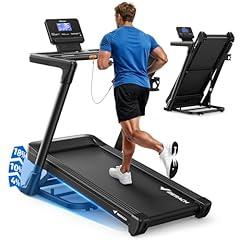
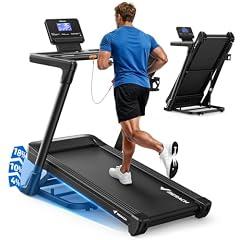
6
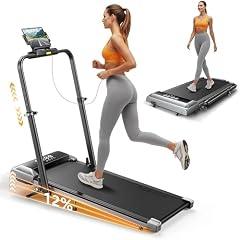
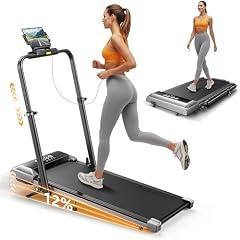
7
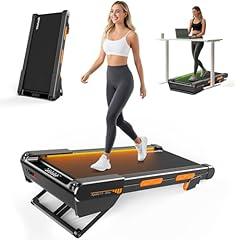
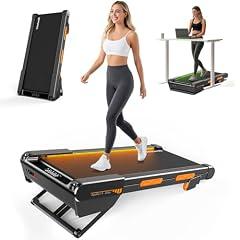
8
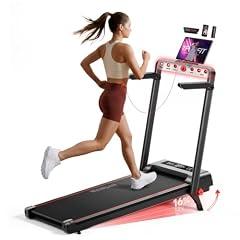
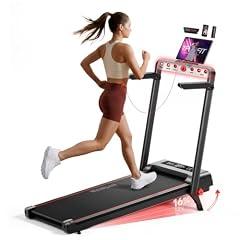
9


Walking pads: what matters beyond the headline numbers
A walking pad is a motorized belt designed mainly for indoor walking, often beneath or beside a standing desk. Some models add a folding handlebar, manual or automatic incline, app controls, or enough speed for light jogging. The basic health benefit comes from the activity itself: regular walking can increase energy expenditure and reduce sitting time compared with seated work. The machine does not guarantee weight loss, fat loss, improved joints, or a particular calorie total.
A useful product needs to match the way you will use it. For desk walking, check the stated low-speed range, walking-mode limit, belt length and width, clearance around the machine, and whether the controls remain accessible. A narrow or short belt can leave less room for lateral movement and longer strides. If you plan to jog or run, a raised handlebar, side rails, a wider and longer deck, predictable speed changes, and an emergency stop matter more than a large motor number. Incline can increase walking effort, but advertised percentages should be treated as manufacturer claims unless independent testing confirms the angle and control behavior.
Capacity, horsepower, top speed, noise, cushioning, and “calories burned” are frequent sources of confusion. A stated 300-, 350-, 400-, or 450-pound limit is not evidence that the machine can safely sustain that load unless load and endurance testing supports the exact configuration. Horsepower does not by itself establish continuous-use capability. A quietness claim needs repeatable measurement, and calorie displays are estimates rather than individualized measures of fat loss. Several supplied products also had conflicting specifications across their marketplace and manufacturer pages, including different speeds, inclines, belt dimensions, motor ratings, and weight limits.
For electrical and fire safety, look for an independently authenticated Nationally Recognized Testing Laboratory certification for the exact product and U.S. configuration. A listing should be traceable through OSHA’s NRTL directory, UL Product iQ, or Intertek’s ETL directory; a generic certificate, a family reference, a European test, or testing at 220–240 volts does not establish U.S. certification for the product sold here. Performance claims are stronger when an ISO/IEC 17025-accredited laboratory report identifies the exact model and configuration and tests speed, incline, stopping, stability, traction, capacity, or endurance against relevant treadmill methods such as ASTM F2106 and ASTM F2115.
Also check the manual for a tethered or clipped emergency stop, controlled low-speed starting, gradual stopping, belt-centering and lubrication instructions, clearance guidance, and warnings about children and pets. A reachable U.S. support contact, clear warranty terms, replacement parts, and repair information can make a product less disposable. For environmental impact, the strongest evidence would be product-specific energy-use, materials, packaging, lifecycle, take-back, or responsible electronics-recycling information not simply a claim that the frame is steel.
Across the supplied products, no exact-model U.S. NRTL certification or accredited performance report was located. Repeated cautions include unverified capacity and endurance, short or narrow decks that are poor fits for serious running, conflicting specifications, and limited evidence for emergency-stop behavior. Products without handrails or with remote-only stopping are a poor fit for people who need continuous hand support or have impaired balance. Children and pets should be kept away from any moving or powered belt. A walking pad should not be treated as rehabilitation equipment or used despite a medical, gait, balance, cardiac, or injury-related restriction without individualized clinical guidance.
Integrity
These topics separate the activity a walking pad can support from the safety, durability, evidence, and environmental claims made about the machine. Scores are based on the supplied product reviews; a higher score means stronger support relative to the other products assessed, not proof that every claim is independently certified.
HHealth & Safety
Evidence-supported health benefit
This measures whether the product’s health message stays close to human evidence: regular walking can increase activity, energy expenditure, and reduce sitting time. It does not support automatic weight loss or dramatic fat-burning promises. The supplied scores range from 52 to 76; higher-scoring products use more qualified activity claims, while lower-scoring products rely more heavily on unsubstantiated calorie, fat-loss, bone, or joint language.
Electrical and fire safety
This measures protection against shock, overheating, cord or plug failure, and fire, especially through exact-model U.S. NRTL certification. The supplied scores cluster between 70 and 73, but the reviews repeatedly say no exact U.S. UL, ETL, or equivalent listing was located. A high relative score therefore reflects better documentation or fewer concerns in this set, not confirmed certification for the product.
Predictable speed and emergency stopping
This measures whether starting, speed changes, stopping, and incline changes are predictable and whether an emergency stop is accessible. Safety keys, controlled countdown starts, gradual stops, and main switches are useful documented features, but most products lacked independent testing. Scores range from 68 to 75; higher scores generally correspond to clearer stop controls and operating instructions, while lower scores reflect remote-only control or undocumented stopping behavior.
Stable, guarded walking surface
This covers stability, traction, sharp-edge protection, and guarding against pinch, rear-roller, and entrapment hazards throughout the incline range. Compact decks, rail-free designs, and unverified belt performance reduce confidence, particularly for jogging or users with balance limitations. Scores range from 68 to 72. Higher-scoring products provide more defined support or construction information, but no supplied product had exact-model independent stability and guarding evidence.
Credible user-capacity and durability rating
This asks whether the stated weight limit, speed, incline, and continuous-use claims are supported by load and endurance testing. The reviews frequently identify ambitious capacity figures without exact-model testing, and several products publish conflicting limits. Scores range from 55 to 70. Higher relative scores reflect more coherent operating information; they do not confirm that a product can safely sustain its advertised maximum.
Safe fit for real users and desk use
This measures belt dimensions, handholds, controls, mounting and dismounting space, and clear instructions for the claimed use. A low-speed, compact deck can suit desk walking but may be unsuitable for long strides or running. Scores range from 63 to 75. Higher-scoring products offer clearer dimensions, handles, mode limits, or storage information; lower scores reflect narrow decks, missing hand support, or uncertain fit.
EEvidence
Independently verified, exact-model evidence
This measures whether safety, performance, and capacity claims can be traced to third-party records identifying the exact model and tested configuration. Scores range from 52 to 72. Higher relative scores reflect more identifiable manuals, reports, or supporting documentation, but the reviews still found no exact-model accredited performance report for the products. Generic certificates, family reports, screenshots, and European tests do not establish U.S. exact-model verification.
Honest health and performance claims
This measures whether advertising qualifies calorie burn, fat loss, joint protection, quietness, motor power, and health outcomes appropriately. Scores range from 48 to 68. Higher-scoring products make more specific and restrained claims; lower-scoring products use unqualified fat-burning or calorie language, or make claims that conflict with the available evidence. Regular walking is supported, but product-specific dramatic outcomes were not.
Verified real-world specifications
This measures whether speed, incline, belt dimensions, noise, power draw, and capacity match repeatable third-party measurements. Scores range from 50 to 70. Higher-scoring products have more coherent specifications and documentation, while lower-scoring products show conflicting marketplace and manufacturer figures or no measurements. A displayed number remains a manufacturer claim unless an exact-model test supports it.
Recall and safety-incident accountability
This measures whether the brand is identifiable, offers a reachable U.S. safety contact, discloses corrective action, and provides a usable remedy process. Scores range from 70 to 75. Most reviews found no relevant CPSC recall or warning in the searched records and identified some form of support or warranty. That is accountability evidence, not proof that the product is free from hazards or future incidents.
EEcology
Lower lifecycle environmental burden
This measures documented energy use, materials, packaging, and a practical U.S. route for electronics and motor recycling. The supplied products all score 68 or 70, but their reviews consistently report no product-specific lifecycle assessment, energy-use figure, packaging disclosure, take-back program, or recycling route. The relatively narrow score range should not be read as evidence that any product has demonstrated a low environmental burden.
Repairable rather than disposable
This measures whether manuals, lubrication guidance, replacement belts, remotes, controllers, cords, service information, and meaningful warranty support are available for the exact product. Scores range from 69 to 75. Higher-scoring products provide maintenance instructions, longer or clearer warranty support, or parts assistance; lower-scoring products lack parts catalogs, repair routes, or service documentation. Maintenance guidance alone does not prove that replacement parts are available.
Full reviews

Cursor Fitness Foldable Treadmill 3.0HP
Overview
This is a compact, corded folding treadmill intended for walking, jogging, and short home workouts. The published manual for this product identifies a 37.5 by 15 inch belt, 0.6 to 7 mph speed range, three manual incline positions at 0, 8, and 16 percent, handrails, and a magnetic safety key. Those are manufacturer-stated specifications, not independently measured results. The product is low profile and listed at about 41 to 43 pounds, with a claimed 400 pound user limit and folded height near 4.13 inches. Its published specification table also calls 44.3 by 23.8 by 4.1 inches the unfolded size, which conflicts with the upright-handlebar format shown in its instructions and makes the dimensional information less reliable. No traceable exact-product NRTL certification, accredited test report, or independent verification of speed, noise, incline, or load capacity was located.
What works
- Slow treadmill walking has evidence for raising energy expenditure and reducing sitting time when used regularly, although it is not a guaranteed weight-loss intervention.
- The published instructions specify a magnetic safety key clipped to clothing, intended to stop the belt if pulled.
- Manufacturer-stated 0, 8, and 16 percent manual incline settings give users distinct walking grades without powered incline changes.
- The published manual provides basic setup, clearance, grounding, belt-speed, storage, and safety instructions.
What does not
- No exact-product UL, ETL, or other independently verifiable U.S. electrical safety listing was located.
- No accredited exact-product testing was located for speed control, abrupt stopping, incline accuracy, noise, power draw, stability, or the 400 pound capacity claim.
- The 37.5 by 15 inch stated belt is compact for a product rated to 7 mph, so it provides less stride and lateral margin than a larger running deck.
- The published dimensional table labels a 4.1 inch height as unfolded while also describing folding upright handles, an internal specification inconsistency.
- The listing's bone-strength, muscle-strength, calorie, quietness, and weight-loss-oriented messages are not paired with product-specific human or performance evidence.
Who is it for
This product fits an adult seeking compact indoor walking or cautious short jogs, especially where low-profile storage matters. It is most practical for someone who can leave at least the manual's stated 2 feet of side clearance and 6 feet behind the belt, use a grounded outlet, wear athletic shoes, and attach the safety key every session. It can also suit a desk-walking setup only when paired with a stable, separate standing desk and used at a pace that permits safe computer work. The stated incline settings may appeal to walkers who want occasional hill-style effort.
Who is it not for
It is not well suited to tall users, long-stride runners, sprint training, or anyone who needs a wide running surface, because the stated belt is only 37.5 by 15 inches. People near the claimed 400 pound limit should not treat that figure as independently validated. Households with unsupervised children or pets, limited rear clearance, unstable flooring, or an inability to use a grounded outlet should avoid this format. People with balance impairment, recent injury, cardiovascular symptoms, or other conditions affected by exertion should obtain clinician guidance before incline walking or running.
Integrity
Regular low-speed walking can meaningfully increase energy expenditure and help reduce sitting time. Human treadmill-desk evidence does not establish automatic weight loss, improved blood pressure, or a specific bone-strength outcome from this product. The product's claims about joint protection, calories, quiet operation, motor output, and 400 pound capacity remain manufacturer-stated because no exact-product independent test record was located. The published manual describes an iron construction, a magnetic emergency key, grounding instructions, and basic maintenance precautions. No exact-product UL or ETL listing was found in the searched certification sources. No relevant Cursor Fitness recall or CPSC safety warning was located in the searched records, but that is not proof of safety performance. The manufacturer materials located provide a limited warranty and retailer-based support, yet no product-specific parts catalog, take-back program, packaging disclosure, energy-use data, or U.S. electronics recycling route was identified.

Incline Walking Treadmill
Overview
This is a compact, corded walking pad with foldable side armrests, an LED display, remote control, and manual incline positions. It is intended for slow under-desk walking, walking workouts, and limited jogging rather than sustained full-size treadmill running. The brand’s own product page describes a 15.8 by 38 inch belt, 1 to 6.5 mph speed range, 3.0 hp motor, and 350-pound capacity. These are manufacturer-stated figures, not independently measured results. The supplied marketplace listing instead states 35.8 by 15.2 inches, 6.3 mph, 2.5 hp, and a 330-pound capacity. That material discrepancy matters because buyers rely on belt size, speed, motor, and user-capacity ratings. No traceable independent laboratory report, NRTL electrical certification record, or exact-product ASTM performance record was identified in the checks performed.
What works
- Treadmill-desk research supports the general use case, regular low-speed walking can increase energy expenditure and reduce sitting time compared with sitting.
- The product includes foldable side armrests, which the manufacturer describes as balance support during walking and incline use.
- The manufacturer publishes a reachable U.S. telephone number and email address, plus a stated one-year parts warranty and five-year structural-frame warranty.
- Its compact foldable format is designed for storage under furniture, although the published folded dimensions are not consistent across sources.
What does not
- No independently verifiable UL, ETL, or other NRTL certification record was identified for this exact electrically powered product.
- No exact-model third-party testing was located for speed accuracy, incline accuracy, noise, belt traction, emergency stopping, user capacity, or endurance.
- Published specifications conflict between the marketplace listing and the manufacturer page, including motor rating, top speed, belt dimensions, folded dimensions, and capacity.
- The manufacturer promotes a "50% fat burning" increase without a product-specific human study or stated test method. That is not a realistic universal outcome claim.
- The short, narrow stated belt and manual incline make this a constrained platform for running, steep-incline use, or users needing generous stepping space.
Who is it for
This product fits an adult seeking a compact home or office walking surface for short, controlled sessions, especially where reducing seated time is the practical goal. It is most appropriate for people comfortable using a remote-controlled walking pad, able to mount and dismount without assistance, and willing to treat the published capacity and performance figures as unverified. Side armrests may be useful for cautious walking, but they do not substitute for clinical mobility support or independently verified fall protection.
Who is it not for
It is not well suited to runners who need a long, wide deck, repeatable high-speed behavior, or verified endurance performance. Avoid relying on it for rehabilitation, recovery, or balance impairment unless a clinician has specifically approved this type of equipment and supervision is available. Households needing independently certified electrical safety, a clearly documented emergency-stop system, or a proven 330 to 350-pound capacity should use a product with exact-model certification and test documentation. It is also unsuitable for anyone expecting guaranteed fat-loss results.
Integrity
Walking while working can be a practical way to reduce sitting and raise energy expenditure. Human evidence supports those general effects, but it does not establish that this particular product produces a fixed fat-burning increase, protects joints, or delivers automatic weight loss. The brand’s 50% fat-burning statement is not accompanied by a product-specific human trial or test protocol. Federal guidance expects objective health claims to be adequately substantiated. No exact-product electrical certification, accredited laboratory test report, recall notice, or safety warning was identified in the sources checked. The brand does provide a U.S. phone number, email contact, and stated warranty coverage. The product is described as iron-framed, but no product-specific energy-use data, recycled-content disclosure, packaging specification, take-back program, replacement-parts catalog, or electronics-recycling route was found. Responsible end-of-life handling would therefore depend on local metal and electronics recycling options.

Acezoe Incline Walking Treadmill
Overview
This is a low-profile electric walking pad intended for under-desk walking, brisk walking, and light jogging. The brand’s current product page describes nine motorized incline levels up to 15 percent, a stated 0.6 to 5 mph range, a 300-pound user limit, Bluetooth, an LED display, a remote, and a 49.2 by 19 by 6.2 inch footprint. It also describes a layered belt with silicone cushions and rubber pads. Important specifications are manufacturer-stated, not independently measured or certified for this product. The marketplace record lists 4 mph, 50.9 pounds, and different dimensions, while the brand page lists 5 mph, 59.1 pounds, and a 49.2 inch overall length. That unresolved mismatch makes the actual sold configuration and performance limits less clear. The published manual, accessible support email, lubrication oil, and two-year limited warranty are useful ownership provisions.
What works
- Walking while working can raise energy expenditure and reduce sitting time, although longer-term cardiometabolic outcomes remain uncertain.
- The brand states that the motorized incline can be changed during use, avoiding manual lifting or repositioning of the product.
- A downloadable product manual, supplied lubrication oil, and a two-year limited warranty provide a defined basic support route.
- The stated 49.2 by 19 by 6.2 inch format and transport wheels suit storage under furniture, if the space is measured first.
What does not
- No exact-model UL, ETL, or other publicly traceable NRTL certification was found, so electrical and fire-safety compliance cannot be independently confirmed.
- No independent laboratory report was found for actual speed, incline, load capacity, noise, power draw, endurance, stability, or stopping behavior.
- The marketplace and brand specifications conflict on top speed, unit weight, and dimensions. This is a documented information problem, not proof that either specification is false.
- The brand promotes fat-burning, quietness, shock absorption, and joint-friendly use without product-specific independent test evidence.
- This low-profile product has no stated handrail or safety key, which makes its claimed light-jogging use less suitable for users needing balance support.
Who is it for
It suits an adult who wants short, low-speed walking sessions under a separately purchased standing desk, has measured enough clear floor space, and can mount and dismount without holding a rail. The practical use case is replacing part of a sedentary workday with gentle movement, not intensive run training. It is most appropriate for a user who treats the 300-pound capacity, 5 mph maximum, incline range, and quiet-operation claims as manufacturer-stated limits rather than independently verified performance figures.
Who is it not for
It is not suited to children, people with impaired balance, recent falls, dizziness, severe joint instability, or anyone who needs a handhold for safe walking. It is also a poor fit for households where pets or children can approach the moving rear roller, or for unattended use. People seeking regular running, reliable pace calibration, validated noise limits, rehabilitation use, or documented electrical certification should use a product with those exact-model records. Do not assume the compact deck is appropriate for long strides or high-speed jogging.
Integrity
Regular walking can be a credible way to reduce sitting time and increase energy expenditure. A systematic review of treadmill-desk studies found those short-term effects, but it did not establish broad long-term cardiometabolic improvements. The product’s incline may increase exercise intensity, yet its fat-burning, quietness, cushioning, and joint-friendly claims are manufacturer statements rather than independently tested outcomes. The brand’s own public specifications also conflict with the marketplace record on several core figures. No published product-specific recall or CPSC warning was located for this model in the review, and the brand provides a U.S.-facing support email, downloadable manual, and two-year limited warranty. No exact-model NRTL electrical listing, accredited performance report, material disclosure beyond belt cushioning components, energy-use data, packaging information, parts catalog, take-back program, or U.S. electronics recycling route was found. The provided manual and lubrication oil support routine care, but replacement-part availability is not established.
Merach UltraWalk W60 Treadmill
Overview
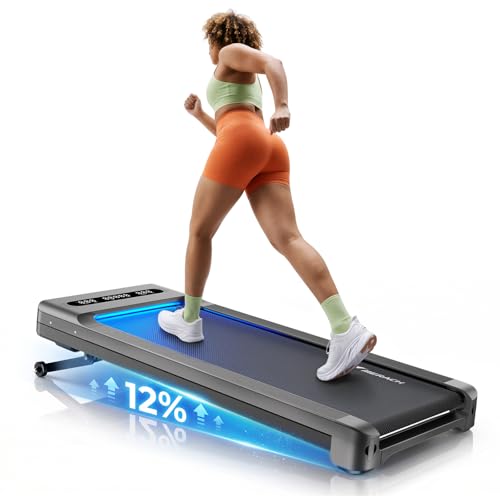
This is a low-profile, corded walking pad for home or desk use, rather than a full running treadmill. Manufacturer specifications list a 16.5 by 41.3 inch belt, 0.6 to 4 mph speed range, 12% automatic incline, remote and app controls, and a stated 400-pound user limit. The listed top speed limits it to walking and light jogging, not sustained running. The defining claims are manufacturer-stated, not independently verified for this exact product. Merach lists a 1.25 CHP continuous brushless motor, 3.5 HP peak output, 53.6 dB average noise, and a two-year warranty. A product-specific NRTL electrical certification, accredited laboratory test report, and independent measurements of speed, incline, noise, or load capacity were not located. The control layout includes remote operation and a claimed child lock, but independently tested emergency-stop behavior was not found.
What works
- Its 0.6 to 4 mph range is aligned with low-intensity walking and desk-walking use, according to manufacturer specifications.
- The 16.5 by 41.3 inch belt is a concrete, manufacturer-stated walking area for a compact pad.
- Automatic incline up to 12% offers a way to raise walking intensity without raising speed, manufacturer-stated.
- Merach publicly provides a two-year warranty and customer contact channel.
- The product is listed as requiring no assembly and includes wheels and vertical storage, manufacturer-stated.
What does not
- No exact-model UL, ETL, or other NRTL electrical safety listing was located in the searched certification sources.
- No independently authenticated testing was located for the stated 400-pound capacity, belt speed, incline accuracy, noise, or continuous-use durability.
- The health marketing goes beyond the available product-specific evidence. Walking can increase energy expenditure and reduce sitting time, but automatic weight loss, bone-strength improvement, and joint-protection outcomes are not established by this product's specifications alone.
- The manufacturer page presents motor power inconsistently, listing 1.25 CHP alongside 3.5 HP continuous and 3.5 HP peak wording. Buyers cannot treat the continuous-power figure as clearly documented.
- The open walking-pad format and remote-centered controls demand deliberate mounting, dismounting, and clear surrounding floor space, especially at incline.
Who is it for
This product fits an adult who wants short, low-speed walking sessions at home or beneath a suitably stable standing desk, and who has enough clear floor area to mount and step off safely. Its stated 4 mph ceiling, compact 41.3 inch belt length, remote control, and automatic incline point to walking rather than running. It may suit people who want to interrupt sedentary time with light activity and who are comfortable relying on manufacturer-stated capacity and performance figures. The two-year warranty may also matter to owners willing to maintain the belt and seek support if needed.
Who is it not for
It is not designed for runners, interval training, or users needing a handrail-supported treadmill. People with impaired balance, frequent dizziness, serious mobility limitations, or a recent fall history should not assume the low platform removes fall risk, particularly when using incline or working at a desk. It is also a poor fit for households where children or pets could approach an operating belt without close supervision. Buyers who require independently listed electrical safety certification, accredited load testing, or independently verified noise and capacity data should seek a product with those records available.
Integrity
Human evidence supports walking workstations as a way to increase energy expenditure and reduce sitting time when they are used regularly. It does not establish that this particular product produces weight loss, stronger bones, or easier-on-the-joints outcomes. Incline can increase walking workload, but a safe, sustainable dose still depends on the user, footwear, health status, desk setup, and clear space around the belt. Merach identifies alloy steel construction and offers a two-year warranty, which can support longer use if service is available. However, no product-specific lifecycle assessment, recycled-content disclosure, energy-use data, packaging specification, take-back program, or certified end-of-life recycler route was located. No exact-product CPSC recall or warning was located in the searched records, but no exact-model independent electrical safety certification or accredited performance report was located either. At end of life, the motor, electronics, cord, and remote should go through an appropriate electronics recycler rather than curbside disposal.

MERACH Auto Incline Foldable Treadmill
Overview
This is a foldable, corded home treadmill with a console, handrails, safety key, app connection, heart-rate contacts, automatic incline, and a 47 by 18 inch running surface. MERACH states that this configuration reaches 8.7 mph, has 18 incline levels, uses a 3.5 hp brushless motor, and supports users up to 350 lb. Those figures are manufacturer-stated, not independently measured. The available instructions describe a three-second belt startup, stop control, safety key, speed and incline buttons, and periodic belt lubrication. Regular walking can increase activity and energy expenditure, but health gains depend on use volume and the person, not on the machine alone. No traceable exact-product laboratory report, UL or ETL listing, or independently authenticated measurement of speed, load, noise, incline, or electrical safety was located in the reviewed public sources.
What works
- The manufacturer provides a specific 47 by 18 inch deck, handrails, safety key, and automatic incline controls for this treadmill configuration.
- The available instructions specify a three-second startup and include routine inspection, belt-alignment, and lubrication guidance.
- MERACH publishes a U.S. phone number, email contact, assembly guide, and limited warranty process.
- Human evidence supports walking as a practical way to raise activity and reduce sitting time when it is used consistently.
What does not
- No public UL, ETL, or other NRTL certification record for this exact product was located, so electrical and fire safety cannot be independently confirmed.
- No exact-product accredited test report was located for belt speed, incline accuracy, 350 lb capacity, endurance, noise, stability, or emergency-stop behavior.
- The manufacturer markets weight-loss, knee-protection, under-45 dB, and durability messages without matching product-specific independent evidence in the sources reviewed.
- The 47 by 18 inch deck is manufacturer-stated and is narrower and shorter than a full-size running deck, so long-striding runners need to assess fit carefully.
Who is it for
It suits an adult home user who wants a conventional folding treadmill for regular walking, brisk walking, or moderate running and has room for a 57.1 by 35 inch footprint when open. The controls, handrails, safety key, and automatic incline are more appropriate for a user who wants a supported upright exercise format than a low-profile walking pad. It may also suit a person willing to follow the stated inspection and lubrication schedule and to register the product for the extra year of warranty coverage.
Who is it not for
It is not a good safety match for households needing independently verified electrical certification, load testing, speed accuracy, or emergency-stop performance before use. It is also unsuitable for unsupervised children, for use around pets or loose objects near the rear roller, and for people with unstable balance who cannot mount, dismount, or use handrails safely. Taller runners, users who need a broader or longer deck, and people planning extended high-intensity running should seek a product with independently documented deck, endurance, and load testing.
Integrity
Walking and treadmill-desk research supports realistic benefits, including more movement, higher energy expenditure, and less sitting when the activity is performed regularly. It does not support automatic weight loss or a guarantee of joint protection. The product page's calorie, weight-loss, quietness, and cushioning language therefore deserves caution, especially because no exact-product independent performance report was located. MERACH provides a U.S. contact route, assembly material, maintenance guidance, and a one-year equipment warranty that can become two years with registration. The maintenance information may help extend belt life. However, no product-specific energy-use data, packaging specification, recycled-material disclosure, take-back program, replacement-parts catalog, or U.S. electronics recycling route was identified. No exact-product CPSC recall or safety warning was located in the reviewed public records.
Acezoe Pro Foldable Walking Pad
Overview
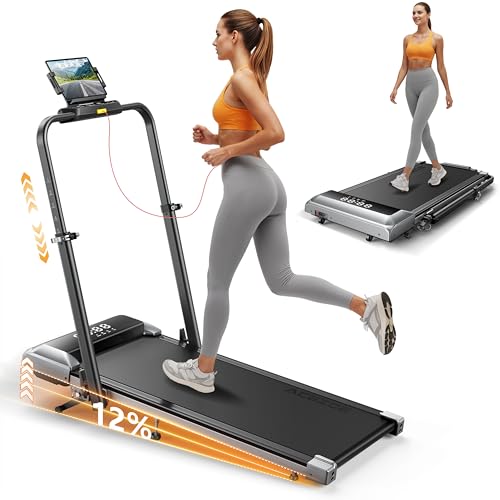
This is a compact, corded folding treadmill intended for home walking, jogging, light running, and under-desk use when paired with a suitable desk. The manufacturer states a 40 by 16 inch belt, 0.6 to 6.2 mph speed range, 300 pound user limit, 2.5 HP motor, Bluetooth app connection, and three manually selected incline positions of 1%, 6%, and 12%. Its defining practical features are a five-position handlebar claimed to adjust from 38.5 to 48.5 inches, a safety key, remote control, and folding storage format. The manufacturer provides a U.S. service phone number, email address, 30-day returns, and a two-year warranty on its own storefront. No exact-product UL, ETL, or other NRTL listing, accredited laboratory report, or independent verification of speed, load, noise, incline, or electrical safety was located. The catalog record also conflicts with the manufacturer on maximum speed, listing 10 mph while the manufacturer states 6.2 mph.
What works
- The manufacturer provides three manual incline settings up to 12%, allowing walking intensity to be adjusted without electronic incline movement.
- A five-level, height-adjustable handlebar is manufacturer-stated, which can offer a more usable handhold than a handlebar-free walking pad.
- A safety key, remote control, power cord, lubrication oil, and basic tools are listed as included equipment by the manufacturer.
- The manufacturer publishes operating specifications, a support email, phone contact, return terms, and a two-year storefront warranty.
What does not
- No independently authenticated NRTL electrical certification or exact-product third-party safety test report was located.
- There is no independent verification that the stated 300 pound capacity, 2.5 HP motor rating, belt dimensions, noise level, speed, or 12% incline match real-world performance.
- The catalog specification of 10 mph conflicts with the manufacturer’s stated 6.2 mph maximum, making the advertised specification set unreliable without direct measurement.
- The manufacturer’s claim of up to 70% more calories from incline walking is not supported by product-specific human testing. Walking-desk evidence supports higher energy expenditure and less sitting, not a guaranteed calorie increase or weight-loss result.
- No product-specific materials disclosure, energy-use figure, packaging specification, take-back program, or replacement-parts catalog was located.
Who is it for
It suits an adult seeking a compact home walking machine with a handhold, manual incline options, and the ability to store it after use. It is most aligned with slow desk walking or short walking and light-jogging sessions, where the stated 0.6 mph minimum speed and adjustable handlebar can be useful. It also fits a buyer who can place it on a firm, level floor, keep substantial clearance around and behind it, and is comfortable performing routine belt lubrication and alignment checks.
Who is it not for
It is not appropriate for buyers who need independently certified electrical safety, independently tested capacity, or verified treadmill accuracy for clinical rehabilitation, workplace deployment, or high-use training. People with impaired balance, recent falls, neuropathy, significant joint instability, or conditions that make sudden belt stops hazardous should seek individualized clinical guidance and a machine with stronger verified safety evidence. It is also unsuitable for children, unsupervised household use, cramped rooms without clear mounting and rear exit space, or anyone expecting a verified 10 mph running treadmill.
Integrity
Regular walking can meaningfully raise energy expenditure and reduce sitting time when it replaces desk sitting. Systematic reviews of treadmill-desk interventions found higher energy expenditure and modest reductions in sitting time, but did not establish reliable improvements in body weight, blood pressure, or all cardiometabolic outcomes. This product can support that activity pattern, but results depend on time spent walking, pace, overall activity, and diet. The product’s 12% manual incline, cushioning, quietness, joint-protection, motor-power, and calorie-burn statements are manufacturer claims, not independently verified results for this unit. No exact-product NRTL electrical listing or accredited performance report was located. No Acezoe recall or CPSC safety warning for this product was located, and the manufacturer publishes a U.S. support contact. Environmental disclosure is limited. No product-specific energy consumption, recycled-material content, packaging reduction plan, electronics take-back route, or replacement-parts catalog was located, although the manufacturer does describe belt lubrication and alignment maintenance.

Vitalwalk TM06 Walking Pad Treadmill
Overview
This is a compact, corded walking pad intended for home and standing-desk use. The manufacturer states that it has a 40 by 16 inch walking surface, a 0.6 to 4 mph speed range, six automatic incline levels up to 15 percent, a 350 pound user limit, and vertical storage. At 50 pounds and 43 by 20 inches, it is a portable walking machine rather than a full running treadmill. The product documentation describes remote and app control, plus start, pause, speed, and incline adjustment. Those are manufacturer-stated features, not independently measured results. Slow treadmill-desk walking is supported by human evidence for increasing energy expenditure and reducing sitting time, but evidence does not establish automatic weight loss, knee protection, or the listing's specific calorie claims for this unit. No traceable exact-product laboratory report or public electrical safety listing was located.
What works
- Slow treadmill-desk walking has evidence for reducing sitting time and increasing energy expenditure when used regularly.
- The manufacturer states a useful low starting speed of 0.6 mph for desk walking, with a 4 mph maximum for brisk walking.
- Manufacturer instructions call for a level hard surface, grounded outlet, clearance around the unit, and unplugging before maintenance.
- Published maintenance guidance addresses belt lubrication, tension adjustment, cleaning, and troubleshooting.
- The manufacturer provides an email contact and states that defective parts may be repaired or replaced for normal household use.
What does not
- No UL, ETL, or other publicly traceable NRTL certification for this exact product was located, so electrical and fire-safety claims remain unverified.
- No exact-product independent test report was located for speed accuracy, incline accuracy, noise, load capacity, endurance, stability, stopping behavior, or the stated 350 pound limit.
- The 40 by 16 inch belt and lack of handrails limit margin for users with impaired balance, longer strides, or mobility needs.
- Manufacturer advertising claims 60 percent more calorie burn and up to 60 percent less joint impact without providing product-specific substantiation.
- The product relies on a remote or app for operating controls. Documentation located does not establish independently tested emergency-stop behavior.
Who is it for
This product suits an adult who wants a compact machine for low-speed walking beside a properly sized standing desk, has a level hard floor, and can maintain clear space around and behind the belt. Its stated 0.6 mph minimum can support gentle movement during simple computer tasks, while the 4 mph maximum and compact deck keep the intended use centered on walking rather than sustained running. It also suits someone able to perform routine belt cleaning and lubrication and to store a 50 pound machine safely upright.
Who is it not for
It is not a good fit for running training, sprint intervals, rehabilitation that requires clinician-directed equipment, or anyone who needs handrails and a highly supported mounting surface. People with poor balance, frequent dizziness, neuropathy, unstable gait, or a history of falls should not treat a remote-controlled, rail-free walking pad as a substitute for a supported treadmill. Households with children or pets in the exercise area need particular caution because the belt, moving incline mechanism, and corded electrical equipment require active supervision and clear separation.
Integrity
Regular slow walking can meaningfully increase energy expenditure and reduce sitting time compared with seated desk work. The evidence is strongest for those behavioral effects, not for guaranteed fat loss, dramatic calorie increases, joint protection, or relief of neck and back pain. The manufacturer’s broad calorie-burn and shock-absorption claims were not accompanied by an exact-product test report. FTC guidance requires health and calorie-related advertising to be supported by competent evidence. The frame is manufacturer-described as alloy steel, and the instructions provide basic cleaning, lubrication, belt-tension, and troubleshooting information. The seller states that it offers repair or replacement for defective parts in normal household use and lists an email contact. However, no public parts catalog, replacement controller or belt listing, environmental product declaration, packaging disclosure, take-back program, or product-specific recycling route was located. No relevant U.S. recall or safety warning for this product was located in the searches performed.

RHYTHM FUN Treadmill with Incline
Overview
This is a compact, corded walking pad with a folding handlebar, manual incline, app connection, and a short running deck. The product listing states a 37.5 by 15 inch belt, 0.6 to 6.2 mph speed range, 300-pound user limit, alloy-steel construction, and 3.9-inch folded height. Those are manufacturer-stated specifications, not independently measured results. A separately hosted, model-specific instruction page documents a safety-key tether, stop and pause controls, manual belt alignment and lubrication, grounded-outlet use, and a 37 by 15 inch deck. It also lists a 5 mph maximum speed and roughly 5-inch folded height, conflicting with the product listing. No traceable exact-model NRTL electrical certification, accredited laboratory test report, or independent measurements of speed, noise, incline, capacity, or power draw were found.
What works
- Walking at a desk can increase energy expenditure and reduce sitting time, although longer-term cardiometabolic outcomes remain less certain.
- The model-specific instruction page describes a tethered safety key that stops the belt when detached, plus separate stop, pause, and speed controls.
- The documented maintenance guidance covers unplugging before cleaning, silicone lubrication, and rear-roller belt alignment.
- RHYTHM FUN provides a U.S. support phone number and email, and states warranty coverage of up to 365 days.
What does not
- The listing and the separately hosted model-specific instruction page conflict on maximum speed and folded height. That makes key shopping specifications less reliable.
- No exact-model UL, ETL, or other NRTL listing was located, and no authenticated independent electrical, fire, stability, load, or endurance test report was found.
- The short, approximately 37-inch belt and 8.5-inch handlebar are limiting for taller users, fast walking, running, and balance-sensitive users.
- Calories, fat-burning, rehabilitation, quiet-operation, motor-power, and weight-loss-oriented messaging are not backed by product-specific test evidence. The calorie display should not be treated as a validated energy-expenditure measurement.
- No product-specific recycling, take-back, packaging, energy-use, replacement-parts catalog, or service-parts availability information was located.
Who is it for
This product suits an adult who wants a compact, low-speed walking option near a standing desk or in a small home office, has enough clearance to leave at least 6 feet behind and 2 feet at each side, and is comfortable doing routine belt lubrication and alignment. It is most appropriate for cautious walking rather than relying on it as a measured running machine. Users should remain within the manufacturer-stated 300-pound limit and use the clipped safety key every session.
Who is it not for
It is not a good fit for runners, tall-stride users, people needing a long deck or substantial handrails, or anyone with impaired balance who may depend on stable side support. It also does not suit homes with children, pets, or crowded circulation areas where the rear and side clearance cannot be maintained. Buyers who require independently verified electrical certification, tested noise levels, validated calorie data, documented continuous-duty capability, or readily orderable replacement electronics should choose a product with that evidence.
Integrity
Walking during desk work has evidence for raising energy expenditure and reducing sitting time. It should be viewed as a way to add low-intensity movement, not as automatic weight loss, rehabilitation, or a reliably measured calorie-burn solution. The health literature has not established large, consistent improvements across all cardiometabolic outcomes from treadmill-desk use, and this product has no model-specific clinical evidence. The available model-specific instruction page describes a steel frame with plastic components, grounded-outlet use, a safety-key tether, cleaning, lubrication, and belt adjustment. No exact-model NRTL certification record or accredited third-party treadmill test report was located. No RHYTHM FUN recall or CPSC safety warning for this product was found in the searched U.S. records, and the brand publishes U.S. phone and email support. No product-specific environmental disclosure, take-back route, recycling guidance, packaging reduction information, or parts catalog was found.

Niceday Walking Pad Treadmill Auto Incline
Overview
This is a compact, corded walking pad intended for home or desk use. Niceday identifies it as model 6706Y and states a 0.6 to 4 mph speed range, automatic 0% to 10% incline, 40 by 16.5 inch walking surface, wheels, remote control, and a stated 400 pound user limit. Its format is for walking and light jogging rather than conventional running, since 4 mph is a brisk walking pace for most users. The manufacturer’s own product page corroborates the automatic-incline design and its 6.5 km/h maximum speed. A published manual provides basic setup, belt adjustment, lubrication, and a stated two-year warranty. However, no traceable exact-model laboratory report was located to validate speed, incline accuracy, load capacity, noise, endurance, control behavior, or electrical safety certification. The manual’s general statement about SGS, ASTM, and FCC could not be authenticated in a product certification register.
What works
- Low-speed treadmill-desk walking is supported by systematic-review evidence for increasing energy expenditure and reducing sitting time.
- The manufacturer states that incline can be adjusted from 0% to 10% by remote, allowing walking intensity to be changed without manually repositioning the machine.
- The published instructions include belt-centering and lubrication guidance, a useful baseline for routine upkeep.
- Niceday states a two-year warranty for this product.
What does not
- The advertised 400 pound capacity, 3 HP motor claim, speed accuracy, incline accuracy, and continuous-use durability lack located exact-model independent test evidence.
- No authenticated NRTL listing for the exact product was located, so electrical shock, overheating, and fire protection cannot be independently confirmed.
- A remote stop command is described, but no independently tested emergency-stop behavior or sudden-speed-change performance was located.
- Marketing language claiming up to twice the fat burn is not supported by product-specific human evidence and is too broad without clear conditions.
- The compact 40 by 16.5 inch deck and lack of handrails make this a walking-pad format, not a well-supported choice for running or for users who need balance support.
Who is it for
It suits an adult who wants a compact, low-speed walking surface beside a properly fitted standing desk, has clear floor space around the unit, and is comfortable using a remote control. It is most aligned with short walking breaks, light desk walking, or controlled home walking sessions up to the manufacturer-stated 4 mph maximum. Buyers should treat the stated 400 pound capacity as unverified rather than as independently confirmed engineering evidence, and should be able to follow routine lubrication and belt-adjustment instructions.
Who is it not for
It is not a suitable choice for people seeking a running treadmill, because the stated 4 mph ceiling is a walking or light-jogging range and the short, narrow deck has no handrails. People with impaired balance, frequent dizziness, major gait instability, or a need for a grab bar should select equipment with appropriate support and professional guidance. It also deserves caution in homes with unsupervised children or pets, and for anyone needing documented electrical certification, independently verified capacity, or validated emergency-stop performance.
Integrity
Regular treadmill-desk walking can meaningfully increase energy expenditure and reduce sitting time compared with sitting, although systematic reviews do not establish automatic weight loss or broad cardiometabolic improvements from the machine alone. The product’s steep-incline marketing goes further than the evidence when it suggests twice the fat burn. Health outcomes depend on total activity, diet, medical status, and use pattern. A 4 mph stated maximum also makes this primarily a walking product. Niceday states an alloy-steel frame, wheels, maintenance instructions, and a two-year warranty. The available manual advises periodic lubrication and belt adjustment, which can help extend service life. No product-specific lifecycle assessment, energy-use figure, packaging disclosure, parts catalog, U.S. take-back program, or electronics-recycling route was located. No Niceday-specific U.S. recall or safety warning was located in the searched CPSC materials, but an exact-model independently verifiable electrical or performance certification record was also not found.

DeerRun Compact Foldable Treadmill with Incline
Overview
This is a compact, foldable home treadmill with a handlebar, manual incline, remote control, app connection, and a stated 0.6 to 7.5 mph range. Independent reseller records that match this product identify an alloy-steel frame, 77-pound product weight, 300-pound stated user limit, and a folded height of 6.93 inches. It is intended for home walking, jogging, and limited running rather than commercial use. The defining limitation is evidence quality. No exact-product NRTL electrical-safety listing or accredited third-party test report for speed control, stability, load endurance, incline, noise, or power draw was located. Online descriptions also conflict on motor output and capacity, including 3 versus 3.5 horsepower and 300 versus 350 pounds. The included safety key is a useful manufacturer-stated emergency-stop feature, but its response behavior has not been independently tested.
What works
- Regular walking can help displace sitting time and raise energy expenditure when the product is used consistently.
- A safety key is listed as included, providing a manufacturer-stated emergency-stop method.
- The fold-flat format, with a stated 6.93-inch folded height, can reduce storage space between sessions.
- DeerRun provides a U.S. support phone number, email contact, 60-day return policy, and a process to request replacement parts.
What does not
- No exact-product UL, ETL, or other independently verifiable U.S. electrical-safety certification was located.
- No accredited third-party report was located for belt speed, incline, load capacity, structural stability, emergency stopping, noise, or continuous-use durability.
- Product descriptions conflict on important specifications, including motor output and stated capacity. That is a claim-quality problem, not proof that the unit is unsafe.
- The stated running-surface dimensions are unclear because some product descriptions appear to label overall dimensions as deck dimensions. Buyers should confirm usable belt length and width before ordering.
Who is it for
This product fits an adult household user seeking a compact, home-only machine for routine walking, gentle incline walking, or occasional light jogging, especially where the ability to fold it flatter for storage matters. It is better suited to users who can mount and dismount confidently, have clear floor space around the unit, and are comfortable treating the stated 300-pound capacity and 7.5 mph maximum as manufacturer claims rather than independently verified operating limits. The handrail and safety key may be useful for cautious walking sessions.
Who is it not for
It is not suited to anyone who needs independently certified electrical safety, verified load endurance, or documented control performance for a workplace, clinical, rehabilitation, or high-use household setting. Avoid relying on it for medical gait training, stroke rehabilitation, balance impairment, or unsupervised use by children or pets. It is also a weak fit for taller runners, high-speed running, or users near the stated capacity, because the usable belt dimensions, maximum-load testing, and continuous-duty performance were not independently confirmed. Keep substantial clear space behind and beside the belt.
Integrity
Walking on a treadmill can be a practical way to reduce sitting time and increase energy expenditure. Treadmill-desk research supports those modest activity benefits, while evidence for broader cardiometabolic changes is less consistent. The product should therefore be treated as a tool for regular movement, not as a device that automatically produces weight loss or a specific calorie result. No exact-product clinical study was found. No applicable DeerRun recall or CPSC safety warning for this specific product was located in the searches performed. That is not equivalent to independent safety clearance. DeerRun offers U.S. support and says replacement parts can be requested, which can help extend product life, but no exact-product parts catalog, service manual, energy-use disclosure, recycled-material disclosure, packaging specification, or U.S. take-back program was located. At end of life, the motor and electronics should be directed to an appropriate local electronics recycler rather than household recycling.