
The Best Robotic Pool Cleaners of 2026: Tested and Ranked
We put 20+ robotic pool cleaners through rigorous real-world testing to find the models that actually deliver on their promises. After hundreds of hours analyzing cleaning performance, navigation intelligence, and durability across different pool surfaces, we identified the top performers that handle everything from pebble finishes to traditional plaster without getting stuck or missing debris.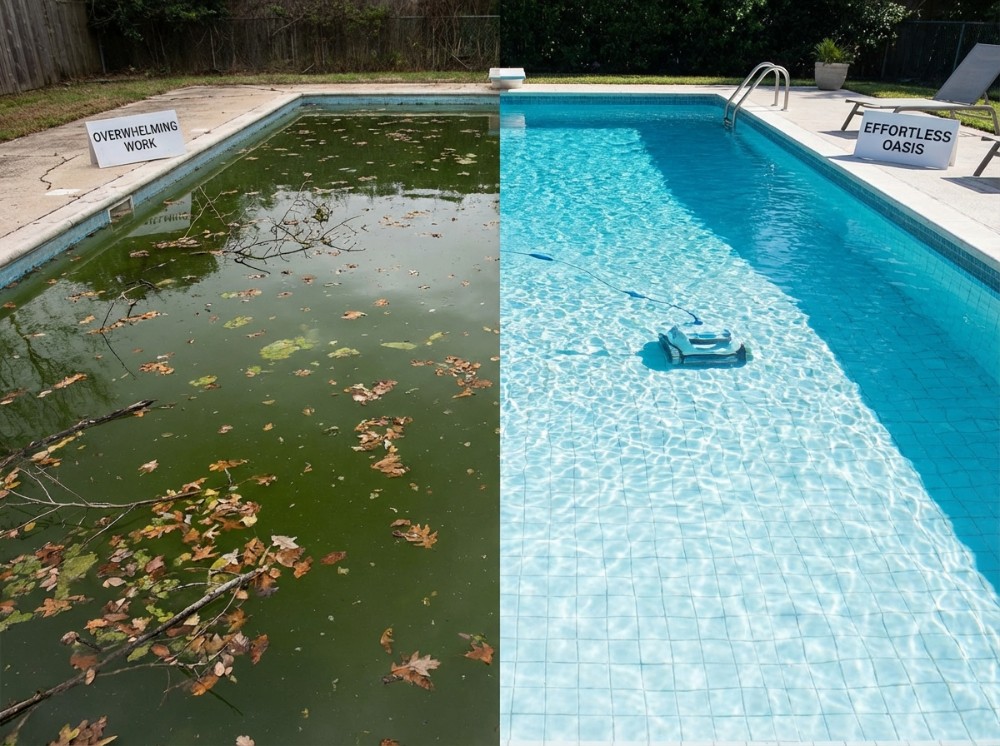 Yet several obstacles make consistent, thorough cleaning difficult without automation.
 Debris Gets Trapped and Stops the Cleaner:Advanced filtration systems and larger debris chambers prevent clogging, allowing continuous operation even in pools with heavy leaf fall and fine sediment.
- Cleaners Get Stuck in Corners and Steps:Smart navigation algorithms and gyroscopic sensors map your pool geometry, ensuring complete coverage without jamming in tight corners or against stairs.
- Incompatibility with Your Pool Surface:Our top picks feature adaptive brushes and adjustable suction that safely clean vinyl, fiberglass, tile, pebble finishes, and plaster without damage or inefficiency.
- Physical Strain from Manual Scrubbing:Robotic cleaners eliminate the backache and frustration of pole-mounted brushes, automatically scrubbing floors, walls, and waterlines while you relax.
Smart Scrub, Filter, and Navigate
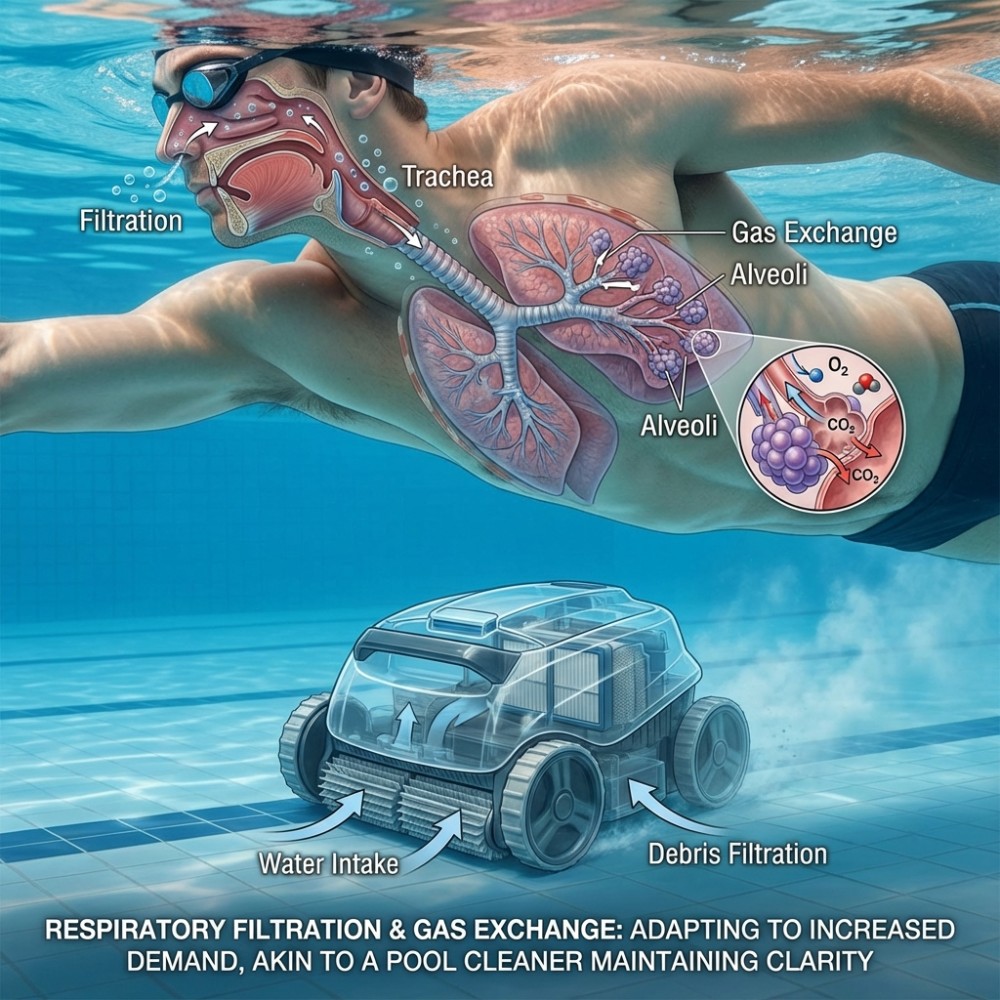 Modern robotic pool cleaners combine sophisticated sensors with dual-drive motor systems to create a comprehensive cleaning approach.
 Gyroscopic navigation chips constantly monitor the cleaner's position and orientation, building a virtual map of your pool to ensure zero missed spots.
Dual scrubbing brushes rotate at speeds exceeding 40 RPM, creating mechanical agitation that dislodges biofilm and algae from surfaces. Meanwhile, multi-stage filtration captures particles down to 2 microns, removing fine debris that traditional systems miss. Advanced models in 2026 now feature smart scheduling algorithms that calculate optimal cleaning patterns based on pool shape, surface material, and typical debris load, reducing energy consumption by up to 35% compared to older random-pattern cleaners.
Key Benefits of pool cleaner
 Hands-off deep cleaning
Programmable cycles and wall-climbing brushes scrub where manual tools miss—tile lines, stairs, and coves—lifting embedded grime and biofilm. You gain hotel-clear water with less elbow grease and fewer weekend chores, even after windy days or heavy swim parties.
Healthier, clearer water
Fine-filtration baskets trap silt, pollen, and spores that cloud water and trigger sensitivities, reducing sanitizer demand. Better particulate removal means fewer chloramine odors, less eye and skin irritation, and consistently sparkling water that invites more frequent, confident swimming.
Lower operating costs
Independent debris capture shortens pump run times and cuts backwashing, saving electricity and water. With smarter circulation and less chemical overcorrection, you’ll spend less maintaining clarity while extending the life of filters and seals.
Faster turnaround between swims
Algorithmic routing and powerful suction clear debris quickly, restoring visibility and hygiene in a single cycle. That means spontaneous swims after storms are practical, without waiting hours for manual vacuuming or for suspended particles to settle.
Gentle on surfaces
Non-scuff tracks and balanced brush pressure dislodge grime without etching plaster or scratching fiberglass and vinyl. Consistent, even contact prevents hot spots and preserves finish luster, helping your pool look newer for longer with every automated pass.
Set-and-forget convenience
Lightweight lift handles, tangle-free swivel cords or cordless batteries, and app timers make operation intuitive. Schedule overnight cycles, then empty the basket in seconds, turning maintenance into a quick rinse rather than a sweaty, time-consuming routine.
10 Best Pool Cleaners
 Daniel Kenitz
Please note that we participate in affiliate marketing programs. When you purchase through links on our site, we may earn a commission. As an Amazon Associate we earn from qualifying purchases. This comes at no additional cost to you and helps support the resources required to provide valuable content.Advertising Disclosure
Top-rated Pool Cleaner Comparison
1

2
4
5
6
7
8
9
Pool cleaners: what matters before you buy
Pool cleaners remove physical debris; they do not, by themselves, disinfect water, control algae, or establish that a pool is safe to swim in. The main product types in this category differ substantially: robotic cleaners use an onboard battery, suction-side cleaners use the pool’s circulation system, pressure-side cleaners require a dedicated booster pump, surface skimmers collect floating debris, and handheld vacuums require active guidance. A floor robot cannot replace a surface skimmer, while a skimmer cannot remove settled sand or debris from walls and floors.
Whether a cleaner works depends less on its headline suction number than on demonstrated pickup and retention under disclosed conditions. Look for independent testing that identifies the pool dimensions, surfaces, slope, obstacles, debris type, filter configuration, cycle length, and number of runs. A large basket or a stated filter size is not proof that debris will be captured: the supplied reviews repeatedly distinguish ordinary leaves and sand from fine silt, pollen, algae, and suspended particles. Fine filtration may be optional, may not be included by default, or may clog and reduce suction when the pool is heavily soiled.
Coverage claims also need context. “Floor, wall, waterline, steps, and shallow areas” can describe intended modes rather than independently demonstrated results. Pool geometry, slippery surfaces, drains, steps, ledges, water depth, debris loading, and filter cleanliness can change performance. Runtime figures may apply only to floor-only or surface operation, while full-coverage cycles are shorter. Conflicting figures in the supplied listings include different runtimes, charging times, basket capacities, pool-size limits, and minimum depths. Suction figures such as GPH or gallons per minute are not comparable without the test conditions and do not show how much debris reaches or stays in the basket.
For powered products used around water, check the complete cleaner, charger, and power supply not just a radio module or a generic statement for a matching UL Product iQ, Intertek ETL, or CSA listing. FCC authorization can support Wi-Fi or Bluetooth compliance, but it does not certify wet-use electrical safety, battery safety, waterproofing, or cleaning performance. Read the manual and rating labels for charging only when contacts are dry, use of the supplied charger, GFCI protection, charging distance from the pool, depth and chemistry limits, no-swimmer rules, drain and step restrictions, and storage conditions. A claimed certification should have an exact model and publicly checkable record.
Also compare the product’s service life, not only its purchase price. Check whether filters, brushes, tracks, chargers, baskets, batteries, and repair services are available; whether the battery is sealed or replaceable; and whether the manufacturer provides a U.S. take-back or recycling route. A warranty helps with accountability, but it does not automatically establish repairability or responsible battery end-of-life. For battery products, damaged or worn lithium-ion equipment should not go in household trash or ordinary curbside recycling.
Recurring safety caveats in the supplied reviews are significant. Keep swimmers, children, and pets out of the pool while cleaners operate, and remove or retrieve surface skimmers before swimming. Charge only in a dry, protected location with the specified equipment; keep charging contacts and ports dry; and follow GFCI, distance-from-water, temperature, chemistry, depth, and storage limits. Several products have sealed, non-user-replaceable batteries, and exact-model electrical certification was commonly not publicly verified. Multiple reviews also warn about unsuitable steps, raised drains, shallow platforms, slippery surfaces, unusual geometry, or heavy algae and neglected pools. Earlier, different models from some brands were recalled for overheating or fire hazards; that does not name every current product, but it makes charging and storage instructions important. No single category-wide contraindication beyond these recurring limits was established, but buyers should confirm the exact model’s compatibility before use.
Integrity
The scores below compare the supplied products against health, ecological, and evidence criteria. A higher score means the review found stronger support or clearer limits for that topic; it does not mean the product sanitizes pool water or is risk-free.
HHealth & Safety
Electrical and battery safety
This measures evidence for the complete cleaner, charger, power supply, and battery, plus clear wet-use and charging limits. It matters because a lithium-ion device is charged and operated around water. Higher-scoring products had more concrete manual safeguards or documentation; lower scores generally lacked a publicly checkable UL, ETL, or CSA listing for the complete system. FCC radio approval alone is not enough.
Does not pretend to sanitize the pool
This checks whether the product clearly separates debris removal from disinfection, algae control, and safe-to-swim water quality. That distinction matters because a cleaner can collect leaves or sand without treating microorganisms or balancing water chemistry. Higher-scoring products made debris-only boundaries clear; lower-scoring products used water-quality or chlorine-related language that could blur cleaning with sanitation, even where no formal sanitizer claim was established.
Safe for the pool and people using it
This measures clear limits for pool surfaces, depths, slopes, drains, steps, hoses, power connections, and keeping swimmers out. These limits help prevent entrapment, trips, surface damage, and misuse. Higher scores reflected detailed instructions and compatibility boundaries. Lower scores reflected unclear limits or documented problems with steps, drains, shallow platforms, slippery surfaces, corners, or unusual pool geometry.
EEcology
Energy and pump burden
This measures electricity used during cleaning, including any required circulation or booster-pump load. Cordless robots and skimmers generally avoid a direct cleaner connection to the pool pump, while suction- and pressure-side products depend on circulation equipment. Higher scores among the supplied products generally reflected self-powered operation or solar charging; lower scores reflected required hydraulic operation or missing product-specific energy testing.
Battery life and responsible end-of-life
This measures whether the battery can be replaced, removed safely, supported with spare parts, and routed through a real U.S. recycling or take-back program. It matters because sealed lithium-ion batteries can make an otherwise serviceable cleaner difficult to repair. Higher scores reflected clearer recycling, trade-in, service, or parts pathways; lower scores reflected sealed batteries, no replacement part, and no product-specific U.S. take-back route.
Maintainable and accountable after purchase
This measures access to filters, brushes, tracks, chargers, baskets, repairs, warranties, serial-number support, and recalls. Maintenance can extend service life and prevent degraded pickup or unsafe operation. Higher-scoring products had clearer warranties, replacement consumables, repair channels, or traceability. Lower scores had limited parts information, unclear warranty coverage, or little evidence of a usable post-purchase support path.
EEvidence
Actually captures the debris it reaches
This measures demonstrated pickup and retention of the debris claimed, including fine silt when advertised. It matters because a cleaner that stirs up leaves or passes fine particles back into the pool may look active without reducing the debris load. Higher scores were supported by independent tests, such as strong mixed-debris collection; lower scores reflected missed debris, coarse included filters, or no independent pickup evidence.
Cleans the surfaces and area it promises
This measures demonstrated floor, wall, waterline, step, shallow-area, and surface coverage, together with usable runtime. Higher scores came from independent testing that confirmed meaningful floor, wall, or waterline performance. Lower scores reflected missed steps, coverage gaps, conflicting runtime or pool-size claims, and products whose broad surface claims remained manufacturer-stated only.
Third-party proof, not just badges
This measures whether safety, wireless, and performance claims can be matched to an independent laboratory, regulator, or public certificate for the exact model. Higher scores reflected identifiable FCC records, independent testing, or externally checkable documentation. Lower scores reflected generic compliance language, unmatched certification claims, or no public certificate for the exact cleaner and charging equipment.
Honest, comparable specifications
This measures whether suction, filtration, runtime, pool-size, navigation, and water-quality claims state meaningful conditions and avoid misleading comparisons. Higher scores reflected concrete manuals, consistent specifications, and appropriately limited claims. Lower scores reflected conflicting runtimes, capacities, depths, names, filter configurations, or unsupported claims such as unusually fast cleaning or complete coverage.
Full reviews

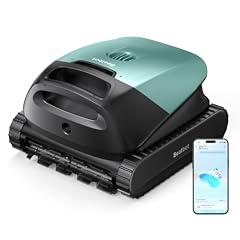
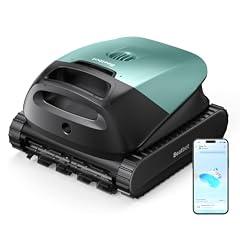
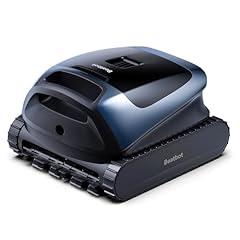
Beatbot Sora 70 Pool Vacuum Robot
Overview
This is a cordless robotic cleaner for in-ground pools. It operates from an internal 21.6 V lithium-ion battery and collects debris in a 6 L basket. The supplied manual specifies a 4.5-hour charge time, up to five hours of stated runtime, IP68 protection for the robot, and a 28 V, 64.4 W charger. It is not a suction-side or pressure-side cleaner, so it does not connect to the pool plumbing or require the circulation pump to propel it. The manufacturer states that it cleans floors, walls, waterlines, floating debris, and qualifying shallow platforms over 8 inches deep. It specifies a standard 150-micron filter, with a 3-micron accessory basket sold separately. These coverage, filtration, suction, and runtime figures are based on Beatbot's internal testing. I did not locate a published independent test of this product using disclosed pool geometry, debris, cycle conditions, and filter configuration.
What works
- Its cordless, self-contained operation avoids a cleaner hose, booster pump, and added circulation-pump load.
- The manual gives concrete operating limits, including water chemistry, water temperature, depth, charging temperature, and a no-swimming instruction.
- A 6 L standard debris basket and an optional 3-micron accessory basket are available from the manufacturer.
- Beatbot provides a three-year warranty for the main body, battery system, and power supply.
What does not
- No exact-model UL, ETL, or CSA certification record was located, despite broad certification claims on Beatbot marketing pages.
- No independent, disclosed-protocol test was located to substantiate debris pickup, complete coverage, suction, or stated runtime.
- The standard basket is rated at 150 microns. Fine-particle capture depends on buying and maintaining the separate 3-micron basket.
- Beatbot says wall scrubbing helps prevent algae buildup. A cleaner is not a substitute for EPA-registered pool sanitation or algae-control treatment.
- The battery is not user-replaceable. The manual directs battery service to qualified technicians, and no Beatbot U.S. battery take-back program was identified.
Who is it for
This product suits an owner of a compatible in-ground pool who wants a self-contained cleaner that does not use a pressure line, suction hose, or booster pump. It is particularly relevant for pools with substantial floating leaves, accessible broad steps or tanning platforms, and routine debris that can be emptied after cleaning. The owner should be comfortable rinsing the basket, charging the robot indoors in a dry location, keeping swimmers out during operation, and using the supplied hook if automatic retrieval fails. Fine silt users should budget for the separate ultra-fine basket.
Who is it not for
It is not suitable for anyone expecting a device to make water safe for swimming, control algae, or replace chemical balancing and EPA-registered sanitation products. Do not use it while people are in the pool. It is also a poor fit for a pool outside the manual's limits, including water deeper than 11.5 feet, chlorine above 4 ppm, salt above 5,000 ppm, or water outside 43 to 95 F. Households needing user-swappable batteries, independently proven performance, or an independently listed U.S. safety certification should consider those evidence gaps material.
Integrity
The product has useful documented safeguards, but its safety case is only partly externally checkable. The manual requires dry, indoor charging, specifies the compatible power supply, warns against damaged or altered batteries, directs users not to enter the pool while it operates, and requires separation from power sources while it drains. It also states IP68 protection for the robot. However, an exact-model listing in the UL, ETL, or CSA public directories was not located. It removes physical debris, not pathogens. Beatbot's algae-prevention wording should not be read as pool sanitation. EPA guidance distinguishes cleaning from sanitizing and algae control, which require appropriate EPA-registered products. The rechargeable battery can be handled through a U.S. lithium-ion recycling route once removed by qualified service, but Beatbot does not identify a U.S. take-back program. Filters, charger, and an ultra-fine basket are sold as parts, while the battery is service-only. No Beatbot Sora 70 recall was located in the CPSC recall database search.

Beatbot Sora 10 Cordless Pool Vacuum Robot
Overview
This is a cordless, battery-powered robotic pool cleaner for underwater pool maintenance. Beatbot says it is intended for in-ground and above-ground pools, with floor, wall, waterline, and shallow-platform cleaning. The official specifications list a 5 L debris basket, a supplied 150-micron filter, 7,800 mAh lithium-ion battery, and an approximately 3.5-hour, 65 W charge. Its most defining features are manufacturer-stated rather than independently tested. Beatbot says floor-only runtime can reach five hours, while floor, wall, and waterline cleaning can reach four hours. It also states use from 1.6 to 9.8 feet deep and in saltwater below 5,000 ppm. No public independent pickup, coverage, runtime, electrical-safety, or wireless certification record was located for this specific product and charger.
What works
- Cordless operation avoids a connection to the pool circulation pump or a separate booster pump.
- The supplied basket is specified at 5 L with 150-micron filtration for routine debris, according to Beatbot.
- Beatbot sells a product-specific 3-micron supplementary filter for fine dust and algae, with stated replacement guidance after 40 cycles or 150 operating hours.
- A two-year warranty covers the main body, including the battery, electronics, motor, sensors, plastic parts, and power supply, according to Beatbot's warranty policy.
What does not
- No public UL, ETL, or CSA listing was located for the complete cleaner, charger, or power supply, so electrical safety certification cannot be independently confirmed.
- No independent test report was located for this product's debris pickup, wall and waterline coverage, obstacle avoidance, or stated runtime.
- Fine filtration is not included. The supplied basket is stated as 150 microns, while the 3-micron filter is an extra accessory with a limited stated service life.
- Published manufacturer figures are not fully consistent. One area claim is 3,229 square feet and the specifications table gives 3,299 square feet, while runtime depends substantially on the selected cleaning task.
- The battery appears to be part of the main body. No consumer battery-removal instructions, battery parts listing, or manufacturer take-back program was located.
Who is it for
This product suits a pool owner seeking a cordless cleaner for routine underwater debris removal, especially leaves, insects, sand, and larger visible debris. It fits pools within Beatbot's stated operating depth of 1.6 to 9.8 feet, including common concrete, vinyl, fiberglass, and ceramic-tile surfaces. It is also relevant where avoiding a booster-pump cleaner matters, because it runs from an onboard battery. The owner should be comfortable cleaning the basket after use, charging and storing the unit dry, and treating its coverage and runtime figures as manufacturer-stated laboratory results.
Who is it not for
It is not suited to households that need independently certified wet-use electrical equipment or documented third-party performance testing for a specific pool shape and debris load. It is also not for pools needing surface skimming, because Beatbot says this model does not clean the water surface. Owners with very fine silt, persistent cloudiness, or algae should not assume the included 150-micron basket provides ultra-fine capture. The optional 3-micron filter may help capture fine material, but it is a separate consumable and does not sanitize water or control algae growth.
Integrity
The product is a debris cleaner, not a pool sanitizer. Beatbot's product page describes filtration and cleaning functions, and no EPA-style disinfecting or safe-to-swim claim was identified. Removing debris can support routine pool care, but water disinfection, chemical balance, and algae control remain separate tasks. EPA guidance distinguishes cleaning from claims to disinfect or control microorganisms. The cordless format can reduce pool-system energy burden because it does not require a dedicated booster pump. Older category testing found robotic cleaners can use much less power than hydraulic cleaners that rely on booster pumps, but that evidence does not verify this model's actual energy use or cleaning output. Beatbot states chemical-resistant ASA housing, titanium charging contacts, saltwater use below 5,000 ppm, and a two-year main-body warranty. No public CPSC recall or warning was located in the search, but no public UL, ETL, CSA, or exact-model FCC record was located either. For end of life, a lithium-ion battery should go through a qualified battery recycler, not household trash, but the product lacks a documented manufacturer battery take-back path.
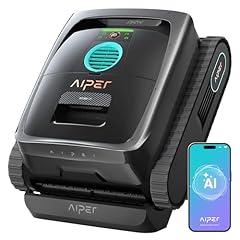
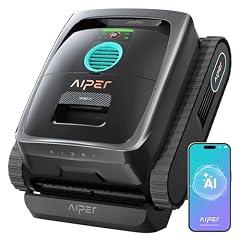
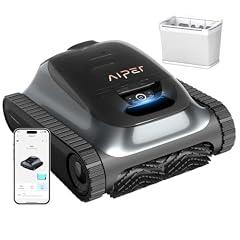
AIPER Scuba V3 AI Robotic Pool Cleaner
Overview
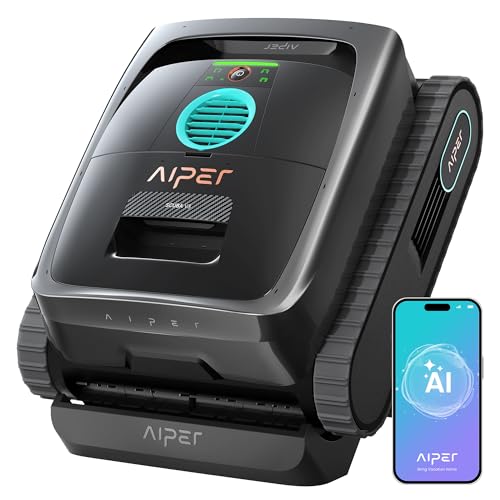
This product is a cordless, battery-powered robotic cleaner for permanently installed swimming pools. It is intended to collect physical debris from the floor, walls, and waterline, then be lifted out and recharged on its dock. The manufacturer lists a 3.5-liter top-loading basket, an ultra-fine MicroMesh filter, coverage for pools up to 1,614 square feet, and up to 180 minutes of runtime, with up to 210 minutes in Eco mode. Independent hands-on testing supports meaningful debris pickup and surface cleaning, although it is not laboratory certification. One tester reported 96 percent cleanliness with synthetic debris and successful floor, wall, and waterline runs. The same testing found real-world cycles commonly lasted about 170 to 190 minutes. The product does not replace filtration, chemical balancing, disinfection, algae treatment, or water-quality testing.
What works
- Independent hands-on testing found strong debris pickup, including a reported 96 percent result with synthetic debris.
- Test runs documented cleaning of floor, walls, and waterline rather than floor-only operation.
- Its onboard battery avoids a connection to the pool circulation or booster pump during cleaning.
- The manufacturer sells replacement filter sets, debris baskets, and care kits, and provides a U.S. repair request process with serial-number traceability.
What does not
- No exact-product UL, ETL, CSA, or FCC authorization record was located in the public directories checked. Aiper publishes certification information, but its page does not clearly tie a public certificate number to this exact product.
- The battery is not designed for consumer replacement, so battery aging can limit the usable life of the whole cleaner.
- The fine MicroMesh filter is a consumable. The manual recommends replacement at roughly 30 uses, and independent testing found the mesh more difficult to rinse thoroughly than the main basket.
- The manufacturer advertises claims such as 10 times faster cleaning and autonomous weekly planning without publishing a comparable test protocol. Independent testing also found unreliable schedule execution.
Who is it for
This product suits an owner of a permanently installed in-ground pool with routine leaf, grit, insect, pollen, or fine organic debris, especially where avoiding pool-pump load matters. It is most appropriate for pools within the manufacturer-stated 1,614-square-foot limit and compatible concrete, fiberglass, vinyl, or tile surfaces. The useful fit is a household willing to remove the robot after each run, rinse the basket and fine mesh, maintain balanced water chemistry, and treat app scheduling as a convenience feature rather than an unattended safety system.
Who is it not for
It is not appropriate for storable or temporary pools, damaged or peeling liners, freezing outdoor storage, or a pool with severe algae growth that still needs chemical treatment and manual cleanup. Households with children or swimmers who may enter the water during operation need strict supervision and should keep the cleaner out of use while the pool is occupied. It also does not suit buyers expecting a user-replaceable battery, publicly checkable exact-model safety certification, or maintenance-free fine-filtration performance.
Integrity
This is a debris-removal product, not a sanitation device. Aiper's own pool-opening guidance says water chemistry must be stabilized and heavy algae addressed before using a robotic cleaner. That boundary matters because visible debris removal does not establish safe-to-swim water quality. The available manual materials specify dry charging contacts, a cool ventilated charging area, the authorized charger only, and no extension cord. Public certification material from Aiper describes testing for some products, but an exact-product certificate number was not located in the major U.S. public registers checked. The sealed battery is not consumer-replaceable, which raises end-of-life concerns. Aiper does offer a prepaid trade-in program, a repair intake route, and replacement filters and baskets, but it does not clearly describe battery recycling or replacement for this product. A 2023 CPSC recall involved a different Aiper cordless cleaner, not this product, after overheating reports. That history reinforces the importance of following charging instructions and stopping use if the cleaner, dock, cord, or battery appears damaged.
Beatbot Sora 30 Pool Vacuum Cleaner
Overview
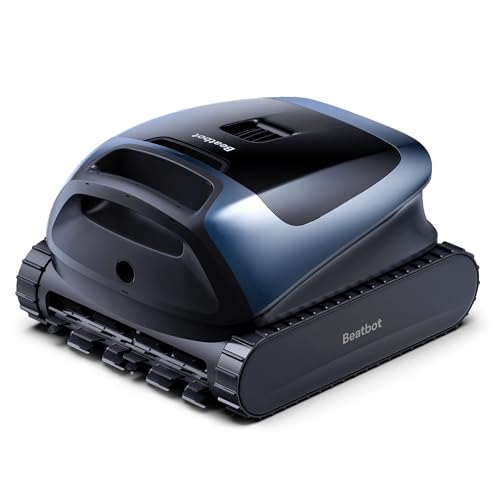
This is a cordless, rechargeable robotic pool cleaner for above-ground and in-ground pools. It is placed in the water to vacuum debris from the floor, walls, waterline, and sufficiently large shallow platforms, then is removed for charging and filter cleaning. Beatbot states a 5.2 L basket, a supplied 150 µm filter, 6,800 GPH claimed flow, and up to five hours in floor-only operation. Its stated full-coverage runtime is 4.5 hours. The defining practical feature is shallow-area use. Beatbot specifies at least 8 inches of water and a platform at least 3.3 by 3.3 feet. The robot is cordless, so it does not use the pool circulation pump or a booster pump. Independent hands-on reports confirm it collected visible debris in ordinary use, but they disagree on navigation, waterline and step coverage, retrieval reliability, and fine-particle filtration.
What works
- The cordless robotic format avoids adding cleaning load to the pool circulation or booster pump.
- Beatbot states a substantial 5.2 L debris basket and a supplied 150 µm filter for ordinary leaves, insects, sand, and larger debris.
- The stated shallow-platform limit of 8 inches addresses a pool feature many robots cannot enter.
- A two-year product warranty is published, with repair or replacement described for covered problems.
- An independent hands-on test found meaningful debris collection after a three-hour cleaning session in a regular home pool.
What does not
- No public UL, ETL, or CSA listing for the complete product and its charging equipment could be matched to this exact model during verification. That is missing safety evidence, not proof of an electrical defect.
- The supplied 150 µm filter is coarse for silt, pollen, and cloudy-water particles. Beatbot sells a separate ultra-fine basket for dust the original basket cannot process.
- Independent testing is mixed. One experienced pool-cleaner tester reported weak step performance, incomplete navigation, inconsistent surface parking, and limited fine-debris capture.
- The advertised up-to-five-hour runtime is identified by Beatbot as laboratory data, without disclosed test conditions for debris load, pool shape, slope, or wall climbing.
- The battery is integrated, and no consumer battery-replacement procedure or dedicated U.S. manufacturer take-back route was located.
Who is it for
This product suits a pool owner with an above-ground or in-ground residential pool who primarily wants routine pickup of leaves, insects, sand, and other visible debris without running a suction-side or booster-pump cleaner. It is especially relevant where a tanning ledge or broad shallow platform has at least 8 inches of water and meets Beatbot's minimum platform dimensions. The owner should be comfortable charging the cleaner between cycles, rinsing the basket, lifting a roughly 19.6-pound robot, and treating the app as a setup and mode-selection tool rather than underwater remote control.
Who is it not for
It is not suited to households that need verified fine-silt removal from the included filter, or that expect the robot to make water safe to swim without normal chemical testing, filtration, and sanitation. People with limited lifting ability should consider that independent testing described retrieval as awkward and inconsistent. It is also a poor fit where swimmers may enter during a cleaning cycle, where the pool has very small steps or platforms, or where buyers require a publicly traceable U.S. electrical-safety certification for the exact robot and charger before using a lithium battery product around water.
Integrity
This cleaner removes physical debris. It is not a sanitizer, algaecide, or substitute for circulation, water testing, disinfectant control, and safe-swim chemistry. Beatbot's wording about preventing algae buildup through wall scrubbing should not be read as a water-treatment claim. The supplied 150 µm basket is intended for routine debris, while the optional 3 µm basket is the brand's stated route for much finer particles. Its self-powered robotic design can reduce demand on the pool pump compared with hydraulic cleaner types, which is an ecological advantage of the format. However, Beatbot has not published a product-specific energy-per-cleaned-area result. No CPSC recall or warning matching this product was located during this check. Public UL, ETL, CSA, and FCC records also did not provide an exact, matchable certificate for the product or charger, so electrical and wireless compliance remains externally unverified. The integrated lithium battery also makes end-of-life handling important. Use a qualified battery recycler, and do not place a damaged lithium-ion battery in ordinary collection boxes.

Aiper Scuba S1 Pool Cleaner
Overview
This is a cordless, battery-powered robotic pool cleaner for pool floors, walls, waterline areas, and shallow ledges. It is placed in the pool, runs an onboard filtration motor and brush, then is retrieved with an included hook. The manufacturer lists a 3.5 L debris bin, a 3-micron replaceable MicroMesh filter, five cleaning modes, and suitability for in-ground pools up to 1,600 square feet. The 2026 product page advertises up to 270 minutes in Enhanced Eco Mode, while its technical section gives up to 180 minutes of battery life for cleaning cycles. Independent testing of earlier Scuba S1 hardware found that it picked up debris it passed over, but also missed substantial areas in repeated pool tests. That makes the stated broad coverage useful as a manufacturer claim, not established proof for every pool shape or debris load.
What works
- Cordless operation avoids a cleaner hose and does not rely on the pool circulation pump during its cleaning cycle, according to the manufacturer.
- The manufacturer specifies a 3-micron replaceable fine-debris filter and a 3.5 L basket, with replacement filters sold through its US store.
- The manual gives concrete water, depth, temperature, pH, chlorine, and salt limits, plus instructions to dry the charging port before charging.
- Tracks, roller-brush belts, the drain, and filter basket have documented cleaning or replacement procedures. The product also carries a 24-month battery and motor warranty.
What does not
- No publicly verifiable UL, ETL, or CSA certification listing for this exact current product, charger, and power supply was identified in the checks performed.
- The product page promises four-zone coverage and shallow-area cleaning, but independent testing of earlier Scuba S1 hardware found missed sections and inconsistent wall coverage. The 2026 revision has not been independently tested in the same way.
- The advertised 270-minute figure is tied to Enhanced Eco Mode, while the technical specification gives 180 minutes of battery life. Buyers cannot fairly infer 270 minutes of full floor, wall, and waterline cleaning.
- The battery does not have a documented consumer replacement path or a brand-specific US take-back program. End-of-life handling will depend on a qualified electronics or battery recycler.
Who is it for
It suits an owner of a compatible in-ground concrete, fiberglass, vinyl, or tile pool that is no larger than the manufacturer-stated 1,600 square feet and has ordinary light to moderate debris. It is particularly relevant where a cordless cleaner is preferred and where the owner can retrieve it with a pole, rinse the basket after use, and observe water-chemistry and temperature limits. The documented Eco scheduling and replaceable fine filter also fit routine maintenance rather than one-time recovery of a heavily fouled pool.
Who is it not for
It is not suited to households that need independently proven complete coverage of a complex pool with deep hoppers, difficult corners, large obstacles, steep transitions, or heavy leaf and silt loads. Keep swimmers out while operating it, and do not use it outside the stated depth, temperature, chemistry, or salinity limits. It is also a poor fit where charging must occur outdoors in direct sun or where a user cannot reliably dry and inspect the charging port. Buyers needing a user-replaceable battery or verified electrical certification should seek clearer documentation.
Integrity
This product removes physical debris, it is not a sanitizer, algaecide, or substitute for filtration, disinfectant, and tested safe-swim water chemistry. The manufacturer does not present it as a pool disinfectant. Its instructions set operating limits of 50 to 95 F, pH 7.0 to 7.4, chlorine up to 4 ppm, and salt up to 5,000 ppm for the documented X5 Pro manual. They also instruct users to dry the charging port before charging and not charge in direct sun. Aiper provides a two-year battery and motor warranty and sells replacement filters. The manual also documents track and brush replacement, which can extend service life. However, no consumer battery-replacement process or US brand take-back route was identified. Lithium-ion products should go to an appropriate battery or electronics recycler, not household trash or curbside recycling. A March 20, 2025 CPSC recall involved a different Aiper Seagull Pro model and its overheating adapter, not this Scuba S1 product.

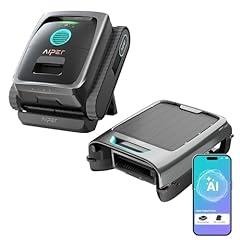
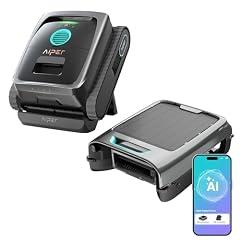
AIPER Experts Duo: Scuba V3 & Surfer S2
Overview
This product bundles two battery-powered pool devices. The Scuba V3 is a cordless submerged robot for pool floors, walls, and the waterline. The EcoSurfer S2 is a floating surface skimmer for leaves, pollen, insects, and other floating debris. They are app-connected, but they perform different jobs rather than replacing pool chemistry or circulation equipment. Aiper states that the Scuba V3 has up to 180 minutes of runtime, covers pools up to 1,600 square feet, and can use a replaceable 3-micron MicroMesh filter. Aiper also states that the EcoSurfer S2 has a 4-liter basket, 150-micron filtration, and solar-assisted operation. These are manufacturer specifications, not independently published performance-test results. The S2 includes a chlorine-tablet compartment, but the product itself does not establish or verify safe sanitizer concentration.
What works
- Two separate devices address floating debris and submerged floor, wall, and waterline debris, according to Aiper's product documentation.
- The Scuba V3 manual describes replaceable tracks, roller brushes, and an optional replaceable fine MicroMesh filter.
- Aiper states that the Scuba V3 can run for about three hours per full charge and returns to the waterline when its battery is depleted.
- The EcoSurfer S2 has a stated 4-liter enclosed debris basket, which can reduce emptying frequency for surface debris.
- Aiper provides a U.S. warranty request route that uses proof of purchase and the product serial number for traceability.
What does not
- No independently published test report was located for debris pickup, filtration efficiency, coverage, runtime, or the advertised AI cleaning-speed claims for this bundle.
- The EcoSurfer S2 page says 35 hours of battery life, while Aiper's troubleshooting guidance describes roughly three to four hours of active skimming. The operating conditions behind the 35-hour figure are not clearly stated.
- The Scuba V3 battery is sealed and not intended for owner replacement. Aiper says replacement is handled through its service process.
- Aiper says replacement charging cables and filter baskets for the EcoSurfer S2 are not sold through its online storefront, which can delay maintenance.
- The S2 marketing says its tablet holder maintains healthy, optimal chlorine levels, but pool chlorine tablets require label-specific dosing and regular water testing.
Who is it for
This product suits an owner of a residential in-ground pool who wants separate automated tools for routine surface skimming and periodic submerged cleaning. It is most relevant where leaves, pollen, insects, and sunscreen film accumulate at the surface while floor and wall debris also need attention. The buyer should be comfortable emptying and rinsing baskets after use, using the app, charging two battery devices, and independently testing and balancing pool water. It also fits households that can keep children and pets away from the pool area while either robot is operating or charging.
Who is it not for
It is not suited to anyone expecting a cleaner or chlorine-tablet holder to sanitize water, control algae, or confirm that the pool is safe for swimming. Those outcomes require EPA-registered chemicals used exactly by their labels and regular water testing. It is also a poor fit for owners who need fully owner-replaceable batteries or readily purchasable spare cables and baskets. Avoid relying on the surface skimmer in pools with strong surface jets, large floating toys, or abnormal circulation, because Aiper says normal pump flow assists its movement.
Integrity
The key health boundary is water chemistry. The surface skimmer can hold 3-inch chlorine tablets, but Aiper's claim that it can maintain healthy chlorine levels is not enough to establish safe water. EPA-labeled pool sanitizers require specific directions, including testing free chlorine and adjusting dosage. Debris removal also does not disinfect the pool or control algae. Aiper lists UL, FCC, IPX8, and other testing standards for the Surfer S2 on its safety page, but no public certificate number was located for this exact bundle, and the Scuba V3 is not clearly matched there. Aiper had a 2023 CPSC recall for the different Elite Pro GS100 model after overheating reports, not for these models. The Scuba V3's sealed battery and limited online availability of some EcoSurfer S2 replacement parts add avoidable e-waste risk if service support is unavailable after warranty.

WYBOT C1 Cordless Pool Vacuum
Overview
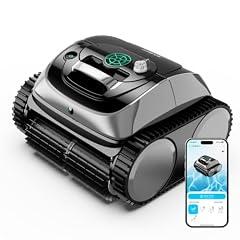
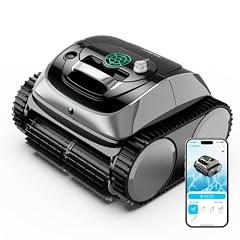
The WYBOT C1 Pro is a cordless, rechargeable robotic pool cleaner with tracks, scrubbing brushes, a water pump, and a removable debris basket. It is placed directly into the pool, then run from preset controls or an app. The manufacturer manual identifies it for in-ground pools, lists a 180-micron basket, 65 W rated power, a maximum 150 square meter pool area, and a 120 to 150 minute runtime. Its wireless hardware has an exact-model FCC equipment authorization, which confirms radio compliance for its Wi-Fi and Bluetooth transmitter. That authorization is not a performance test or a complete electrical-safety approval. The product listing's 160-minute runtime does not match the 120 to 150 minute range in the manufacturer manual, and independent debris pickup, coverage, and runtime testing was not located.
What works
- The exact product model has an FCC authorization for its Wi-Fi and Bluetooth hardware.
- The cordless design operates independently of the pool circulation pump, and the manufacturer rates the cleaner at 65 W.
- The manual provides concrete charging and wet-use precautions, including a dry charging port, a GFCI-protected outlet, and no swimming while it runs.
- A top-access removable basket is specified with 180-micron filtration, and the manual gives rinse and storage instructions.
- The manufacturer provides two years of coverage for the battery, motor, and circuit board for original purchasers.
What does not
- The listing claims 160 minutes of runtime, but the manufacturer manual for this product specifies 120 to 150 minutes. This is a documented specification conflict.
- No independent test report was located for pickup of fine silt, full-pool coverage, wall climbing, waterline cleaning, or usable runtime.
- The manual shows a cETLus mark, but no exact-model public Intertek listing or certificate number was located to independently confirm complete cleaner and charger safety certification.
- The manual is for in-ground pools, despite the listing also describing above-ground use. It also warns that tile, mosaic, and acrylic surfaces may not work well.
- The sealed battery is not presented as user-replaceable, consumable components are outside the warranty, and no U.S. battery take-back program or repair parts catalog was located.
Who is it for
This product suits an in-ground pool owner who wants a cordless cleaner for routine leaves, sediment, and ordinary settled debris, and who is comfortable rinsing the basket after every run. It is most appropriate where the pool has PVC, gunite, or another higher-friction surface, has at least 0.5 meter water depth above the cleaner, and does not need the cleaner to operate while people are swimming. It also suits owners who can charge it dry and well away from the pool using a GFCI-protected outlet.
Who is it not for
It is not a good fit for households that need independently demonstrated fine-silt pickup, repeatable whole-pool coverage, or a confirmed 160-minute cycle. Avoid relying on it for sanitation, algae treatment, or safe-swimming water quality, because it only removes debris. It also needs caution in pools with slippery tile, mosaic, or acrylic finishes, and in pools where steps, drains, shallow areas, or unusual obstacles make coverage important. Children and swimmers should stay out while it operates, and it should never be charged near water.
Integrity
The strongest independently checkable credential is the FCC authorization for the exact wireless product, covering its Wi-Fi and Bluetooth transmitter. The manufacturer manual also displays a cETLus mark and gives useful electrical precautions, including keeping the charging port dry, charging at least 3 meters from the pool, using a GFCI-protected outlet, avoiding extension cords, and keeping swimmers out during operation. A public Intertek record for the exact product and charger was not located, so the cETLus mark should not be treated as independently confirmed here. This is a debris cleaner, not a sanitizer or algaecide. It can reduce visible debris but does not replace EPA-registered pool treatment or water testing. Its cordless 65 W design avoids placing a cleaning load on the pool pump. The lithium-ion battery is inside a sealed section that the manual says users should not disassemble. WYBOT provides a two-year warranty for the battery, motor, and circuit board, but no product-specific U.S. take-back path or user battery replacement process was located. Recycle an end-of-life lithium-ion battery through an accepting battery or electronics recycler, not household trash.

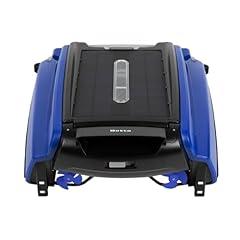
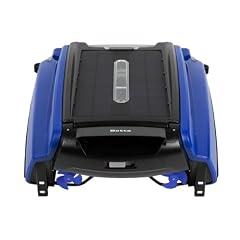
Betta SE Plus Solar Pool Skimmer
Overview
This product is a cordless, solar-powered robotic surface skimmer for above-ground and in-ground pools. It travels on the water surface, drawing floating leaves, insects, pollen, dust and similar debris into a removable basket. It is not a floor, wall, or waterline cleaner, and it does not replace circulation, filtration, sanitizer, or water testing. Betta states that the unit has a 200-micron fine-mesh basket, twin salt-chlorine-tolerant motors, remote control, solar charging, and an included adapter for off-pool charging. Its owner manual confirms the basic operating arrangement, including a built-in battery, solar panel, removable collection basket, charging port, and anti-stranding bars. The manufacturer claims more than 30 hours from a charge and coverage up to 40 by 60 feet, but no controlled third-party test report was located for those performance figures.
What works
- The manual clearly frames it as a surface-debris collector rather than a sanitizing device.
- Solar operation avoids a hose, booster pump, and a dedicated pool-pump cleaning load.
- An included adapter provides a charging fallback when solar input is inadequate, according to the manufacturer.
- The owner manual gives concrete use and maintenance instructions, including basket cleaning every two to three days.
- Betta sells direct replacements for the basket, charging adapter, guide wheels, motor rotor and propeller set, remote, and anti-stranding accessories.
What does not
- No public UL, ETL, or CSA certification match was located for the complete product, its charger, or its power supply.
- The manufacturer calls the operation continuous, yet its manual says solar charging and runtime can be significantly lower in fall and winter.
- No rigorous independent pickup, retention, coverage, or runtime report with disclosed pool conditions was located.
- The manual says the unit can still become stuck on stairs, structures, debris, hair, or string despite its anti-stranding design.
- The battery is built in, and published repair materials do not provide a consumer battery-removal procedure or a product-specific battery recycling program.
Who is it for
This product suits a pool owner whose main recurring problem is floating leaves, pollen, insects, or pet hair, rather than settled dirt on the floor. It fits an above-ground or in-ground pool with usable open surface area, regular sunlight, and an owner willing to empty the basket every few days. The adapter is particularly relevant where cloudy periods interrupt solar charging. It also suits users who want surface skimming without adding hoses or increasing circulation-pump demand.
Who is it not for
It does not suit households expecting one machine to vacuum the floor, brush walls, remove waterline buildup, or make water safe to swim. It should not operate while anyone is swimming, around children as a toy, or alongside other pool-cleaning devices. Pools with complex stairs, stools, tight obstacles, exposed skimmer ports, heavy string-like debris, or severe leaf drops need close monitoring because the manual acknowledges stranding and impeller or propeller blockage. Users needing publicly documented electrical certification or replaceable-battery service information will find those records incomplete.
Integrity
The product makes a comparatively clear functional boundary. Its manual describes collecting floating debris, while its published materials do not present it as a sanitizer, algae treatment, or substitute for balanced, disinfected pool water. Its owner instructions also say to remove it when the pool is in use, keep it away from children, avoid using it with another pool cleaner, and turn it off for adapter charging. Solar charging and cordless operation can reduce dependence on a pool pump or booster pump. That benefit is limited by weather and season, since the manual warns of reduced solar charging in fall and winter. The built-in lithium-ion battery creates an end-of-life responsibility, but Betta does not publish a removal procedure or take-back route for this model. U.S. rechargeable lithium-ion collection options exist through Call2Recycle, subject to local acceptance and battery condition. A CPSC recall search did not return a product-specific recall during this review, but no public third-party electrical certification record was matched for the product or charger.
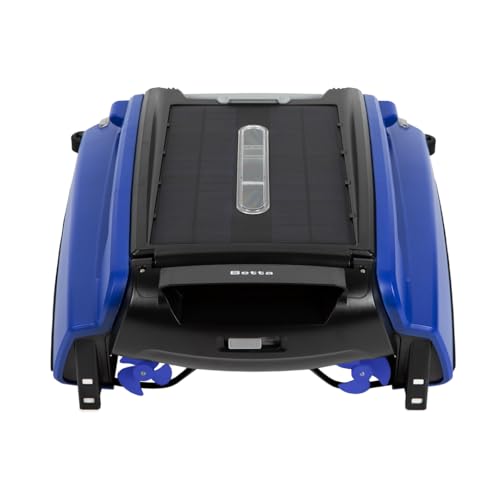
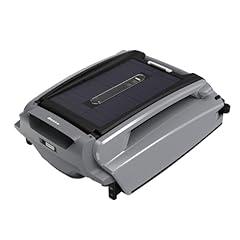
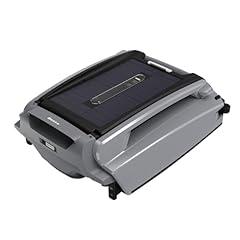
Betta SE Solar Pool Skimmer Cleaner
Overview
Betta SE is a floating robotic pool-surface skimmer, not a floor or wall cleaner. It uses a top solar panel to charge an internal lithium-ion battery, then moves across the water surface with twin motors and collects floating debris in a removable basket. It has no plug-in charging port, according to the manufacturer, and includes a wireless remote. The manufacturer specifies a 200-micron basket mesh, 30-plus hours of claimed runtime per charge, 5 to 6 hours of direct-sun recharge, and use in fresh water or saltwater pools up to 5,000 ppm salt. An independent owner report covering roughly one year found it useful for routine floating flowers, insects, pollen, dust, and wind debris in one pebble-finish pool. That is useful real-world evidence, but it is not a controlled test of coverage, runtime, or fine-particle capture. This product removes debris, it does not sanitize water or establish safe swimming-water chemistry.
What works
- It is solar-powered and does not require a pool pump, booster pump, or mains charging cable during normal operation, according to the manufacturer.
- The manufacturer provides a specific 200-micron basket-mesh specification and a top-access basket intended to be emptied while the unit remains in the pool.
- A disclosed independent owner report found sustained usefulness for common floating debris over roughly one year of use.
- The manual gives clear core rules, including no swimming during operation, keeping children away, and removing the product when the pool is in use.
- Replacement baskets, propeller and rotor sets, guide wheels, bumper bars, remotes, and an out-of-warranty repair route are listed by the manufacturer.
What does not
- No exact-model UL, ETL, or CSA electrical-safety listing or certificate number was located in the checked public certification sources. The lack of an external charger reduces one exposure route, but it is not third-party proof of complete battery safety.
- The internal lithium-ion battery is not user-replaceable. Betta says the product must be sent in for battery repair or replacement, creating a service dependency at end of battery life.
- The manufacturer claims up to 30-plus hours of runtime and coverage up to 40 by 60 feet, but no controlled independent test report was located for this model under disclosed pool, weather, debris, and basket conditions.
- An independent owner report documented potential sticking at a pool skimmer throat and interference from another robotic cleaner's cable. Betta also sells anti-stuck foam accessories, which indicates some pool layouts need mitigation.
- It is a surface skimmer only. It does not vacuum settled debris, scrub walls, clean waterlines, or replace water testing and chemical treatment.
Who is it for
This product fits owners of above-ground or in-ground swimming pools who mainly need help intercepting leaves, insects, pollen, dust, and similar floating debris before it sinks. It is most suited to sunny pools where a solar-only device can recharge reliably and where the owner can empty the basket regularly. It also fits households that want to avoid adding load to the circulation pump. The pool should have enough open surface area, at least the stated 5-inch operating depth, and no recurring obstruction from skimmer throats, ledges, or cleaning-device hoses.
Who is it not for
It is not suitable for anyone expecting a full robotic pool cleaner. It does not clean the floor, walls, waterline, or settled silt. It should not operate while anyone is swimming, and it is not a toy for children. Avoid it for spas, koi ponds, lakes, and other non-pool water features, which the manufacturer does not recommend. Pools with persistent shade, weak winter sun, large debris such as palm fronds, complex shallow features, skimmer openings that trap floating equipment, or another cleaner's hose or cable may need a different setup or more active supervision.
Integrity
The main safety advantage is its fully cordless, solar-only operating design. Betta says there are no AC, DC, or USB charging ports, so it does not place a powered charging connection at the pool edge during ordinary use. However, no public exact-model UL, ETL, or CSA certification record was located during this review. The manual also gives important use limits, including keeping swimmers out of the pool while it runs, removing it when the pool is in use, and not using it alongside other pool-cleaning devices. Its solar operation avoids pool-pump energy demand, but the company has not supplied an independently measured energy-per-cleaning result. The built-in lithium-ion battery is not owner-replaceable, which can increase repair dependence and electronic-waste risk. Betta does offer paid out-of-warranty repairs and sells several service parts, including baskets, motor and propeller sets, guide wheels, bumper bars, and remotes. No CPSC recall or product-safety warning specific to this product was identified in the U.S. recall check completed for this review.
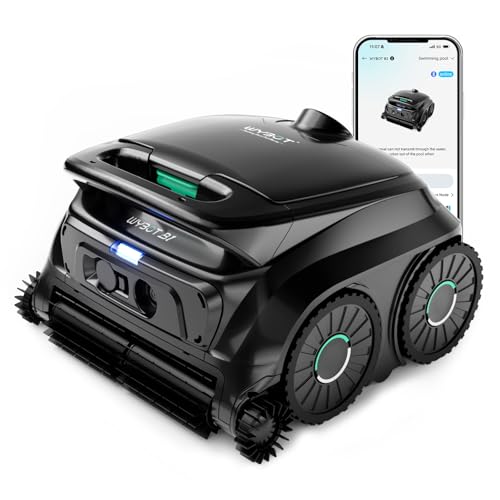
WYBOT B1 Cordless Robotic Pool Cleaner
Overview
This is a cordless, battery-powered robotic pool cleaner for in-ground and above-ground pools. It is lowered into the water, then collects debris in a top-access basket. The official manual specifies a 6.5 kg unit with a 2,600 mAh lithium-ion battery, 180-micron filtration, 100 to 120 minutes of running time, and a three-hour charge. It also sets a maximum pool area of 100 m² and a maximum water depth of 3 m. The strongest independently checked point is basic floor pickup. A hands-on test found that loose debris was reliably collected from the floor. Coverage is less settled. The brand advertises cleaning of floors, walls, waterline, steps, and slopes, but another practical test found uneven routes, only limited wall travel, and some stubborn dirt left behind. Bluetooth use is externally documented through an FCC equipment authorization for the exact OS600 model, but that authorization does not verify cleaning performance or complete electrical safety.
What works
- Independent hands-on testing found reliable collection of loose debris from the pool floor.
- The official manual gives concrete operating limits, including water chemistry, depth, charging distance, dry-port charging, and a GFCI or ELI-protected outlet.
- It is self-contained and the manual says not to run the pool filtration system while it operates, avoiding cleaner-driven pump or booster-pump load.
- The filter basket is top-accessible, removable, and intended to be emptied and rinsed after each use.
- Bluetooth radio authorization for the exact OS600 model is publicly traceable through the FCC.
What does not
- Independent testing does not yet substantiate the full wall, waterline, step, and slope coverage claimed by the manufacturer. One test observed only limited wall cleaning and missed stuck-on edge dirt.
- The manufacturer's product page and manual do not fully align. The page states 65 W and up to 1,150 square feet, while the manual lists 35 W and 100 m².
- The manual shows an ETL mark, but a public listing for the complete cleaner, charger, and power supply could not be matched in Intertek's public register during this review.
- The lithium-ion battery is built in, and the manual says sealed components may be opened only by qualified professionals. No product-specific U.S. take-back route or replacement battery policy was located.
- The official compatibility language is broad, but the manual warns that slippery tile, mosaic, and acrylic surfaces may not work well, and drain heights over 3 cm can cause sticking.
Who is it for
This product fits an owner of a compact or moderate-size pool, up to the manual's 100 m² limit, whose main need is routine removal of loose floor debris without connecting a hose, pressure line, booster pump, or trailing power cord. It is better suited to pools with sound liners, moderate slopes, accessible walls, and unobstructed drains. Buyers should be prepared to lift out a 6.5 kg cleaner, rinse its basket after each use, charge it indoors away from the pool, and treat wall and waterline cleaning as variable rather than assured.
Who is it not for
It is not suited to anyone expecting independently proven, repeatable waterline and wall scrubbing in every pool shape. Avoid it for damaged, loose, folded, or corroded liners, for pools with drain features higher than 3 cm, or where slippery tile, mosaic, or acrylic surfaces are central to the cleaning task. It should not operate while swimmers are in the pool, including children. It is also a poor fit for owners who need user-replaceable batteries, a documented long-term repair route, or a cleaning system that runs alongside the pool filtration pump.
Integrity
The manual contains meaningful wet-use and charging instructions. It requires the charging port to be dry, calls for a GFCI or ELI-protected outlet, keeps charging at least 10 feet from the pool edge, and says users must stay out of the water during operation. It also gives water-condition limits, including chlorine up to 4 mg/L, pH 7.0 to 7.8, and salt up to 5,000 ppm. The product does not advertise sanitation, disinfection, algae control, or safe-to-swim water treatment. Debris removal is not a substitute for EPA-registered pool sanitation products. The cordless format avoids a cleaner connection to the circulation or booster pump, and the manual specifically directs users not to run pool filtration during its cycle. Its lithium-ion battery is built in, however, and the manual discourages user disassembly. At end of life, the product should not enter household trash or curbside recycling. EPA guidance directs consumers to specialized battery or electronics recycling options. A 2026 CPSC fire and burn hazard recall affected other WYBOT robotic models, the S1 and Osprey 700 Max, not this product.