
10 Best Pool Cleaners
 Daniel Kenitz
Please note that we participate in affiliate marketing programs. When you purchase through links on our site, we may earn a commission. As an Amazon Associate we earn from qualifying purchases. This comes at no additional cost to you and helps support the resources required to provide valuable content.Advertising Disclosure
Top-rated Pool Cleaner Comparison
1

2
4
5
+
6
7
8
9
Pool cleaners: what matters before you buy
Pool cleaners remove physical debris; they do not, by themselves, disinfect water, control algae, or establish that a pool is safe to swim in. The main product types in this category differ substantially: robotic cleaners use an onboard battery, suction-side cleaners use the pool’s circulation system, pressure-side cleaners require a dedicated booster pump, surface skimmers collect floating debris, and handheld vacuums require active guidance. A floor robot cannot replace a surface skimmer, while a skimmer cannot remove settled sand or debris from walls and floors.
Whether a cleaner works depends less on its headline suction number than on demonstrated pickup and retention under disclosed conditions. Look for independent testing that identifies the pool dimensions, surfaces, slope, obstacles, debris type, filter configuration, cycle length, and number of runs. A large basket or a stated filter size is not proof that debris will be captured: the supplied reviews repeatedly distinguish ordinary leaves and sand from fine silt, pollen, algae, and suspended particles. Fine filtration may be optional, may not be included by default, or may clog and reduce suction when the pool is heavily soiled.
Coverage claims also need context. “Floor, wall, waterline, steps, and shallow areas” can describe intended modes rather than independently demonstrated results. Pool geometry, slippery surfaces, drains, steps, ledges, water depth, debris loading, and filter cleanliness can change performance. Runtime figures may apply only to floor-only or surface operation, while full-coverage cycles are shorter. Conflicting figures in the supplied listings include different runtimes, charging times, basket capacities, pool-size limits, and minimum depths. Suction figures such as GPH or gallons per minute are not comparable without the test conditions and do not show how much debris reaches or stays in the basket.
For powered products used around water, check the complete cleaner, charger, and power supply not just a radio module or a generic statement for a matching UL Product iQ, Intertek ETL, or CSA listing. FCC authorization can support Wi-Fi or Bluetooth compliance, but it does not certify wet-use electrical safety, battery safety, waterproofing, or cleaning performance. Read the manual and rating labels for charging only when contacts are dry, use of the supplied charger, GFCI protection, charging distance from the pool, depth and chemistry limits, no-swimmer rules, drain and step restrictions, and storage conditions. A claimed certification should have an exact model and publicly checkable record.
Also compare the product’s service life, not only its purchase price. Check whether filters, brushes, tracks, chargers, baskets, batteries, and repair services are available; whether the battery is sealed or replaceable; and whether the manufacturer provides a U.S. take-back or recycling route. A warranty helps with accountability, but it does not automatically establish repairability or responsible battery end-of-life. For battery products, damaged or worn lithium-ion equipment should not go in household trash or ordinary curbside recycling.
Recurring safety caveats in the supplied reviews are significant. Keep swimmers, children, and pets out of the pool while cleaners operate, and remove or retrieve surface skimmers before swimming. Charge only in a dry, protected location with the specified equipment; keep charging contacts and ports dry; and follow GFCI, distance-from-water, temperature, chemistry, depth, and storage limits. Several products have sealed, non-user-replaceable batteries, and exact-model electrical certification was commonly not publicly verified. Multiple reviews also warn about unsuitable steps, raised drains, shallow platforms, slippery surfaces, unusual geometry, or heavy algae and neglected pools. Earlier, different models from some brands were recalled for overheating or fire hazards; that does not name every current product, but it makes charging and storage instructions important. No single category-wide contraindication beyond these recurring limits was established, but buyers should confirm the exact model’s compatibility before use.
Integrity
The scores below compare the supplied products against health, ecological, and evidence criteria. A higher score means the review found stronger support or clearer limits for that topic; it does not mean the product sanitizes pool water or is risk-free.
HHealth & Safety
Electrical and battery safety
This measures evidence for the complete cleaner, charger, power supply, and battery, plus clear wet-use and charging limits. It matters because a lithium-ion device is charged and operated around water. Higher-scoring products had more concrete manual safeguards or documentation; lower scores generally lacked a publicly checkable UL, ETL, or CSA listing for the complete system. FCC radio approval alone is not enough.
Does not pretend to sanitize the pool
This checks whether the product clearly separates debris removal from disinfection, algae control, and safe-to-swim water quality. That distinction matters because a cleaner can collect leaves or sand without treating microorganisms or balancing water chemistry. Higher-scoring products made debris-only boundaries clear; lower-scoring products used water-quality or chlorine-related language that could blur cleaning with sanitation, even where no formal sanitizer claim was established.
Safe for the pool and people using it
This measures clear limits for pool surfaces, depths, slopes, drains, steps, hoses, power connections, and keeping swimmers out. These limits help prevent entrapment, trips, surface damage, and misuse. Higher scores reflected detailed instructions and compatibility boundaries. Lower scores reflected unclear limits or documented problems with steps, drains, shallow platforms, slippery surfaces, corners, or unusual pool geometry.
EEcology
Energy and pump burden
This measures electricity used during cleaning, including any required circulation or booster-pump load. Cordless robots and skimmers generally avoid a direct cleaner connection to the pool pump, while suction- and pressure-side products depend on circulation equipment. Higher scores among the supplied products generally reflected self-powered operation or solar charging; lower scores reflected required hydraulic operation or missing product-specific energy testing.
Battery life and responsible end-of-life
This measures whether the battery can be replaced, removed safely, supported with spare parts, and routed through a real U.S. recycling or take-back program. It matters because sealed lithium-ion batteries can make an otherwise serviceable cleaner difficult to repair. Higher scores reflected clearer recycling, trade-in, service, or parts pathways; lower scores reflected sealed batteries, no replacement part, and no product-specific U.S. take-back route.
Maintainable and accountable after purchase
This measures access to filters, brushes, tracks, chargers, baskets, repairs, warranties, serial-number support, and recalls. Maintenance can extend service life and prevent degraded pickup or unsafe operation. Higher-scoring products had clearer warranties, replacement consumables, repair channels, or traceability. Lower scores had limited parts information, unclear warranty coverage, or little evidence of a usable post-purchase support path.
EEvidence
Actually captures the debris it reaches
This measures demonstrated pickup and retention of the debris claimed, including fine silt when advertised. It matters because a cleaner that stirs up leaves or passes fine particles back into the pool may look active without reducing the debris load. Higher scores were supported by independent tests, such as strong mixed-debris collection; lower scores reflected missed debris, coarse included filters, or no independent pickup evidence.
Cleans the surfaces and area it promises
This measures demonstrated floor, wall, waterline, step, shallow-area, and surface coverage, together with usable runtime. Higher scores came from independent testing that confirmed meaningful floor, wall, or waterline performance. Lower scores reflected missed steps, coverage gaps, conflicting runtime or pool-size claims, and products whose broad surface claims remained manufacturer-stated only.
Third-party proof, not just badges
This measures whether safety, wireless, and performance claims can be matched to an independent laboratory, regulator, or public certificate for the exact model. Higher scores reflected identifiable FCC records, independent testing, or externally checkable documentation. Lower scores reflected generic compliance language, unmatched certification claims, or no public certificate for the exact cleaner and charging equipment.
Honest, comparable specifications
This measures whether suction, filtration, runtime, pool-size, navigation, and water-quality claims state meaningful conditions and avoid misleading comparisons. Higher scores reflected concrete manuals, consistent specifications, and appropriately limited claims. Lower scores reflected conflicting runtimes, capacities, depths, names, filter configurations, or unsupported claims such as unusually fast cleaning or complete coverage.
Full reviews

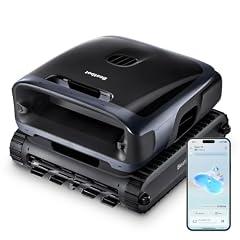
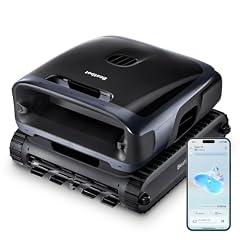
Beatbot Sora 70 Pool Vacuum Robot
Overview
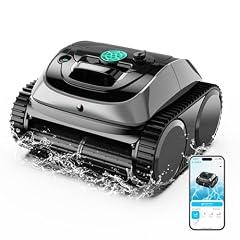
This is a cordless robotic cleaner for in-ground pools. It operates from an internal 21.6 V lithium-ion battery and collects debris in a 6 L basket. The supplied manual specifies a 4.5-hour charge time, up to five hours of stated runtime, IP68 protection for the robot, and a 28 V, 64.4 W charger. It is not a suction-side or pressure-side cleaner, so it does not connect to the pool plumbing or require the circulation pump to propel it. The manufacturer states that it cleans floors, walls, waterlines, floating debris, and qualifying shallow platforms over 8 inches deep. It specifies a standard 150-micron filter, with a 3-micron accessory basket sold separately. These coverage, filtration, suction, and runtime figures are based on Beatbot's internal testing. I did not locate a published independent test of this product using disclosed pool geometry, debris, cycle conditions, and filter configuration.
What works
- Its cordless, self-contained operation avoids a cleaner hose, booster pump, and added circulation-pump load.
- The manual gives concrete operating limits, including water chemistry, water temperature, depth, charging temperature, and a no-swimming instruction.
- A 6 L standard debris basket and an optional 3-micron accessory basket are available from the manufacturer.
- Beatbot provides a three-year warranty for the main body, battery system, and power supply.
What does not
- No exact-model UL, ETL, or CSA certification record was located, despite broad certification claims on Beatbot marketing pages.
- No independent, disclosed-protocol test was located to substantiate debris pickup, complete coverage, suction, or stated runtime.
- The standard basket is rated at 150 microns. Fine-particle capture depends on buying and maintaining the separate 3-micron basket.
- Beatbot says wall scrubbing helps prevent algae buildup. A cleaner is not a substitute for EPA-registered pool sanitation or algae-control treatment.
- The battery is not user-replaceable. The manual directs battery service to qualified technicians, and no Beatbot U.S. battery take-back program was identified.
Who is it for
This product suits an owner of a compatible in-ground pool who wants a self-contained cleaner that does not use a pressure line, suction hose, or booster pump. It is particularly relevant for pools with substantial floating leaves, accessible broad steps or tanning platforms, and routine debris that can be emptied after cleaning. The owner should be comfortable rinsing the basket, charging the robot indoors in a dry location, keeping swimmers out during operation, and using the supplied hook if automatic retrieval fails. Fine silt users should budget for the separate ultra-fine basket.
Who is it not for
It is not suitable for anyone expecting a device to make water safe for swimming, control algae, or replace chemical balancing and EPA-registered sanitation products. Do not use it while people are in the pool. It is also a poor fit for a pool outside the manual's limits, including water deeper than 11.5 feet, chlorine above 4 ppm, salt above 5,000 ppm, or water outside 43 to 95 F. Households needing user-swappable batteries, independently proven performance, or an independently listed U.S. safety certification should consider those evidence gaps material.
Integrity
The product has useful documented safeguards, but its safety case is only partly externally checkable. The manual requires dry, indoor charging, specifies the compatible power supply, warns against damaged or altered batteries, directs users not to enter the pool while it operates, and requires separation from power sources while it drains. It also states IP68 protection for the robot. However, an exact-model listing in the UL, ETL, or CSA public directories was not located. It removes physical debris, not pathogens. Beatbot's algae-prevention wording should not be read as pool sanitation. EPA guidance distinguishes cleaning from sanitizing and algae control, which require appropriate EPA-registered products. The rechargeable battery can be handled through a U.S. lithium-ion recycling route once removed by qualified service, but Beatbot does not identify a U.S. take-back program. Filters, charger, and an ultra-fine basket are sold as parts, while the battery is service-only. No Beatbot Sora 70 recall was located in the CPSC recall database search.

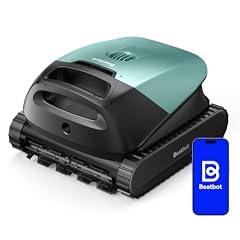
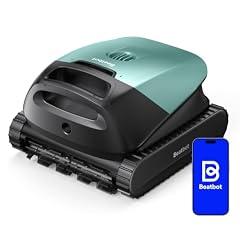
Beatbot Sora 10 Cordless Pool Vacuum Robot
Overview
This is a cordless, battery-powered robotic pool cleaner with a 5-liter debris basket, dual roller brushes, app connectivity, and a supplied charger. It is intended to collect physical debris from pool floors, walls, waterlines, and some shallow submerged areas, rather than replace the pool’s circulation, filtration, or chemical treatment. The manufacturer states 6,800 GPH suction, up to five hours for floor-only cleaning, and up to four hours when cleaning floors, walls, and waterline. The manual identifies a 7,800 mAh battery, 21.6 V working voltage, 64.4 W charger output, IP68 product rating, and use limits including 1.6 to 11.5 feet of water depth. No independent performance test for this specific product was located.
What works
- Cordless operation does not require a pool pump or booster pump, which can reduce cleaning-related pump burden.
- The manual gives concrete operating limits, including water chemistry, depth, charging temperature, and a requirement to keep people and animals out of the pool during cleaning.
- The standard basket is stated to filter to 150 microns, and an optional 3-micron insert is sold for finer dust and algae particles.
- Waterline parking for ten minutes after a cleaning cycle can make manual retrieval less awkward.
What does not
- No UL, ETL, or CSA listing for the complete cleaner and charger was located in the relevant public certification directories.
- The claimed cleaning coverage, suction, runtime, and obstacle avoidance are manufacturer laboratory or marketing claims, not independently tested results for this product.
- The standard 150-micron basket is not positioned for very fine debris. The 3-micron option is an extra purchase, must be paired with the coarse basket, and is recommended for replacement after about 40 cycles or 150 operating hours.
- The battery is not user-serviceable. The manual directs battery replacement to qualified technicians, while the available end-of-life guidance is general local recycling guidance rather than a named U.S. take-back program.
Who is it for
This product fits an owner of a compatible residential in-ground or above-ground pool who wants a self-contained cleaner for routine leaves, insects, hair, and other physical debris without tying up the pool pump. It is most suitable where the pool stays within the stated 1.6 to 11.5 foot depth range, chlorine is no higher than 4 ppm, salt is below 5,000 ppm, and someone can remove, rinse, and refit the basket after use. It also suits users able to charge it indoors in a dry, cool location.
Who is it not for
It is not suited to households that expect a cleaner to sanitize water, control algae chemically, or establish safe-to-swim water quality. Swimmers, children, and pets must stay out of the pool while it operates. It is also a poor fit for pools outside the stated depth and chemistry limits, or for users who need independently verified wall, waterline, shallow-area, or fine-silt performance. Buyers wanting a user-replaceable battery, a confirmed U.S. battery take-back route, or publicly verifiable third-party electrical certification should account for those evidence gaps.
Integrity
The manual contains meaningful wet-use precautions. It calls for the specified charger only, prohibits extension cords, requires dry and clean charging contacts, directs indoor charging in a dry, cool space, and says not to enter the pool while the robot is working. It also gives water limits for chlorine, salt, pH, temperature, and depth. These are useful boundaries, though a public UL, ETL, or CSA listing for the complete product and charger was not located. Its cordless design avoids a required pool-pump or booster-pump load. That is a real system-level energy advantage, although this product has no disclosed independent energy test. The lithium-ion battery is service-only, and the manual calls for local disposal or recycling after removal. An optional fine-filter insert is consumable, with a stated 40-cycle or 150-hour replacement recommendation, adding recurring material use. No product-specific public CPSC recall or warning was identified in the recall search checked.

WYBOT C1 Cordless Pool Vacuum
Overview
The WYBOT C1 Pro is a cordless, rechargeable robotic pool cleaner with tracks, scrubbing brushes, a water pump, and a removable debris basket. It is placed directly into the pool, then run from preset controls or an app. The manufacturer manual identifies it for in-ground pools, lists a 180-micron basket, 65 W rated power, a maximum 150 square meter pool area, and a 120 to 150 minute runtime. Its wireless hardware has an exact-model FCC equipment authorization, which confirms radio compliance for its Wi-Fi and Bluetooth transmitter. That authorization is not a performance test or a complete electrical-safety approval. The product listing's 160-minute runtime does not match the 120 to 150 minute range in the manufacturer manual, and independent debris pickup, coverage, and runtime testing was not located.
What works
- The exact product model has an FCC authorization for its Wi-Fi and Bluetooth hardware.
- The cordless design operates independently of the pool circulation pump, and the manufacturer rates the cleaner at 65 W.
- The manual provides concrete charging and wet-use precautions, including a dry charging port, a GFCI-protected outlet, and no swimming while it runs.
- A top-access removable basket is specified with 180-micron filtration, and the manual gives rinse and storage instructions.
- The manufacturer provides two years of coverage for the battery, motor, and circuit board for original purchasers.
What does not
- The listing claims 160 minutes of runtime, but the manufacturer manual for this product specifies 120 to 150 minutes. This is a documented specification conflict.
- No independent test report was located for pickup of fine silt, full-pool coverage, wall climbing, waterline cleaning, or usable runtime.
- The manual shows a cETLus mark, but no exact-model public Intertek listing or certificate number was located to independently confirm complete cleaner and charger safety certification.
- The manual is for in-ground pools, despite the listing also describing above-ground use. It also warns that tile, mosaic, and acrylic surfaces may not work well.
- The sealed battery is not presented as user-replaceable, consumable components are outside the warranty, and no U.S. battery take-back program or repair parts catalog was located.
Who is it for
This product suits an in-ground pool owner who wants a cordless cleaner for routine leaves, sediment, and ordinary settled debris, and who is comfortable rinsing the basket after every run. It is most appropriate where the pool has PVC, gunite, or another higher-friction surface, has at least 0.5 meter water depth above the cleaner, and does not need the cleaner to operate while people are swimming. It also suits owners who can charge it dry and well away from the pool using a GFCI-protected outlet.
Who is it not for
It is not a good fit for households that need independently demonstrated fine-silt pickup, repeatable whole-pool coverage, or a confirmed 160-minute cycle. Avoid relying on it for sanitation, algae treatment, or safe-swimming water quality, because it only removes debris. It also needs caution in pools with slippery tile, mosaic, or acrylic finishes, and in pools where steps, drains, shallow areas, or unusual obstacles make coverage important. Children and swimmers should stay out while it operates, and it should never be charged near water.
Integrity
The strongest independently checkable credential is the FCC authorization for the exact wireless product, covering its Wi-Fi and Bluetooth transmitter. The manufacturer manual also displays a cETLus mark and gives useful electrical precautions, including keeping the charging port dry, charging at least 3 meters from the pool, using a GFCI-protected outlet, avoiding extension cords, and keeping swimmers out during operation. A public Intertek record for the exact product and charger was not located, so the cETLus mark should not be treated as independently confirmed here. This is a debris cleaner, not a sanitizer or algaecide. It can reduce visible debris but does not replace EPA-registered pool treatment or water testing. Its cordless 65 W design avoids placing a cleaning load on the pool pump. The lithium-ion battery is inside a sealed section that the manual says users should not disassemble. WYBOT provides a two-year warranty for the battery, motor, and circuit board, but no product-specific U.S. take-back path or user battery replacement process was located. Recycle an end-of-life lithium-ion battery through an accepting battery or electronics recycler, not household trash.

Beatbot Sora 30 Pool Vacuum Robot
Overview
This is a cordless, rechargeable robotic pool cleaner for above-ground and in-ground pools. It has a stated 10,000 mAh lithium-ion battery, four motors, four roller brushes, a 5.2 L debris basket, and a supplied 150-micron filter. Beatbot states it cleans floors, walls, waterlines, and platforms at least 3.3 by 3.3 feet in water at least 8 inches deep. It is not a surface skimmer. Independent hands-on testing found strong routine debris pickup, with an average 95 percent coverage result for leaves and dirt in the reviewer’s test pool. The same reviewer measured about 4.5 hours of runtime, below Beatbot’s maximum five-hour floor-only claim. The included filter is for ordinary debris, not fine silt. Beatbot’s own support material says dust, fine sand, and algae microorganisms can pass through it, while a separate 3-micron accessory basket is offered for finer particles.
What works
- Independent hands-on testing found strong leaf and dirt pickup, with average 95 percent coverage in that test setting.
- A 4.5-hour runtime was observed independently, close to the manufacturer’s five-hour maximum floor-mode claim.
- The cordless design does not use the pool circulation pump or a booster pump. Beatbot recommends operating it separately from the circulation system.
- The manual gives concrete operating boundaries, including dry indoor charging, no swimmers during cleaning, water chemistry limits, and hook retrieval guidance.
What does not
- No exact product, charger, or power-supply certification record was located in the public UL, ETL, or CSA resources checked. The manual’s FCC compliance statement is not a public equipment authorization record.
- The included 150-micron basket does not reliably retain fine sand, dust, or algae microorganisms, according to Beatbot’s own support guidance.
- The 3-micron filter is an extra accessory rather than the included filter, and Beatbot recommends replacement after about 40 cleaning cycles or 150 operating hours.
- The lithium-ion battery is not user-replaceable. The manual limits replacement to qualified technicians, and no Beatbot U.S. battery take-back program was found.
- Independent testing found a sharp corner near steps where debris was repeatedly left behind. The packaging also limits the product to routine cleaning rather than first seasonal cleanup.
Who is it for
This product fits an owner of a routinely maintained above-ground or in-ground pool who wants cordless cleaning for ordinary leaves, dirt, hair, insects, and similar debris. It is most suited to pools within the stated depth range of 0.7 to 11.5 feet, including pools with sufficiently large shallow ledges. It also suits someone able to lift, rinse, dry, and recharge a roughly 19.6-pound robot after use, and who accepts that app connectivity drops while the robot is underwater.
Who is it not for
It is not suited to households that expect a cleaner to make water safe to swim, sanitize the pool, or control an algae problem. Those jobs require water testing and appropriate pool chemistry. It is also a poor fit for first seasonal cleanups, very heavy debris loads, or pools where fine silt and pollen are the main issue unless the separate fine filter is installed. Keep swimmers and pets out of the pool while it operates. Users needing independently listed electrical certification or a user-replaceable battery should seek a product with those records and service options.
Integrity
The safety documentation is more useful than a typical short listing. It specifies a 21.6 V robot, a 64.4 W charger output, IP68 water protection for the robot, indoor dry charging, clean and dry charging contacts, and a 32 to 104 F charging range. It also says to use only the specified charger, avoid swimming during operation, and keep the robot away from power sources while it drains. Those are meaningful precautions for a battery-powered wet-use appliance. The main unresolved safety issue is verification. Beatbot advertises global certifications and the manual includes an FCC compliance statement, but public UL, ETL, and CSA listings for the complete product and charger were not located. The battery requires technician replacement, and no manufacturer take-back path was found. At end of life, the complete product should go to an appropriate electronics or household hazardous-waste recycler, not household trash or curbside recycling. Beatbot provides a two-year U.S. warranty for the body and power supply, but lists filter baskets and roller brushes as short-warranty consumables.

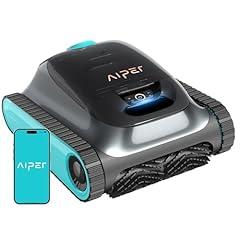
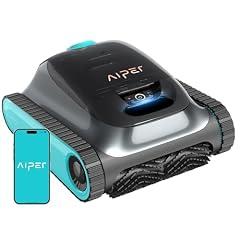
Aiper Scuba S1 Pool Cleaner
Overview
This is a cordless, rechargeable robotic pool cleaner that is lowered into the water, run in a selected cleaning mode, then retrieved and emptied. Aiper describes the Scuba S1 family as suitable for above-ground and in-ground pools up to 1,600 square feet, with a 3.5-liter debris bin, scheduled cycles, floor and wall modes, and a claimed 4,200 GPH water-flow figure. Those are manufacturer-stated specifications, not independently validated performance results. The product record also presents fine filtration, waterline and shallow-area cleaning. Independent hands-on testing of the closely matched Scuba S1 family found meaningful coverage gaps, including missed sections and roughly 40 percent of test debris left behind in repeated runs. Its wireless-radio documentation is publicly filed with the FCC, but no public UL, ETL, or CSA listing was located for the complete cleaner and charging system.
What works
- Cordless operation avoids a hose connection or a required pool-pump connection during cleaning, based on the product design and manufacturer documentation.
- Aiper publishes clear operating modes, scheduled-cycle options, a stated 1,600-square-foot coverage limit, and a 3.5-liter debris-bin capacity.
- The related cleaner documentation and 2.4 GHz wireless testing are publicly traceable through an FCC equipment filing.
- The manual family gives useful safety limits, including keeping people and animals out of the pool while it runs and drying the charge port before charging.
What does not
- Independent testing of the matching Scuba S1 family found large coverage misses and substantial debris left behind. This is a demonstrated performance concern, not merely missing evidence.
- The advertised fine-filtration result is not independently substantiated for this exact product configuration. Aiper's own support material also describes the 3-micron filter as an optional part that may need to be ordered through support.
- No public UL, ETL, or CSA certification record was located for the complete cleaner, charger, and power supply. The FCC record only addresses radio compliance, not wet-use electrical safety.
- Replacement filters are handled through a support request rather than a direct parts listing, and no published U.S. battery take-back or battery-replacement procedure was located.
Who is it for
This suits an owner of a straightforward above-ground or in-ground pool who wants a cordless debris collector for routine floor and wall maintenance, can keep swimmers and pets out during operation, and is willing to rinse the basket after use. The fit is strongest where the pool is within Aiper's stated 1,600-square-foot limit, has modest debris, and has a reachable wall for retrieval with the supplied hook. It is also better suited to someone who accepts manufacturer-stated scheduling and filtration claims as convenience features rather than proven cleaning outcomes.
Who is it not for
It is not well suited to a pool that regularly accumulates heavy leaves, fine sand, silt, or algae debris, or to a complex pool with difficult corners, steep transitions, shelves, steps, or irregular geometry. Independent testing found missed areas, so people needing dependable full-pool coverage in one cycle should not treat the stated coverage figure as verified. It is also unsuitable for households that may leave swimmers, children, or animals in the water during operation, or for users unable to follow dry-port charging and safe retrieval procedures.
Integrity
This product removes physical debris. It should not be treated as a sanitizing device, algae treatment, or a substitute for maintaining disinfectant levels, circulation, and safe pool-water chemistry. Its cordless design can avoid a pool-pump or booster-pump connection during a cleaning cycle, although Aiper does not provide an independently verified energy-per-cleaning result. Electrical documentation warrants caution. The matched cleaner family has publicly checkable FCC radio records, but no public UL, ETL, or CSA listing was found for the complete wet-use product and charger. Aiper's Seagull Pro model was recalled by the CPSC on March 20, 2025 because its adapter could overheat. That recall identified a different model, not this product, and the CPSC remedy was a replacement Scuba S1. Battery removal, direct replacement-part purchasing, and a U.S. battery recycling path remain insufficiently documented.

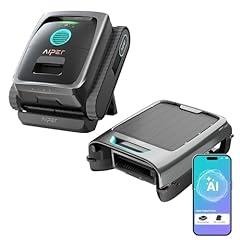
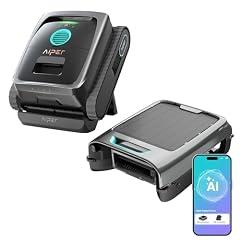
AIPER Experts Duo: Scuba V3 & Surfer S2
Overview
This product bundles two battery-powered pool devices. The Scuba V3 is a cordless submerged robot for pool floors, walls, and the waterline. The EcoSurfer S2 is a floating surface skimmer for leaves, pollen, insects, and other floating debris. They are app-connected, but they perform different jobs rather than replacing pool chemistry or circulation equipment. Aiper states that the Scuba V3 has up to 180 minutes of runtime, covers pools up to 1,600 square feet, and can use a replaceable 3-micron MicroMesh filter. Aiper also states that the EcoSurfer S2 has a 4-liter basket, 150-micron filtration, and solar-assisted operation. These are manufacturer specifications, not independently published performance-test results. The S2 includes a chlorine-tablet compartment, but the product itself does not establish or verify safe sanitizer concentration.
What works
- Two separate devices address floating debris and submerged floor, wall, and waterline debris, according to Aiper's product documentation.
- The Scuba V3 manual describes replaceable tracks, roller brushes, and an optional replaceable fine MicroMesh filter.
- Aiper states that the Scuba V3 can run for about three hours per full charge and returns to the waterline when its battery is depleted.
- The EcoSurfer S2 has a stated 4-liter enclosed debris basket, which can reduce emptying frequency for surface debris.
- Aiper provides a U.S. warranty request route that uses proof of purchase and the product serial number for traceability.
What does not
- No independently published test report was located for debris pickup, filtration efficiency, coverage, runtime, or the advertised AI cleaning-speed claims for this bundle.
- The EcoSurfer S2 page says 35 hours of battery life, while Aiper's troubleshooting guidance describes roughly three to four hours of active skimming. The operating conditions behind the 35-hour figure are not clearly stated.
- The Scuba V3 battery is sealed and not intended for owner replacement. Aiper says replacement is handled through its service process.
- Aiper says replacement charging cables and filter baskets for the EcoSurfer S2 are not sold through its online storefront, which can delay maintenance.
- The S2 marketing says its tablet holder maintains healthy, optimal chlorine levels, but pool chlorine tablets require label-specific dosing and regular water testing.
Who is it for
This product suits an owner of a residential in-ground pool who wants separate automated tools for routine surface skimming and periodic submerged cleaning. It is most relevant where leaves, pollen, insects, and sunscreen film accumulate at the surface while floor and wall debris also need attention. The buyer should be comfortable emptying and rinsing baskets after use, using the app, charging two battery devices, and independently testing and balancing pool water. It also fits households that can keep children and pets away from the pool area while either robot is operating or charging.
Who is it not for
It is not suited to anyone expecting a cleaner or chlorine-tablet holder to sanitize water, control algae, or confirm that the pool is safe for swimming. Those outcomes require EPA-registered chemicals used exactly by their labels and regular water testing. It is also a poor fit for owners who need fully owner-replaceable batteries or readily purchasable spare cables and baskets. Avoid relying on the surface skimmer in pools with strong surface jets, large floating toys, or abnormal circulation, because Aiper says normal pump flow assists its movement.
Integrity
The key health boundary is water chemistry. The surface skimmer can hold 3-inch chlorine tablets, but Aiper's claim that it can maintain healthy chlorine levels is not enough to establish safe water. EPA-labeled pool sanitizers require specific directions, including testing free chlorine and adjusting dosage. Debris removal also does not disinfect the pool or control algae. Aiper lists UL, FCC, IPX8, and other testing standards for the Surfer S2 on its safety page, but no public certificate number was located for this exact bundle, and the Scuba V3 is not clearly matched there. Aiper had a 2023 CPSC recall for the different Elite Pro GS100 model after overheating reports, not for these models. The Scuba V3's sealed battery and limited online availability of some EcoSurfer S2 replacement parts add avoidable e-waste risk if service support is unavailable after warranty.
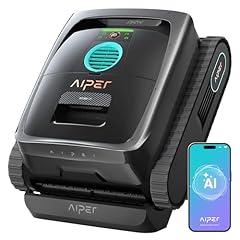
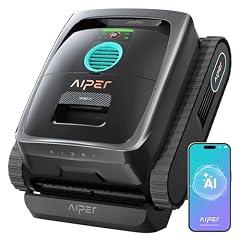
AIPER AI Vision Cordless Pool Cleaner
Overview
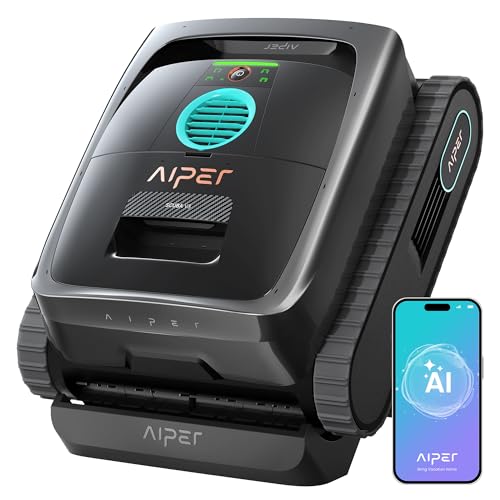
This is a cordless, battery-powered robotic pool cleaner with a wireless charging dock, app features, dual brushes, and a removable debris filter system. The product documentation corresponds to Aiper’s Scuba V3 cleaner. It is intended for in-ground pools and is designed to clean the floor, walls, and waterline without connecting to the pool plumbing. Aiper states that it provides 4,800 GPH suction, AI vision with dToF route planning, waterline retrieval alerts, and a MicroMesh filter for particles as small as 3 microns. The manual confirms that it includes a standard filter box plus a replaceable ultra-fine filter. No independent performance test located for this exact product verified its debris pickup, full-pool coverage, runtime, or AI speed claims.
What works
- The manual instructs use with the pool circulation pump off, so cleaning does not add operating load to the pool pump.
- A replaceable MicroMesh ultra-fine filter is documented for fine particles, including silt, with a stated 3-micron threshold.
- The manual gives clear basic safety limits, including no swimmers or animals in the pool and no hands in the cleaner while operating.
- Aiper provides a U.S. support path, warranty intake, repair service, and replacement-accessory ordering information.
What does not
- No public UL, ETL, or CSA listing for the complete product, wireless dock, and charger was located in the checked sources.
- No independent test report was located for this exact product’s pickup, retention, coverage, runtime, or claimed AI cleaning advantage.
- The advertised claim of cleaning up to 10 times faster does not state a comparison product, pool conditions, debris load, or test method.
- The battery is built in, and no consumer battery replacement procedure, listed spare battery, or U.S. take-back program specific to this product was located.
Who is it for
This product suits an in-ground-pool owner who wants a self-contained cleaner that does not use the circulation pump or a hose connection. It is most relevant for routine debris removal where a standard basket can handle leaves and larger debris, while the supplied fine filter can be fitted for silt or cloudy-water particles. The buyer should be comfortable following the manual’s charging, supervision, swimmer exclusion, and filter-cleaning instructions, and should treat the AI and coverage claims as manufacturer-stated rather than independently proven.
Who is it not for
It is not suited to households that need independently certified electrical safety evidence for every charging component, or that cannot maintain a dry, controlled charging area for a lithium-battery product. It should not operate while people or animals are in the pool, or while the pool pump is on, because the manual specifically warns against those conditions. Buyers needing verified cleaning performance for a very large, complex, shallow, or obstacle-heavy pool should not rely on the stated coverage and speed claims alone.
Integrity
The manual establishes meaningful use boundaries. It says not to run the cleaner with people or animals in the pool, not to put hands into it during operation, and to run it with the pool water pump off to reduce drain-sticking risk. Its fine filter may physically trap silt and some algae, but that is debris removal, not sanitizing, algae treatment, or proof that water is safe to swim in. Aiper offers U.S. warranty intake, repair support, and replacement accessories, which can support continued use. However, the product’s built-in lithium battery has no located user replacement instructions or product-specific U.S. recycling route. A March 20, 2025 CPSC recall involved a different Aiper Seagull Pro model, not this product, after its charging adapter could overheat. That recall makes careful use of the supplied charging equipment especially important, but it does not establish a recall for this product.
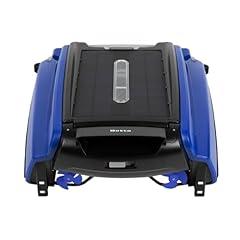
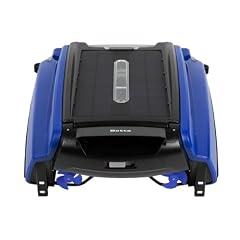
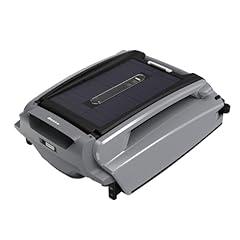
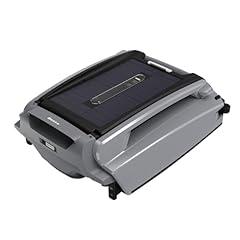
Betta SE Solar Pool Skimmer Cleaner
Overview
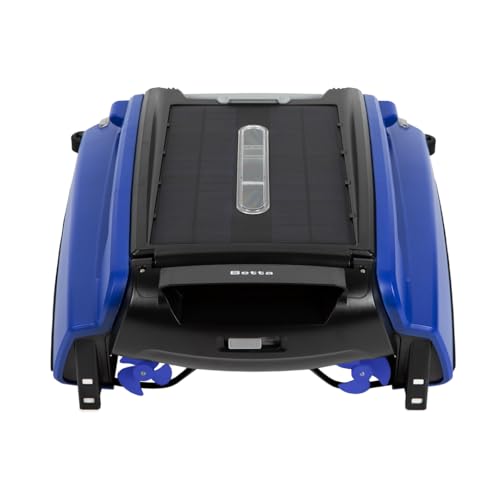
Betta SE is a floating robotic pool-surface skimmer, not a floor or wall cleaner. It uses a top solar panel to charge an internal lithium-ion battery, then moves across the water surface with twin motors and collects floating debris in a removable basket. It has no plug-in charging port, according to the manufacturer, and includes a wireless remote. The manufacturer specifies a 200-micron basket mesh, 30-plus hours of claimed runtime per charge, 5 to 6 hours of direct-sun recharge, and use in fresh water or saltwater pools up to 5,000 ppm salt. An independent owner report covering roughly one year found it useful for routine floating flowers, insects, pollen, dust, and wind debris in one pebble-finish pool. That is useful real-world evidence, but it is not a controlled test of coverage, runtime, or fine-particle capture. This product removes debris, it does not sanitize water or establish safe swimming-water chemistry.
What works
- It is solar-powered and does not require a pool pump, booster pump, or mains charging cable during normal operation, according to the manufacturer.
- The manufacturer provides a specific 200-micron basket-mesh specification and a top-access basket intended to be emptied while the unit remains in the pool.
- A disclosed independent owner report found sustained usefulness for common floating debris over roughly one year of use.
- The manual gives clear core rules, including no swimming during operation, keeping children away, and removing the product when the pool is in use.
- Replacement baskets, propeller and rotor sets, guide wheels, bumper bars, remotes, and an out-of-warranty repair route are listed by the manufacturer.
What does not
- No exact-model UL, ETL, or CSA electrical-safety listing or certificate number was located in the checked public certification sources. The lack of an external charger reduces one exposure route, but it is not third-party proof of complete battery safety.
- The internal lithium-ion battery is not user-replaceable. Betta says the product must be sent in for battery repair or replacement, creating a service dependency at end of battery life.
- The manufacturer claims up to 30-plus hours of runtime and coverage up to 40 by 60 feet, but no controlled independent test report was located for this model under disclosed pool, weather, debris, and basket conditions.
- An independent owner report documented potential sticking at a pool skimmer throat and interference from another robotic cleaner's cable. Betta also sells anti-stuck foam accessories, which indicates some pool layouts need mitigation.
- It is a surface skimmer only. It does not vacuum settled debris, scrub walls, clean waterlines, or replace water testing and chemical treatment.
Who is it for
This product fits owners of above-ground or in-ground swimming pools who mainly need help intercepting leaves, insects, pollen, dust, and similar floating debris before it sinks. It is most suited to sunny pools where a solar-only device can recharge reliably and where the owner can empty the basket regularly. It also fits households that want to avoid adding load to the circulation pump. The pool should have enough open surface area, at least the stated 5-inch operating depth, and no recurring obstruction from skimmer throats, ledges, or cleaning-device hoses.
Who is it not for
It is not suitable for anyone expecting a full robotic pool cleaner. It does not clean the floor, walls, waterline, or settled silt. It should not operate while anyone is swimming, and it is not a toy for children. Avoid it for spas, koi ponds, lakes, and other non-pool water features, which the manufacturer does not recommend. Pools with persistent shade, weak winter sun, large debris such as palm fronds, complex shallow features, skimmer openings that trap floating equipment, or another cleaner's hose or cable may need a different setup or more active supervision.
Integrity
The main safety advantage is its fully cordless, solar-only operating design. Betta says there are no AC, DC, or USB charging ports, so it does not place a powered charging connection at the pool edge during ordinary use. However, no public exact-model UL, ETL, or CSA certification record was located during this review. The manual also gives important use limits, including keeping swimmers out of the pool while it runs, removing it when the pool is in use, and not using it alongside other pool-cleaning devices. Its solar operation avoids pool-pump energy demand, but the company has not supplied an independently measured energy-per-cleaning result. The built-in lithium-ion battery is not owner-replaceable, which can increase repair dependence and electronic-waste risk. Betta does offer paid out-of-warranty repairs and sells several service parts, including baskets, motor and propeller sets, guide wheels, bumper bars, and remotes. No CPSC recall or product-safety warning specific to this product was identified in the U.S. recall check completed for this review.

Betta SE Plus Solar Pool Skimmer
Overview
This product is a cordless, solar-powered robotic surface skimmer for above-ground and in-ground pools. It travels on the water surface, drawing floating leaves, insects, pollen, dust and similar debris into a removable basket. It is not a floor, wall, or waterline cleaner, and it does not replace circulation, filtration, sanitizer, or water testing. Betta states that the unit has a 200-micron fine-mesh basket, twin salt-chlorine-tolerant motors, remote control, solar charging, and an included adapter for off-pool charging. Its owner manual confirms the basic operating arrangement, including a built-in battery, solar panel, removable collection basket, charging port, and anti-stranding bars. The manufacturer claims more than 30 hours from a charge and coverage up to 40 by 60 feet, but no controlled third-party test report was located for those performance figures.
What works
- The manual clearly frames it as a surface-debris collector rather than a sanitizing device.
- Solar operation avoids a hose, booster pump, and a dedicated pool-pump cleaning load.
- An included adapter provides a charging fallback when solar input is inadequate, according to the manufacturer.
- The owner manual gives concrete use and maintenance instructions, including basket cleaning every two to three days.
- Betta sells direct replacements for the basket, charging adapter, guide wheels, motor rotor and propeller set, remote, and anti-stranding accessories.
What does not
- No public UL, ETL, or CSA certification match was located for the complete product, its charger, or its power supply.
- The manufacturer calls the operation continuous, yet its manual says solar charging and runtime can be significantly lower in fall and winter.
- No rigorous independent pickup, retention, coverage, or runtime report with disclosed pool conditions was located.
- The manual says the unit can still become stuck on stairs, structures, debris, hair, or string despite its anti-stranding design.
- The battery is built in, and published repair materials do not provide a consumer battery-removal procedure or a product-specific battery recycling program.
Who is it for
This product suits a pool owner whose main recurring problem is floating leaves, pollen, insects, or pet hair, rather than settled dirt on the floor. It fits an above-ground or in-ground pool with usable open surface area, regular sunlight, and an owner willing to empty the basket every few days. The adapter is particularly relevant where cloudy periods interrupt solar charging. It also suits users who want surface skimming without adding hoses or increasing circulation-pump demand.
Who is it not for
It does not suit households expecting one machine to vacuum the floor, brush walls, remove waterline buildup, or make water safe to swim. It should not operate while anyone is swimming, around children as a toy, or alongside other pool-cleaning devices. Pools with complex stairs, stools, tight obstacles, exposed skimmer ports, heavy string-like debris, or severe leaf drops need close monitoring because the manual acknowledges stranding and impeller or propeller blockage. Users needing publicly documented electrical certification or replaceable-battery service information will find those records incomplete.
Integrity
The product makes a comparatively clear functional boundary. Its manual describes collecting floating debris, while its published materials do not present it as a sanitizer, algae treatment, or substitute for balanced, disinfected pool water. Its owner instructions also say to remove it when the pool is in use, keep it away from children, avoid using it with another pool cleaner, and turn it off for adapter charging. Solar charging and cordless operation can reduce dependence on a pool pump or booster pump. That benefit is limited by weather and season, since the manual warns of reduced solar charging in fall and winter. The built-in lithium-ion battery creates an end-of-life responsibility, but Betta does not publish a removal procedure or take-back route for this model. U.S. rechargeable lithium-ion collection options exist through Call2Recycle, subject to local acceptance and battery condition. A CPSC recall search did not return a product-specific recall during this review, but no public third-party electrical certification record was matched for the product or charger.
iGarden KN Series Robotic Pool Cleaner
Overview
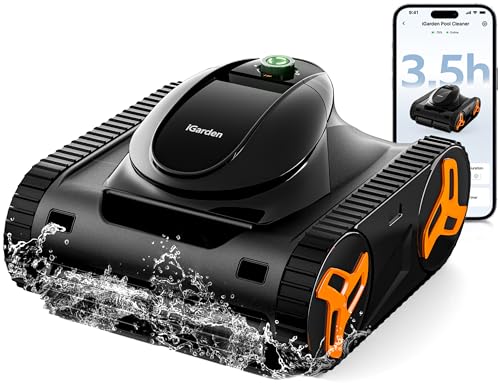
This is a cordless, battery-powered robotic cleaner for pool floors, walls, and waterline. The KN35 version listed at this price uses a 127 Wh battery, weighs 17.9 pounds, has a 3.2 L basket, and is intended to be lifted out, rinsed, and recharged between cycles. It does not connect to the pool circulation system or need a booster pump. iGarden states that the KN35 runs up to 210 minutes in floor-only mode, uses three motors at 20 to 100 W, provides 17,000 LPH maximum suction, and filters through a 180-micron basket. Those are manufacturer specifications, not independently verified results. The company also states limits for water depth, temperature, pH, salt, and chlorine. Its advertised 3,617 square foot pool figure conflicts with the stated recommended 6 by 10 m pool dimensions, so coverage should be treated cautiously.
What works
- Cordless operation avoids hoses, booster-pump plumbing, and the associated pool-pump load.
- The manufacturer publishes concrete operating limits, including 3.3 to 8.2 ft water depth, pH 7.0 to 7.8, salt at or below 5,000 ppm, and chlorine at or below 4 ppm.
- A stated 3.2 L, tool-free rinse basket and 180-micron filter provide a defined debris-collection setup.
- The KN Series has a stated two-year warranty for the battery pack, charger, electronics, motor, and main body.
What does not
- No public UL, ETL, CSA, or exact-model FCC authorization was located during this review, so the charger, battery system, and wireless claims are not independently checkable.
- No independent test report was located for this product's pickup, fine-debris retention, wall climbing, navigation, or real-world area coverage.
- The advertised 3,617 square foot maximum area conflicts with the manufacturer's stated 6 by 10 m recommended pool dimensions.
- The 180-micron stated filtration rating does not establish reliable capture of very fine silt or algae dust.
- iGarden identifies tracks, brushes, basket, and retrieval hook as six-month consumables, but a public parts catalog and battery-replacement instructions were not located.
Who is it for
This product fits an owner of a moderately sized compatible pool who wants an untethered cleaner for routine visible debris and accepts manual charging, basket rinsing, and retrieval after a cycle. It is most suited to pools within iGarden's stated chemistry and depth limits, with floors, walls, and waterline that the robot can physically reach. The published 20 to 100 W operating range also makes sense for owners seeking a standalone robot that does not require a dedicated booster pump or pool-circulation connection.
Who is it not for
It is not appropriate for buyers who need independently certified electrical safety documentation, independently tested cleaning results, or a confirmed U.S. replacement-battery program. Avoid relying on it for sanitation, algae treatment, or safe-swim water quality, since it only removes debris and does not replace chemical balance, disinfection, or pool filtration. It also needs caution in pools with curved or difficult walls, unusually steep transitions, heavy algae, or heavy fine sediment, because iGarden notes these conditions can limit wall performance or block the filter.
Integrity
iGarden presents this as a debris cleaner, not as a sanitizer, algaecide, or water-treatment device. Its own product page recommends running the pool circulation and filtration system to improve water conditions, which appropriately separates robotic debris removal from water-quality management. The stated chemistry limits are useful misuse boundaries, particularly the pH 7.0 to 7.8, chlorine at or below 4 ppm, and salt at or below 5,000 ppm limits. The product contains a 127 Wh lithium-ion battery and must be charged outside the pool. Support guidance says the charging-port cover should be fully sealed before use. A two-year stated warranty covers the battery pack and charger, while key wear parts have six months of coverage. No public exact-model safety listing, recall, public battery-removal procedure, or manufacturer take-back program was located. A removable battery should be taken only to a lithium-ion recycler that accepts its size and condition.