
10 Best Robot Vacuum and Mop
 Lauren Wilson
Please note that we participate in affiliate marketing programs. When you purchase through links on our site, we may earn a commission. As an Amazon Associate we earn from qualifying purchases. This comes at no additional cost to you and helps support the resources required to provide valuable content.Advertising Disclosure
Top-rated Robot Vacuum and Mop Comparison
1

2
4
5
6
7
8
9
Robot vacuum and mop: what to look for
Robot vacuums and mops combine automated floor coverage, debris pickup, mapping, and depending on the dock water refilling, mop washing, drying, and dust collection. The useful question is not how large the suction number looks. It is whether the exact product cleans different floor types consistently, avoids household hazards, controls dust and dirty water, and can be maintained safely over time.
Independent cleaning results are the strongest performance signal in this set. Look for model-specific testing that explains its methods and reports results for hard floors, carpet, embedded debris, pet hair, edges, mopping, hair tangling, coverage, and obstacles. IEC/ASTM 62885-7 methods are relevant to household cleaning robots; IEC 62849 can apply to navigation, mobility, and energy evaluation. A manufacturer’s test is more useful when it names the exact model, conditions, method, and results. A number such as 8,000, 15,000, or 30,000 Pa describes a stated suction specification, not necessarily pickup in a real home. The supplied reviews repeatedly show why: strong headline suction can coexist with weak fine-debris pickup, poor carpet-edge cleaning, missed pet hair, or inconsistent self-emptying.
For electrical and battery safety, look for an exact-product listing in UL Product iQ, Intertek’s ETL directory, or the CSA Group database. The model, dock, power supply, and battery system should be traceable not just the brand or a related family. FCC authorization confirms radio compliance, not protection from shock, overheating, charging failure, or fire. Also check the CPSC Recalls database and SaferProducts.gov, along with the product label and manual.
For indoor air, a washable, bagged, or “HEPA” filter is not by itself a measured allergen-control result. Prefer a named filter specification, replacement documentation, and standardized or independent dust-emission and particle-capture evidence. Be cautious with “antibacterial,” “sanitizing,” or “germ-killing” wording: those claims need an applicable EPA registration and label support. Hot-water mop washing and drying can help with maintenance, but they do not prove that floors or mop pads are disinfected.
A wet system should have clear instructions for clean and dirty water, mop washing, drying, tray cleaning, detergent use, and recontamination control. Even advanced docks still require dirty-water handling, tank and tray cleaning, and replacement parts. Consider the app separately: cameras, microphones, maps, cleaning history, and remote functions can add household-data exposure. Look for clear permissions, retention, deletion, update, and cloud-dependence information.
Finally, check the recurring footprint and service path. Disposable bags, filters, brushes, mop pads, detergent, water, and heated drying all affect ownership impact. A removable or serviceable battery, documented wear parts, repair support, warranty coverage, firmware policy, and recycling instructions can reduce premature replacement.
Recurring safety caveats
The supplied reviews identify several repeated limits. Most products require cords, toys, socks, sharp objects, liquids, fragile items, loose rugs, and other clutter to be removed before operation; obstacle avoidance is not dependable enough to replace floor preparation. Pet waste and small flat objects are particular hazards, and several products performed poorly in obstacle tests. Physical barriers may still be needed at stairs, balconies, lofts, or raised edges. Wet systems also require regular dirty-water, tray, pad, and tank care; products without washing and drying docks require prompt manual washing and air-drying. No exact-product UL, ETL, or CSA listing was verified for most supplied products, so buyers should not infer electrical or fire safety from FCC authorization or marketing badges. No product should be treated as a proven allergy-control, disinfecting, or antimicrobial appliance without matching evidence.
Integrity
Robot vacuums and mops affect health and environmental burden through dust handling, charging and battery safety, wet-system upkeep, navigation risks, connected-device data, energy and water use, and the parts that must be replaced. The scores below reflect how well the supplied evidence addressed those issues; they do not turn an unverified claim into a proven benefit.
HHealth & Safety
Indoor-air and health-impact control
This measures whether the product captures dust rather than redistributing it, specifies its filtration properly, and avoids unsupported allergen or antimicrobial claims. High-scoring products pair bagged or otherwise contained dust handling with clearer filter documentation and restrained claims. Lower-scoring products may list HEPA or “high-efficiency” filtration without a class, capture result, or dust-emission test, so allergy-control performance remains unknown.
Verified electrical and battery safety
This matters because the robot, dock, charger, and lithium-ion battery repeatedly charge and operate around water. High scores reflect traceable third-party safety evidence and clear charging, battery, cord, and overheating controls. Low scores in this set usually reflect the absence of an exact-product UL, ETL, or CSA listing. FCC authorization alone covers radio compliance, not electrical shock or fire protection.
Dirty-water and mop hygiene
This measures how well the wet system limits odor, residue, and microbial growth through dirty-water separation, mop washing, drying, tray cleaning, and clear solution instructions. High-scoring products combine documented washing or drying with independent observations and practical maintenance guidance. Lower-scoring products use a passive pad or require frequent manual washing and air-drying, leaving more hygiene responsibility with the owner.
Safe navigation around a real home
This concerns avoidance of stairs, cords, rugs, liquids, pet waste, furniture, and small objects. High scores are supported by repeatable obstacle testing and useful no-go controls, not by sensor names alone. Lower-scoring products missed cords, socks, pet waste, or flat objects, creating entanglement, collision, water, and property risks. Even stronger performers still require ordinary floor preparation.
Electrical and wet-use precautions
Across the supplied products, safe use depends on following the manual: use the supplied dock and charging equipment, keep damaged cords and combustible debris away, avoid standing water, and maintain sensors and tanks. These instructions reduce foreseeable risks but are not a substitute for third-party certification. Buyers should also account for the recurring need to empty dirty water and clean wet components.
EEvidence
Independently tested cleaning performance
This is the clearest separation between a substantiated cleaner and a specification-led listing. High-scoring products in this set have exact-model retail or laboratory testing for pickup, carpet debris, pet hair, mopping, edges, hair tangling, or coverage. Lower-scoring products rely mainly on headline suction, runtime, or manufacturer claims, with no disclosed independent test for the exact model.
Claims that match real-world results
This measures whether suction, runtime, self-emptying, obstacle avoidance, mop washing, drying, carpet protection, and other advertised claims are qualified and supported. High scores belong to products whose independent results broadly fit their claims and whose limitations are clear. Lower scores reflect conflicts such as strong suction headlines alongside weak pickup, inconsistent avoidance, contradictory specifications, or absolute claims unsupported by testing.
Privacy and app security
Connected robots may create maps, store cleaning history, use cameras or microphones, and send device data to cloud services. High scores require clearer permissions, retention, deletion, update, and security information, with fewer unnecessary connected functions. Lower scores reflect broad or developer-disclosed data collection, camera dependence, overseas processing, unclear retention, or a disclosed app vulnerability without model-specific security evidence.
Evidence beyond the brand's own marketing
This measures traceable third-party support across safety, performance, durability, privacy, and claims. High-scoring products have independent retail testing, certification-directory records, model-specific reports, or clearly identified regulatory and support documentation. Lower-scoring products may have customer reviews, badges, or marketplace statements but little exact-model evidence using disclosed methods. The identity of the tested configuration matters.
Traceable seller, support, and regulatory record
This asks whether a buyer can identify the manufacturer, importer or seller, exact model, US support route, manuals, warranty, replacement parts, and recall history. High scores make investigation and remedies easier. Lower scores leave uncertainty about who supports the product or whether a certification, wireless filing, warranty, or recall record actually applies to the product being purchased.
EEcology
Energy, water, and disposable-consumable footprint
This measures electricity for charging, dust collection, hot-water washing, and heated drying, alongside water, detergent, bags, filters, brushes, and pads. Higher scores reflect washable or reusable parts and fewer stated consumables, although exact energy and water measurements were often missing. Lower scores tend to combine disposable bags and pads with heated docks or detergent dependence, increasing operating and material demands.
Repairability and expected service life
This measures whether batteries, brushes, wheels, sensors, tanks, docks, filters, mop parts, and software can be supported for years. High scores are associated with documented replacement parts, repair support, longer coverage, accessible maintenance, or battery guidance. Low scores reflect skilled-service-only batteries, short or unclear support periods, missing parts information, or no clear recycling or take-back route.
Full reviews

Roborock Saros 10R Robot Vacuum and Mop
Overview
This is a Wi-Fi connected robot vacuum and mop with two rotating mop pads, a self-emptying dock, clean and dirty water tanks, a cleaning-solution cartridge, and a disposable dust bag. The robot is 3.14 inches tall according to Roborock. Its manual identifies a 14.4 V, 6,400 mAh lithium-ion battery and a grounded 120 V dock that can wash mop pads with hot water and dry them with heated air. The strongest evidence is independent performance testing. Vacuum Wars reports buying and testing this model, recording 80% pickup in its embedded-carpet-debris test, 92% pickup of flattened pet hair on carpet, and a 24 out of 24 obstacle-avoidance result with its selected obstacle set and highest sensitivity setting. The manufacturer states that the dock can wash pads at up to 176°F and that the robot can detach mop modules for carpet cleaning.
What works
- Independent purchased-unit testing found strong embedded-debris pickup, flattened pet-hair pickup, and long-hair resistance.
- Independent testing recorded a 24 out of 24 obstacle-avoidance result using the tester's disclosed obstacle set and maximum sensitivity setting.
- The manual specifies a sealed disposable dust bag for auto-emptying, plus a washable robot filter that can be cleaned and fully dried before reuse.
- The dock uses separate clean and dirty water tanks, hot-water pad washing, heated-air drying, and a removable cleaning-tray module.
What does not
- No model-specific UL, ETL, or CSA electrical safety listing was located in the relevant public certification directories. The manual provides grounding and battery warnings, but those are not independent certification.
- The filter is described as washable, not HEPA or another particle-filtration class. There is no exact-model allergen-capture result or health-performance test in the reviewed documentation.
- Hot-water washing and drying reduce some hygiene burden, but the dirty-water tank and cleaning tray still require manual emptying and rinsing. No independent odor, residue, or recontamination test was located.
- The dock relies on disposable dust bags, and the manual calls for mop-cloth replacement every one to three months, side-brush replacement every three to six months, and filter and main-brush replacement every six to twelve months.
Who is it for
It suits a household with mixed hard floors and lower-pile rugs that wants automated routine vacuuming and mopping, has room for a large dock near a grounded outlet, and will maintain water tanks, the tray, filters, and bags. It is particularly relevant where cords, toys, pet items, or low furniture complicate cleaning, because purchased-unit testing found unusually strong avoidance performance and the low-profile body can access spaces beneath furniture. The recurring-supply and electricity demands should be acceptable within the household budget.
Who is it not for
It is not suited to households that need independently certified electrical safety documentation before using a high-power heated dock, or to people seeking a verified HEPA-grade allergen-control system. It should not be left to manage standing water, sharp debris, loose cords, fragile objects, open stair edges, or elevated unguarded surfaces. The manual specifically requires preparation of those hazards and warns that dirty sensors can affect operation. It also is a poor fit for people unwilling to empty and clean a dirty-water tank or replace bags, pads, brushes, and filters.
Integrity
The product has practical dust and wet-cleaning controls, but its health claims should be kept narrow. The auto-empty dock uses a disposable bag whose handle seals on removal, and the robot has a washable filter. However, Roborock does not specify a HEPA or equivalent particle-filtration class in the model documentation reviewed, and no independent allergen-capture test was located. The manual instructs users not to add disinfectant and to use only Roborock-recommended cleaning solution, so it should not be treated as a sanitizing or antimicrobial device. The wet system has separate water tanks, hot-water mop washing, and configurable heated drying. Hygiene still depends on promptly emptying and rinsing the dirty-water tank and tray. The dock's hot-water wash input is rated at up to 12 A, and it uses disposable bags and regularly replaced pads, brushes, and filters. The manual provides battery-removal steps and directs users to professional battery recycling. No product-specific CPSC recall was located in the reviewed U.S. recall search.

Roborock QV35A Robot Vacuum and Mop
Overview
This product is a round robot vacuum and mop with a separate empty, wash, and fill dock. It uses a single main roller, side brush, LiDAR mapping, a washable onboard filter, two rotating mop cloths, and a lithium-ion battery. The dock handles dust collection and mop washing, while the robot carries a 330 mL dustbin. Independent product testing lists a 4 L dock water tank and measured 1,536 square feet per charge. Roborock states 8,000 Pa maximum suction, 200 rpm inward-spinning mops, automatic mop washing, and cold-air drying. Independent Vacuum Wars testing recorded strong carpet deep-clean pickup, but low obstacle-avoidance results. A separate Popular Mechanics hands-on review found mapping and routine maintenance cleaning useful, while reporting inconsistent obstacle avoidance and that deeper cleaning still needed conventional tools.
What works
- Independent Vacuum Wars testing recorded a strong 90-point carpet deep-clean result.
- Hands-on testing found the product accurately mapped rooms, furniture, and several floor types after setup.
- The dock can automatically empty dust, wash mops, refill water, and cold-air dry the mop area, according to the manufacturer.
- The maintenance manual specifies washable filters and removable mop cloths, which can reduce some routine replacement waste.
- Official US support, a one-year limited warranty, and several compatible wear parts are documented.
What does not
- Independent testing found weak obstacle avoidance, and hands-on testing also found it inconsistent. Cords, small objects, liquids, pet waste, fragile items, and stairs still require preparation and physical safeguards.
- The mop system uses cold-air rather than hot-air drying. The manual also requires regular dirty-water-tank, tray, mop-cloth, and filter cleaning to control odor and residue.
- No exact-model UL, ETL, or CSA electrical-safety listing was located in the public directories checked. The manual provides safety instructions, but that is not independent certification.
- The manufacturer states 8,000 Pa suction, but this headline measurement is not a complete cleaning-performance result. Independent results are more useful and show uneven performance across test types.
- The dock requires disposable dust bags, and the manufacturer does not publish model-specific electricity, water-per-clean, or expected dock service-life figures.
Who is it for
This product suits a household that wants scheduled maintenance cleaning across hard floors, low-pile carpet, and rugs, and can keep floors reasonably clear before a cleaning run. It is especially practical for someone who values room-by-room app control and wants the dock to take over dust emptying, mop washing, refilling, and drying. It fits routine debris and frequent light mopping better than occasional recovery from heavily soiled floors. Buyers should have space for a dock on a hard, level surface with nearby power and reliable 2.4 GHz Wi-Fi.
Who is it not for
This product is not suited to homes where cables, toys, pet accidents, liquids, sharp objects, or fragile items are routinely left on the floor. Independent and hands-on evidence found obstacle avoidance inconsistent, so it should not be treated as a safeguard against those hazards. It is also a poor fit for homes that need a robot to replace deep carpet cleaning, or for users unable to empty dirty water and clean the tray, mops, filter, and brushes regularly. Buyers requiring independently confirmed US electrical certification should seek clearer listing evidence.
Integrity
The washable onboard filter, sealed disposable dust bag, and automatic dock emptying can reduce direct contact with collected dust during routine use. However, the public product documentation does not provide a model-specific filtration efficiency rating or an independently verified allergen-capture result. It makes no disinfecting, sanitizing, antimicrobial, or health-treatment claim, which avoids unsupported health positioning. Wet cleaning requires active hygiene. The product documentation directs users to empty and rinse the dirty-water tank, clean the tray and filter, wash and air-dry mop cloths, and allow the washable filter to dry fully before reinstalling it. The dock dries with cold air, not hot air. The robot uses a 14.4 V, 5,200 mAh lithium-ion battery, and the manual directs use of the supplied charging equipment only, ventilation around the dock, and battery recycling. No exact-model US third-party electrical listing was located in the public directories checked. Official replacement mop cloths, brushes, and covers are sold, though bags and wear parts remain recurring waste.
Lefant M3 Robot Vacuum and Mop
Overview
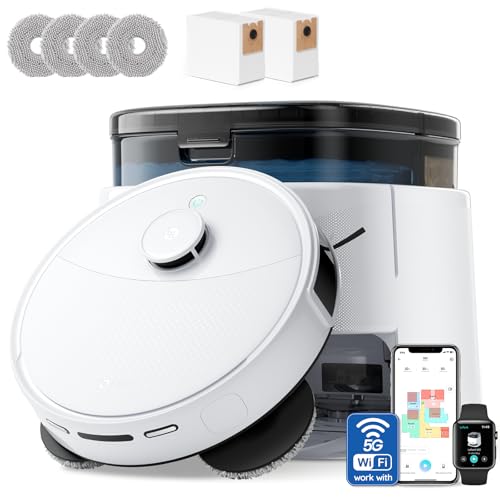
The Lefant M3 is a round robot vacuum and mop with a self-emptying, mop-washing dock. The robot is listed at about 12.6 inches wide and 3.8 inches tall, and the dock uses disposable dust bags plus clean- and dirty-water tanks. It can vacuum alone or vacuum and mop together, with app-based mapping, no-go controls, carpet behavior settings, and voice-assistant support. Its 12,000Pa suction figure, 220-minute maximum runtime, hot-water mop washing, and dual rotating pads are manufacturer-stated specifications. Independent hands-on testing found solid everyday debris pickup and effective carpet-triggered suction increase, although small lightweight debris sometimes needed a second pass. That same testing found the spinning-pad mopping merely adequate and the software cumbersome or buggy. The wireless robot has an FCC authorization, which verifies radio compliance, not electrical product safety or privacy protection.
What works
- Independent hands-on testing found solid routine debris pickup, and a second pass collected lightweight debris missed initially.
- The dock washes and dries the mop pads, and independent testing reported less direct handling of dirty, odor-prone pads.
- The operating manual confirms that the mops raise by default on carpet, allowing vacuum-only carpet passes.
- The model has a traceable wireless authorization and a named manufacturer, Shenzhen USEER Robotics, in its radio filing.
What does not
- No exact-model UL, ETL, or CSA electrical safety listing was located. FCC authorization addresses radio compliance, not shock, overheating, charging, or fire safety.
- Independent testing found mopping only adequate, rather than a substitute for deliberate manual cleaning of stuck-on soil.
- Independent testing reported buggy, complicated software, which can undermine mapping and scheduled-cleaning convenience.
- The companion Android app declares that collected data is not encrypted. Apple’s disclosure also lists location, contact details, identifiers, usage data, diagnostics, and user content as potentially linked to the user.
- The dock relies on disposable dust bags, replacement filters and pads, cleaning solution, water, and heated washing or drying. Exact energy, water-use, and consumable-life data were not located.
Who is it for
This product suits a household that wants automated maintenance of mostly hard floors and low-pile rugs, and is prepared to keep floors clear before a run. It is especially relevant where frequent crumbs, pet hair, or tracked-in debris benefit from regular vacuuming, while a dock reduces direct contact with dust and mop pads. The buyer should be comfortable using a mobile app, checking maps and settings, refilling clean water, emptying dirty water, and accepting that occasional follow-up cleaning may still be necessary.
Who is it not for
It is not suited to households that require independently verified electrical safety listing for a charging robot and dock, or those unwilling to rely on manufacturer safety instructions. Avoid using it as the main cleaner for long-pile carpets, cluttered floors, exposed cords, liquids, sharp debris, stairs with nearby loose mats, or fragile objects left at floor level. It is also a poor fit for privacy-sensitive users who do not accept app-linked data collection and an Android disclosure that says collected data is not encrypted.
Integrity
The health-relevant strength is containment and maintenance rather than a health claim. The dock uses a dust bag, and the robot’s supplied documentation describes filter, brush, tank, and mop upkeep. Independent hands-on testing observed that automatic mop washing and drying reduced contact with dirty pads. The manual warns against touching the hot-water outlet, using unapproved disinfectants, blocking the dock, or operating near heat, water, cords, sharp debris, and stairs without preparation. The model’s wireless radio is FCC-authorized, and the filing identifies its manufacturer. That is useful traceability, but it is not a US electrical-safety certification. No exact-model UL, ETL, or CSA listing was located. Its recurring footprint includes dust bags, filters, pads, brushes, cleaning solution, water use, and dock energy for washing and drying. Replacement accessory bundles are sold, but no documented battery-replacement procedure, repair network, measured energy use, or US take-back program was located.

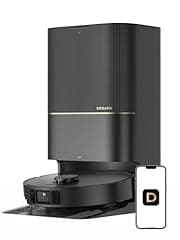
Dreame X40 Ultra Robotic Vacuum Cleaner
Overview
This is a Wi-Fi connected robot vacuum and spinning-mop system with a large floor dock. The dock automatically empties collected debris into a disposable bag, washes the two mop pads with hot water, dries them with heated air, and refills the robot’s mop water. The manufacturer specifies a 6,400 mAh battery, 12,000 Pa maximum suction, 4.5 L clean-water and 4.0 L dirty-water tanks, plus a 3.2 L dust bag. Independent hands-on testing found very strong pickup across hard floors and carpet, effective dried-stain mopping, and very strong obstacle avoidance. Those results are more useful than the manufacturer’s suction figure alone. The product uses a camera and structured-light sensing, and supports remote video and two-way calling, so its connected features require more household data access than a basic robot vacuum.
What works
- Independent testing found near-complete debris pickup on hard floors and carpet.
- Independent testing found strong dried-stain mopping and effective edge reach from the extending mop pad.
- The dock washes mop pads with hot water, dries them with heated air, and transfers debris to a 3.2 L disposable bag.
- The United States warranty policy covers the robot body and dock for three years, although the battery is covered for one year.
What does not
- No exact-model UL, ETL, or CSA safety listing was located in the public certification sources reviewed. This is missing verification, not evidence of an electrical defect.
- The filter is not specified with a HEPA class or a verified particle-capture result, so allergy and fine-dust performance cannot be established.
- Camera-enabled remote monitoring and the companion app create meaningful privacy exposure. The app developer discloses collection of location, contact data, photos or video, browsing history, identifiers, and diagnostics.
- Hot-water washing, heated drying, disposable dust bags, cleaning solution, filters, pads, and brushes add electricity, water, and recurring material use.
Who is it for
This product suits a household with substantial hard flooring, some low-pile carpet, frequent tracked-in debris, or pet hair, where a large dock can stay connected to power and be serviced regularly. It is especially relevant for someone who values automated mop washing, drying, water management, and strong independent obstacle-avoidance results. It also fits a large home because independent testing found efficient battery use and reliable coverage. The buyer should be comfortable maintaining tanks, bags, pads, brushes, and filters.
Who is it not for
It is not suited to households that need a verified HEPA filtration rating or independently certified electrical safety documentation for this exact product. Do not rely on its obstacle sensing around liquids, very small toys, cords, pet waste, or stairs without preparation and barriers, because independent testing does not establish flawless avoidance. Privacy-sensitive households should avoid camera monitoring and remote calling unless they accept the companion app’s disclosed collection of location, identifiers, diagnostics, and possible photos or video. It is also poorly suited to homes with limited space for a tall, water-using dock.
Integrity
The main health benefit is reduced direct contact with dry debris and used mop pads. The dock moves dust into a sealed disposable bag and independently tested operation confirmed automatic pad washing and heated-air drying. Those systems can reduce routine handling, but they do not replace cleaning the tanks, washboard, brushes, and filter. The manufacturer does not provide a verified HEPA class or particle-capture test result, so this product should not be treated as a proven allergen-control device. The product has replaceable filters, pads, brushes, bags, and other official wear parts listed in the United States store. Dreame’s United States policy provides three years of coverage for the robot body and dock, with one year for the battery and one month for consumables. Environmental tradeoffs remain significant because hot-water mop washing, heated drying, disposable bags, cleaning solution, and regularly replaced parts use energy, water, and materials. No product-specific CPSC recall was located in the sources reviewed.

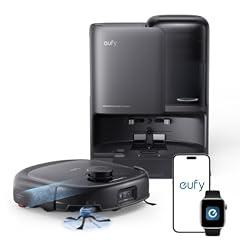
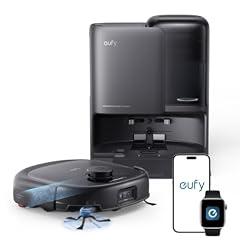
Eufy E25 Robot Vacuum and Mop Combo
Overview
This is a Wi-Fi connected robot vacuum and roller-mop with a floor station. The station empties collected debris into a 3 L disposable bag, refills the robot from a 2.5 L clean-water tank, collects 1.8 L of dirty water, washes the mop, and dries it with heated air. The robot has a 5,200 mAh lithium-ion battery, a camera, LiDAR navigation, and a washable dustbin filter. It is intended for routine hard-floor mopping and vacuuming, with carpet detection and mop lifting. The 20,000 Pa suction figure, 200-plus object recognition claim, automatic detergent dispensing, and 35 to 50 C drying range are manufacturer-stated. Independent retail-purchase testing found strong real cleaning outcomes, including 88% embedded-carpet debris pickup, 93% flattened pet-hair pickup, and no main-brush tangling in a 7-inch hair test. The same testing found average crevice pickup and below-average measured airflow, so the headline suction number should not be treated as a complete performance measure.
What works
- Independent testing found 88% pickup of embedded carpet debris and 93% pickup of flattened pet hair.
- The main brush had no tangling in an independent 7-inch hair test, reducing one routine maintenance task.
- Independent testing found avoidance of 21 of 24 household obstacles, with efficient mapped coverage.
- The manufacturer provides a detailed maintenance guide, including cleaning the filter, brushes, dirty-water tank, tray, sensors, and charging contacts.
- The station separates clean and dirty water and provides mop washing plus heated drying, which can limit persistent mop odor when its maintenance instructions are followed.
What does not
- The washable filter has no stated HEPA class, particle-capture rating, or independent allergen-containment result, so reduced airborne allergen exposure is unproven.
- No exact-product UL, ETL, or CSA safety listing was located in the relevant public certification directories. The lithium-ion battery and high-power dust-emptying dock therefore lack publicly verified third-party electrical certification in this review.
- The manufacturer requires drying after every mopping task and regular emptying and rinsing of the dirty-water tank. Neglect raises odor and mildew risk.
- Independent tests found lower-than-average airflow and only average crevice pickup, despite the manufacturer-stated 20,000 Pa figure.
- The camera-equipped app can collect floorplans, object information, cleaning history, and, with consent, navigation images or video. Core controls also require an account and Wi-Fi setup for full functionality.
Who is it for
This product suits a household with mixed hard floors and low or medium pile carpet that wants frequent automated maintenance rather than spot-treatment of major spills. It is particularly relevant where long hair or pet hair creates brush-cleaning work, because independent tests found strong pet-hair pickup and no main-brush tangling in a long-hair test. The large water tanks, self-emptying bag, and mop-wash station also fit users willing to reserve floor space for a dock and perform scheduled tank, tray, and filter cleaning.
Who is it not for
It is not suited to households that need independently verified HEPA-grade filtration for allergy control, or that require publicly documented third-party certification of the exact battery, dock, and charger. Avoid unsupervised use near unprotected stairs, reflective floors, deep drops, loose cords, high-pile rugs, fireplaces, vents, or significant liquid spills. The manual says the cliff sensors can be less effective on carpeted or reflective floors, and no-go zones are not designed to isolate hazards. Privacy-sensitive homes may also prefer a non-camera, non-cloud-connected cleaner.
Integrity
The station's clean-water and dirty-water separation, automatic roller washing, and heated drying are useful hygiene controls, but they do not make the product antimicrobial or disinfecting. The manual directs users to activate drying after every mopping task, empty and rinse the dirty-water tank regularly, and clean the tray. Independent testing found slightly higher residual water than average after mopping, so darker floors may show streaking and sticky spills should be cleaned from wheels and brushes before the product continues elsewhere. The robot uses a washable filter, but neither the manual nor product page specifies a HEPA grade or independently measured fine-particle retention. It also uses a disposable 3 L dust bag and branded floor-cleaner cartridge, creating recurring waste. The dock can draw up to 130 W during drying and charging, and 900 W during dust collection. The manual supports cleaning wear parts, but directs other servicing to authorized representatives. No exact-product CPSC recall was identified in the reviewed U.S. recall sources.

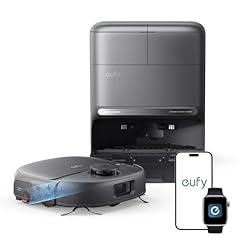
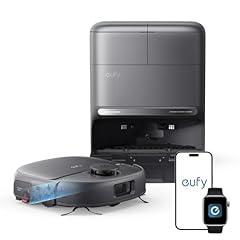
Eufy C28 Robot Vacuum and Mop
Overview
This is a Wi-Fi and app-connected robot vacuum and mop with a self-emptying, self-washing dock. The station uses a 3 L dust bag and separate 2.2 L clean-water and dirty-water tanks. The robot has a rolling mop, dual onboard water reservoirs, LiDAR and line-laser navigation, plus a stated 15,000 Pa maximum suction level. Its strongest defining facts are independently tested cleaning results. Vacuum Wars measured 89% embedded-debris removal from medium-pile carpet, 100% pickup of its flattened pet-hair test material, and no hair wrap in its long-hair test. The same tester measured strong dried-stain mopping with only 0.25 g of residual water. The manufacturer states that its washable replacement filter captures 99.99% of 0.3-micron particles, but a model-specific third-party filtration test was not located.
What works
- Independent testing found strong carpet extraction, pet-hair pickup, anti-tangle performance, and dried-stain mopping.
- The dock washes the roller mop, transfers dirty water to a separate tank, self-empties dust, and hot-air dries the mop at 50 C in independent hands-on testing.
- A genuine washable replacement filter is sold for this product, with manufacturer-stated 99.99% filtration at 0.3 microns.
- Replacement filters and even a complete replacement robot are listed by eufy, and support publishes a battery-replacement guide.
What does not
- Independent obstacle testing found it avoided only 15 of 24 household test obstacles, below that tester's average. Cords, pet waste, liquids, and small toys should be cleared first.
- No exact-product UL, ETL, or CSA electrical safety listing was located in the relevant public directories, so third-party verification of the dock, charger, and battery system remains unproven.
- The 4.4-inch robot height can prevent cleaning beneath lower furniture.
- The app privacy notice says clean-product data can include floorplans, floor types, detected objects, cleaning history, and device logs. A model-specific data-retention and security-update commitment was not located.
- It relies on disposable dust bags and periodically replaced filters, brushes, and mop parts. Hot-air drying and dock water transfers also add electricity and water use.
Who is it for
It suits households with a mix of hard floors and low-pile to medium-pile carpet, especially where pet hair and dried kitchen or entryway marks are frequent. The independently tested carpet extraction, flattened-hair pickup, and anti-tangle result support that use case. It also fits people who can give the dock a permanent nearby power and water-service space, empty the dirty-water tank, and clear small loose hazards before scheduled runs. It is most practical for users comfortable managing cleaning maps and routines through an app.
Who is it not for
It is not suited to homes where cords, socks, toys, pet waste, or liquid spills are routinely left on the floor, because independent obstacle testing showed meaningful misses. It is also unsuitable for households needing cleaning beneath furniture with less than 4.4 inches of clearance. Buyers who require an independently listed electrical system should look for a product with a publicly traceable exact-model UL, ETL, or CSA record. Privacy-sensitive households that do not want floorplans and cleaning data handled through a connected app should avoid app-dependent robot cleaning.
Integrity
The C28 has a genuine washable filter sold by the manufacturer. Eufy states 99.99% filtration of particles as small as 0.3 microns, but this is a manufacturer specification rather than a third-party measurement. Independent testing supports its cleaning capability, including strong embedded-debris and pet-hair removal. That can reduce settled debris when the unit is maintained correctly, but it does not establish an allergy, antimicrobial, or air-health claim. Its wet system is designed to separate fresh and dirty water and the dock hot-air dries the roller after washing. This can reduce odor and prolonged dampness, but it still requires dirty-tank cleaning and careful use of only compatible solution. The brand's support guidance specifies a 1:200 cleaning-solution dilution. The product uses water, drying heat, disposable dust bags, and periodically replaced filters, brushes, and mop parts. Product-specific US safety certification was not publicly verified, and no product-specific CPSC recall was located in the checks performed.

Roborock Qrevo S Pro Vacuum and Mop
Overview
This is a Wi-Fi connected robot vacuum and mop with a 5,200 mAh lithium-ion battery, a 13.8 by 13.9 by 3.8 inch robot, and a large dock that empties dust into a disposable bag, refills the robot, washes its two spinning mop pads, and dries them. It is intended for routine hard-floor cleaning and mixed-floor homes where rugs can be managed in the app. Roborock states 18,500 Pa suction, 167 F mop washing, 113 F warm-air drying, and liftable mops. Independent retail-purchase studio testing confirmed notably strong dried-stain mopping, efficient coverage estimated at 1,495 square feet per charge, and 81 percent embedded-debris removal from medium-pile carpet. The same testing found weak handling of long hair, pet hair, and household obstacles, which materially limits the real-world meaning of its anti-tangle and obstacle-avoidance claims.
What works
- Independent studio testing found strong dried-stain mopping performance.
- Independent testing estimated 1,495 square feet of coverage per charge, supporting larger open hard-floor layouts.
- The dock automates dust emptying, mop washing, mop drying, and water refilling, as stated by the manufacturer.
- The manual provides detailed maintenance intervals and instructions for the brush, washable filter, mops, tanks, tray, sensors, and dust bag.
- The published US manual identifies the robot and dock models, and Roborock provides a one-year US limited warranty for new products.
What does not
- Independent testing found the robot avoided only 5 of 24 test obstacles. Cords, shoes, small objects, liquids, and pet waste should be cleared before operation.
- Independent testing found only 43 percent pickup of flattened pet hair from carpet and 62 percent of long test hair wrapped around the brush.
- The published manual specifies a washable filter but does not state a HEPA class or a verified allergen-capture performance level.
- The heated wash and warm-air drying system is not evidence of sanitization or disinfection. The manual specifically says not to use disinfectant.
- The dock requires disposable dust bags, while mop cloths, side brush, main brush, and filter are recurring wear items.
Who is it for
This product suits a household with mostly sealed hard floors, some low rugs, and a clear enough layout to run scheduled cleaning after cords and small objects are picked up. It is especially relevant for someone who wants frequent mopping without manually filling the robot or washing pads after each run. Its independently measured navigation efficiency and estimated coverage support larger, relatively open layouts. The buyer should be comfortable emptying dirty water, cleaning the dock tray, replacing bags, and checking the brush regularly.
Who is it not for
It is not well suited to carpet-heavy homes with shedding pets, long human hair, or frequent bulky debris. Independent testing found weak pet-hair pickup and substantial hair wrapping on the brush. It is also a poor fit for homes where charging cords, toys, shoes, pet waste, liquid spills, or fragile items are routinely left on the floor, because independent obstacle testing was weak and the manual instructs users to clear such hazards. Buyers needing a stated HEPA filtration class or independently listed electrical certification should seek clearer documentation.
Integrity
For indoor dust control, the product combines a washable robot filter with a sealed disposable dock bag. That can reduce direct contact with collected dust during emptying, but the published manual does not identify a HEPA class or provide verified allergen-capture results. Its mop system uses separate clean- and dirty-water tanks, automatic washing, and adjustable warm-air drying. These features can support routine hygiene, but users still need to empty and rinse the dirty-water tank and cleaning tray. Heated washing is not a disinfecting claim, and the manual prohibits disinfectant use. The product has a removable lithium-ion battery for end-of-life recycling, according to the manual, and Roborock supplies maintenance guidance and a one-year US limited warranty. Its consumable footprint is meaningful, including disposable dust bags, replacement mop cloths, brushes, and filters. The dock also uses water and electricity for washing, drying, charging, and auto-emptying. No exact-model US electrical safety listing was located in public UL, ETL, or CSA results during this review.

Roborock Qrevo Robot Vacuum and Mop
Overview
This is a round robot vacuum and roller-mop system with a large, separate docking station. It vacuums hard floors and carpets, then uses a water-fed roller that scrapes recovered dirty water into an onboard tank. The dock auto-empties dust into a disposable bag, washes the roller, and heat-dries it. The robot measures 353 by 353 by 119 mm, and the dock is 450 mm on each side, so it needs substantial floor and vertical clearance. The manufacturer states a 20,000 Pa maximum suction figure and a 15 mm roller lift with a deployable carpet shield. Independent tests support strong embedded-sand removal and excellent long-hair resistance, but paint a mixed picture for mopping. One laboratory-style reviewer recorded 87% embedded-sand removal, while dried-stain results were well below that tester's robot average. This is a vacuum-first cleaning system with a mechanically complex wet path, rather than a low-maintenance mop.
What works
- Independent testing found 87% removal of embedded sand from medium-pile carpet.
- A 7-inch hair-tangle test recorded 0% tangling, supporting the anti-tangle brush design for long hair.
- The dock uses a sealed disposable dust bag, hot-water roller washing, warm-air drying, and automatic refilling.
- Independent navigation testing measured 0.83 square meters per minute, above that tester's stated category average.
- Camera functions are off by default, according to the manufacturer, and the manual provides a procedure to deactivate WiFi.
What does not
- Independent dried-stain testing was poor, including at maximum water flow, which conflicts with the broad one-pass spill-removal marketing claim.
- Obstacle avoidance was only average in an independent 24-object test, and hands-on testing found it can still catch straps, paper, and small clutter.
- The washable filter is not specified as HEPA or given a particle-capture efficiency rating in the available manual.
- The roller, onboard dirty-water tank, dirty-water channel, tray, filters, bag, brushes, and covers need recurring cleaning or replacement. Some parts require screws to remove.
- No exact-product UL, ETL, or CSA electrical-safety listing was located in the public registers searched. FCC authorization addresses radio compliance, not battery or electrical safety.
Who is it for
It suits a household with mostly hard floors, some rugs or standard carpet transitions, recurring loose debris, and long human or pet hair. The strongest independent evidence is for embedded carpet sand removal, tangle resistance, and mapping efficiency. It also fits owners willing to manage a large dock, empty dirty water, replace bags and wear parts, and inspect the roller system regularly. It is most practical where furniture has at least 119 mm of clearance underneath and where floors are picked up before scheduled runs.
Who is it not for
It is not well suited to homes that need reliable removal of dried kitchen stains, sticky spills, or pet messes without follow-up cleaning. Do not rely on its object recognition around cords, thin straps, beads, small toys, or loose paper. The manual itself calls for floor preparation and warns against wet floors, raised unguarded edges, and flammables. It is also a poor fit for people seeking a minimal-maintenance cleaner, a compact dock, an independently listed electrical system, or a clearly specified high-efficiency allergen filter.
Integrity
For dust handling, the dock uses a removable bag that seals when removed, and the robot has a washable filter. This can reduce direct contact with collected debris, but the available documentation does not provide a HEPA designation or a verified particle-filtration efficiency. The manual requires filter cleaning every two weeks and replacement every 6 to 12 months. It also warns against vacuuming hot ash, cigarettes, flammables, glass, and nails. The wet system separates clean and dirty water, washes the roller, and uses warm-air drying. The manufacturer cites named TÜV and SGS bacterial-removal and antibacterial test reports, but these should not be read as a claim that the product disinfects floors or makes a home healthier. Dirty tanks, channels, tray filters, and the roller still require cleaning and drying. Resource costs include electricity for charging, heated washing and drying, water use, disposable dust bags, replacement filters, brushes, and roller mops. Public FCC documentation and US support contacts make the product traceable, but no exact-product US electrical listing was located.
Dreame L40 Ultra Robot Vacuum and Mop
Overview
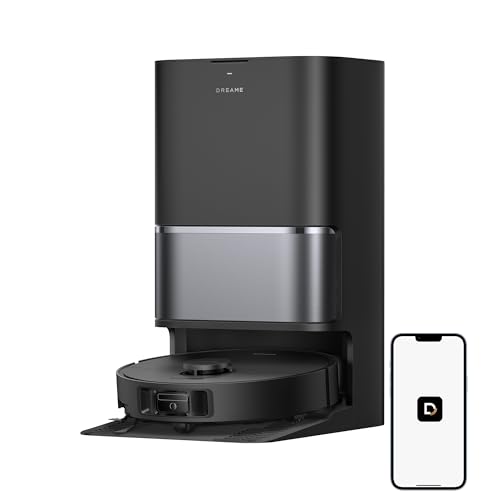
This product is a round, Wi-Fi connected robot vacuum and mop with a large dock. The 13.78-inch robot uses a rubber main brush, a side brush that extends, and two reusable spinning mop pads. Its dock collects debris in a disposable 3.2 L bag, supplies clean water, receives used water, washes mop pads with hot water, and dries them with hot air. The clean and used water tanks are manufacturer-stated at 4.5 L and 4.0 L. Dreame states a 25,000 Pa maximum suction rating, 5,200 mAh battery, 10.5 mm mop lift, and 3D structured-light obstacle avoidance. The exact-product manual confirms automatic mop washing and drying, a replaceable dust bag, a grounded 120 V dock connection, and maintenance instructions. No exact-model independent laboratory cleaning report or public UL, ETL, or CSA safety listing was located in the checked registers.
What works
- The documented dock automatically empties the dust bin, washes mop pads, and hot-air dries them after a task.
- The manual requires cleaning the used-water tank after tasks to help prevent odor, and it gives routine cleaning steps for the filter, washboard filter, brushes, sensors, and mop parts.
- A 3-year manufacturer warranty is stated for US sales, with US support and an exact-product manual available.
- The product has traceable US-facing support, a named dock model, and an FCC Supplier's Declaration of Conformity in its manual.
What does not
- No exact-product independent cleaning test using disclosed laboratory methods was located. The 25,000 Pa headline is a manufacturer specification, not a demonstrated pickup result.
- No public UL, ETL, or CSA listing for the exact robot and dock was located in the checked certification directories. FCC compliance addresses radio interference, not electrical or battery safety.
- The filter is described in the manual, but no HEPA class, allergen-capture efficiency, or independent filtration result was found.
- The dock uses disposable bags, replaceable mop pads, filters, brushes, water, and heated drying. No measured electricity use, water use, or consumable-life data was located.
- The product needs 2.4 GHz Wi-Fi for setup. Dreame's privacy notice says app and device use can involve account, device, network, cleaning-record, diagnostic, and location data.
Who is it for
This product suits a household with mostly hard floors, enough open dock space, and a willingness to manage water tanks and replace consumables. It is particularly relevant for people who value scheduled vacuuming and mopping with less daily handling, because the dock empties debris, refills the robot, washes pads, and dries them. It also fits buyers who need a documented US warranty and prefer app controls, virtual cleaning settings, and a mop-lift feature intended to reduce wet carpet contact.
Who is it not for
It is not well suited to households that require independently verified allergen filtration, formally listed electrical safety certification, or exact-model laboratory evidence before placing a charging appliance indoors. It also needs regular hygiene work, including cleaning used water after tasks and servicing filters, brush hair, and the washboard filter. Avoid relying on it around loose cords, lit candles, fragile floor objects, standing liquid, or unsupervised sleeping infants or children. Buyers with privacy-sensitive homes should also consider the required app connection and data collection disclosures.
Integrity
The wet system has concrete hygiene controls. The manual says the dock washes and hot-air dries mop pads after cleaning, and directs users to empty and clean the used-water tank after every task to prevent odor. It also limits cleaning fluid to Dreame-approved fluid, which reduces material-compatibility uncertainty but means household cleaners should not be substituted. No disinfecting, antimicrobial, or health-protection benefit was verified. The product has a disposable 3.2 L dust bag and washable dust-box filter, but no verified HEPA grade or independent allergen-capture result was found. Its operating footprint includes disposable bags plus periodic mop-pad, filter, and brush replacement. Heated drying and water-based pad washing also add electricity and water demand, with no exact measured-use data found. The manual provides maintenance steps and Dreame states a 3-year warranty, though battery replacement and long-term parts pricing were not independently established. No relevant US recall was located in the checked CPSC sources.

Ecovacs Deebot T90 Pro Omni Vacuum and Mop
Overview
This product is a Wi-Fi connected robot vacuum and wet roller mop with an automatic station that empties dust, washes the roller, dries it, and holds clean and dirty water. The manufacturer specifies a 95 mm tall robot, a 0.25 L onboard dust bin, a 110 ml onboard water tank, 15 mm mop lift, a 4 L clean-water tank, and a 2.2 L dirty-water tank. It uses a washable M6-rated filter, not a stated HEPA filter. Independent testing is unusually substantial for this model. Vacuum Wars measured 81% embedded-dirt removal from medium-pile carpet, 100% pickup in its flattened pet-hair test, zero brush tangling in its long-hair test, and avoidance of 23 of 24 household test objects. Notebookcheck also found effective everyday mopping, while identifying corner-cleaning and navigation limitations.
What works
- Independent testing documented strong pet-hair pickup, long-hair resistance, carpet debris removal, and obstacle avoidance.
- The wet roller is continuously rinsed with fresh water during operation, and the station separates clean and dirty water, according to the manufacturer.
- The 95 mm robot body can fit beneath furniture where taller robots may not, according to the manufacturer specification.
- Replacement filters, bags, roller mops, brushes, and accessory kits are listed through the manufacturer’s US store.
What does not
- No exact-model UL, ETL, or CSA electrical safety listing was located in the major US listing directories during verification. This is an evidence gap, not evidence of a defect.
- The stated M6 filter rating does not establish HEPA-level or independently tested allergen capture, so health-related dust-control claims should remain limited.
- Independent testing found corner-cleaning weaknesses, occasional contacts with thin dark furniture legs, and collisions on the return route to the station.
- The station requires water, heated washing and drying, detergent, dust bags, filters, and replaceable roller parts. Exact energy use, water use, and consumable life were not independently published.
Who is it for
This product suits households with mostly sealed hard floors, low-pile carpets, shedding pets, or people with long hair who want routine vacuuming and mopping handled by one docked system. It is especially relevant where floor clutter is usually controlled, but cords, footwear, and pet items still occur, because independent obstacle testing was strong. It also fits users willing to empty dirty water, maintain the wash tray, replace consumables, and use the app to set room, carpet, and no-go controls.
Who is it not for
It is not well suited to households that need independently verified HEPA or allergy-focused filtration, because the stated M6 filter specification does not establish that performance. It also needs caution around loose liquids, very dark thin furniture legs, unsecured cords, tall thresholds, fragile objects, and homes where pets may leave waste, despite strong obstacle results. Privacy-sensitive users who do not want a connected camera-equipped mapping product or cloud-linked app should consider a simpler non-connected cleaning approach.
Integrity
The product’s dust-control case is moderate rather than health-certified. It uses a washable M6 filter and a self-emptying dust system, but ECOVACS does not specify HEPA performance or publish an exact-model independent allergen-capture result. Its compatible filter contains EPA-registered antimicrobial agents intended to protect the treated filter from odor-causing microbial growth. That does not establish room disinfection, allergen reduction, or a human health benefit. For wet hygiene, the manufacturer states that the station supplies fresh water, collects wastewater separately, washes at up to 75 C, and dries the roller. Those features can reduce damp-mop odor when the tanks and tray are cleaned as instructed. The tradeoff is ongoing water, electricity, detergent, bags, filters, brushes, and roller-mop waste. US support, product documentation, and replacement parts are available, and no current US recall for this exact product was identified during verification.