
10 Best Massage Guns
 Lauren Wilson
Please note that we participate in affiliate marketing programs. When you purchase through links on our site, we may earn a commission. As an Amazon Associate we earn from qualifying purchases. This comes at no additional cost to you and helps support the resources required to provide valuable content.Advertising Disclosure
Top-rated Massage Gun Comparison
1

2
3
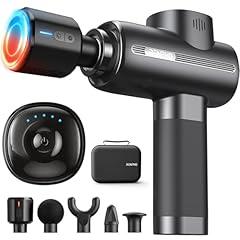
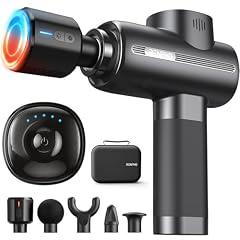
4
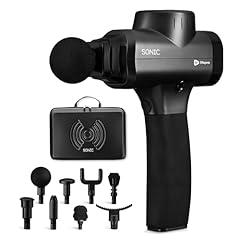
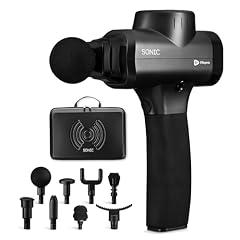
5
6
7
8
9
Massage guns: what matters before you buy
A massage gun is a handheld percussion device that repeatedly presses a rounded or specialized head into soft tissue. Buyers generally use one for temporary muscle comfort, perceived tightness, short-term flexibility or range-of-motion support, and post-exercise routines. The supplied evidence does not support treating massage guns as cures for disease or substitutes for diagnosing an injury. Human research suggests possible short-term benefits, but studies are limited, use different routines, and do not establish that a particular consumer product will produce the same result.
The useful differences between products are not simply the largest amplitude, stall-force, speed, runtime, or head-count number. A product is easier to use conservatively when it has clearly bounded speed settings, a stated stroke or amplitude, understandable controls, pressure or stall protection, and an automatic shutoff. Session guidance matters too: the manual should explain how long to spend on one area, advise moving the head rather than pressing in one place, and tell users to stop for pain, numbness, bruising, or unusual discomfort. A higher speed count is not automatically better if the actual output is unverified or if the instructions do not explain how to use it safely.
Headline figures frequently overstate what is known. “Deep tissue,” “professional,” “pain relief,” “injury recovery,” “improved circulation,” “lactic-acid removal,” and similar language can describe marketing rather than product-specific clinical evidence. Amplitude, rpm, force, noise, runtime, temperature, and battery claims are often manufacturer-stated; the supplied reviews repeatedly found no current product-specific report from an ISO/IEC 17025-accredited laboratory to confirm them. Conflicting figures across a listing, manual, or product page are a reason to discount the claim, not choose the larger number. A category-level study is evidence about percussion massage generally, not proof for an individual product.
For a rechargeable product, look for a charger whose model and input/output ratings match the device, clear charging and overheating instructions, battery information, and a traceable independent electrical-safety listing. A credible certification record should identify the exact product, charger, and where applicable battery pack, along with the issuer and scope. Relevant public registers include UL Product iQ, Intertek’s ETL directory, CSA Group, TÜV Rheinland Certipedia, and the OSHA-recognized laboratory directory. A self-applied safety logo or generic certificate is not equivalent to a matching listing. Battery transport evidence such as a UN 38.3 test summary may also matter, but its presence alone does not prove safe use.
For heated or cooled heads, seek stated temperature limits, instructions for skin contact, warnings for reduced sensation, and timed shutoff. The supplied products often gave temperature ranges but lacked independent thermal testing. A named manufacturer, exact model, warranty, support contact, serial or batch information, and a workable recall or repair path improve accountability. For longevity, check whether heads, chargers, batteries, or other parts can be replaced; a non-replaceable battery can shorten useful life even when the outer device remains functional. At end of life, rechargeable battery products should not be placed in household trash or curbside recycling; use a legitimate battery, electronics, or household-hazardous-waste route.
Finally, do not use a massage gun on the head, face, front or side of the neck, spine, bones, joints, wounds, broken skin, bruises, suspected fractures, or acutely inflamed or injured tissue. The supplied reviews repeatedly identify concerns involving pregnancy, recent surgery, implanted cardiac devices, clotting or vascular risk, bleeding risk or anticoagulant use, impaired sensation or neuropathy, osteoporosis, unexplained pain, and other significant conditions. Seek clinician guidance when these apply. Several manuals conflict with their own warnings by suggesting neck, spine, or other bony-area use; the more cautious exclusion should control.
Integrity
These topics distinguish a massage gun that is usable and traceable from one whose strongest claims remain unverified. Scores are based on the supplied product reviews; higher scores indicate stronger evidence or safeguards for that topic, not a guarantee of safety or medical benefit.
HHealth & Safety
Evidence-based relief and recovery benefit
This measures whether the product presents realistic, short-term expectations for soreness, flexibility, or recovery and an appropriate routine. For massage guns, the stronger case is temporary comfort or mobility support, not treatment or cure. Supplied scores ranged from 68 to 78: higher-scoring products paired modest category evidence with bounded use, while lower-scoring products made broader pain, injury, circulation, or recovery claims.
Clear safe-use guidance
This measures warnings about vulnerable users and prohibited areas, including the head, neck, spine, wounds, acute injury, clot risk, and impaired sensation. It matters because percussion can be misapplied to sensitive or injured tissue. Scores ranged from 50 to 87. The strongest guidance included specific contraindications and body-area limits; low scores reflected missing warnings or manuals that conflicted with their own exclusions.
Controllable mechanical intensity
This measures whether speeds, stroke, force, attachments, handles, controls, and automatic stops allow predictable, conservative use. A 10-minute stop, low starting setting, pressure or stall protection, and time-per-area guidance are useful safeguards. Scores ranged from 54 to 82. Higher-scoring products documented repeatable settings and protective limits; lower scores often had conflicting or unverified force and output claims.
Heat/cold attachment safety
This measures stated temperature limits, timed shutoff, skin-safety instructions, and whether thermal claims are supported. It matters because heat and cold add burn, cold-injury, or reduced-sensation risks that ordinary percussion does not. Scores ranged from 58 to 90. Higher scores included defined temperature ranges and exposure limits; lower scores lacked temperature data, skin-contact limits, or independent thermal testing.
Battery and charging safety
This measures protection against overheating, fire, shock, charger mismatch, and battery damage. A matched charger, clear charging instructions, and battery-management details matter for every rechargeable massage gun. Scores ranged from 68 to 78. Higher-scoring products documented compatible charging and protective instructions, but the supplied reviews generally found no exact-model independent electrical listing or complete battery test evidence.
EEvidence
Independently certified electrical safety
This measures whether the exact sold product, charger, and applicable battery pack appear in a traceable listing from an independent U.S.-recognized safety laboratory. It is especially important for rechargeable devices used at home. Scores ranged from 68 to 70, but the supplied reviews consistently reported that no matching UL, ETL, CSA, or TÜV record was located. A logo alone is not enough; model and scope must match.
Independently verified specifications
This measures whether an ISO/IEC 17025-accredited laboratory has tested the exact model and configuration for claims such as amplitude, speed, force, noise, runtime, and temperature. It matters because these figures often differ between listings and manuals. Scores ranged from 68 to 70, yet no product-specific report was located for the supplied products. Higher relative scores therefore indicate better evidence context, not confirmed performance.
Honest health and regulatory claims
This measures whether marketing separates temporary comfort or recovery support from diagnosing, treating, curing, or preventing disease, and whether quantified, medical, professional-grade, FSA/HSA, and certification claims are qualified. Scores ranged from 48 to 76. Higher-scoring listings stayed closer to limited category evidence; lower scores used claims about chronic pain, injury recovery, circulation, lactic acid, or treatment without product-specific substantiation.
Accountable maker and recall readiness
This measures whether buyers can identify the manufacturer, exact model, warranty, support contact, serial or batch information, and a workable safety-response path. It matters when a rechargeable device needs repair, replacement, or recall notification. Scores ranged from 67 to 85. Higher-scoring products supplied named support channels and clearer warranty paths; lower scores left warranty coverage, seller responsibility, or post-purchase response less clear.
EEcology
Built to last and supportable
This measures durability signals such as warranty coverage, support, replacement heads or chargers, battery service, and repair options. Longer useful life can reduce electronic waste. Scores ranged from 68 to 78. Higher-scoring products had clearer warranties, named support channels, or replacement-part commitments. A non-replaceable battery, unavailable parts, or unclear warranty coverage lowers practical serviceability even when the device itself appears durable.
Battery recycling and e-waste responsibility
This measures whether battery chemistry, removal or service information, take-back options, and legitimate U.S. recycling routes are explained. It matters because rechargeable batteries and battery-containing devices should not enter household trash or curbside recycling. Scores ranged from 68 to 72, reflecting a common gap: products identified rechargeable batteries but rarely supplied a brand take-back program or product-specific end-of-life route.
Credible environmental footprint
This measures whether packaging, recycled content, carbon, and sustainability claims are specific and independently checkable for the exact product. It matters because vague “eco-friendly,” material, or packaging language cannot show a lower footprint. Scores were tightly grouped from 60 to 70. The higher scores still generally reflected limited disclosure; the lowest score involved vague claims without supporting packaging, recycled-content, or environmental certification evidence.
Full reviews

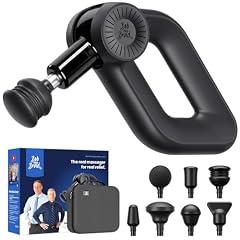
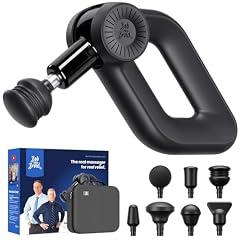
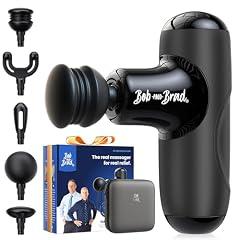
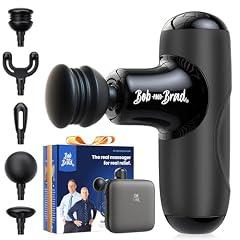
BOB AND BRAD D6 Pro Massage Gun
Overview
This is a 2.8-pound handheld percussion massage gun for use on larger soft-tissue areas such as calves, thighs, arms, and back muscles. It uses interchangeable heads, a rotating multi-grip handle, an OLED display, and USB-C charging. The unit has no heat or cold attachment. The maker states that it has six speeds from 1,500 to 2,500 RPM, 16 mm stroke amplitude, 85 pounds of stall force, and up to 180 minutes of runtime. Those performance figures were not located in a product-specific independent laboratory report. A published manual identifies a 10-minute automatic shutoff and basic charging, cleaning, and storage directions. Human research supports only limited, short-term recovery or flexibility benefits for massage guns, not disease treatment or reliably faster soreness recovery.
What works
- Six speed settings and a force display give users a practical way to start at a lower intensity, according to the manufacturer.
- A documented 10-minute automatic shutoff helps limit uninterrupted exposure.
- The official product page states a two-year warranty with no registration requirement.
- The listed head materials, ABS, PU, and silicone, avoid a thermal attachment that would add burn or cold-injury risks.
What does not
- The published safety directions are basic. They do not prominently cover several important contraindications, including blood-clot risk, impaired sensation, acute injury, the head, neck vessels, or the spine.
- The advertised amplitude, stall force, noise reduction, and runtime were not supported by a located independent, product-specific laboratory report.
- Marketing presents pain relief, recovery, performance, circulation, and healing-oriented benefits more strongly than the mixed and low-certainty human evidence supports.
- No traceable listing for the exact product, charger, and battery pack was located in the major U.S. independent electrical-safety certification registers searched.
Who is it for
This product fits an experienced, healthy adult who wants a relatively large handheld tool for brief self-massage of accessible muscle bellies after training or during mobility work. The 2.8-pound body, multi-grip design, six selectable speeds, and 10-minute timer make most sense for someone able to control pressure and stop if discomfort develops. It is more suitable for temporary comfort and range-of-motion routines than for self-treating an injury, persistent pain, or a diagnosed medical condition.
Who is it not for
It is not a suitable self-treatment tool for people with unexplained pain, an acute tear or strain, fractures, wounds, reduced sensation, bleeding concerns, suspected or known blood clots, or a clinician-imposed activity restriction. People who are pregnant, use anticoagulants, have vascular disease, neuropathy, implanted devices, or have recently had surgery should obtain individualized clinical advice first. It is also unsuitable for use on the head, front or side of the neck, spine, joints, bony areas, or directly over an implanted device.
Integrity
The strongest health-related safeguard located is the 10-minute automatic shutoff, plus directions not to operate while charging, immerse the product, disassemble it, or use it on open wounds and bony areas. Those instructions are worthwhile but incomplete for a high-intensity percussion device. The maker's stated 16 mm amplitude and 85-pound stall force suggest substantial mechanical output, yet neither figure was independently verified for this product. Massage-gun evidence supports cautious expectations, mainly short-term flexibility and recovery support, rather than treatment or cure claims. No product-specific CPSC recall or FDA adverse-event report was located in the searches performed. No exact-model independent electrical safety listing or battery test summary was located either. The rechargeable battery is not presented as user-replaceable, and the available instructions do not provide a take-back route or detailed end-of-life guidance. U.S. EPA guidance says lithium battery devices should not go in household trash or curbside recycling, so disposal should use a qualified battery or electronics collection program.

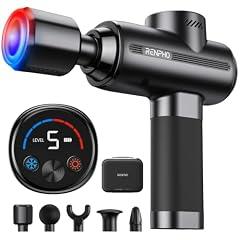
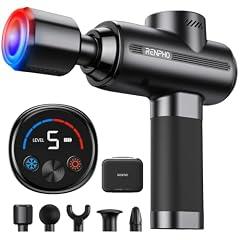
RENPHO Thermacool 2 Heated Massage Gun
Overview
This is a rechargeable, handheld percussion massager for home use. RENPHO’s manual identifies a 10 mm stroke, five speeds from 1,800 to 3,200 RPM, a 1.39-pound body, five interchangeable heads, USB-C charging, and a 2,500 mAh, 18.5 Wh internal battery. Those are manufacturer-stated specifications, not independently tested results. Its defining feature is the thermal head, with four heat settings stated as 102 to 113°F and four cooling settings stated as 46 to 57°F. The manual also specifies a 10-minute automatic shutoff, locked-motor protection, and overheat shutdown. Human research on massage guns supports limited, short-term improvements in flexibility and perceived soreness or stiffness, but the evidence base is small and mostly at moderate or high risk of bias. This product is not described in its manual as a medical device or treatment for disease.
What works
- The manual provides unusually specific body-area exclusions, including the head, throat area, cervical vertebrae, varicose veins, inflamed skin, fractures, and recent surgical sites.
- Five stated speed levels, a 10-minute automatic shutoff, locked-motor protection, and overheat shutdown support more conservative home use.
- The thermal head has stated heat and cold ranges and four adjustment levels for each mode.
- The manual identifies a U.S. and Canadian support phone number and email, plus a stated one-year product warranty.
What does not
- No product-specific ISO/IEC 17025 laboratory report was located to verify stroke, RPM, weight, thermal range, noise, battery life, or protective cutoffs.
- No traceable UL, ETL, CSA, or TÜV electrical-safety listing for this exact product, charging setup, and battery pack was located in the searched certification registers.
- The manual permits charging from a mobile power source or mobile charger that is not included, without identifying a supplied wall charger model or independently verifiable charging certification.
- Its attachment chart suggests use around the spine and neck, while its safety section says not to use it on cervical vertebrae, body bones, or the throat area. Users should follow the more restrictive warning.
- The internal battery is non-replaceable, and the manual says the product has no user-serviceable parts. It gives no U.S.-specific take-back or battery-removal route.
Who is it for
It suits an adult home user who wants a compact percussion tool for brief, cautious use on large, intact muscle areas such as quads, calves, glutes, or upper back muscles after ordinary activity. The useful fit is someone who values adjustable mechanical intensity and a selectable warm or cool head, while accepting that the stated performance figures come from the manufacturer. It is most appropriate for temporary comfort, relaxation, and mobility routines, not for diagnosing an injury or replacing clinical assessment.
Who is it not for
It is not for children, unsupervised users with reduced sensation or capacity, or anyone who cannot reliably recognize excessive pressure, skin irritation, heat, or cold discomfort. People who are pregnant, have suspected blood clots or poor circulation, fractures, varicose veins, implanted cardiac devices, recent joint surgery, unexplained pain, open or inflamed skin, or impaired sensation should seek clinician guidance first. Avoid the head, face, throat, cervical spine, bones, swollen areas, and any suspected acute injury.
Integrity
The safety documentation is stronger than the product-specific verification. RENPHO’s manual gives explicit exclusions for vulnerable users and high-risk body areas, states a 10-minute shutoff, and specifies heat at 102 to 113°F and cooling at 46 to 57°F. It also calls the product household and non-medical use. The available human evidence supports only modest, short-term recovery or flexibility benefits, not disease treatment or reliable performance enhancement. The product uses a sealed 18.5 Wh lithium-ion battery. The manual warns against dismantling it, overheating it, prolonged charging, and disposal at end of life, but it does not provide a U.S.-specific recycling program or a battery-removal procedure. Rechargeable lithium-ion batteries can be routed through established battery recycling networks when accepted locally, but damaged batteries require specialized handling. No model-specific independent electrical certification or independent performance test report was located.

RENPHO Massage Gun with Heat and Cold
Overview
This is a compact rechargeable percussion massage gun for home use, with five interchangeable heads, a carry case, five speed settings, and a separate rechargeable heating and cooling head. The manufacturer manual identifies a 10 mm stroke, speeds of 1,800 to 3,200 rpm, a 2,000 mAh main battery, and a stated two to three hours of operating time. It weighs 1.5 pounds according to that manual. Its most defining safety features are manufacturer-documented rather than independently verified. The gun has a 10-minute automatic shutoff, locked-motor, overload, and overheat protections. The thermal head is specified at 99 to 113 F for heat and 47 to 61 F for cooling, with 10-minute heat and five-minute cooling shutoffs. Human research on massage guns supports only limited, short-term flexibility and soreness or stiffness benefits, not a cure or guaranteed recovery outcome.
What works
- The official manual gives unusually concrete operating limits, including five stated speeds, a 10 mm stroke, automatic shutoff, and a maximum 30-minute session recommendation.
- The manual provides meaningful contraindication guidance, including pregnancy or postpartum status, vascular conditions, heart devices, fractures, severe inflammation, recent joint surgery, wounds, and possible fracture sites.
- The separate thermal head has stated heat and cold ranges plus automatic shutoffs, which can help limit prolonged thermal exposure.
- The published evidence base supports realistic short-term flexibility and recovery-related use, when pressure is gentle and sessions are conservative.
- The product is supplied with a carry case, five heads, replacement rubber sleeves, and a USB-C cable, according to the manual.
What does not
- The marketing promise to eliminate soreness goes beyond the limited human evidence, which supports short-term changes in flexibility, stiffness, and some recovery measures rather than guaranteed relief.
- No product-specific independent laboratory report was located to verify its stroke, speed, noise, runtime, force, or thermal performance.
- No traceable listing for the exact product, charger, or battery pack was located in the public UL, ETL, CSA, or TÜV certification registers reviewed.
- The manufacturer documents conflict on warranty duration, with the product page stating 18 months while the manual states one year.
- The battery is not user-replaceable, and the manual does not provide a U.S. take-back or named battery recycling route.
Who is it for
This product fits an adult who wants a portable, cordless tool for brief self-massage of intact soft tissue after training or for temporary muscle tightness. Its five speed settings, 10-minute automatic shutoff, and stated thermal limits make it most suitable for someone prepared to start at low intensity, keep the head moving, and follow the manual. The evidence is most relevant to short-term flexibility or soreness and stiffness support, not diagnosis or treatment of an injury or chronic condition.
Who is it not for
It is not appropriate for use over the head, throat, open wounds, surgical incisions, suspected fractures, tumors, or genital area. People who are pregnant or postpartum, have blood stasis, severe inflammation, uncontrolled vascular concerns, severe varicose veins, heart disease, a pacemaker or defibrillator, metal implants, recent joint surgery, or sensitivity to heat or cold should first consult a clinician, as the manual directs. It also is not for anyone seeking treatment for persistent pain, neurological symptoms, or an acute injury.
Integrity
The product has a comparatively detailed official manual for a home massage gun. It limits the gun and heating mode to 10 continuous minutes, the cooling mode to five minutes, and advises starting at minimum intensity. It also warns against use on the head, throat, wounds, suspected fracture sites, and other high-risk areas. These directions matter because the broader evidence supports modest, short-term recovery and flexibility effects, while the product's stronger soreness-elimination language is not established by product-specific clinical evidence. The main battery is specified as 7.4 V, 2,000 mAh, or 14.8 Wh, and the thermal head has its own 900 mAh battery. Both are non-replaceable. The manual says to bag the device and dispose of it under local environmental rules at end of life, but it does not identify a U.S. recycling program. EPA guidance says lithium-ion batteries and battery-containing devices should not go in household trash or curbside recycling. No exact-model independent electrical-safety listing or product-specific performance test was located in the public registers reviewed.

LifePro Deep Tissue Massage Gun
Overview
This is a cord-free percussion massage gun for self-massage of soft tissue after exercise. The supplied manufacturer manual identifies five selectable vibration settings, from 20 to 45 Hz, eight push-in attachments, a removable lithium-ion battery, and a 10-minute automatic stop. It weighs 2.5 pounds in that manual, so it is a substantial handheld tool rather than a pocket device. The manual gives a conservative usable routine, about 60 seconds per area, 15-minute sessions up to three times daily, and no more than three minutes in one spot. Human research on massage guns supports limited short-term flexibility and soreness outcomes, not treatment of injuries or chronic disease. The product-specific speed, noise, runtime, force, and electrical-safety claims were not located in an independent test report or a traceable safety-certification listing.
What works
- Five labeled settings and the automatic 10-minute stop make session intensity more repeatable, according to the manufacturer manual.
- The manual advises light pressure, movement across the muscle, and limits on time in one place, which are useful guardrails against prolonged local use.
- The battery is removable, and the manual provides charging, storage, cleaning, and basic battery heat warnings.
- Lifepro provides a named U.S. business address, phone and email contact, return process, and a manufacturer-stated lifetime replacement and parts policy.
What does not
- The manual lacks specific warnings for blood-clot risk, bleeding disorders or anticoagulants, impaired sensation, pregnancy, acute inflammation, open wounds, and the front or side of the neck.
- It illustrates neck use and promotes attachments for tissue surrounding the spine, despite the need for more explicit avoidance guidance around vulnerable anatomy.
- No traceable UL, ETL, CSA, or TÜV listing for this exact product, charger, and battery pack was located, and no product-specific independent performance test was found.
- Its manual makes disease-adjacent claims about inflammation, injury recovery, tendinitis, bursitis, carpal tunnel, immunity, serotonin, and cortisol that exceed the limited massage-gun evidence located.
Who is it for
It suits an adult who wants a moderately heavy, battery-powered tool for brief self-massage of large, intact muscle groups such as calves, quads, glutes, and upper back after ordinary exercise. The best fit is someone comfortable following the manual's light-pressure, moving-contact routine rather than chasing deep or painful pressure. The five settings, attachment range, removable battery, and stated lifetime support can be useful for a buyer who values controllable home recovery use and can keep the device dry and stored safely.
Who is it not for
It is not appropriate for children, or for anyone with a current injury, unexplained pain, reduced sensation, open skin, suspected blood clot, bleeding risk, or anticoagulant use without clinician guidance. People with neck symptoms should not rely on the manual's neck illustration because it does not clearly exclude the front and sides of the neck. It also does not fit buyers seeking a product independently verified for electrical safety, output force, noise, runtime, or therapeutic treatment of tendinitis, bursitis, carpal tunnel, chronic pain, or inflammation.
Integrity
The manufacturer manual identifies a lithium-ion battery, gives a 16.8 V DC, 1 A charger output, instructs users to keep the device away from liquids and heat, not open or crush the battery, and stop use if pain or discomfort occurs. It also includes useful limits on spot treatment and an automatic 10-minute stop. However, the contraindication guidance is incomplete for a percussion device, and the marketing language goes beyond the modest short-term soreness and flexibility effects supported by the available human evidence. Lifepro offers a U.S. contact route and states that it will supply replacement parts or replace failed products under its lifetime policy. The battery can be removed, which can help service and proper end-of-life handling, but the manual does not give a recycling route or clear disposal instruction. EPA advises recycling lithium-ion batteries and battery-containing devices rather than placing them in household trash or recycling bins. A 2025 CPSC recall involved Lifepro sauna blankets, not this massage gun, for overheating and burn risk.

RENPHO Mini Thermal Massage Gun with Heat
Overview
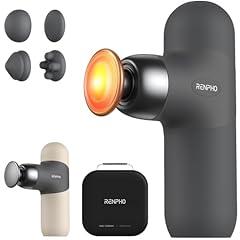
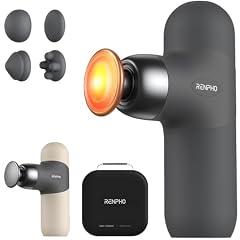
This is a compact rechargeable percussion massager for short, at-home muscle-comfort sessions. It has four stated speed settings from 1,800 to 3,000 r/min, 6 mm stated amplitude, four silicone head casings, a heated fixed metal head, USB-C charging, and a carrying case. RENPHO states that it weighs 356 g and has a 2,500 mAh, 18.5 Wh battery. Its defining safety features are documented in the manual rather than independently tested. The manual specifies a 10-minute automatic shutoff, locked-motor protection, overheat shutoff, and a heat setting stated as 46 C. It also recommends up to two minutes on stiff muscles and starting at the lowest speed. Human research on massage guns supports possible short-term flexibility and recovery benefits, but the evidence base remains limited and does not verify this specific product's performance claims.
What works
- The manual provides unusually specific exclusions for the head, face, throat, bones, varicose veins, inflamed areas, possible fractures, and recent surgical sites.
- Four defined speed levels, a 10-minute auto-off timer, locked-motor protection, and overheat shutoff support a more bounded home-use session.
- The stated 46 C heat setting and clear activation method make the thermal feature more concrete than an unspecified warming claim.
- A U.S. support phone number, email address, product registration record, and stated warranty create a workable support path.
What does not
- The manual contradicts itself by warning against the cervical vertebrae and spine while describing the claw casing for neck and spine-adjacent use. Treat the restriction as controlling.
- No product-specific report from an accredited independent laboratory was found to confirm speed, amplitude, force, noise, runtime, heat temperature, or protective shutoffs.
- No traceable UL, ETL, CSA, or TÜV listing for the exact product, battery pack, and charging setup was found in the searched public certification records.
- The battery is non-replaceable, the manual says there are no user-serviceable parts, and it does not provide a U.S.-specific take-back or recycling route.
Who is it for
It suits an adult who wants a small, rechargeable tool for cautious, short sessions on intact soft tissue such as large leg, glute, or shoulder muscles after ordinary activity. The compact stated 356 g size, carry case, four speeds, and 10-minute timer fit travel, desk, or gym-bag use. The most evidence-aligned expectation is temporary relaxation or a short-term flexibility and recovery aid, not treatment for an injury, persistent pain condition, or a performance guarantee.
Who is it not for
It is not appropriate for use on the head, face, throat, cervical spine, bones, varicose veins, inflamed or poorly circulated skin, wounds, suspected fractures, or unexplained abdominal pain. People who are pregnant, have blood-clot risk, fractures, heart disease, implanted pacemakers or defibrillators, metal implants, reduced heat sensation, or surgery within the prior 90 days should follow the manual's instruction to consult a clinician first. Children and people unable to use it safely without supervision should not use it independently.
Integrity
The safety documentation is comparatively detailed for a household massager. It says the product is not intended for medical use, identifies important contraindications, limits automatic runs to 10 minutes, and describes locked-motor and overheat shutdown. The heated head is manufacturer-stated at 46 C, yet no independent thermal or electrical test was found. The neck and spine-related attachment guidance conflicts with the warning section, so users should avoid those areas. The product is traceable in the FDA's device identifier database to Joicom Corporation, and RENPHO publishes U.S. support contact details and warranty information. No product-specific U.S. recall or public safety action was located in the searched sources. Its 18.5 Wh internal battery is non-replaceable. The manual says to dispose of it properly, but gives no U.S.-specific recycling route. Lithium-ion devices should not go in household trash or curbside recycling.
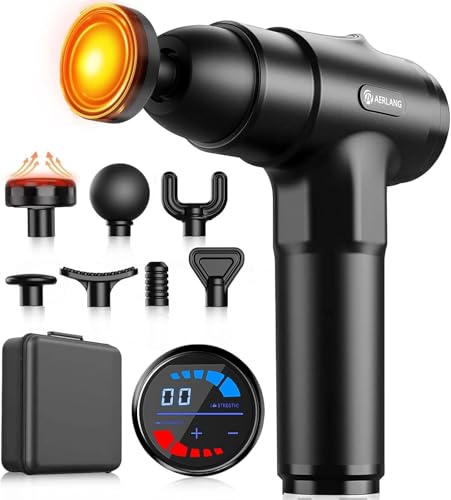
AERLANG Deep Tissue Massage Gun with Heat
Overview
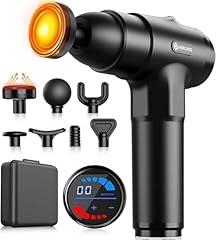
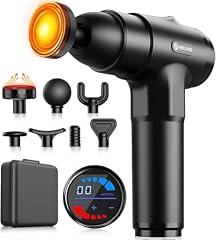
AERLANG EM13 is a handheld, battery-powered percussion massager in a plastic body, listed at about 2.2 pounds with a case and seven attachments. A reproduced product manual describes 20 speed settings, 1,400 to 3,200 rpm, a claimed 12 mm stroke, a pressure display, and automatic shutdown after 10 minutes. It is intended for brief, moving contact over muscle, not stationary pressure. These are manufacturer-stated specifications and were not verified in an independent product test. One attachment has its own rechargeable heat control, stated at 113, 122, and 131°F. Human research on massage guns supports only limited, short-term recovery outcomes, mainly flexibility and perceived soreness, and study quality has been limited. The unit gives useful controls, but its published material does not provide model-matched independent electrical certification, performance testing, or thermal testing. Aerlang materials also present conflicting speed ranges.
What works
- The published instructions provide 20 selectable speeds, a pressure display, and a 10-minute automatic shutoff, which can support gradual, time-bounded use.
- Seven attachments, including a separately powered heated head, give users different contact shapes for broad muscle areas and smaller soft-tissue areas, manufacturer-stated.
- The manual tells users to begin at the lowest setting, move the device rather than hold it in one place, keep it dry, and not operate it while charging.
- Evidence for the product category supports modest short-term flexibility and perceived-soreness benefits when percussion is used as recovery support.
What does not
- The published attachment guide says the fork head is for the neck and spine. That conflicts with conservative safety guidance to avoid the head, neck, spine, and bony areas.
- No exact-product UL, ETL, CSA, or TÜV listing was located, and no model-matched independent electrical, thermal, noise, runtime, force, or stroke test was found.
- The heated head is stated to reach 131°F, but no independent temperature test, thermal cutoff specification, or detailed skin-exposure time limit was located.
- The published instructions describe 1,400 to 3,200 rpm, while Aerlang's website has presented 1,600 to 2,600 rpm for the EM13. The conflicting specifications reduce confidence in the stated operating range.
- No specific massage-gun warranty term, repair pathway, battery service option, or battery recycling instruction was located.
Who is it for
This product fits a healthy adult who wants a portable percussion tool for temporary post-exercise muscle tightness or a short warm-up, and who is willing to use the lowest comfortable setting first. The 10-minute shutoff, pressure display, and multiple attachments may be useful for someone who wants to keep sessions brief and moving across large muscle groups such as the thighs, calves, glutes, or upper back. Its expected benefit is recovery comfort, not diagnosis or treatment of an injury.
Who is it not for
It is not well suited to people seeking treatment for persistent, severe, or unexplained pain, acute injury, or a medical condition. Avoid self-treatment over open wounds, inflamed tissue, reduced-sensation areas, the head, front or side of the neck, spine, or prominent bone. People with pregnancy, pacemakers or other implanted devices, circulation problems, suspected blood-clot risk, bleeding concerns, neuropathy, or recent surgery should seek clinician guidance first. The heat head adds another reason for caution when sensation is impaired.
Integrity
The available instructions identify a lithium-ion battery, plastic housing, separate charging for the heated head, and a 10-minute automatic shutoff. They also say not to run the product while charging and to keep it dry. An Aerlang support email is publicly listed, but a model-specific warranty term, U.S. responsible-party address, batch traceability details, and repair or battery-service program were not located in this review. No product-specific recall, CPSC safety warning, or FDA recall was located in searches completed on August 16, 2026. No model-matched independent electrical-safety listing or laboratory performance report was located either. The instructions do not provide a clear end-of-life route for the built-in lithium-ion battery or the heated attachment. Lithium-ion devices should not go into household trash or curbside recycling, and should instead be routed to a specialized battery recycler or household hazardous-waste program.
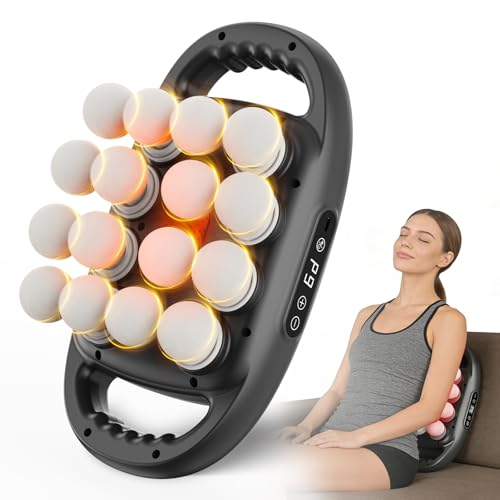
TROWRAP Deep Tissue Massage Gun Set
Overview
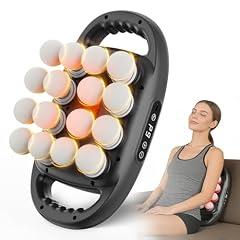
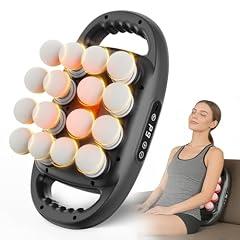
This is a battery-powered, handheld percussion massager with a broad 16-head contact array. Amazon lists it at 12 by 6 by 5 inches and 3.33 pounds. The listing identifies Wenzhou Yima Electronics as manufacturer and presents the unit for back, shoulder, leg, foot, and neck use. It is intended for self-massage of sore muscles and relaxation rather than diagnosis or treatment of a medical condition. Nine modes and nine speed settings, plus up to six hours of battery life, are manufacturer-stated listing claims. No product manual, charger label, independent laboratory report, or matched U.S. electrical-safety certification record was located. Human research on massage guns supports, at most, modest short-term flexibility or range-of-motion benefits. It does not establish this particular unit's output, appropriate routine, or pain-relief claim.
What works
- Amazon verifies a substantial handheld format, listed at 3.33 pounds.
- Nine manufacturer-stated speed settings give users some ability to begin conservatively.
- The product does not advertise a heated or cooled attachment, so it avoids a separate thermal skin-burn exposure.
- The maker and product model are named on the Amazon product-details page, providing a basic traceability starting point.
What does not
- No accessible product manual was located with clear exclusions for the head, front or side of neck, spine, wounds, acute injury, clot risk, impaired sensation, pregnancy, or implanted devices.
- The listing promotes neck use, although published massage-gun safety guidance identifies the neck and superficial nerves and vessels as areas to avoid.
- No matched UL, ETL, CSA, or TÜV certification listing was located for the product, charger, or battery pack.
- No product-specific independent test was found for speed, stroke, force, noise, runtime, or thermal performance.
- Warranty, repair options, battery chemistry, removal instructions, and recycling guidance were not found.
Who is it for
This format fits an adult who wants a relatively large, battery-powered self-massage tool for occasional use on accessible muscle groups such as the calves, thighs, glutes, upper back, or shoulders. The adjustable manufacturer-stated settings may suit someone willing to start at the lowest setting and limit treatment to short, comfortable sessions. It is most appropriate where the goal is temporary relaxation or mobility work, not treatment of a diagnosed injury, circulation problem, or persistent pain.
Who is it not for
It is not appropriate for use on the head, front or side of the neck, spine, open wounds, bruises, recent surgery, fractures, acutely inflamed tissue, or areas with reduced sensation. People with a clotting disorder, suspected deep-vein thrombosis, osteoporosis, neuropathy, cancer, pregnancy concerns, implanted medical devices, or unexplained pain should obtain clinician guidance first. Buyers who require a verified charger, independently tested performance, clear warranty coverage, or serviceable battery information should choose a product that documents those points.
Integrity
The health evidence for percussion massagers is limited and does not validate this product's specific design or output. Systematic-review evidence suggests possible short-term range-of-motion and flexibility benefits, while a controlled study found little recovery benefit from a five-minute post-exercise application. The listing's broad pain-relief language should therefore be read as a comfort claim, not proof of treatment. Its neck-use promotion is a meaningful safety concern because published guidance advises avoiding sensitive areas including the neck, spine, superficial nerves, and vessels. No matched independent electrical-safety certification, product-specific performance test, recall, or regulatory action was located for this product. The absence of a recall is not proof of safety. Battery chemistry, charging ratings, UN 38.3 documentation, repair options, and end-of-life instructions were also unavailable. EPA guidance says lithium-ion batteries and battery-containing devices should not go in household trash or curbside recycling, so users should seek a dedicated battery or e-waste collection route when the product reaches end of life.

Mini Massage Gun Deep Tissue
Overview
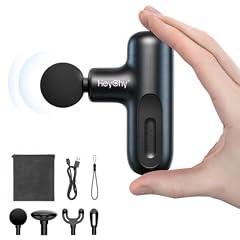
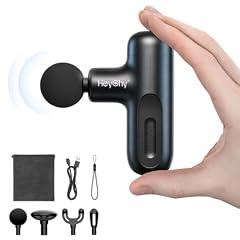
This is a palm-sized, rechargeable percussion massager for brief self-massage of soft tissue after activity or during everyday muscle tightness. The manufacturer-stated configuration is five speeds from 1,800 to 3,000 RPM, four silicone attachments, 7 mm stroke, a claimed 17.6 lb stall force, USB-C charging, and a 10-minute automatic shutoff. The stated dimensions are 4.8 by 2.8 by 1.5 inches. Human research on massage guns supports only limited, short-term outcomes such as flexibility and range-of-motion changes. Evidence for soreness or strength recovery is uncertain and dose findings are not ready-made instructions. No product-specific accredited laboratory report was located to verify the stated stroke, force, noise, runtime, or weight. A serious instruction conflict also remains, the manual says to avoid the spine but describes its U-shaped head as intended for the spine and neck.
What works
- Compact dimensions and a low stated weight make short self-massage sessions easier to carry between home, office, gym, or travel use.
- Five selectable speeds and a 10-minute automatic shutoff provide manufacturer-stated ways to begin conservatively and limit a single continuous session.
- Four silicone heads give a broad-contact and more focused-contact option, although attachment-specific benefit claims are not independently verified.
- The claimed 1,800 to 3,000 RPM range is clearly stated, rather than relying on undefined intensity labels.
What does not
- The safety instructions are incomplete for a percussion device and internally conflict on spine use. They say to avoid the spine while presenting the U-shaped head for the spine and neck.
- No traceable UL, ETL, CSA, or TÜV listing was located for this exact product, its charger, or its battery pack.
- No accredited independent test report was located for stroke, stall force, noise, runtime, or thermal performance. These remain manufacturer claims.
- The built-in lithium-polymer battery has no located removal instructions, recycling route, UN 38.3 test summary, or published replacement service.
- The health claims go beyond the limited product-specific evidence. Category research does not establish a reliable dose or clear soreness-recovery benefit for this unit.
Who is it for
This product fits an adult who wants a very compact, cordless tool for brief, light-to-moderate self-massage of accessible muscle bellies such as calves, thighs, forearms, or shoulders. It is most appropriate for someone who treats it as optional comfort support, starts at the lowest setting, keeps the head moving, and can stop if it feels painful or causes numbness. Its small stated size, five speed settings, and automatic 10-minute stop are practical for travel, desk, or gym-bag use rather than prolonged recovery sessions.
Who is it not for
It is not appropriate for use on the head, the front or side of the neck, the spine, bony areas, open wounds, inflamed skin, fractures, or an acute injury. People with a known or suspected blood clot, bleeding disorder, impaired sensation, neuropathy, pregnancy-related concerns, recent surgery, cancer in the treatment area, or unexplained pain should seek clinician guidance first. It also does not suit buyers who require independently verified electrical certification, charger traceability, measured performance data, repair support, or a documented battery recycling program.
Integrity
The health evidence supports modest expectations. Systematic reviews find possible short-term flexibility and range-of-motion benefits, but the underlying studies are limited and a recent dose review found uncertain effects on soreness and maximum-strength recovery. This product has no located human trial or accredited performance test. The manufacturer-stated 10-minute shutoff is a useful guardrail, but it does not resolve the contradictory directions about avoiding the spine while using a U-shaped neck and spine attachment. The product uses a built-in lithium-polymer battery and USB-C charging, but no traceable independent electrical-safety listing, battery test summary, charger model record, or end-of-life program was located. The manual does not provide battery removal or recycling directions. In the United States, lithium-ion and lithium-polymer batteries should not go into household trash or curbside recycling. No product-specific recall, CPSC warning, or FDA regulatory action was located in the searches performed.
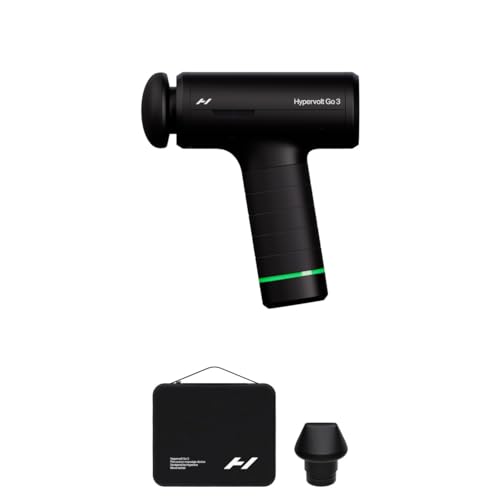
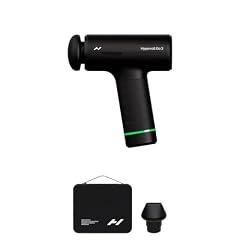
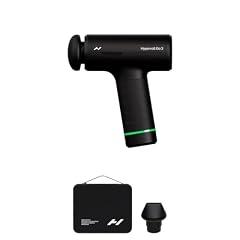
Hyperice Hypervolt Go 3 Massage Gun
Overview
This is a cordless, handheld percussion massager for brief use on soft muscle tissue. It weighs 1.6 pounds and includes flat and wedge heads, a carry case, and a USB-A to USB-C charging cable. Hyperice specifies five speeds from 1,500 to 2,500 pulses per minute, a 10 mm stroke, 45-pound stall-force claim, and a 30.6 Wh lithium-ion battery. Those performance figures are manufacturer-stated, not independently product-tested. The safety manual gives a usable conservative routine, light pressure for about 60 seconds per body region, with a one-hour maximum continuous run followed by 30 minutes of rest. Human research on massage guns supports possible short-term flexibility, range-of-motion, and soreness benefits, but the evidence base is limited and does not establish treatment of injuries or disease. The published manual lists average runtime as 2 or more hours depending on use, while marketing states up to 4 hours.
What works
- The manual gives unusually specific body-area limits, a light-pressure technique, an approximately 60-second regional routine, and a one-hour use limit.
- Five labeled speeds, a digital dial, speed indicators, and a three-light pressure sensor can help users begin gently. These are manufacturer-stated features.
- The product is compact at 1.6 pounds and includes a carry case and USB-C cable, according to Hyperice.
- Hyperice identifies a U.S. company address, phone support route, product model, and one-year limited warranty.
What does not
- No current product-specific ISO/IEC 17025 test report was found to independently confirm the advertised stroke, force, sound level, runtime, or weight.
- No matching listing for the complete product, charger, or battery pack was found in public U.S. UL, ETL, CSA, or TÜV certification registers. The available CE declaration is the maker's declaration for EU requirements, not independent U.S. listing evidence.
- The maker's broad recovery and pain-management language exceeds what the limited massage-gun evidence can firmly establish. Benefits should be understood as short-term comfort or mobility support.
- The built-in battery is not presented as user-replaceable. The manual directs qualified repair with identical parts, but does not provide a consumer battery-service pathway or a product-specific recycling take-back program.
Who is it for
This product suits an adult who wants a light, portable percussion tool for brief self-massage of accessible muscle areas after exercise, during travel, or before a mobility routine. It is most appropriate for someone willing to follow the manual closely, start at the lowest speed, use light pressure, and limit each area to roughly one minute. The 1.6-pound format, case, and USB-C charging are practical for a gym bag or carry-on. It is not a substitute for assessment of an injury or persistent pain.
Who is it not for
It is not for use on the head, spine, front or sides of the neck, joints, bony areas, groin, back of the knee, bruised skin, rashes, wounds, or an acute injury. People who are pregnant, have diabetes-related neuropathy or retinal damage, use a pacemaker, recently had surgery or joint replacement, have certain spinal conditions, epilepsy, migraines, metal implants, or an IUD should first obtain clinician approval. Children and frail users need adult supervision. Anyone needing independently verified electrical certification or measured performance specifications should look for documentation that identifies the exact product configuration.
Integrity
The strongest health feature is the detailed manufacturer safety guidance. It directs users to dry, clean soft tissue only, warns against the head, spine, front and sides of the neck, and injured or irritated skin, and identifies several conditions that call for clinician approval. It also warns about bruising, hair entanglement, water exposure, damaged cords, unattended charging, overheating, and battery fire or chemical-burn risks. The product uses a 7.2 V, 4,250 mAh, 30.6 Wh lithium-ion battery. Hyperice instructs users not to disassemble, incinerate, or overheat it, and to route the product to an appropriate e-waste or recycling facility. The manual notes that qualified repair should use identical parts, which is safer than improvised repair, but consumer battery replacement and a dedicated U.S. take-back route were not documented. The available EU declaration covers CE conformity and RoHS, but it is not a traceable independent U.S. electrical-safety listing.