
10 Best Dark Spot Remover for Face
 Lauren Wilson
Please note that we participate in affiliate marketing programs. When you purchase through links on our site, we may earn a commission. As an Amazon Associate we earn from qualifying purchases. This comes at no additional cost to you and helps support the resources required to provide valuable content.Advertising Disclosure
Top-rated Dark Spot Remover for Face Comparison
1

2
3
4
5
6
7
8
9
Dark spot removers for the face: what matters
Face products sold for dark spots generally aim to improve the appearance of uneven tone, post-blemish marks, or sun-associated discoloration. They do not all work in the same way. Some use brightening ingredients such as niacinamide, tranexamic acid, vitamin C derivatives, arbutin, kojic ingredients, or resorcinol derivatives. Others rely on retinoids, exfoliating acids, enzymes, or a combination of these. A moisturizer can also make skin look smoother and more even without having strong pigment-focused evidence.
The most useful starting point is a complete, current ingredient list. A headline percentage can be meaningful only when the ingredient form, finished-product concentration, and formula identity are clear. For example, a stated percentage may describe a solution rather than the pure active, or it may come from a manufacturer claim rather than a batch assay. Ingredient research also does not prove that the exact finished product will produce the same result. The strongest efficacy evidence is an independent, controlled human study of that product, with a stated duration, comparator, participant skin tones, standardized photographs or color measurement, and blinded assessment. Evidence for an ingredient or a different formula is not the same thing.
Retinoids and exfoliating acids need particular scrutiny. Buyers should look for the retinoid form and strength, gradual-use directions, interaction warnings, and appropriate precautionary advice. For alpha-hydroxy-acid products, usable concentration and final pH should be disclosed, along with the FDA-recommended sunburn warning, sunscreen directions, protective clothing advice, and reduced sun exposure. A daily instruction is not automatically appropriate for a strong leave-on acid. Patch testing and clear stop-use instructions are useful, but they do not replace finished-product tolerability testing such as an HRIPT or dermatologist-supervised repeat-insult patch test.
Safety claims also need separating from evidence. A label that does not list mercury or hydroquinone is not an accredited finished-product test. Stronger formula control would include an ISO/IEC 17025-accredited laboratory report, alongside checks of FDA skin-lightening test results, enforcement reports, warning letters, and Import Alert 66-38. Water-based serums, creams, and pre-soaked pads should have credible preservative, microbial-limit, packaging, expiration or period-after-opening, and stability controls. Look for ISO 11930 challenge testing, ISO 17516 microbial testing, and release or end-of-shelf-life data where available.
Environmental claims should be equally specific. “Eco,” “natural,” or “low waste” language is not enough without packaging specifications, recycled-content certification, a How2Recycle label, or evidence aligned with the FTC Green Guides and Association of Plastic Recyclers guidance. Disposable pads can create ongoing material waste even when they come in one jar; multiple small bottles can also add packaging components.
Across the supplied products, recurring cautions include irritation from retinol, acids, fragrance, essential oils, botanical extracts, witch hazel, alcohol, and high-strength niacinamide. Retinoids require extra caution during pregnancy or when trying to conceive. People with eczema, rosacea, dermatitis, a damaged barrier, fragrance or botanical allergies, or prior reactions should patch test and consider clinician guidance. Do not use cosmetic spot care for a changing, bleeding, painful, irregular, or otherwise suspicious mark; persistent pigmentation or diagnosed melasma also warrants professional assessment.
Integrity
These topics distinguish a cosmetic claim from evidence that a buyer can evaluate. The supplied scores reward stronger documentation and safer directions, but even a relatively high score does not mean that a product has independent batch testing or proven dark-spot results.
HHealth & Safety
Illegal lighteners and contaminant safety
This measures evidence that the finished product is free of mercury, undeclared hydroquinone, and other hazardous contamination, alongside a clean relevant regulatory history. That matters because dark-spot products can be marketed with lightening language. Higher-scoring products supplied more credible formula or regulatory controls; lower scores generally rested on ingredient labels and searches without an accredited finished-product contaminant report.
Low irritation risk
This considers the formula, directions, warnings, and tolerability evidence for acids, retinoids, fragrance, essential oils, and botanical extracts. Facial leave-on products can cause burning, dermatitis, allergy, or barrier damage, which may worsen the appearance of discoloration. Higher scores reflected less problematic formulas or better precautions; lower scores reflected multi-active, fragranced, or sensitizing formulas without finished-product patch-test evidence.
Sun-safety and exfoliant controls
This measures whether exfoliating products disclose usable concentration and pH, provide sunscreen and sunburn warnings, and avoid unnecessarily aggressive daily use. Sun exposure can worsen pigmentation, especially when skin is irritated or exfoliated. Higher scores reflected clearer SPF and gradual-use instructions; lower scores reflected strong acids, missing pH or concentration information, daily directions, or incomplete AHA sun warnings.
Active-ingredient use guidance
This measures whether retinoids and other potent actives are clearly identified and accompanied by gradual-use, interaction, and precaution advice. It matters because layering retinoids, acids, benzoyl peroxide, or several brighteners can increase irritation. Higher scores came from explicit schedules, patch testing, moisturizer and sunscreen guidance; lower scores reflected undisclosed strengths or missing pregnancy, nighttime, and interaction precautions.
Microbial quality and shelf-life protection
Water-based serums, creams, droppers, jars, and pre-soaked pads can become contaminated during manufacture or repeated use. This topic looks for preservation, microbial testing, package integrity, and expiration or period-after-opening controls. Higher scores indicated plausible preservative systems or better stated controls; lower scores reflected no public ISO 11930 challenge test, ISO 17516 result, expiry evidence, or shelf-life documentation.
EEvidence
Active stability and delivery
This assesses whether packaging and stability data protect light-, air-, pH-, and time-sensitive ingredients through shelf life. Vitamin C derivatives, retinoids, acids, and water-based formulas can lose usefulness if poorly protected. Higher scores reflected protective formats or stronger stability claims; lower scores reflected dropper exposure or no public accelerated, real-time, release, or end-of-shelf-life testing.
Transparent formula and strengths
This measures whether buyers can see a complete current INCI list and meaningful active concentrations or verifiable specifications. It matters because “brightening complex” language cannot reveal allergens, interactions, or likely exposure. Higher-scoring products disclosed full formulas and several active percentages; lower-scoring products had partial lists, conflicting listings, unnamed active forms, or percentages that were not independently assayed.
Honest dark-spot claims
This measures whether appearance claims stay within cosmetic boundaries and match the available evidence, rather than implying guaranteed treatment, bleaching, or medical authorization. Higher scores reflected qualified language such as improving the look of spots; lower scores reflected treatment-oriented or expansive claims without product-specific clinical support. Ingredient evidence alone does not validate a finished-product promise.
Independently proven visible results
This is the strongest efficacy test: independent, controlled human testing of the exact finished product over a stated period with objective assessment. Most supplied products had no such study, even when their ingredients had human research. A higher score reflected comparatively stronger reported evidence or product documentation; a lower score meant results remained unproven for that formula.
EEcology
Lower-waste packaging with credible eco claims
This measures whether packaging avoids unnecessary material and whether recycled content, refillability, or recyclability claims are specific and substantiated. The category includes disposable pads, jars, droppers, pumps, and multi-bottle sets, so format affects waste. Higher scores reflected more credible claim positioning; lower scores reflected no package-specific evidence. A compact container alone does not prove lower environmental impact.
Full reviews

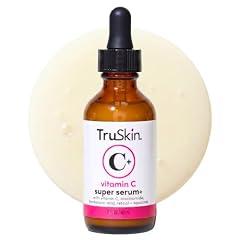
TruSkin Naturals Vitamin C Face Serum
Overview
This is a 2 fl oz water-based facial serum intended as an evening treatment for uneven tone, dark-spot appearance, fine lines, and dryness. The manufacturer directs users to apply 3 to 5 drops to clean skin, avoid the eyes, patch test 24 to 48 hours first, and begin two to three nights a week before building up use. Sunscreen is specifically recommended afterward. The manufacturer publishes a complete ingredient list. It identifies sodium ascorbyl phosphate, retinol, niacinamide, sodium hyaluronate, squalane, salicylic acid, rosehip oil, botanical extracts, grapefruit peel oil, phenoxyethanol, and sodium benzoate. It does not publish the concentrations of its vitamin C derivative, retinol, niacinamide, or salicylic acid, nor a finished-product clinical report for dark-spot results. No FDA recall, warning letter, or FDA laboratory listing for this product was located in the checked U.S. sources.
What works
- The current manufacturer ingredient list identifies the vitamin C form as sodium ascorbyl phosphate, rather than using vitamin C as an unspecified marketing term.
- Directions recognize retinol adjustment needs, with evening use, patch testing, a two to three night weekly start, and sunscreen advice.
- The formula combines humectant sodium hyaluronate and emollient squalane with the treatment ingredients, which can suit users seeking one multi-active nighttime step.
- No relevant FDA recall, warning letter, or FDA-tested mercury or hydroquinone listing was found in the checked U.S. regulatory sources.
What does not
- Retinol, salicylic acid, grapefruit peel oil, and several botanical extracts create a meaningful irritation or sensitization concern for reactive skin, despite the patch-test directions.
- The brand does not disclose retinol, sodium ascorbyl phosphate, niacinamide, salicylic acid concentration, final pH, or a finished-product certificate of analysis.
- No independent controlled human study or complete clinical report was found for this exact serum showing measurable improvement in dark-spot appearance.
- The product is described as clinically tested and dermatologist tested by the manufacturer, but no accessible protocol, laboratory report, or finished-product results were supplied for independent assessment.
- No publicly available preservative challenge test, microbiological limits report, shelf-life stability report, or packaging recyclability specification was located.
Who is it for
This serum suits an adult who already tolerates retinol or is prepared to introduce it carefully, wants a single nighttime product instead of separately layering vitamin C, niacinamide, hyaluronic acid, and an emollient, and is willing to use sunscreen consistently. The 2 fl oz size is practical for someone using only a few drops two to three nights weekly at first. It is most appropriate for cosmetic concerns such as dull-looking skin, mild uneven tone, and fine-line appearance, rather than for a diagnosed pigment disorder needing medical treatment.
Who is it not for
It is not a cautious choice for pregnant people, people trying to conceive, or those seeking pregnancy-compatible skin care because it contains retinol and the product directions do not give pregnancy precautions. People with rosacea, eczema, an impaired skin barrier, fragrance allergy, citrus sensitivity, or prior reactions to retinoids or salicylic acid should choose a simpler fragrance-free product. It also does not suit buyers who need disclosed active strengths, independent dark-spot trial results, or validated microbial and shelf-life documentation before using a water-based serum.
Integrity
The checked FDA sources did not identify this serum in the agency's laboratory table of skin-lightening products containing mercury or hydroquinone, and no relevant FDA recall or warning letter was located. That is reassuring regulatory context, but it is not the same as an independent batch test for mercury, hydroquinone, or other contaminants. The published formula contains retinol and salicylic acid, plus grapefruit peel oil and botanical extracts. Those ingredients can make a patch test, slow introduction, and daily sun protection especially important. The manufacturer states that the serum is cruelty-free and vegan-friendly, but no certification record from an issuing body was located during this review. The serum is sold in a dark glass dropper bottle, which offers some light protection and may be recyclable in part, but the mixed-material dropper complicates practical recycling. No recycled-content percentage, refill system, How2Recycle instruction, or substantiated environmental packaging claim was found. No public challenge-test, microbial-limit, or stability report was located for this water-based product.

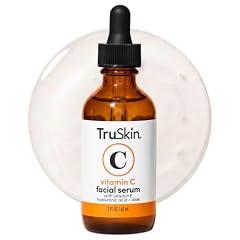
TruSkin Naturals Vitamin C Anti-Aging Serum
Overview
This is a 2 fl oz water-based facial serum sold for uneven-looking tone, dark-spot appearance, fine lines, and radiance. The manufacturer directs users to apply 3-5 drops to clean skin, avoid the eyes, then use moisturizer and sunscreen. It may be used on the face, neck, and backs of hands 1-2 times daily. The manufacturer’s current ingredient declaration identifies sodium ascorbyl phosphate, a vitamin C derivative, plus aloe, sodium hyaluronate, vitamin E, MSM, witch hazel water, jojoba oil, and several botanical extracts. The formula also names phenoxyethanol and ethylhexylglycerin as preservation-related ingredients. It identifies the vitamin C form but does not disclose its percentage, final pH, stability data, or public testing reports for the finished serum. No exact-product independent controlled clinical study demonstrating dark-spot improvement was located.
What works
- A current, full ingredient declaration identifies the vitamin C form as sodium ascorbyl phosphate.
- Manufacturer directions include a 24-48 hour patch test, eye-area avoidance, and sunscreen follow-up.
- The ingredient list contains aloe, humectants, sodium hyaluronate, and jojoba oil alongside the antioxidant ingredients.
- The product is not presented as an exfoliating acid or retinoid treatment, and its directions do not prescribe aggressive use.
What does not
- The vitamin C concentration, final pH, and finished-product stability testing are not publicly disclosed.
- No independent controlled human study of this exact serum was located, so dark-spot results remain unproven for this finished formula.
- Witch hazel, geranium extract, and other botanical extracts can complicate use for people with fragrance or botanical sensitivities, despite the unscented positioning.
- No public ISO 11930 challenge-test report, microbiological-limit report, or shelf-life data was located for this water-based dropper serum.
- No public finished-product laboratory report was located to independently verify freedom from mercury or undeclared hydroquinone.
Who is it for
This suits an adult who wants a straightforward 2 fl oz vitamin C derivative serum for dull-looking or uneven-looking skin and is comfortable adding sunscreen daily. It is most appropriate for someone who values a disclosed ingredient list, prefers to avoid retinoids and exfoliating acids in this step, and will patch test before regular use. The lightweight drop format also fits a routine that already includes moisturizer and broad-spectrum sun protection, rather than a routine expecting a serum alone to correct established pigmentation.
Who is it not for
It is not well suited to someone seeking a clinically demonstrated treatment for melasma, persistent hyperpigmentation, acne marks, or medically concerning changing spots. Those concerns can require individualized dermatology assessment and reliable daily sun protection. It is also a cautious choice for people with known reactions to witch hazel, geranium-derived ingredients, botanical extracts, or preservatives, because no public repeat-insult patch-test report was found. People who need disclosed vitamin C strength, pH, expiry evidence, or independent contamination testing should select a product that publishes those specifications.
Integrity
The formula declaration does not list hydroquinone or mercury, and no product-specific FDA warning, recall, or warning letter was located in the checked FDA resources. That is reassuring but not equivalent to independent finished-product contaminant testing. FDA warns that some products marketed for skin lightening or dark spots have contained unlawful mercury or hydroquinone, so a public laboratory report would provide stronger assurance than an ingredient list alone. The manufacturer calls the product clean and cruelty-free, but an issuing-body certification for this product was not verified. The formula uses a water-based preservative system, yet no public preservative-challenge test, microbiological-limit test, or real-time shelf-life report was found. The bottle-and-dropper format avoids finger dipping, but the brand does not provide public packaging material, recycled-content, refill, or recyclability evidence. Store it away from heat and sunlight, keep the dropper clean, and discontinue use if irritation occurs.

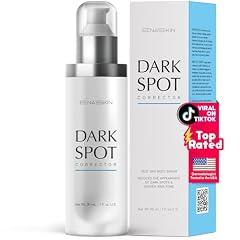
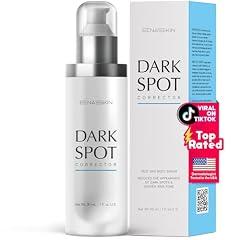
EnaSkin Dark Spot Remover Serum
Overview
This is a 1 fl oz leave-on serum marketed for the face and body, intended for morning and evening use on the appearance of dark spots, post-acne marks, sun spots, and uneven tone. The current product page directs daytime sunscreen use. The seller states that this version contains 5% tranexamic acid, 3% niacinamide, and 3.5% hexyl dipeptide-3 norleucine acetate, plus hydrating ingredients. Human studies have evaluated topical 5% tranexamic acid for melasma, but no independent controlled study of this exact finished serum was located. Formula verification is limited because EnaSkin's own site and an older federal label describe materially different dark-spot serum formulas, rather than a complete current ingredient declaration for this unit.
What works
- The stated 5% tranexamic acid concentration matches the concentration evaluated in controlled human melasma studies, although those studies did not test this serum.
- The current seller page provides specific claimed strengths for tranexamic acid and niacinamide rather than naming them without amounts.
- The seller instructs users to apply sunscreen during daytime use, an important part of managing visible discoloration and limiting pigment worsening.
- The current marketing language is framed around improving the look of spots and uneven tone, rather than guaranteeing bleaching or cure.
What does not
- No independent clinical study, standardized photography report, or blinded results for this exact finished serum was located.
- A complete current INCI ingredient list, final pH, and certificates of analysis were not available for the exact formulation reviewed.
- EnaSkin's own website and an older federal label list substantially different dark-spot serum formulas, creating uncertainty about the current composition.
- No public preservative challenge test, microbial limits report, stability study, expiration evidence, or finished-product irritation testing was located.
- The product page's cruelty-free and formula-exclusion statements were not backed by a certification registry or independent finished-product documentation located in this review.
Who is it for
This product fits an adult who wants a small, leave-on face and body serum for the cosmetic appearance of uneven tone, post-acne marks, or isolated dark spots, and who is prepared to use sunscreen consistently during the day. It is most relevant for someone comfortable treating the stated 5% tranexamic acid and 3% niacinamide amounts as manufacturer claims, not independently batch-verified specifications. A buyer should also be comfortable with an evidence base that supports the ingredient concentration, rather than this exact serum.
Who is it not for
It is not well suited to someone with very reactive skin, known contact allergies, active dermatitis, or a damaged skin barrier who needs completed repeat-insult patch testing and a fully current ingredient list before facial use. It is also a weak fit for anyone seeking medically supervised melasma treatment, rapid results, or independently demonstrated improvement from the finished product. Buyers who require lot-specific contaminant testing, a published expiration or shelf-life program, or certified cruelty-free and environmental claims will find important documentation missing.
Integrity
The current seller page says to use sunscreen during the day, which is a useful safeguard for any routine focused on visible pigmentation. Controlled studies support investigation of topical 5% tranexamic acid for melasma, but that evidence cannot establish how this particular multi-ingredient serum performs or how often it irritates users. No product-specific FDA recall, warning letter, or laboratory result for mercury or undeclared hydroquinone was located in the reviewed sources. That is not equivalent to independent contaminant clearance. Quality documentation is the main limitation. No public ISO 17025 contaminant report, preservative challenge test, microbiological limits test, stability report, or current full ingredient declaration for this exact formula was located. The seller makes cruelty-free and formula-exclusion claims, but no issuing-body certification record was identified. No packaging recycled-content, recyclability, refill, or other substantiated environmental claim was found, so the ecological impact of the single-use serum packaging cannot be meaningfully assessed.
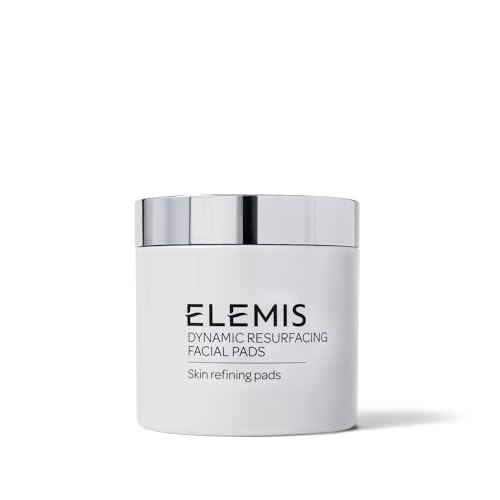
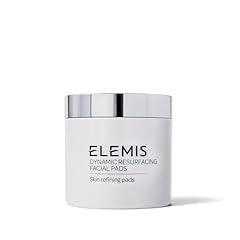
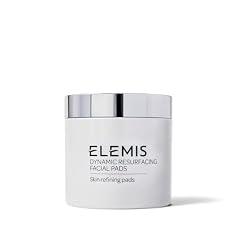
ELEMIS Dynamic Resurfacing Facial Pads
Overview
This product is a jar of 60 pre-soaked, textured leave-on facial pads. It is used after cleansing, with the textured side swept over the face, neck, and décolleté. Retail listings direct use morning and evening, followed by SPF in daytime. It is intended to exfoliate surface dead skin cells and improve the appearance of uneven texture, dullness, and dark spots. The formula is publicly disclosed and includes retailer-listed 1% lactic acid, plus papain, protease, subtilisin, and Lactococcus ferment lysate. The brand reports an independent 36-person, four-week clinical trial, including an appearance claim for uneven tone and dark spots. However, a full study report, objective pigment measurements, final pH, and batch testing are not publicly available. The product is fragranced and is a leave-on AHA treatment, which are its most important tolerability considerations.
What works
- The full ingredient list is publicly available, including lactic acid, enzymes, preservatives, and fragrance.
- A US beauty retailer lists 1% lactic acid, giving more active-strength detail than a typical undisclosed AHA formula.
- Directions include daily SPF follow-up, an important safeguard for a leave-on lactic acid product.
- The brand cites a 36-person, four-week independent clinical trial for visible resurfacing and dark-spot appearance claims, though the complete report is not public.
What does not
- Fragrance is included in a leave-on facial treatment, which can be a sensitization concern for fragrance-reactive skin.
- Morning-and-night exfoliation may be too frequent for compromised, very dry, or easily irritated skin.
- The manufacturer does not publicly provide the formula pH, final-product stability data, or an AHA certificate of analysis.
- The reported clinical evidence is not published as a complete independent study with disclosed methods, controls, or objective pigment measurements.
- The jar and individual disposable pads create ongoing material waste, and US-specific recyclability details were not verified.
Who is it for
This product suits an adult already comfortable using leave-on AHA exfoliants who wants a ready-to-use, non-rinse pad format for rough texture, dullness, or the appearance of uneven tone. The 60-pad jar is most practical for a routine that can consistently include sunscreen, because the stated use is daily and daytime SPF is specifically advised. It is also relevant for buyers who value a disclosed ingredient list and a stated 1% lactic acid level, while accepting that the clinical documentation is limited to summarized brand claims.
Who is it not for
It is not well suited to people with an impaired skin barrier, active eczema, rosacea flares, known fragrance allergy, or a history of burning from acids or enzyme products. People using prescription retinoids, strong exfoliants, benzoyl peroxide, or aftercare from peels, waxing, or procedures should not assume twice-daily use is appropriate without individualized advice. It also does not fit buyers seeking a fragrance-free product, a product with published pH and stability testing, or independently published evidence of measured pigment reduction across varied skin tones.
Integrity
The disclosed formula does not list hydroquinone or mercury. Searches of FDA cosmetic warning-letter and skin-lightening product testing resources did not identify this product or brand as a named enforcement or contamination case. That is reassuring but not equivalent to a finished-product mercury or hydroquinone laboratory report. The formula contains lactic acid and several enzymes, plus fragrance. FDA notes that topical AHAs can raise sun sensitivity, so the SPF follow-up direction is important. The public formula also contains several conventional preservatives, but no public ISO preservative-challenge or microbiological test report was located. Packaging information from Elemis varies by market. One official regional page identifies the 60-pad jar as PET plastic with a PP closure, while another lists the jar and pads as general waste. Neither provides verified US recycled-content or refill information for this product. The single-use pads remain a recurring waste stream, and local acceptance of the jar components can vary.

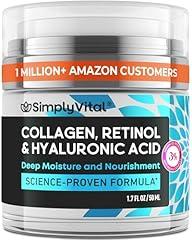
SimplyVital Collagen Face Moisturizer Cream - 1.7oz
Overview
This is a 1.7-fluid-ounce face and neck moisturizer with retinol, hydrolyzed marine collagen, hyaluronic acid, plant oils, aloe, and vitamin E. The brand presents it as a day and night cream for hydration, smoother-looking skin, and visible firmness. Its directions call for application to clean, dry skin, with a slow start of one to two times weekly for sensitive skin, patch testing, daytime SPF, and stopping if irritation occurs. An independently posted ingredient record supports the presence of retinol, hyaluronic acid, marine collagen, phenoxyethanol, potassium sorbate, and imidazolidinyl urea. It also identifies the formula as fragrance-free. The retinol percentage, product pH, shelf-life testing, preservative challenge testing, and finished-product clinical testing were not publicly located. Retinol has human evidence for photoaging at known concentrations, but that ingredient evidence cannot establish results from this specific cream.
What works
- The independently posted ingredient list identifies a fragrance-free formula, which avoids added fragrance exposure.
- The brand gives usable retinol precautions, including patch testing, slow introduction for sensitive skin, daytime SPF, and discontinuation for irritation.
- The ingredient list includes several moisture-supporting components, including hyaluronic acid, aloe, emollient oils, and caprylic/capric triglyceride.
- The product identifies retinol by name rather than relying only on a vague vitamin A claim.
What does not
- The retinol concentration is not disclosed, so expected strength, irritation risk, and likely efficacy cannot be assessed precisely.
- No independent controlled human study, standardized photography study, or clinical report for this exact product was located.
- No public finished-product laboratory report was located for mercury, hydroquinone, microbial limits, preservative efficacy, stability, or end-of-shelf-life retinol potency.
- The formula contains hydrolyzed marine collagen and imidazolidinyl urea, which may matter to people with fish-derived ingredient concerns or known preservative sensitivities.
- The directions do not state pregnancy precautions or practical guidance about avoiding other potentially irritating retinoids and exfoliants.
Who is it for
This product suits an adult seeking a mid-size, fragrance-free moisturizing cream that introduces retinol cautiously rather than presenting itself as a high-strength treatment. It is most relevant for people with mild uneven texture, early fine lines, or dryness who can use daily sunscreen and are willing to patch test first. The emollient and humectant-heavy ingredient list may be useful for normal to dry skin. Buyers should treat the firming and anti-aging language as cosmetic appearance claims, not evidence of a proven dark-spot treatment.
Who is it not for
It is not well suited to people who are pregnant, trying to conceive, or who have been advised to avoid retinoids. People with active eczema, rosacea, marked facial inflammation, very reactive skin, or a history of preservative or chamomile sensitivity should be cautious and consider clinician guidance. It is also a poor fit for anyone needing a documented retinol percentage, formal allergy testing, verified microbial testing, or controlled evidence that this exact cream fades dark spots. Those avoiding fish-derived ingredients should note the hydrolyzed marine collagen.
Integrity
The product does not appear in the FDA table of skin-lightening products tested positive for mercury or hydroquinone, and the independently posted ingredient list does not identify either substance. That is reassuring but is not the same as a finished-product contaminant test. No relevant FDA recall or warning letter was located in the searches performed. The formula is fragrance-free according to an independently posted ingredient record, while retinol use still creates a meaningful irritation and sun-sensitivity consideration. The brand's instructions include patch testing, gradual introduction, stopping for irritation, and daytime SPF. Those are useful controls, although pregnancy advice, retinol percentage, and layering guidance are absent. The water-based cream has listed preservatives, but no public challenge-test, microbial-limit, stability, or expiration evidence was found. No substantiated recycled-content, refill, recyclability, or other environmental packaging claim was located.

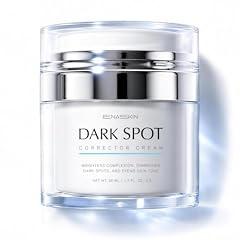
EnaSkin Dark Spot Corrector Cream
Overview
This is a 1.7-ounce leave-on cream for applying to individual dark spots on the face or body. The current manufacturer page directs users to massage in a pea-sized amount after cleansing, twice daily, and recommends a small patch test before first use. It is positioned for the appearance of age spots, freckles, uneven tone, and hyperpigmentation. The manufacturer’s current ingredient list identifies niacinamide, 3-O-ethyl ascorbic acid, alpha-arbutin, salicylic acid, 4-butylresorcinol, licorice-derived dipotassium glycyrrhizate, kelp extract, and fragrance. Concentrations, final pH, product stability data, and finished-product clinical results were not provided. Documentation is inconsistent, because an FDA-hosted 2023 EnaSkin label describes a different liquid formula and lists an unapproved drug marketing status.
What works
- The manufacturer provides a current full ingredient list rather than relying only on broad brightening claims.
- The listed formula contains several ingredients with human evidence in other products for improving the appearance of hyperpigmentation, including niacinamide and 4-butylresorcinol.
- Directions specify a small, targeted amount and advise a patch test before full use.
- The FDA-hosted label for the related EnaSkin dark spot corrector includes stop-use advice for irritation and precautions for damaged skin, eyes, children, and pregnancy or breastfeeding.
What does not
- No independent clinical study was located for this exact cream, so visible-result claims are not independently established.
- The current formula lists fragrance, salicylic acid, and multiple botanical extracts, which can be problematic for fragrance-sensitive or easily irritated skin.
- The manufacturer does not disclose active concentrations, salicylic acid strength, final pH, sunscreen guidance, or interaction guidance for other exfoliants and retinoids.
- No finished-product reports were located for mercury or hydroquinone screening, microbial limits, preservative challenge testing, shelf-life stability, or packaging recyclability.
- An FDA-hosted 2023 label for a differently formulated EnaSkin dark spot corrector identifies it as an unapproved drug other, creating a regulatory and documentation concern for dark-spot treatment claims.
Who is it for
This product suits an adult who wants a small leave-on cream for applying only to localized dark marks on the face or body, rather than using a full-face exfoliant. It may fit someone comfortable patch testing a fragranced formula and introducing it cautiously into a simple routine. The listed ingredient profile is relevant to buyers seeking cosmetic brightening ingredients such as niacinamide, alpha-arbutin, vitamin C derivative, and 4-butylresorcinol. Expectations should remain limited because the exact cream has no located independent human efficacy study or disclosed active strengths.
Who is it not for
It is not well suited to people with fragrance allergy, active eczema, rosacea-prone skin, a damaged skin barrier, or a history of reactions to salicylic acid or botanical extracts. People already using prescription retinoids, exfoliating acids, peels, or strong acne treatments need clearer interaction and gradual-use directions than are supplied here. It is also unsuitable for anyone seeking independently verified mercury and hydroquinone screening, clinical proof for this exact formula, or clear batch-level microbial and shelf-life documentation. Pregnant or breastfeeding users should seek clinician advice, consistent with the related product label.
Integrity
The current manufacturer list does not name hydroquinone or mercury, and this product does not appear in FDA’s published table of skin-lightening products tested and found to contain mercury or hydroquinone. That is not equivalent to a clean laboratory result. No ISO-accredited finished-product report for mercury or hydroquinone was located. FDA warns that some skin-lightening products have contained these substances, so transparent testing would be especially useful for this product category. Fragrance, salicylic acid, and numerous plant extracts are listed in the current formula. Patch testing is sensible, but the product lacks disclosed exfoliant strength, pH, and sun-protection instructions. No certification, recycled-content claim, refill system, packaging material specification, or credible recyclability instruction was found. No preservative challenge test, microbial limits report, or real-time stability report was located for this water-based cream.

QRxLabs Glycolic Acid Resurfacing Pads
Overview
This is a jar of 50 pre-soaked, leave-on treatment pads for the face or body. QRxLabs states that each formula uses 20% glycolic acid and directs users to wipe a cleansed area, let it dry, and apply other products afterward. The listed formula includes glycolic acid, witch hazel water, glycerin, panthenol, calendula, green tea, allantoin, phenoxyethanol, eucalyptus oil, and spearmint oil. The useful transparency is the disclosed glycolic-acid percentage and full ingredient list. However, the brand does not publish finished-product pH, stability data, preservative-challenge testing, or independent clinical results for these exact pads. Its current product page says daily use, while other brand guidance recommends starting two to three times weekly or limiting this 20% product to one or two times weekly with retinol. That inconsistency matters for a strong leave-on acid.
What works
- The manufacturer discloses a full ingredient list and a specific 20% glycolic-acid concentration.
- The 50 ready-soaked pads provide a measured application format without pouring from a bottle.
- The formula includes humectant and soothing ingredients such as glycerin, panthenol, allantoin, calendula, and green tea.
- The manufacturer provides patch-test, eye-avoidance, storage, and stop-use-if-irritated instructions.
What does not
- A 20% leave-on glycolic-acid product exceeds the 10% concentration addressed in FDA and CIR consumer-use guidance, and the finished-product pH is not published.
- The current directions say daily use, but the brand's other guidance recommends substantially less frequent use for this strength.
- The formula contains eucalyptus and spearmint oils, which add sensitization potential for reactive or fragrance-sensitive skin.
- No independent clinical study, finished-product contaminant report, stability report, or microbial challenge-test report was located for these exact pads.
Who is it for
This product suits an experienced adult user seeking a convenient at-home glycolic-acid pad for rough texture, dullness, or the appearance of post-breakout marks on limited areas of face or body. The 50-pad jar is practical for someone who already tolerates leave-on acids, can begin slowly despite the daily-use listing, and will use broad-spectrum sun protection. It is most appropriate for a buyer who values disclosed glycolic-acid strength and an ingredient list, while accepting that final pH and product-specific clinical data are not publicly available.
Who is it not for
It is not suited to beginners with exfoliating acids, people with eczema, rosacea, a damaged skin barrier, active dermatitis, or known fragrance and essential-oil sensitivity. The strong 20% leave-on acid and eucalyptus and spearmint oils can make stinging, redness, or peeling more likely. People using prescription retinoids, benzoyl peroxide, other acids, or recently using a peel, wax, or abrasive scrub should avoid routine layering without clinician guidance. It is also a poor fit for anyone unable to follow consistent sun-protection practices.
Integrity
The disclosed formula does not list hydroquinone or mercury, and FDA searches reviewed for this assessment did not identify this product in the agency's tested skin-lightening table or find a QRxLabs or Silbonita recall or warning letter. That is reassuring but not equivalent to an independent laboratory certificate for the finished product. No recognized third-party certification or finished-product test report was located to verify the catalog's cruelty-free or silicone-free claims. The main health concern is use control. FDA advises sun protection for AHA cosmetics, and its cited consumer-use conditions address glycolic acid at 10% or less and pH 3.5 or higher. These pads are manufacturer-stated at 20%, with no public pH and no visible FDA-style sunburn alert on the current brand page. The jar contains 50 disposable non-woven pads. No recycled-content, refill, resin-identification, or recyclability evidence was found, so the packaging's end-of-life impact is unclear.

Eva Naturals Retinol Anti-Aging Face Serum
Overview
This is a 2 fl oz water-based facial retinol serum intended for use after cleansing, followed by moisturizer. The manufacturer directs users to apply a small amount across the face, neck and décolletage, and its current ingredient declaration lists retinol, aloe juice, witch hazel water, glycerin, jojoba oil, wheat germ oil, vitamin E, green tea and several preservatives. The product is marketed for fine lines, uneven tone, dark spots and blemishes. Those outcome claims are manufacturer-stated, not supported by a located independent controlled study of this exact serum. Its public formula disclosure is useful, but the current product page does not state retinol strength, final pH, shelf-life testing, stability testing, or finished-product microbial testing. Historical retail and brand materials have used a 2.5% retinol description, while the current manufacturer page omits a percentage, so the dose cannot be confirmed from current documentation.
What works
- The current manufacturer page provides a full named ingredient declaration rather than only a short marketing list.
- Retinol is explicitly identified in the formula, alongside humectant glycerin and emollient jojoba oil.
- The water-based formula lists a multi-part preservative system, including phenoxyethanol, ethylhexylglycerin, potassium sorbate and sodium benzoate.
- A 2 fl oz format provides a comparatively substantial amount for face, neck and décolletage use.
What does not
- No independent controlled human study of this exact product was located for dark spots, fine lines or acne-related results.
- The current manufacturer page does not disclose retinol concentration, final pH, stability data, or finished-product microbial challenge testing.
- Directions permit morning use and do not provide gradual-start, sunscreen, pregnancy, or active-layering guidance appropriate to a retinol serum.
- Witch hazel, alcohol, propolis and multiple botanical ingredients can be problematic for some reactive or allergy-prone skin, despite the fragrance-free positioning.
- Claims that it clears blemishes, boosts collagen and fades dark spots are broader than the public product-specific evidence located.
Who is it for
This product suits an experienced adult skin-care user seeking a large-format, water-based retinol serum for mild texture, fine-line or uneven-tone concerns, and who can introduce it conservatively within an established evening routine. It is most appropriate for someone willing to patch test, use moisturizer, and add daily broad-spectrum sun protection independently because those safeguards are not clearly built into the product directions. The listed glycerin, aloe and jojoba oil may also appeal to users who prefer a retinol formula with supporting humectant and emollient ingredients.
Who is it not for
It is not well suited to pregnant people, people trying to conceive, or those who need clinician-directed pregnancy-safe skin care, because dermatology guidance advises avoiding retinoids during pregnancy. It is also a poor fit for very sensitive, eczema-prone, rosacea-prone or propolis-allergic skin without professional input. Beginners who need precise retinol strength, step-up scheduling, interaction instructions, or clear sunscreen guidance should select a product with that information. Avoid applying to damaged skin, and stop use if persistent burning, rash or swelling occurs.
Integrity
No FDA recall, warning letter, import alert listing, or public FDA laboratory finding specific to this product was located in the searches performed. That is not the same as independent verification that the finished serum is free of mercury, undeclared hydroquinone or other contamination. The manufacturer does publish a current ingredient list and names several preservatives, but it does not publicly provide batch certificates, ISO challenge-test results, expiry controls, or laboratory contaminant reports. Retinol can irritate skin and may make irritation-related dark marks more likely, particularly in deeper skin tones. Dermatology guidance favors starting slowly, using retinoids at night and maintaining sun protection. The product's instructions allow morning or night use without those details. No credible recycled-content, refill, recyclability or third-party environmental certification evidence was located for this product's packaging, so its ecological footprint cannot be meaningfully characterized from public documentation.

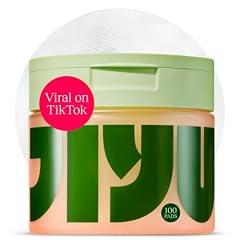
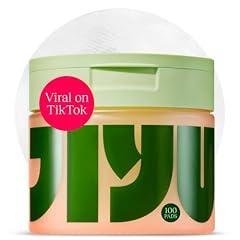
Jiyu Korean Skin Care Toner Pads
Overview
This is a jar of 100 pre-soaked facial toner pads containing 150 mL, or 5.07 fl oz, of leave-on liquid. The manufacturer directs users to swipe one pad over cleansed skin, avoid the eye area, leave the essence on, and use it morning and night. It also suggests leaving a pad on targeted areas for 10 to 15 minutes. The manufacturer publishes a full ingredient list. It places niacinamide near the top and lists maltobionic acid, alpha-arbutin, a vitamin C derivative, peptides, centella, snail secretion filtrate, phenoxyethanol, menthyl lactate, and eucalyptus oil. It says the formula is retinoid-free, hydroquinone-free, dermatologist-tested, and hypoallergenic, but no independent finished-product test reports, concentration data, pH data, or clinical-study report were located. Claims of visible dark-spot and wrinkle improvement in four to eight weeks therefore remain manufacturer claims.
What works
- A current, detailed ingredient list is published, allowing users to identify ingredients such as snail secretion filtrate, eucalyptus oil, alpha-arbutin, and phenoxyethanol before use.
- The published formula and the manufacturer's FAQ both indicate no retinoid or hydroquinone ingredients, which is useful information for people deliberately avoiding those ingredients.
- The manufacturer gives concrete use directions for a no-rinse pad format, including eye-area avoidance and twice-daily application.
- The water-based formula lists phenoxyethanol and ethylhexylglycerin, a plausible preservative system, although finished-product microbiological testing was not provided.
What does not
- No independent laboratory report was located for mercury or undeclared hydroquinone in the finished product. The manufacturer's hydroquinone-free statement is not a substitute for batch testing.
- The manufacturer claims dermatologist testing and clinical support, but no test protocol, patch-test report, participant data, or controlled clinical study of this exact product was located.
- Maltobionic acid is listed, but its concentration and the finished formula pH are not disclosed. The available directions also do not provide a specific sun-safety warning or sunscreen instruction.
- Eucalyptus oil and menthyl lactate are present in a leave-on formula marketed for twice-daily use and optional 10 to 15 minute masking. This is a concrete sensitization concern for reactive skin, despite the hypoallergenic claim.
- The jar contains 100 disposable pads, and no evidence was located for recycled content, refillability, or a packaging recycling program.
Who is it for
This product is most relevant to an adult who wants a ready-to-use, no-rinse toner pad and can tolerate a multicomponent leave-on formula. It provides a disclosed list that includes niacinamide, alpha-arbutin, centella, snail secretion filtrate, peptides, and a vitamin C derivative, without listed retinoids or hydroquinone. It may fit someone who already uses broad-spectrum sunscreen daily, will patch test first, and accepts that claimed dark-spot results are not backed by a publicly available independent study of this exact product.
Who is it not for
It is not well suited to people with eczema, rosacea, a damaged skin barrier, known fragrance or essential-oil sensitivity, or prior reactions to snail-derived ingredients. The formula includes eucalyptus oil and menthyl lactate in a leave-on product intended for twice-daily use, with an optional 10 to 15 minute contact treatment. It is also a poor fit for buyers who need disclosed active concentrations, finished-product pH, independently verified mercury and hydroquinone testing, or controlled human evidence before using a dark-spot product.
Integrity
The published ingredient list does not include mercury, hydroquinone, or retinoids, and the manufacturer states that the product is hydroquinone-free and cruelty-free. No relevant FDA warning, recall, or FDA laboratory listing for this product was located in the reviewed FDA sources. That is not equivalent to independent safety clearance, because no finished-product mercury or hydroquinone laboratory report, microbial challenge test, stability report, or dermatologist-supervised patch-test report was made public. The liquid is water-based and preserved with phenoxyethanol and ethylhexylglycerin, but the manufacturer does not publish shelf-life validation, lot-specific testing, or package contamination controls. The formula also contains eucalyptus oil and menthyl lactate, which warrant extra caution for sensitized skin. Ecologically, the product is sold in a reusable jar but relies on 100 disposable pads. No substantiated recycled-content, refill, recyclability, or third-party environmental certification claim was located.

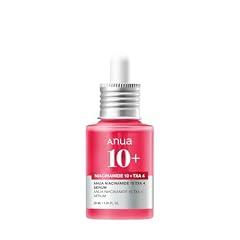
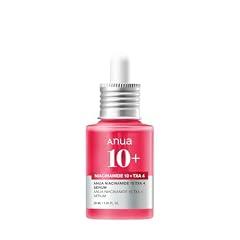
ANUA Niacinamide + TXA Facial Serum
Overview
This is a 30 mL facial dropper serum for uneven-looking tone, post-breakout marks, dullness, and the appearance of dark spots. The manufacturer states that it contains 10% niacinamide, 4% tranexamic acid, and 2% arbutin, in a water-based formula that also includes multiple humectants, ceramide NP, hyaluronic-acid forms, botanical extracts, oils, and betaine salicylate. The current US product page provides a full ingredient declaration and directs users to apply a few drops morning and night before moisturizer, with SPF 30+ in daytime. It is presented as fragrance-free and low-irritation, but the product page does not provide the underlying repeat-insult patch-test report, stability data, preservative challenge testing, or an independent clinical report for this exact serum. Human trials support topical niacinamide and tranexamic-acid combinations generally, but those tested formulations were not this product.
What works
- The manufacturer discloses both headline active concentrations, 10% niacinamide and 4% tranexamic acid, rather than relying only on an ingredient list.
- A complete current ingredient list is available from the manufacturer, which helps users identify known sensitivities before use.
- Daytime SPF 30+ use is explicitly included in the manufacturer directions, an important control when addressing visible pigmentation.
- The formula is manufacturer-stated fragrance-free, without parfum listed in the published ingredient declaration.
- Published controlled human studies support niacinamide and tranexamic-acid combinations for facial hyperpigmentation, although not this exact serum.
What does not
- No independent controlled human study or complete clinical report for this exact finished product was located, so its visible-results claims remain unconfirmed at product level.
- The formula combines high-level niacinamide with betaine salicylate, plant extracts, and several plant oils, which can be difficult for very reactive or allergy-prone skin even without added fragrance.
- The manufacturer states low irritation and clinical testing, but does not publish a dermatologist-supervised patch-test report or methods on the product page.
- No finished-product mercury or hydroquinone laboratory report, microbial challenge test, microbiological limits test, or shelf-life stability report was located.
- No specific recyclability, recycled-content, refill, or third-party environmental certification information was found for the product packaging.
Who is it for
This product is suited to an adult building a daily cosmetic routine for post-blemish marks, uneven-looking tone, or dullness who wants disclosed niacinamide and tranexamic-acid percentages in a 30 mL lightweight serum. It fits users who can consistently apply a separate broad-spectrum sunscreen, introduce actives gradually, and screen the published ingredient list for personal triggers. It may also suit someone who prefers a formula presented as fragrance-free but still wants hydrating support from glycerin, panthenol, ceramide, and several hyaluronic-acid forms.
Who is it not for
It is not a straightforward option for people with a history of reactions to niacinamide, salicylates, botanical extracts, seed oils, or complex multi-ingredient formulas. People with an actively compromised skin barrier, facial eczema, unexplained burning, or severe acne irritation should avoid adding several brightening and exfoliating ingredients at once. It is also not a substitute for medical assessment of new, changing, widespread, or melasma-like pigmentation. Buyers who require publicly available batch testing, preservative challenge data, exact pH, or independently verified clinical results for the finished product will find key evidence missing.
Integrity
The published formula does not list mercury or hydroquinone, and this product was not identified in the FDA consumer table of skin-lightening products tested positive for mercury or hydroquinone. That is reassuring screening information, but it is not equivalent to an independent finished-product contaminant report. The formula is manufacturer-stated fragrance-free and includes 10% niacinamide, 4% tranexamic acid, arbutin, and betaine salicylate. Sensitive users should still patch test because fragrance-free does not eliminate allergy or irritation risk from active ingredients, oils, and botanical extracts. The manufacturer publishes the ingredient list and use directions, including daily sunscreen advice, but did not make microbial, stability, pH, or preservative-efficacy documentation available in the materials reviewed. Its cruelty-free statement is not accompanied there by an issuer-backed certification record. No product-specific recycling instructions, refill system, recycled-content claim, or independently verified environmental packaging claim was found. The dropper format also leaves packaging and end-of-life performance insufficiently documented.