
10 Best C8 Mct Oil
 Lauren Wilson
Please note that we participate in affiliate marketing programs. When you purchase through links on our site, we may earn a commission. As an Amazon Associate we earn from qualifying purchases. This comes at no additional cost to you and helps support the resources required to provide valuable content.Advertising Disclosure
Top-rated C8 Mct Oil Comparison
1

2
4
5
6
7
8
9
Overview
C8 MCT oil is a concentrated source of medium-chain triglycerides, usually sold as a liquid oil, powder, or softgel. C8 means caprylic acid; C10 means capric acid, and some products also contain C12 or C6. Human research in the supplied reviews supports MCTs and especially C8-rich oils as capable of raising circulating ketones. That does not establish guaranteed energy, weight-loss, athletic, brain, mood, or disease-treatment benefits.
The first buying decision is whether the product actually delivers the advertised fatty acids. A headline such as “100% C8,” “95% C8,” or “14 g MCTs” can describe the manufacturer’s target, the total powder weight, or the total oil rather than a verified amount of C8 in the bottle. Powders may contain tapioca or acacia fiber, sodium caseinate, lecithin, silica, flavors, sweeteners, or other carriers. A clear label should separate C8, C10, C12, and C6, state the serving size, and distinguish oil grams from total powder weight. A lot-specific fatty-acid profile using a validated gas-chromatography method is stronger evidence than a typical composition printed on a label.
Testing should be current, matched to the exact lot, and accessible to the buyer. The strongest supplied examples included certificates reporting C8 and C10 amounts, heavy metals, pesticide compliance, microbiological results, and peroxide value. Still, a posted certificate is not automatically independent: buyers should be able to identify the laboratory and confirm its ISO/IEC 17025 accreditation scope through the relevant accreditor. Claims such as “third-party tested,” “lab tested,” or “FDA-registered facility” are not substitutes for a named laboratory, methods, lot number, and results. For oil freshness, peroxide value is useful, but a fuller oxidation picture may also include p-anisidine or related measures.
The label should make the product’s nutrition and use limits easy to understand. Liquid servings commonly add about 120–130 calories and roughly 14 g saturated fat per tablespoon. Powders can add carbohydrate, fiber, sodium, milk ingredients, and calories even when marketed as C8 oil. A product with gradual-start instructions often beginning around half a serving, a teaspoon, or about 5 g of C8 is more practical for people testing tolerance than one that immediately suggests a full tablespoon or several tablespoons daily.
Certifications need the same scrutiny. Organic, non-GMO, vegan, gluten-free, sport, kosher, and similar badges are meaningful only when the actual product appears in the issuer’s public register and the certificate’s scope matches the claim. The supplied reviews also show why ingredient and allergen checks matter: some powders contain milk-derived sodium caseinate, and some softgels are described as vegan while their ingredient information lists bovine gelatin.
Across the supplied products, recurring safety concerns include diarrhea, cramping, nausea, bloating, or stomach discomfort, especially when intake rises quickly. People with coconut allergy should avoid coconut-derived products; those with milk allergy should avoid milk-containing powders. Several products carry California lead-exposure warnings without publishing the measured amount. Anyone pregnant, nursing, managing a medical condition, taking prescription medicines, following a medically supervised ketogenic diet, or trying to minimize lead exposure should obtain individualized clinical guidance. MCT oil is a calorie-dense saturated fat, not a risk-free treatment or replacement for prescribed care.
Integrity
These topics distinguish a plainly labeled MCT product from one supported by accessible, product-specific evidence. Scores reflect the supplied reviews; higher-scoring products generally provided more specific documentation, while lower-scoring products relied more heavily on brand statements or left important details unresolved.
EEvidence
Independent lot testing
This measures whether the exact current lot has an accessible, complete certificate from an independent accredited laboratory. A high score requires more than “third-party tested”: the report should identify the lot, date, methods, laboratory, and accreditation scope. The strongest supplied products posted lot reports; others had registry listings or testing promises but no public full certificate.
Verified C8 content and dose
This asks whether the advertised C8 percentage and grams per serving are analytically supported and clearly distinguished from C10, C12, carriers, and total powder weight. Higher scores came from lot reports with measured fatty-acid amounts or unusually clear composition evidence. Lower scores relied on manufacturer-stated percentages, especially for powders whose scoop included fiber or other ingredients.
Honest energy, ketone, weight, and brain claims
This measures whether marketing stays within human evidence at the actual dose. The supplied reviews support cautious claims about short-term ketone elevation, not guaranteed weight loss, sustained energy, athletic performance, mood improvement, disease treatment, or cognitive enhancement. Higher-scoring products used more qualified language; lower scores reflected broad brain, focus, fat-burning, or metabolism promises.
Manufacturing and label compliance
A high score means the responsible firm is identifiable and manufacturing evidence reflects a genuine applicable quality-system audit, not merely “FDA registered” language. Among the supplied products, NSF GMP facility certification supported some powder manufacturers, while a prior FDA warning letter reduced confidence for one company. Complete labels, lot codes, dates, and a responsible U.S. contact also matter.
Meaningful certifications, not badges
This measures whether organic, non-GMO, vegan, gluten-free, sport, or similar claims appear in the issuing organization’s public register for the actual product. Higher scores were supported by entries such as Informed Choice, IGEN, Vegan Action, or a USDA organic certificate. Lower scores reflected badges that were only manufacturer-stated or conflicted with ingredients, such as gelatin or milk.
HHealth & Safety
Purity and freshness control
This measures whether current-lot testing covers heavy metals, pesticides, residual solvents where relevant, and oxidation. It matters because rancid or contaminated oil is a different safety concern from an accurately labeled oil. Among the supplied products, higher scores came with lot reports covering metals and peroxide value; lower scores generally had no public current-lot contaminant or freshness results.
Full formula and nutrition transparency
A strong score means the label identifies MCT grams, calories, serving size, carriers, fiber, flavors, sweeteners, source oil, and allergens. This is especially important for powders, where a scoop can weigh more than the actual MCT oil. The higher-scoring products clearly separated oil from carriers and disclosed nutrition; lower-scoring products had incomplete panels or conflicting ingredient and dairy statements.
Benefit-risk at the sold dose
This considers whether the stated serving is realistic and plausibly useful without hiding its digestive or cardiometabolic burden. C8 can raise ketones, but larger doses can cause gastrointestinal symptoms, and a tablespoon may add about 130 calories and 14 g saturated fat. Higher scores reflected modest or conservative serving guidance; lower scores reflected large suggested amounts or broad benefits unsupported at the sold dose.
Safe-use instructions and accountability
This measures gradual-start advice, warnings about diarrhea and other gastrointestinal effects, population cautions, and a usable company contact. MCT tolerance varies, so teaspoon, half-serving, or gradual-increase guidance is more useful than a maximum dose alone. Higher-scoring products acknowledged intolerance and gave practical directions; lower-scoring products lacked clear start-low guidance or left routine dosing ambiguous.
EEcology
Responsible oil sourcing
This measures whether coconut or palm-derived inputs can be traced to suppliers and whether palm claims are backed by credible chain-of-custody records. “Coconut,” “palm-free,” or “sustainable” alone does not show farm or supplier traceability. Higher scores reflected disclosed source details or more responsible-sourcing information; across the supplied products, public supplier records and RSPO documentation were generally absent.
Lower-waste packaging
This considers whether packaging is minimized and whether recycling, refill, or compostability claims are specific and usable locally. Glass bottles may be recyclable where accepted, while pouches and plastic tubs need material and disposal details to assess properly. Higher-scoring products had glass or clearer packaging information; lower scores reflected unspecified resin, mixed materials, or unsupported eco claims.
Full reviews

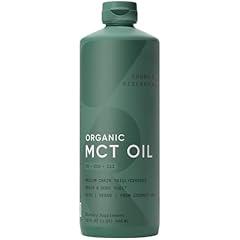
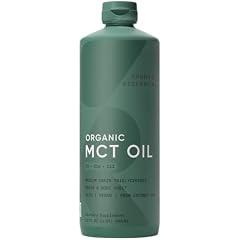
Sports Research Keto MCT Oil, Organic Coconuts, 32 Oz
Overview
This is an unflavored 32 fl oz liquid MCT oil, providing about 63 tablespoon servings. The current label lists 14 g of MCT oil and 130 calories per 15 mL serving, with 5.9 g caprylic acid, or C8, 3.7 g C10, and 4.4 g C12. It is intended for mixing into coffee, shakes, and other foods, rather than frying. The most important independently confirmed quality point is its active Informed Choice listing. The public registry names this exact C8, C10, and C12 liquid product and shows multiple tested batches with expiration and test dates. That program is useful banned-substance oversight, but it is not a public full certificate of analysis for fatty-acid identity, heavy metals, pesticides, or oxidation. The fatty-acid amounts are transparently disclosed on the label, though they remain label values rather than publicly released lot-specific analytical results.
What works
- Informed Choice publicly identifies this exact liquid formula and multiple named batches, giving buyers a usable batch-testing trail.
- The label clearly separates C8, C10, and C12 amounts instead of presenting only total MCT oil.
- It uses a single coconut-derived MCT oil ingredient, with no flavoring, sweetener, powder carrier, or added emulsifier listed.
- The label provides practical handling and safety information, including digestive-discomfort, low-smoke-point, storage, allergen, and plastic-compatibility cautions.
What does not
- No public, lot-matched certificate of analysis was found for this product's exact fatty-acid profile, heavy metals, pesticides, residual solvents, peroxide value, or other oxidation measures.
- The 14 g serving is entirely saturated fat, including 4.4 g C12, so it is not a pure C8 product despite the C8-focused category context.
- The suggested starting amount is one tablespoon, which supplies 14 g of oil. Some human evidence recommends beginning closer to 5 g of C8 or mixed C8 and C10 to limit gastrointestinal effects.
- Organic, non-GMO, vegan, cGMP, and sourcing statements appear on the label, but public verification was strongest for Informed Choice rather than for every individual product-level badge.
Who is it for
This product suits an adult who wants a large, neutral-tasting coconut MCT oil for coffee, shakes, or cold foods and specifically wants a mixed C8, C10, and C12 profile rather than pure C8. It is practical for someone following a low-carbohydrate or ketogenic eating pattern who understands that one tablespoon adds 130 calories and 14 g saturated fat. It also fits buyers who value a public Informed Choice batch registry and detailed label disclosure, while accepting that broader purity and freshness testing is not publicly posted lot by lot.
Who is it not for
It is not well suited to people seeking a pure C8 oil or a product with publicly available lot-specific fatty-acid and contaminant certificates. Avoid it for frying because the label gives a smoke point below 320°F. People with coconut allergy should not use it. Those who are pregnant, nursing, managing a medical condition, or taking prescription medicines should seek clinician guidance first, as the label directs. Anyone prone to diarrhea, cramping, or nausea from MCTs should start below the labeled tablespoon amount or select a product with more conservative dose guidance.
Integrity
The label documents a coconut-only MCT oil, 14 g total fat per tablespoon, and a mixed profile of C8, C10, and C12. Human studies support that MCTs can raise circulating ketones, but C8-rich oils are more ketogenic than mixed oils. This product's first tablespoon provides 5.9 g C8, so it is a plausible modest ketone-support dose, not evidence of guaranteed cognitive, weight, or athletic effects. Digestive discomfort is a real dose-related concern and is acknowledged on the label. Informed Choice independently lists current product batches and test dates for banned-substance monitoring. The package also carries organic, non-GMO, and vegan claims, and the label says the oil is made from Philippine coconuts and packaged in the United States. The bottle is identified as HDPE and marked for recycling, but disposal access depends on local collection rules. No public lot-specific oxidation, contaminant, or full fatty-acid analysis was located, and the responsible-sourcing claim was not accompanied by public supplier traceability documentation.

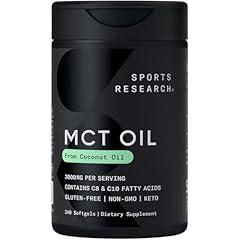
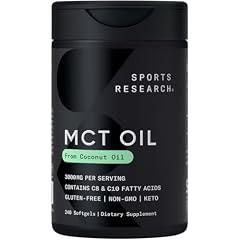
Sports Research Keto MCT Oil - 240 Softgels
Overview
This is a 240-softgel MCT oil supplement intended for adults who want a portable alternative to pourable MCT oil. The stated serving is three softgels, providing 3,000 mg of coconut-derived MCT oil, or 80 servings per bottle. An independently listed current label describes 25 calories and 3 g total and saturated fat per serving. The stated fatty-acid blend is 60% caprylic acid, or C8, and 40% capric acid, or C10. That works out to 1.8 g C8 and 1.2 g C10 per serving, but no public lot-matched fatty-acid laboratory report was located to independently confirm those figures. The product has an independently listed IGEN certification for absence of detectable tested GMO proteins and genes. However, the product listing calls it vegan while retailer label details list gelatin in the softgel capsule.
What works
- The stated 3 g serving gives a clearly quantified C8 and C10 blend, rather than an unspecified MCT total.
- IGEN certification is independently listed for this specific MCT softgel product and supports the non-GMO claim.
- Softgels provide a measured, spill-resistant way to use MCT oil away from home.
- Directions say to take the softgels with food, and the warning acknowledges possible digestive discomfort from excess use.
What does not
- No accessible, current lot-specific certificate of analysis was found for C8 content, heavy metals, oxidation, pesticides, or residual solvents.
- The stated 60% C8 content is a label claim, not a publicly available independent fatty-acid analysis.
- The vegan claim conflicts with retailer label information listing gelatin in the capsule, which is a material transparency problem.
- Brain and body fuel language is mechanistically plausible, but meaningful cognitive benefits at this 3 g dose are not established for healthy adults.
Who is it for
This product suits an adult following a low-carbohydrate or ketogenic eating pattern who specifically wants a small, measured MCT serving without carrying or pouring liquid oil. The three-softgel serving delivers a label-stated 1.8 g of C8 plus 1.2 g of C10, which is a modest routine dose rather than a large oil serving. It also fits people who value independently verified non-GMO status and can tolerate coconut-derived fats. Taking it with a meal is particularly sensible for first-time MCT users.
Who is it not for
It is not appropriate for people seeking a truly vegan supplement, because retailer label details identify gelatin in the softgel capsule despite the listing's vegan language. People with a coconut allergy should avoid it because coconut is declared. Those prone to diarrhea, cramping, nausea, or other gastrointestinal symptoms with oils should be cautious, start only with clinician guidance if needed, and stop if symptoms occur. Pregnant or nursing people, people with diagnosed medical conditions, and people taking prescription medicines should follow the label's advice to consult a qualified healthcare professional first.
Integrity
MCTs can raise circulating ketones, but the human evidence does not establish this product as a cognitive treatment or a reliable brain-performance aid. Systematic reviews find possible but inconsistent cognitive effects, largely in older adults with cognitive impairment, while gastrointestinal side effects are the most consistently reported tolerance issue. The label directions appropriately call for use with food and warn that excessive intake may cause digestive discomfort. The strongest independently confirmed quality signal is IGEN certification for the product's tested non-GMO status. That certification does not verify the stated C8 percentage, contaminant limits, or oil freshness. No public, current lot-specific report was located for fatty-acid identity, heavy metals, pesticides, solvents, peroxide value, or related oxidation measures. Coconut is the disclosed source, but farm origin, supplier traceability, and land-impact documentation were not publicly available. Packaging material and locally actionable recycling details were also not substantiated.
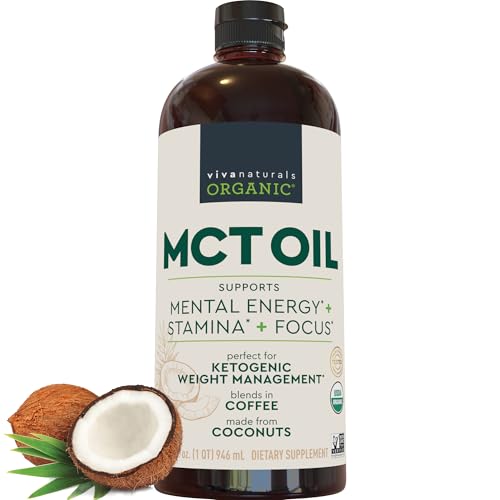
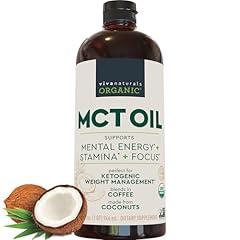
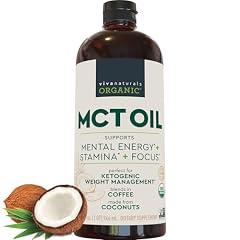
Viva Naturals Organic MCT Oil 32oz
Overview
This is a 32 fluid ounce liquid MCT oil for mixing into coffee, smoothies, dressings, or other foods. Viva Naturals directs adults to take up to 1 tablespoon, or 15 mL, daily. That size is described as about 63 servings. It is a concentrated fat, not a meal replacement or a caffeine-containing energy product. The manufacturer states that the only ingredient is organic medium-chain triglyceride oil from coconut oil. A label record in the NIH Dietary Supplement Label Database lists 130 calories, 14 g total and saturated fat, 8.4 g caprylic acid, C8, and 5.6 g capric acid, C10, per tablespoon. The company also says the oil is third-party tested, but no current lot-specific independent certificate of analysis, fatty-acid chromatogram, contaminant panel, or oxidation report was publicly accessible during verification.
What works
- The documented label provides a concrete 14 g MCT serving, including 8.4 g C8 and 5.6 g C10 per tablespoon.
- The formula is unusually simple, with one stated ingredient and no sweeteners, flavors, powdered carriers, or added allergens listed.
- A 32 fluid ounce bottle supplies about 63 tablespoon servings, making it practical for routine food and beverage use.
- Viva Naturals states that the oil is made from organic, non-GMO coconuts and is virtually odorless and tasteless.
What does not
- The company’s third-party-testing statement is not backed by a publicly accessible, current lot-specific certificate of analysis.
- There is no public current-lot evidence for heavy metals, pesticide residues, residual solvents, peroxide value, or other oxidation measures.
- The stated directions set a maximum tablespoon serving but do not give gradual-start guidance, despite diarrhea and other gastrointestinal effects being common with larger MCT doses.
- Mental clarity, stamina, and weight-management marketing is broader than the direct evidence for a single 14 g daily serving in generally healthy adults.
Who is it for
This product suits an adult who specifically wants a plain liquid blend of C8 and C10 MCTs for coffee, smoothies, or cold foods, and who values a larger bottle over single-serve convenience. The documented 14 g tablespoon serving is a realistic food-use amount for someone following a low-carbohydrate eating pattern or experimenting with mild nutritional ketosis. It also fits buyers who need to avoid dairy-based MCT powders, sweeteners, and flavor additives. Start below the full serving if personal tolerance is unknown.
Who is it not for
It is not a good fit for anyone seeking a pure C8 product, a verified current-lot fatty-acid analysis, or documented testing for oxidation and contaminants. People with recurrent diarrhea, irritable bowel symptoms, fat-malabsorption conditions, or a history of difficulty tolerating oils should use extra caution. Pregnant or breastfeeding people, children, and people using regular medicines, especially anticoagulants, blood-pressure medicines, or NSAIDs, should discuss concentrated MCT use with a clinician or pharmacist. It should not be treated as a treatment for cognitive impairment, weight loss, or disease.
Integrity
The usable health information is strongest on composition, not outcome claims. The available label record identifies 14 g of MCTs per tablespoon, split into 8.4 g C8 and 5.6 g C10, with 14 g saturated fat and 130 calories. Human studies show MCTs can raise ketones, but cognitive studies generally used higher daily amounts or specific clinical populations. Diarrhea is a common dose-limiting effect in trials, so a smaller initial amount is prudent even though the product directions do not explain this. Viva Naturals displays USDA Organic, Non-GMO Project Verified, Certified Vegan, Paleo Certified, gluten-free, and third-party-tested claims on its product page. The product’s organic and coconut-source claims are manufacturer-stated, but public verification did not produce a current product-matched certificate, lot report, or supplier traceability file. The bottle is plastic, and no resin code, recycling instruction, refill system, or independently supported end-of-life claim was identified. No directly matching FDA recall or warning letter was found in the reviewed searches.

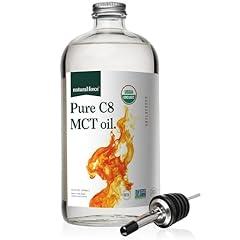
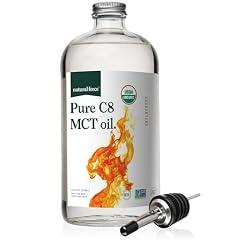
Natural Force Organic Pure C8 MCT Oil
Overview
This is a 32-ounce liquid MCT oil for coffee, smoothies, shakes, spoon use, and cooking. Natural Force directs users to take 1 to 3 tablespoons daily with a low-carbohydrate diet. It is sold as a one-ingredient oil, caprylic-acid MCT from organic coconuts, with a stated 13 grams of C8 per tablespoon. A manufacturer-posted certificate for a 32-ounce lot made November 14, 2025 measured 14.835 grams of C8 triglycerides per 15 mL, using an AOCS method. That report also recorded low peroxide value and reported results for arsenic, cadmium, lead, mercury, and several microbiological tests. The report is useful product-specific evidence, but it does not identify the testing laboratory or establish that a newly purchased bottle matches that lot.
What works
- A posted 32-ounce lot report measured 14.835 grams of C8 triglycerides per tablespoon, above the stated 13-gram amount.
- The same posted lot report includes peroxide value, four heavy metals, and microbiological results, rather than relying only on a general testing promise.
- Human crossover research supports an acute rise in circulating ketones from pure C8 MCT, which fits the product's primary ketosis use.
- The formula is straightforward, with one stated ingredient and no stated sweeteners, flavors, or powder carriers.
- Certified Vegan status is listed in Vegan Action's product registry.
What does not
- The accessible lot report does not name the laboratory or show its ISO/IEC 17025 accreditation, so the independence of testing cannot be fully checked.
- The posted report is not matched to a buyer's current bottle, and it does not show pesticide, residual-solvent, or p-anisidine results.
- Directions start at as much as one tablespoon and do not provide the evidence-aligned gradual start that can reduce diarrhea and stomach discomfort.
- Marketing extends from support for ketosis to focus and mental clarity, while direct cognitive benefit evidence at this product's dose is less established.
- Organic, Non-GMO, Paleo, Keto, and kosher claims are manufacturer-stated here, but only the vegan certification was independently located in a public product registry.
Who is it for
This fits an adult already using a low-carbohydrate or ketogenic eating pattern who wants a plain, concentrated C8 oil for drinks or food and can tolerate added dietary fat. The 32-ounce size contains about 63 tablespoon servings, so it suits regular household use rather than occasional experimentation. Its most evidence-grounded use is supporting a short-term ketone rise. Someone using it for that purpose should account for roughly 14 grams of fat and about 125 calories per tablespoon in their overall diet.
Who is it not for
It is not a good fit for people who are prone to diarrhea, cramping, nausea, or urgency from MCT oil, especially if they expect to begin at a full tablespoon. It is also poorly suited to anyone seeking a proven weight-loss treatment, athletic-performance aid, or cognitive treatment. People managing elevated LDL cholesterol, restrictive medical diets, pancreatic or liver conditions, pregnancy or nursing, or a child's ketogenic diet should use clinician-specific guidance instead of relying on the product directions.
Integrity
The strongest health documentation is a manufacturer-posted, lot-specific report for a 32-ounce bottle. It measured C8 content with an AOCS method, reported peroxide value below 0.20 mEq/kg, and showed reported results for four heavy metals and key microbial limits. However, the laboratory is unnamed and its accreditation cannot be checked from the report. There was no Natural Force product-specific FDA recall or warning letter located in the reviewed sources. Natural Force states that the oil comes from organic coconuts harvested in the Philippines and is packed in glass. Vegan Action publicly lists this exact product as Certified Vegan. The brand also claims QAI organic, Non-GMO Project, Paleo, Keto, and OU kosher status, but public registry confirmation was not located for those claims during this review. Glass can be recycled where local programs accept it, but the bottle, cap, pour spout, and shipping materials do not carry a clear, product-specific end-of-life guide.

Nutricost C8 MCT Oil Powder 2lbs
Overview
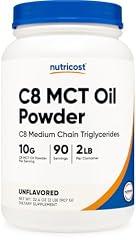
This unflavored two-pound tub is a powdered medium-chain triglyceride product intended for coffee, smoothies, baking, or other foods. The listed serving is one 10 g scoop, with 90 servings in this size. A manufacturer label image for the product line lists 60 calories, 8 g fat, 2 g carbohydrate including 1 g fiber, and 10 g C8 MCT oil powder per scoop. Nutricost and a retailer state that its MCT blend is 95% C8, 4% C10, and 1% C6. That composition has not been supported by a public, lot-matched fatty-acid test report. The powder is not pure oil. The label lists soluble tapioca fiber, sodium caseinate, sunflower lecithin, silica, and choline chloride, and clearly declares milk. Nutricost also displays a California lead exposure warning for this product.
What works
- The label gives usable nutrition information, including calories, fat, carbohydrate, fiber, serving size, and a full ingredient list.
- Milk is clearly declared, which is important allergen information for households managing food allergies.
- Nutricost Manufacturing holds a current NSF/ANSI 455-2 GMP certification covering dry formulation, mixing, powder packaging, quality operations, and warehousing.
- A 10 g scoop is a realistic starting serving for MCT use, rather than a very large single dose.
What does not
- The stated 95% C8 breakdown is manufacturer-stated. No public lot-specific certificate of analysis verifies the C8, C10, and C6 profile.
- No public current-lot results were found for lead, other heavy metals, pesticides, residual solvents, peroxide value, or other oxidation markers.
- The manufacturer displays a California warning that consuming the product can expose users to lead. It does not publish the measured lead result or exposure calculation.
- The available directions and product page do not provide gradual-start guidance or clear gastrointestinal cautions, despite MCT intolerance being common.
- It contains milk-derived sodium caseinate, so it is unsuitable for people with milk allergy and is not vegan.
Who is it for
This product suits an adult who wants a measured, unflavored powdered fat addition for coffee, shakes, or recipes, and who is comfortable with a 10 g scoop that supplies 8 g of fat and some carbohydrate from the powder system. It is particularly practical for someone who prefers a tub of powder to carrying liquid oil. It also suits a buyer who can consume milk ingredients and wants a product made through a facility with independently verified dietary-supplement GMP certification.
Who is it not for
It is not appropriate for anyone with a milk allergy, because the label identifies sodium caseinate and declares milk. People who are pregnant, trying to conceive, or otherwise seeking to minimize lead exposure should take the displayed California lead warning seriously and seek a product with current public contaminant results. It also does not suit buyers who require a public lot-specific certificate confirming C8 percentage, oxidation status, and contaminant limits, or those seeking a vegan, source-traceable MCT powder.
Integrity
MCTs can raise circulating ketones, but the response depends on dose, fatty-acid composition, fasting status, and carbohydrate intake. Human research supports beginning around 5 g and building toward 15 to 20 g of C8 when tolerated, because gastrointestinal effects can occur. This 10 g powder serving may be a reasonable starting amount, but its advertised C8 proportion remains unverified without a lot-matched fatty-acid analysis. The manufacturer’s lead exposure warning is the clearest safety concern. No public numerical lead result or independent current-lot contaminant report was located. Nutricost Manufacturing has a current NSF/ANSI 455-2 GMP facility certification that includes powder operations. That verifies a facility quality-system scope, not independent certification or testing of this finished product. The C8 feedstock origin and whether it comes from coconut or palm-derived inputs are not disclosed. The rigid tub’s resin type, recycled content, recyclability, and any refill option are also not specified, so its end-of-life impact cannot be meaningfully assessed.

BioTrust Keto Elevate C8 MCT Oil Powder Hazelnut
Overview
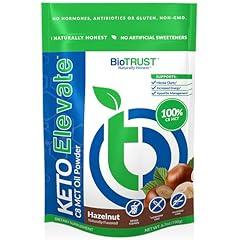
This is a flavored, single-use pouch of C8 MCT powder for mixing into coffee, tea, smoothies, or recipes. The current manufacturer label identifies one scoop as 9 g, with 20 servings, 60 calories, 5 g total and saturated fat, 3 g carbohydrate, 1 g fiber, and 5 g caprylic acid, or C8, per serving. BioTRUST states that its C8 comes from coconut oil and that finished products undergo third-party testing, but it does not publish a current lot-matched certificate of analysis showing the fatty-acid profile, contaminants, or oxidation results for this product. The powder is not pure oil by weight. Its carrier system includes resistant dextrin, sodium caseinate, sea salt, silicon dioxide, and natural flavor. It contains milk.
What works
- The label gives a concrete C8 amount, 5 g per 9 g scoop, rather than reporting only total powder weight.
- The ingredient list, calories, fat, carbohydrate, fiber, and milk allergen are disclosed on the current manufacturer label.
- C8 is a plausible ketogenic ingredient. Human acute studies support that pure C8 can raise circulating ketones more than C10 or C12, although the available studies generally used larger doses than one scoop.
- BioTRUST states that finished products are tested by independent laboratories for identity, potency, and contaminants, and that manufacturing is in U.S. GMP-certified facilities.
What does not
- No public, lot-specific independent certificate of analysis was located for this product. The published testing promise therefore cannot confirm the C8 percentage, 5 g dose, heavy-metal results, pesticide results, or freshness of the bag being sold.
- The current marketing says both zero carbs and no dairy, but the current label lists 3 g total carbohydrate, 2 g net carbohydrate, sodium caseinate, and a milk allergen. Those are material contradictions.
- Claims of digestive comfort, appetite control, fat burning, leaner body composition, mental clarity, and performance go beyond what is well established for a single 5 g serving.
- Directions permit use multiple times daily but do not provide a gradual-start schedule, despite gastrointestinal intolerance being a common practical issue with MCT intake.
Who is it for
This product suits a healthy adult who specifically wants a flavored powdered way to add a labeled 5 g serving of C8 to coffee, tea, smoothies, or food, and who can tolerate dairy. It is most concrete as a convenience product for someone already following a low-carbohydrate or ketogenic eating pattern and who understands that it contributes 60 calories, 5 g saturated fat, and 2 g net carbohydrate per scoop. A buyer using it should value the visible ingredient and allergen disclosure more than a publicly available lot certificate.
Who is it not for
It is not appropriate for people with milk allergy because it contains sodium caseinate and is made in a facility handling several major allergens. People who need a truly carbohydrate-free product should avoid relying on the zero-carb marketing, since the label reports 3 g carbohydrate and 2 g net carbohydrate per scoop. It also does not fit buyers seeking a publicly verifiable C8 assay, heavy-metal screen, oxidation test, or sport certification. Pregnant or nursing people, people managing medical conditions, and those using medicines should follow the manufacturer caution to consult a clinician.
Integrity
The 5 g C8 amount is clearly stated, and the current label usefully discloses 60 calories, saturated fat, carbohydrates, resistant dextrin, natural flavor, sodium caseinate, and milk. C8 has human evidence for an acute ketone response, but studies establishing dose responses have commonly used 14 g to 42 g of nearly pure C8. The brand's broad claim that the product causes no digestive discomfort is not a suitable assurance for every user. The company gives standard adult-use, pregnancy, medication, medical-condition, and adverse-reaction cautions, but no gradual-introduction instruction was located. BioTRUST states that C8 is sourced from coconut oil and that its products are manufactured in the United States using globally sourced ingredients. It also makes non-GMO and gluten-free claims, but no product-specific certification record from an independent public registry was located. The flexible pouch is material-efficient relative to a rigid tub, yet no package resin marking, refill system, or specific local recycling instruction was located. Public lot-level testing and source-chain documentation were also not found.

Nutricost C8 MCT Oil Powder Vanilla 1LB
Overview
This is a vanilla-flavored, milk-containing MCT powder intended to be mixed into 6 to 10 ounces of water or another drink. The current vanilla label reproduced by an independent retailer lists 41 servings per 1 pound tub. One 11 g scoop provides 60 calories, 8 g total fat, 2 g carbohydrate, 1 g fiber, 100 mg sodium, and 10 g of C8 MCT oil powder. The seller states that the MCT fatty-acid blend is 95% C8, 4% C10, and 1% C6. That profile has not been backed by a publicly accessible, lot-matched independent fatty-acid report. Nutricost also states that its products are independently tested, but does not publish a lab name, methods, or current lot certificate. A current manufacturer page carries a California lead exposure warning.
What works
- A one-scoop serving has a defined powder amount and disclosed calories, fat, carbohydrate, fiber, sodium, and milk allergen.
- The directions specifically advise beginning with one-half serving and increasing gradually, which is appropriate for a fat source that can cause digestive upset.
- Nutricost Manufacturing appears in NSF's current GMP facility directory for dry formulation, powder mixing, packaging, labeling, quality operations, and warehousing.
- The formula identifies tapioca fiber, sodium caseinate, sunflower lecithin, silica, choline chloride, flavoring, salt, and stevia rather than presenting the product as pure oil.
What does not
- The manufacturer posts a California warning that consuming the product can expose users to lead. No public lot-specific heavy-metal result explains the exposure level or verifies control of it.
- No accessible independent, lot-matched certificate confirms the advertised 95% C8 profile, actual C8 grams, oxidation status, pesticide residues, solvents, or heavy metals.
- The 10 g named C8 powder serving includes carrier ingredients, while Nutrition Facts list 8 g fat. The label does not clearly state the grams of C8 triglyceride delivered after carriers.
- It contains sodium caseinate, a milk-derived ingredient, and is unsuitable for people with milk allergy.
- The product does not disclose whether its MCT feedstock comes from coconut, palm kernel, or a certified supply chain, and provides no package recycling guidance.
Who is it for
This format fits healthy adults who specifically want a measured MCT powder for coffee, shakes, or travel rather than liquid oil. The practical serving is one scoop, with 8 g fat and 60 calories, so it can fit a calorie-accounted low-carbohydrate routine when those calories are intentionally included. It is also better suited to someone prepared to start at one-half serving because the directions acknowledge digestive intolerance at higher initial intakes. The user should be comfortable with a vanilla-flavored, milk-containing formula rather than expecting plain C8 oil.
Who is it not for
It is not appropriate for anyone with a milk allergy because the powder contains sodium caseinate. It also needs more caution from people who are pregnant or nursing, take medicines, have a medical condition, or are buying for children, since the label directs those groups to consult a health professional and limits routine use to healthy adults. People seeking verified low-contaminant supplements, a confirmed C8 dose, or a product without a lead exposure warning need documentation this product does not publicly provide.
Integrity
The label provides useful use safeguards. It directs first-time users to start with one-half serving because excessive MCT intake can cause stomach discomfort, and it identifies milk as an allergen. Human research supports that MCTs can raise ketones, but clinical outcomes beyond that are mixed and studies commonly use higher MCT amounts or differently composed products. A 10 g powder serving should not be read as evidence of a weight-loss or brain-treatment effect. Nutricost states that the product is made in the United States with globally sourced ingredients, and NSF currently lists Nutricost Manufacturing as GMP-certified for powder operations. That is meaningful facility-level quality evidence, but it does not replace a product-lot certificate. The manufacturer also posts a California lead warning. The oil source, farm or supplier traceability, palm certification status, package resin, and end-of-life instructions are not disclosed.

Nutricost MCT Oil Powder 2lbs Unflavored
Overview
This is a 2-pound unflavored powdered MCT product with 91 listed servings. The label information available through a label archive lists a 10 g scoop, 60 calories, 8 g total fat, 2 g carbohydrate, 1 g protein, and MCT oil powder as the main ingredient. The powder also uses soluble tapioca fiber, sodium caseinate, sunflower lecithin, and silica, and it contains milk. Retail listings state that the MCT fraction is 65.9% C8, 32% C10, and 1.9% C6, but no public current-lot fatty-acid report was found to independently confirm that profile or the actual C8 grams per scoop. Nutricost provides gradual-start directions, while its official product page also carries a California lead exposure warning. Its manufacturing organization is currently listed by NSF for GMP-certified powder operations.
What works
- The label clearly identifies serving size, calories, fat, carbohydrate, milk content, and the powder carriers.
- Gradual-start directions acknowledge digestive intolerance and advise beginning with half a serving.
- A current NSF directory listing confirms Nutricost Manufacturing GMP certification for powder-related operations.
- The stated C8, C10, and C6 breakdown gives buyers more compositional detail than a generic MCT-only description, although it is not independently confirmed.
What does not
- The official product page carries a California warning for potential lead exposure, and no public current-lot heavy-metal report explains the amount or exposure basis.
- No accessible independent, lot-matched certificate of analysis was found for C8 identity, oxidation, pesticides, solvents, or contaminants.
- The formula contains sodium caseinate and is unsuitable for people with milk allergy or for vegan use.
- The stated C8 percentage comes from retail product information, not a publicly accessible analytical fatty-acid profile.
Who is it for
This product fits an adult who wants a large, unflavored MCT powder for coffee, smoothies, or recipes and who values a scoop-based format over liquid oil. It is most practical for people already using MCTs who can tolerate dairy ingredients and who prefer to start at half a scoop before working toward the labeled serving. The 2-pound container and 91-serving format also suit regular household use, provided the user accepts that the advertised C8 breakdown is manufacturer-stated rather than publicly lot-verified.
Who is it not for
It is not appropriate for anyone with a milk allergy because the powder contains sodium caseinate and declares milk. People seeking a vegan MCT powder, a product with public lot-specific heavy-metal and oxidation results, or independently verified C8 grams should select a product documented for those needs. Pregnancy, nursing, medication use, and medical conditions warrant clinician input as the label advises. Given the California lead warning, people trying to minimize lead exposure, especially during pregnancy, may prefer a product with transparent current-lot contaminant testing.
Integrity
MCTs can raise circulating ketones, but much of the controlled human research uses doses around 20 to 30 g or more. This product's label lists 8 g fat per scoop and retailer material states a mixed C8 and C10 profile, so it should not be read as evidence of a proven weight, brain, or disease benefit at one scoop. The gradual-start instruction is useful because MCTs commonly cause gastrointestinal symptoms at higher intakes. The California lead warning is important to weigh, although such a warning does not by itself establish that the product violates a federal safety standard. Nutricost Manufacturing is listed in NSF's current GMP directory for powder operations, which supports controlled manufacturing at the facility level. The product's non-GMO and gluten-free claims were not matched to a public product-specific certification register. No supplier documentation identifying coconut or palm origin, chain of custody, or responsible oil sourcing was found. The rigid tub format has no substantiated recycling, refill, or lower-waste claim in the materials reviewed.

Micro Ingredients Organic MCT Oil, 32 fl oz
Overview
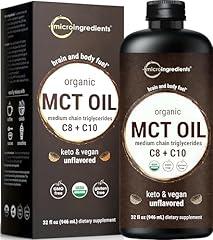
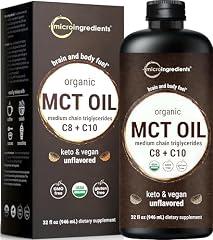
This is a 32-fluid-ounce, unflavored liquid MCT oil for adding to coffee, smoothies, dressings, or other foods. One tablespoon provides 130 calories, 14 g total fat, and 14 g MCTs from organic coconut oil. The current manufacturer label identifies a typical fatty-acid profile of 9.0 g caprylic acid, or C8, plus 4.8 g capric acid, or C10, per tablespoon. It contains coconut and is labeled free of gluten, soy, and dairy. The composition is clearly disclosed on the manufacturer label, but the stated C8 and C10 amounts are not backed by a public, lot-matched independent fatty-acid report. The manufacturer says ingredients undergo third-party testing and describes single-origin sourcing, yet it does not publish a current certificate of analysis showing fatty-acid identity, lead, pesticides, or oxidation values for a retail lot. Importantly, the label carries a California warning for lead exposure.
What works
- The label clearly states serving size, calories, saturated fat, total MCTs, and separate typical C8 and C10 amounts.
- It is a one-ingredient formula, organic MCT oil from coconut oil, without sweeteners, flavorings, or powder carriers.
- The manufacturer provides practical directions to start with one tablespoon with food and increase gradually if desired.
- A tablespoon provides 9 g of C8 on the manufacturer label, a meaningful amount for the acute ketone response seen with MCT oil in human research.
What does not
- The product label carries a California warning for lead exposure. No public current-lot result quantifies lead or shows whether other heavy metals meet a defined limit.
- No accessible lot-specific independent certificate of analysis was found for fatty-acid composition, contaminants, or peroxide and p-anisidine values.
- The C8 amount is manufacturer-stated as a typical composition, not independently verified for the bottle a buyer receives.
- The 14 g serving supplies 14 g saturated fat and 130 calories. MCT oil can also cause gastrointestinal effects, especially as intake rises toward the stated three-tablespoon maximum.
- Marketing about fast brain and body fuel goes beyond the product-specific evidence. Human evidence supports an acute rise in ketones, not a guaranteed sustained energy or cognitive result.
Who is it for
This product fits an adult who specifically wants a plain liquid C8 and C10 blend for food or drinks, rather than a flavored powder or a capsule. The labeled one-tablespoon serving is practical for someone testing MCT tolerance gradually, and the 32-fluid-ounce bottle suits a regular household user who expects to use it in coffee, smoothies, or dressings. It is most appropriate when treated as a calorie-containing dietary fat, not as a stand-alone weight-loss or brain-performance intervention.
Who is it not for
It is not well suited to people who need independently documented contaminant testing, particularly those concerned about lead exposure, because the label itself carries a California lead warning and a current lot-specific report is not public. Avoid it with coconut allergy. People who commonly develop diarrhea, cramping, nausea, or reflux with oils should be especially cautious, start below a tablespoon if using it at all, and discuss persistent symptoms with a clinician. It is also not a substitute for treatment of metabolic, neurologic, or digestive disease.
Integrity
The stated formula is straightforward, organic MCT oil from coconut oil. Its label discloses coconut as an allergen, 14 g saturated fat per tablespoon, and a typical 9.0 g C8 plus 4.8 g C10 profile. Human research supports that MCT oil can raise circulating ketones after a single dose, while longer-term weight effects appear modest and depend on replacing other fats rather than simply adding calories. Gradual dosing with food is sensible because higher intakes can cause gastrointestinal intolerance. The bottle displays the USDA Organic seal, but a product-specific organic operation certificate was not located in the public USDA registry search. The manufacturer describes single-origin suppliers and third-party testing, without publishing supplier origin records, a lot-specific test report, or palm chain-of-custody documentation. The opaque bottle and closure do not provide a resin code, recycling instructions, refill option, or end-of-life claim. The California lead warning is the main safety finding and warrants added caution.

Bulletproof Brain Octane C8 MCT Oil 16oz
Overview
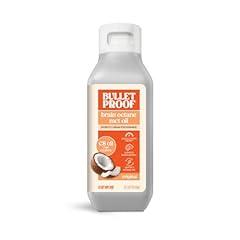
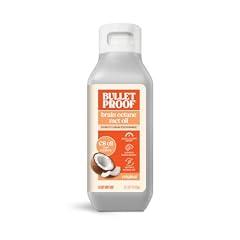
This is a 16-ounce bottle of unflavored liquid C8 MCT oil, intended to be stirred or blended into coffee, smoothies, dressings, and other foods. The manufacturer’s current nutrition panel lists 32 servings of 1 tablespoon, with 130 calories, 14 g total fat, 14 g saturated fat, and 14 g caprylic acid triglycerides per serving. The manufacturer states that the oil is derived from highly refined coconut oil, is 100% C8, and is third-party tested for purity. The stated C8 amount is clear on the label, but no current lot-matched independent certificate of analysis was publicly accessible to confirm fatty-acid identity, contaminants, or oxidation results for a bottle in circulation.
What works
- The current manufacturer label clearly identifies one active oil component, 14 g of caprylic acid triglycerides per tablespoon.
- A 14 g C8 serving is within the range used in human research showing that C8 MCT can raise ketones, although individual tolerance varies.
- The product has no listed flavors, sweeteners, carbohydrate carriers, or protein, making its calorie contribution easy to account for.
- The manufacturer gives practical gradual-start advice, noting that new users may experience stomach upset or diarrhea.
What does not
- Publicly accessible, lot-specific independent test results for C8 identity, contaminants, and oil freshness were not found. The brand’s testing claim cannot substitute for a current certificate.
- One tablespoon supplies 130 calories and 14 g saturated fat, or 70% of the daily value for saturated fat.
- Brain and cognitive-function marketing goes beyond the clearest product-specific human evidence, which more directly supports a short-term ketone increase.
- FDA issued Bulletproof 360 a warning letter on March 20, 2020 for serious dietary-supplement CGMP violations. This was not a recall of this oil, but current independent manufacturing certification was not located.
Who is it for
This product suits an adult who specifically wants a measured liquid source of C8 MCT for keto-oriented meals or for adding fat calories to coffee, smoothies, or food. A full tablespoon provides 14 g of caprylic acid triglycerides, a dose consistent with research on raising ketones. It also suits someone who values a single-ingredient format and can track the additional 130 calories and 14 g saturated fat in their daily intake. New users should start below a tablespoon and assess digestive tolerance.
Who is it not for
It is not well suited to people who get diarrhea, cramping, or nausea from MCT oils, or to anyone seeking a risk-free energy or cognitive product. People who need to restrict saturated fat or total calories, including those following a clinician-directed lipid or weight-management plan, should account for the full 14 g saturated fat serving. Pregnant or nursing people, children, and people taking medicines or managing a medical condition should seek individualized clinical advice before regular use. It is also not for buyers who require publicly available lot-specific testing before using a supplement.
Integrity
The formula itself is straightforward. The manufacturer lists caprylic acid triglycerides from highly refined coconut oil, with no listed sweeteners, flavors, or powder carriers. It also states that Brain Octane is coconut-derived rather than palm-derived, which avoids direct reliance on palm kernel oil for this product. That sourcing statement was not accompanied by public farm, supplier, chain-of-custody, or life-cycle documentation, so its broader land-impact record cannot be independently assessed. Bulletproof states that it third-party tests Brain Octane for purity, but no public lot-matched report or accredited laboratory result was available for review. The company’s own FAQ appropriately recognizes stomach upset and diarrhea as possible effects and advises beginning with a teaspoon or less. FDA records also show a 2017 recall of separate Bulletproof collagen bars and bites for Listeria risk, plus a March 20, 2020 warning letter over serious CGMP violations. Neither action identifies this C8 oil as recalled.