
The Best Astaxanthin Supplements of 2026 - Does it Absorb?
We tested dozens of astaxanthin supplements to find the most potent, bioavailable formulas on the market in 2026. After analyzing dosages, sourcing standards, and real-world results, we identified the top options that deliver visible skin improvements, enhanced recovery, and cellular protection. This powerful microalgae-derived antioxidant is changing how people approach aging, inflammation, and vitality.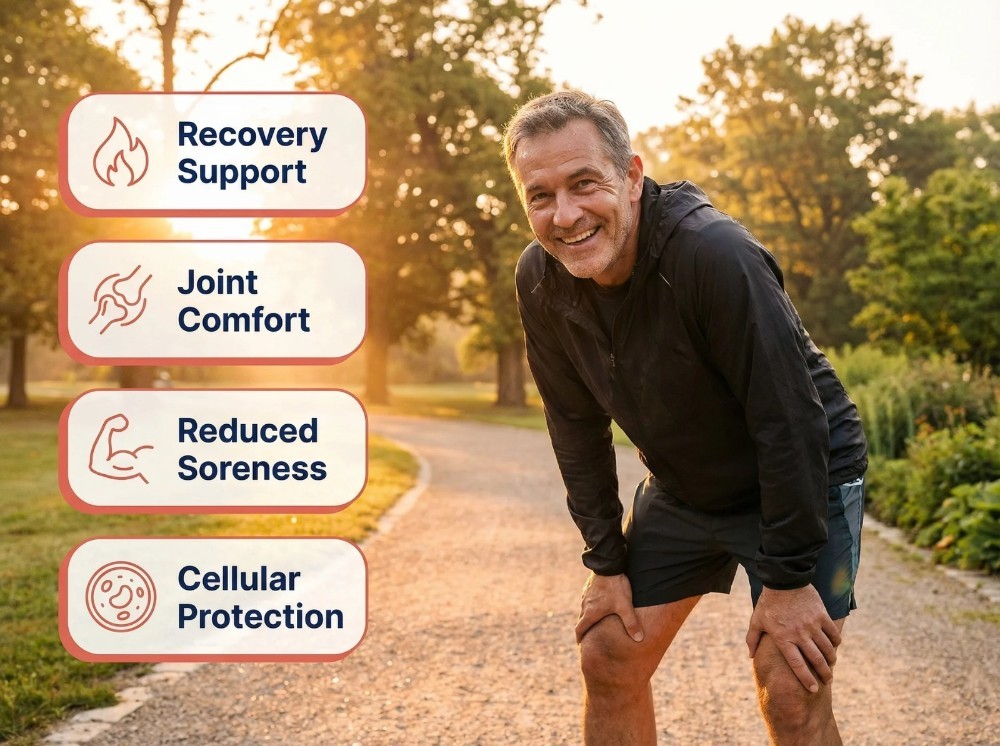 Typical fixes fall short without targeted antioxidant support that reaches cells.
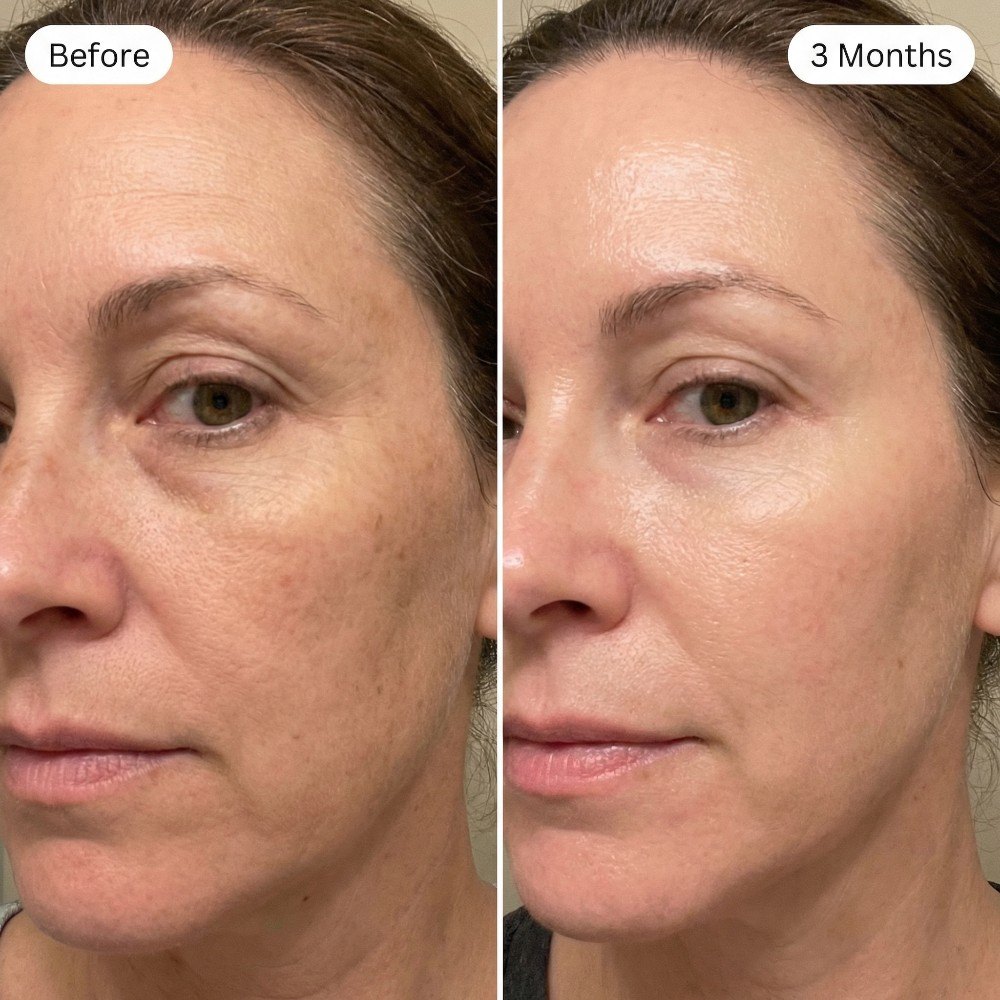
 Visible signs of aging and dull skin:Astaxanthin penetrates deep into skin cells to boost collagen production, visibly reducing fine lines and restoring firmness within 8-12 weeks of consistent use.
- Poor exercise recovery and muscle fatigue:Astaxanthin reduces oxidative stress in muscle tissue, helping active individuals bounce back faster from workouts and maintain peak performance without prolonged soreness.
- Eye strain from screen time:This unique antioxidant crosses the blood-retinal barrier to protect eyes from blue light damage, reducing digital eye strain that plagues modern professionals and gamers.
- Inflammation and cellular damage:With antioxidant power 6000 times stronger than vitamin C, astaxanthin neutralizes free radicals throughout the entire body, supporting cardiovascular health, joint comfort, and immune function.
How Astaxanthin Shields Your Cells
Astaxanthin is a carotenoid antioxidant that's 6,000 times stronger than vitamin C and 550 times more powerful than vitamin E.
When ingested, it accumulates in all layers of the skin, creating a protective shield against UV damage while simultaneously stimulating collagen and elastin production. Research published in dermatology journals demonstrates that 12mg daily doses significantly improve skin elasticity, reduce wrinkle depth, and enhance moisture retention after just 6 weeks.
Unlike topical treatments that only reach surface layers, astaxanthin works at the cellular level, crossing membrane barriers to protect and repair from the inside out.
Beyond its structural benefits, this "king of carotenoids" effectively neutralizes the free radicals that lead to premature photoaging and age spots. By suppressing the body's inflammatory response to sun exposure, it acts as a secondary internal sunscreen that minimizes redness and prevents cellular degradation. Incorporating this potent molecule into a daily regimen offers a comprehensive approach to skin longevity that traditional serums simply cannot match.
Key Benefits of Astaxanthin Supplements
 Cellular antioxidant defense
Astaxanthin sits within lipid membranes, neutralizing singlet oxygen and free radicals before they damage fats and proteins. This membrane-level protection complements vitamins C and E, helping maintain cellular integrity during busy, high-stress days, intense workouts, and frequent exposure to sunlight or screens.
Skin photoprotection support
By quenching light-induced oxidants, astaxanthin helps reduce the oxidative load behind dull tone and roughness. Consistent use supports smoother-looking skin, improved moisture retention, and visible resilience against environmental stressors like UV, blue light, and pollution when paired with daily sun protection.
Eye comfort and visual endurance
Astaxanthin accumulates in lipid-rich tissues and helps buffer oxidative stress from screens and bright light. Users often report less eye fatigue and greater focusing comfort during work or gaming, supporting productivity without the mid-day slump associated with prolonged visual strain.
Workout recovery and performance
By protecting mitochondrial membranes and limiting lipid peroxidation, astaxanthin supports efficient energy production and post-exercise recovery. This can translate to reduced perceived soreness and better training quality over time, helping athletes and active people stay consistent without feeling overly depleted between sessions.
Cognitive and focus support
As a membrane-stabilizing antioxidant, astaxanthin helps counter oxidative noise that can sap mental clarity during stress. Paired with sleep, hydration, and breaks, it supports sustained focus, sharper processing, and steadier energy through demanding projects and long hours.
Heart and lipid resilience
By guarding LDL and cell membranes from oxidative damage, astaxanthin supports healthy lipid integrity and circulatory resilience. This antioxidant action complements diet and movement habits that promote cardiovascular wellbeing without overstimulating or affecting heart rate.
10 Best Astaxanthin Supplements
 Lauren Wilson
Please note that we participate in affiliate marketing programs. When you purchase through links on our site, we may earn a commission. As an Amazon Associate we earn from qualifying purchases. This comes at no additional cost to you and helps support the resources required to provide valuable content.Advertising Disclosure
Top-rated Astaxanthin Supplements Comparison
1


2


3

4
5
6

7

8

9

Astaxanthin supplements: what matters
Astaxanthin is a carotenoid supplement usually sourced from *Haematococcus pluvialis* microalgae. Products in this category are commonly sold as oil-based softgels, capsules, or gummies. The oil format and directions to take a product with food are relevant because astaxanthin is fat-soluble, but a plausible delivery format does not prove that the labeled amount remains stable through its expiry date or that the product is absorbed as claimed.
The most useful starting point is a clear Supplement Facts panel: the amount per serving, serving size, daily directions, astaxanthin form, source organism, carrier oil, capsule or gummy materials, and allergens should all be identifiable. Many supplied products state 12 mg per daily serving, while others provide 4, 5, 10, or 24 mg. Those figures are not interchangeable. Human research includes doses across this range, but evidence for specific outcomes is mixed, and higher intake does not establish greater benefit. A krill-oil product illustrates another common trap: a product may contain astaxanthin but only 100 micrograms per softgel, far below the multi-milligram amounts used in astaxanthin trials.
Buyers should separate evidence for astaxanthin generally from evidence for a particular finished product. Human studies and reviews suggest possible modest changes in some oxidative-stress, inflammation, skin, or related measures, but they do not establish treatment or prevention of eye disease, joint disease, cardiovascular disease, cognitive decline, skin aging, or exercise problems. Claims such as “anti-aging,” “sun protection,” “vision restoration,” or comparisons with vitamin C are therefore not substitutes for narrow, qualified claims tied to a realistic dose.
Quality evidence also has levels. A named source such as *Haematococcus pluvialis* or a branded ingredient is more informative than “natural microalgae,” but it does not prove the finished capsule contains its claimed amount. The strongest product-level evidence in this set includes an active listing for the exact finished product in a recognized program such as NSF Certified Dietary Supplements, Informed Choice, or an applicable independent certification registry. A facility’s GMP certification is useful accountability evidence, but it is not certification of every finished product. A manufacturer’s “third-party tested” statement is weaker when no current lot report names the laboratory, method, test date, result, limits, and expiry coverage.
For a light- and oxidation-sensitive carotenoid, look for authenticated, current-lot potency and purity results, ideally including an astaxanthin assay, heavy metals, microbes, residual solvents where relevant, and the laboratory’s accreditation and methods. A historical test can reveal useful quality history but cannot verify the bottle currently being sold. Similarly, an independent potency result does not automatically prove stability through expiry. Packaging, storage directions, and lot-specific finished-product stability data matter.
Finally, read the complete ingredient and warning information rather than relying on marketplace diet tags. Gelatin is common and is sometimes not identified by animal source; coconut or sunflower oils, soy, dairy, gluten, shellfish, carrageenan, piperine, ashwagandha, and other added ingredients can change suitability and interaction risk. Across the supplied products, recurring cautions include avoiding self-treatment of medical conditions, consulting a clinician when pregnant, nursing, managing a condition, taking medicines, or preparing for surgery, and exercising particular caution with warfarin or other anticoagulant or antiplatelet medicines. One 24 mg product also carried a California lead-exposure warning, and several products lacked current contaminant reports. These are material reasons to check the physical label and seek professional advice rather than relying on a headline dose or benefit claim.
Integrity
The topics below distinguish a clearly labeled, reasonably supported astaxanthin product from one whose dose, ingredients, testing, claims, or environmental story is difficult to verify. Scores reflect the supplied product reviews, not popularity or price.
HHealth & Safety
Evidence-aligned health value
This measures whether the claimed benefit and daily amount fit credible human evidence. For astaxanthin, a high score means a product makes narrower claims and supplies a dose represented in human research; a low score reflects broad skin, eye, immune, performance, or disease-adjacent promises. Supplied scores ranged from 30 to 76, with products using clearer antioxidant or modest skin-support framing scoring better than expansive formulas.
Dose and interaction safety
This measures whether the serving, added ingredients, cautions, and directions make sense for intended adults. It matters because products ranged from 4 mg to 24 mg astaxanthin, and some added piperine or ashwagandha, while warfarin interaction concerns recurred in the reviews. Higher-scoring products generally had straightforward servings and clearer cautions; lower scores reflected high doses, unclear directions, or added-interaction concerns.
Allergen and excipient transparency
This measures whether buyers can identify oils, gelatin or plant capsules, sweeteners, colors, added botanicals, and allergens. It is especially important here because marketplace diet descriptors conflicted with labels, and products variously contained gelatin, coconut, soy, dairy, gluten, shellfish, or carrageenan. Scores ran from 42 to 82; higher scores had complete ingredient disclosure, while lower scores had missing or contradictory capsule and allergen information.
Stable, usable formulation
This measures whether the dosage form and packaging plausibly protect a light- and oxidation-sensitive carotenoid and support uptake. Oil-based softgels and take-with-food directions are sensible, but they do not replace finished-product stability data through expiry. Higher scores in the supplied set combined a practical oil carrier with better packaging or formulation information; lower scores reflected missing stability, storage, or release evidence.
EEvidence
Honest, non-disease claims
This measures whether marketing distinguishes antioxidant activity from proven health outcomes and avoids treating astaxanthin as therapy. It matters because many listings promoted vision, wrinkles, immunity, cognition, joints, recovery, or disease-adjacent effects beyond the mixed evidence. Scores ranged from 20 to 84; higher-scoring products used more qualified language, while lower-scoring products made broad or misleading comparisons and outcome promises.
Clearly identified astaxanthin source
This measures whether the source organism, ingredient form, concentration, and supply chain are identifiable. Naming *Haematococcus pluvialis* or a branded ingredient is more useful than “natural algae,” but supplier and lot traceability add confidence. Scores ranged from 44 to 88. Higher-scoring products named a branded source and organism; lower-scoring products used vague sourcing or lacked supplier and standardization details.
Independent finished-product verification
This measures certification of the exact finished supplement for label accuracy and contaminants, not merely certification of a factory or raw ingredient. Recognized listings such as NSF Certified Dietary Supplements, Informed Choice, or comparable programs are the key distinction. Scores ranged from 30 to 90. High scores reflected an active finished-product listing; low scores reflected only manufacturer claims or no recognized product certification.
Lot-specific potency and purity proof
This measures whether a current, authenticated finished-lot report confirms astaxanthin content and relevant contaminants, with laboratory, methods, results, limits, and test date. It matters because supplied tests found both near-label and severe shortfalls, including historical lots measuring 0.3 or 0.6 mg against much higher claims. Scores ranged from 10 to 86; high scores had named-lot reports, while low scores had no report or only old or incomplete evidence.
Manufacturing and regulatory accountability
This measures whether the responsible company, manufacturer, lot information, contact details, quality claims, and enforcement history can be checked. Facility GMP certification supports process accountability but does not verify the bottle’s contents. Scores ranged from 50 to 86. Higher-scoring products had identifiable companies and relevant facility or compliance records; lower scores reflected limited traceability, incomplete public records, or unresolved company-level concerns.
Independent finished-product verification
This topic is deliberately weighted heavily because certification of the exact product is more meaningful than a general GMP or “tested” statement. Look for an active recognized listing and confirm that the product form, serving, and market match the bottle. In the supplied set, the highest scores belonged to products with NSF, Informed Choice, or comparable listings; products without one remained dependent on manufacturer or historical testing claims.
EEcology
Environmental source and packaging impact
This measures whether lower-impact cultivation, extraction, transport, and packaging claims are independently documented. A high score requires more than calling algae sustainable or organic: it needs life-cycle or environmental documentation and packaging specifications. Scores ranged from 68 to 81. The strongest environmental signal was MSC-listed krill sourcing, although that product supplied very little astaxanthin; most algae products had supplier statements but no product-specific life-cycle assessment or recyclability evidence.
Full reviews
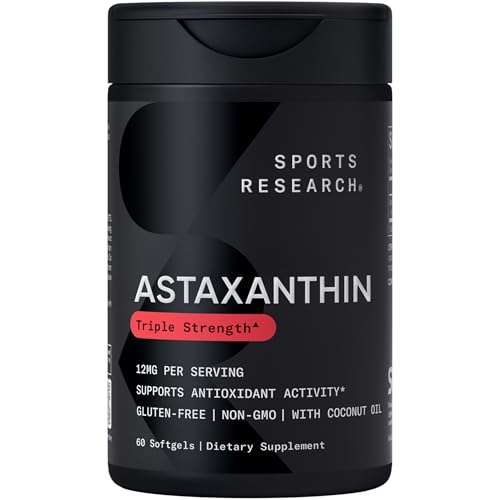
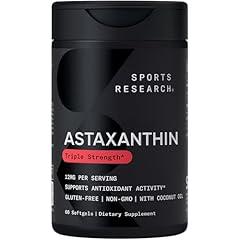
Sports Research Triple Strength Astaxanthin 12mg Supplement
Overview
This is a 60-count astaxanthin softgel supplement for adults. One softgel provides 12 mg of Icelandic Astalif astaxanthin, with a labeled direction of one daily with food. The NIH Dietary Supplement Label Database record identifies virgin coconut oil, gelatin, glycerin, purified water, and tocopherols alongside the active ingredient, and it identifies coconut as a tree-nut allergen. The active amount is higher than the 3 to 6 mg daily range most often represented in the limited skin-health trials, although 12 mg has also been studied in human trials. ConsumerLab's July 2026 review included this product among its selected astaxanthin supplements and reported that every selected product contained its listed astaxanthin amount or more. The exact product is also listed as IGEN certified for no detectable GMO proteins or genes in that program's test panel.
What works
- ConsumerLab included this product in current independent astaxanthin testing and reported selected products met or exceeded their labeled amounts.
- The formula has one disclosed active ingredient at 12 mg per softgel, without a proprietary blend.
- The label clearly identifies coconut as an allergen and lists the capsule and carrier ingredients.
- An active IGEN registry entry confirms the product passed testing for the GMO proteins and genes in that panel.
What does not
- Skin evidence is limited, generally small, and most supportive trials used 3 to 6 mg daily rather than this product's 12 mg dose.
- Eye-health support remains less well established by rigorous human trials than the marketing language may imply.
- The 12 mg product has no public, lot-specific certificate showing potency, heavy-metal, microbiological, or residual-solvent results through expiry.
- This label version uses gelatin, so it is unsuitable for vegetarians and vegans.
- Astaxanthin has theoretical interactions with medicines processed by CYP3A4 or CYP2B6, although these effects have not been confirmed in human interaction studies.
Who is it for
This product suits an adult who specifically wants a simple, once-daily astaxanthin supplement and can use gelatin and coconut-derived ingredients. It is most relevant for someone seeking modest antioxidant or skin-support use rather than treatment of an eye, skin, metabolic, or inflammatory condition. The 60-softgel bottle provides a two-month supply at the labeled use. It is also a more evidence-documented option for buyers who value the current independent ConsumerLab category testing and the active IGEN GMO test listing.
Who is it not for
It is not suitable for people with a coconut allergy, or for vegetarians and vegans because the label record lists gelatin. Pregnant or nursing people, people with a diagnosed medical condition, and anyone taking prescription medicine should seek clinician or pharmacist guidance before use, consistent with the product warning. Extra caution is appropriate for users of medicines metabolized by CYP3A4 or CYP2B6 because potential interactions are based on laboratory evidence. It should not be used as a substitute for medical assessment or treatment of vision, lipid, skin, or inflammatory disorders.
Integrity
The label record is unusually clear about the active amount and the nonactive ingredients. It supplies 12 mg of named Icelandic Astalif astaxanthin in coconut oil, identifies coconut as an allergen, and gives storage instructions to protect the softgels from heat, freezing, humidity, and light. ConsumerLab's July 2026 category review tested this product and reported that selected products contained their labeled astaxanthin amounts or more. The product also has a current IGEN certification listing for no detectable GMO proteins or genes within that program's panel. The source is identified as Astalif, with the manufacturer stating that its microalgae are farmed in Iceland. That is more specific than a generic natural-source claim, but no independently verified life-cycle assessment, cultivation-impact report, extraction-impact documentation, or public lot-specific purity report was located. The label describes an HDPE bottle as recyclable, but packaging recyclability depends on local collection systems. No product-specific FDA recall, warning letter, or enforcement action was located in the searched FDA sources.

Nutricost Astaxanthin 12mg, 120 Softgels
Overview
This is a 120-count adult softgel supplement providing 12 mg of natural astaxanthin per one-softgel daily serving. The label identifies Haematococcus pluvialis microalgae as the source and sunflower oil as the carrier. It supplies four months at the labeled use. The intended role is nutritional antioxidant supplementation, not treatment of a disease. A 2026 ConsumerLab review independently purchased and tested Nutricost astaxanthin among nine products. ConsumerLab reported that all selected products contained at least their labeled astaxanthin amounts, although its public summary does not provide a current lot report for this bottle. Nutricost states that each batch is tested by independent ISO-accredited laboratories. That is a manufacturer claim, not a publicly available batch-specific certificate.
What works
- The 12 mg daily amount is within the range used in human studies, including safety studies of natural astaxanthin.
- ConsumerLab independently tested this product in 2026 and reported that selected products met or exceeded labeled astaxanthin amounts.
- The label clearly lists sunflower oil, gelatin, glycerin, caramel color, and purified water alongside the active ingredient.
- Nutricost Manufacturing holds a current NSF/ANSI 455-2 GMP facility certification that includes softgel operations.
- The product page uses restrained product claims and does not present this supplement as a treatment for a named disease.
What does not
- The public record does not provide a current lot-specific certificate with potency, heavy-metal, microbial, residual-solvent, and test-method results.
- The label identifies microalgae but does not name the ingredient supplier, extract specification, astaxanthin isomer profile, or a traceable cultivation source.
- Gelatin makes the softgel unsuitable for vegetarians and vegans. The label does not identify the animal source of that gelatin.
- The label's broad instruction to consult a clinician when taking medication is appropriate, but people using warfarin need individualized advice because a published case report described a serious interaction.
- No finished-product stability data through expiry, softgel release testing, or environmental life-cycle documentation was located.
Who is it for
This product fits a healthy adult who specifically wants a simple, once-daily astaxanthin softgel rather than a multinutrient eye, skin, or sports formula. The 12 mg dose matches amounts used in some short human studies, and the 120-softgel bottle suits someone planning a roughly four-month routine. It is also a practical format for people who can use gelatin softgels and have no sunflower sensitivity. The independent 2026 product testing provides more assurance about labeled potency than a manufacturer testing statement alone.
Who is it not for
It is not suited to people who avoid animal-derived gelatin, need a vegan product, or have a sunflower ingredient sensitivity. Anyone taking warfarin or another anticoagulant should not self-start it without advice from the clinician managing that medication, because a case report linked astaxanthin use with a markedly elevated INR. Pregnant or nursing people, children, and people managing chronic disease or multiple medicines should follow the label's clinician-consultation warning. It is also not designed to replace treatment for eye disease, arthritis, diabetes, cardiovascular disease, or skin conditions.
Integrity
The main health positive is a narrow composition. The label lists 12 mg natural astaxanthin from Haematococcus pluvialis, carried in sunflower oil, with gelatin, glycerin, caramel color, and purified water. Human evidence suggests astaxanthin can affect oxidative-stress and inflammation markers, but clinical outcome evidence remains mixed and does not establish it as treatment for chronic disease. Natural astaxanthin at 12 mg has appeared in human safety research, while medication interactions still warrant caution. Quality accountability is stronger at the facility level than at the individual-lot level. Nutricost Manufacturing is listed by NSF for dietary-supplement GMP certification, and ConsumerLab's 2026 testing included this product. No current public lot certificate was located. No product-specific FDA recall or warning letter was identified in the searches reviewed. The bottle is a conventional plastic softgel package, and no independently documented lower-impact cultivation, extraction, transport, or packaging program was found.

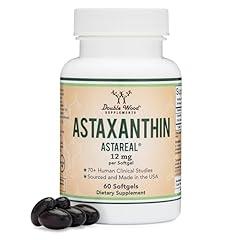
Double Wood Supplements Astaxanthin 12mg Max Strength
Overview
This is a 60-softgel astaxanthin supplement intended for adults, with one softgel daily supplying a labeled 12 mg of AstaReal astaxanthin from Haematococcus pluvialis microalgae. The label lists extra-virgin olive oil, gelatin, glycerin, and water, and advises taking it with a meal. It includes a pregnancy, nursing, and under-18 warning. A current manufacturer-posted certificate from Canyonside Labs identifies a finished-product lot, reports 13.3 mg astaxanthin per softgel by HPLC, and reports low heavy-metal results plus microbial screening. Separately, ConsumerLab's 2026 review lists this exact Double Wood AstaReal product among those tested and says all selected products met or exceeded labeled amounts. The 12 mg dose appears in human studies, but broad eye, skin, joint, immune, gut, and recovery marketing goes beyond consistently established outcomes.
What works
- A named microalgae source, AstaReal from Haematococcus pluvialis, is disclosed rather than relying on a vague natural-source claim.
- A finished-lot report identifies the lot, test date, HPLC potency result, heavy-metal results, microbial methods, and an April 2027 expiration date.
- ConsumerLab's 2026 testing included this Double Wood AstaReal product and reported that all selected products met or exceeded label amounts.
- The opaque gelatin softgel and olive-oil carrier are a plausible delivery format for a fat-soluble carotenoid.
What does not
- The catalog's vegan designation conflicts with the official label, which lists gelatin. The gelatin source is not identified.
- The label warns pregnant, nursing, and under-18 users, but does not specifically flag possible caution for people using blood-pressure or glucose-lowering medicines.
- The brand's product page inaccurately says FDA has approved daily 12 mg astaxanthin doses. Dietary supplements are not FDA-approved before marketing.
- Marketing presents a wide set of health benefits, while systematic reviews find mixed or limited evidence for many clinical outcomes.
- Double Wood received an FDA warning letter in July 2020 over disease claims for a different supplement. It was not about this astaxanthin product, but it is relevant regulatory history.
Who is it for
This product fits an adult who specifically wants a single-ingredient, once-daily 12 mg natural microalgal astaxanthin softgel and values identifiable source material plus accessible lot documentation. It is especially relevant for a buyer seeking antioxidant supplementation rather than treatment for dry eye, arthritis, skin disease, metabolic disease, or athletic recovery. The 60-count bottle is a practical two-month format. People comfortable using gelatin and olive oil, and who can review their medicines with a clinician if needed, are the intended audience.
Who is it not for
It is not suited to vegans, vegetarians avoiding gelatin, or buyers who need the gelatin animal source and a formal allergen statement before use. Pregnant or nursing people, those under 18, and anyone with a medical condition should follow the label's caution and consult a clinician. People taking antihypertensive or glucose-lowering medication should seek individualized advice because small studies and reviews suggest astaxanthin can affect blood pressure or metabolic measures. It is also not a substitute for clinical evaluation or treatment of eye, joint, skin, cardiovascular, or gastrointestinal symptoms.
Integrity
Quality documentation is unusually concrete for this product. A Canyonside Labs report for lot 25083002 lists 13.3 mg astaxanthin per softgel against the 12 mg label, low reported lead, cadmium, mercury, and arsenic results, and negative E. coli and Staphylococcus aureus screens. ConsumerLab also included this exact product in its 2026 astaxanthin testing. AstaReal 4 mg, 6 mg, and 12 mg finished softgels hold TruShield Certified status for batch-specific banned-substance screening, though that certification is for AstaReal softgels rather than a listing solely under Double Wood. The product uses microalgae-derived astaxanthin in olive oil and a gelatin shell. Double Wood states that the AstaReal material is grown and processed in Moses Lake, Washington, but I found no independent life-cycle assessment, organic certification, cultivation-impact documentation, or bottle recyclability specification. The FDA's July 23, 2020 warning letter to Double Wood concerned disease claims for a different hangover product, not this astaxanthin supplement.

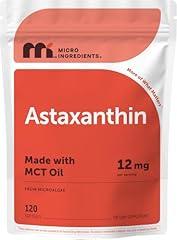
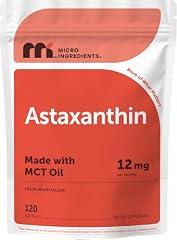
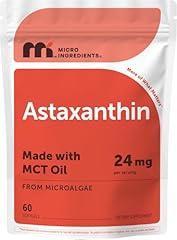
Astaxanthin 12mg Softgels - 4 Month Supply
Overview
This is a 120-softgel astaxanthin supplement intended for adults, with one softgel taken daily with food. The manufacturer states each softgel provides 12 mg astaxanthin from Haematococcus pluvialis microalgae in an MCT oil carrier. That makes the bag a stated 120-day supply. The shell is gelatin-based, so this is not a vegan product. The most meaningful independent product-specific finding is historical, not current-lot verification. A 2023 market-purchase test reported 15 mg astaxanthin in one tested Micro Ingredients lot labeled 12 mg, and an outside botanical lab confirmed astaxanthin identity. Human research includes 12 mg daily trials, but health-outcome evidence remains limited and mixed. It should be viewed as an antioxidant supplement, not as established treatment for skin, metabolic, cardiovascular, eye, or performance conditions.
What works
- A historical independently purchased lot exceeded its 12 mg label claim in HPLC testing and passed separate identity testing.
- The stated 12 mg daily dose has been used in human clinical research, including a 24-week study that reported no clinically significant adverse events.
- The active source is specifically named as Haematococcus pluvialis microalgae, rather than described only as a generic carotenoid.
- The ingredient list identifies coconut-derived MCT oil and the gelatin softgel components, helping buyers screen obvious dietary restrictions.
What does not
- The available potency result is from a 2023 lot, not an authenticated report for the product currently being sold.
- No active USP, NSF, Informed Sport, or comparable finished-product certification was located for this product.
- No public current-lot certificate of analysis was found showing astaxanthin assay, heavy metals, microbiology, residual solvents, oxidation measures, and test limits.
- The label identifies gelatin but not its animal source, and it lists added color without naming the colorant.
- The brand presents it as a tanning and skin supplement, while clinical skin evidence is small, often commercially funded, and largely based on doses of 3 to 6 mg daily.
Who is it for
This product fits an adult who specifically wants a simple, single-ingredient astaxanthin routine at the manufacturer-stated 12 mg daily amount, prefers a fat-containing softgel rather than a dry capsule, and is comfortable with gelatin and coconut-derived MCT oil. It is most suitable for someone using astaxanthin as an optional antioxidant supplement, with realistic expectations about uncertain health outcomes. A 120-count format also suits a person planning a several-month routine rather than trying a short trial.
Who is it not for
It is not suitable for vegans, people avoiding gelatin, or anyone with a known coconut sensitivity. Pregnant or breastfeeding people, people under medical care, and those taking prescription medicines should consult a clinician before use, as the label advises. People managing diabetes, blood pressure, cholesterol, or cardiovascular disease should not use this as a substitute for prescribed care, because human evidence is still limited and trial findings are mixed. It also does not meet the needs of buyers requiring current-lot contaminant testing or active third-party certification.
Integrity
Astaxanthin is a fat-soluble carotenoid, and the manufacturer states that this product uses MCT oil to support absorption. The source is named as Haematococcus pluvialis microalgae. The manufacturer also directs adults to take it with food and advises people who are pregnant, breastfeeding, or taking medication to consult a clinician. Human studies and reviews generally report good short-term tolerability, including studies using 12 mg daily, but they do not establish this supplement as treatment for disease. A 2023 independently purchased lot passed potency and identity testing, which is useful product-specific evidence, although it cannot verify a current lot. No public current-lot certificate of analysis or active recognized finished-product certification was located. The product page offers no independently documented life-cycle assessment, cultivation-impact data, extraction details, or packaging recyclability guidance. Microalgae sourcing alone does not establish a lower environmental footprint.

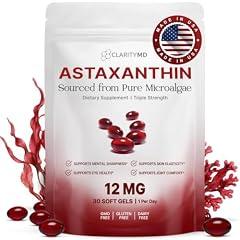
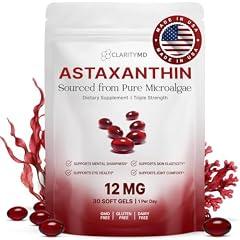
ClarityMD Astaxanthin 12mg Antioxidant Supplement
Overview
This is a 30-softgel astaxanthin supplement marketed for once-daily use. The manufacturer states that each softgel provides 12 mg of naturally grown Hawaiian astaxanthin and should be taken with water, preferably with food. It is presented as a lipid-based softgel, a sensible delivery format for a fat-soluble carotenoid. A posted independent finished-product report provides the clearest product-specific finding. Eurofins Food Chemistry Testing Madison measured 13.6 mg total astaxanthin per softgel in the tested lot, exceeding its 12 mg label claim. The report verifies potency only, not a full contaminant panel. Human evidence supports modest, uncertain changes in some oxidative-stress biomarkers, but it does not establish the advertised outcomes for GLP-1 side effects, loose skin, fatigue, brain fog, vision, or collagen protection.
What works
- A posted Eurofins finished-product report measured 13.6 mg total astaxanthin per softgel in a named lot, above the 12 mg claim.
- The tested product is specifically identified as a lipid-based softgel, which is a practical format for this fat-soluble ingredient.
- The manufacturer gives a simple once-daily direction and recommends taking it with food.
- The public report identifies an ISO/IEC 17025-accredited Eurofins Madison laboratory and an HPLC-UV potency method.
What does not
- The brand makes broad claims about preventing GLP-1-related skin changes, restoring energy, clearing brain fog, and protecting vision that are not established by the available human evidence.
- The public test report confirms astaxanthin potency, but it does not show lot-specific results for heavy metals, microbes, residual solvents, or other contaminants.
- The product page says allergen-free, vegan, and fully disclosed, yet it does not publicly provide a complete other-ingredients panel, carrier-oil identity, or capsule composition.
- No active finished-product certification was located in the reviewed NSF, USP, ConsumerLab, or sport-certification records. This is missing verification, not evidence of contamination or mislabeling.
Who is it for
This product suits an adult who specifically wants a single-ingredient astaxanthin softgel at a 12 mg daily label dose and values having a publicly posted, lot-identified potency result. It is most relevant for someone seeking a supplement for general antioxidant use who understands that biomarker findings are not the same as proven improvements in skin, cognition, eye health, joints, or energy. The 30-softgel pack fits a one-month trial of the manufacturer-stated routine, preferably taken with food.
Who is it not for
It is not well suited to people taking warfarin or other anticoagulant or antiplatelet medicines without review from their prescribing clinician. A published case report described a probable warfarin interaction after astaxanthin use. It is also a poor fit for people with strict vegan, gelatin, soy, or oil-source requirements because the publicly available product information does not disclose the full softgel and carrier ingredients. People seeking treatment for vision loss, medication side effects, fatigue, hair loss, or loose skin should not treat these marketing claims as established clinical care.
Integrity
The strongest quality evidence is a June 2026 Eurofins report on a named finished-product lot. It used HPLC-UV testing and measured 13.6 mg total astaxanthin per softgel. Eurofins Food Chemistry Testing Madison is listed as ISO/IEC 17025 accredited. This is meaningful potency evidence, although the posted report does not provide contaminant results or expiry stability testing. ClarityMD states that its astaxanthin is naturally grown in Hawaii, non-GMO, vegan, gluten-free, allergen-free, and third-party tested. The public materials do not provide supply-chain records, cultivation or extraction documentation, a package-material specification, or a life-cycle assessment to substantiate environmental impact claims. No product-specific active recall or FDA warning letter was located in the reviewed searches, but the brand's broad health marketing should be read cautiously because FTC guidance requires competent and reliable evidence for health claims.
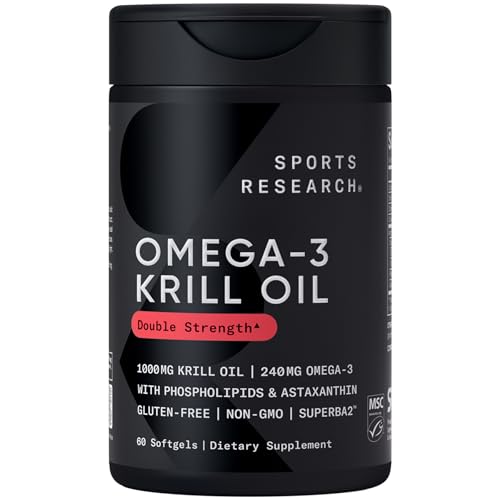
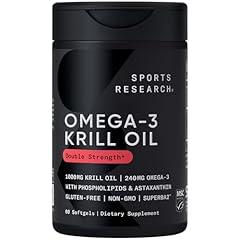
Sports Research Antarctic Krill Oil Omega 3 & Astaxanthin Softgels 1000mg
Overview
This is a 60-day bottle of once-daily Antarctic krill oil softgels. Each softgel provides 1,000 mg Superba2 krill oil, with 240 mg total omega-3 fatty acids, including 136 mg EPA and 60 mg DHA, plus 400 mg phospholipids and 1 mg astaxanthin, according to the current independent Nutrasource registry. The same registry lists active IKOS certification and IGEN non-GMO testing for this exact 1,000 mg product. An older, lot-specific IKOS report confirmed potency, oxidation, heavy-metal, PCB, and dioxin results for a lot that expired in October 2021. That is useful evidence that the product has been independently tested, but it is not current-lot proof for a bottle purchased now. The astaxanthin amount is far below the 3 to 6 mg daily range commonly studied for skin outcomes.
What works
- The exact 1,000 mg product is listed as IKOS certified in Nutrasource's current certification registry.
- One softgel supplies 240 mg omega-3s, 136 mg EPA, 60 mg DHA, 400 mg phospholipids, and 1 mg astaxanthin, according to the independent registry.
- The label identifies Superba2 Antarctic krill oil rather than using an unspecified marine-oil source.
- The softgel ingredients and crustacean shellfish allergen are clearly disclosed.
- Sports Research is listed by the Marine Stewardship Council as a US supplement brand offering products with MSC-certified ingredients.
What does not
- The currently accessible lot-specific report is from 2019 and covers a lot that expired in 2021, not a currently sold lot.
- The 1 mg astaxanthin content is below the 3 to 6 mg daily range used in much of the limited positive skin research.
- The product's healthy-lifestyle and antioxidant positioning is broader than the clinical evidence for 1 mg astaxanthin can establish.
- Krill is a crustacean shellfish, so this product is unsuitable for people with shellfish allergy.
- No packaging material specification, recyclability guidance, or product-level life-cycle assessment was located.
Who is it for
This product suits an adult who specifically wants a simple, once-daily krill oil softgel and accepts a modest omega-3 dose. It is particularly relevant for someone who values independently listed IKOS certification, a named Superba2 ingredient source, and MSC-certified ingredient sourcing. The 60-softgel bottle is also practical for a two-month routine. Its 1 mg astaxanthin is best viewed as a naturally occurring component of krill oil, not as a clinically dosed standalone astaxanthin supplement.
Who is it not for
It is not appropriate for anyone with crustacean shellfish allergy. People using anticoagulants, antiplatelet drugs, or preparing for surgery should discuss omega-3 supplements with a clinician because omega-3s can affect clotting and medication monitoring. It is also not a good fit for someone seeking research-level astaxanthin dosing for skin, exercise, cognition, or cardiometabolic outcomes, because the product provides 1 mg rather than the multi-milligram amounts commonly studied. Vegetarians and vegans should choose a non-marine alternative.
Integrity
The strongest quality finding is current independent certification. Nutrasource lists this exact product as IKOS certified, and its registry identifies the listed omega-3, phospholipid, and astaxanthin quantities. A publicly available IKOS report for an older lot found the tested lot met its label claims and program limits for peroxide value, PCBs, dioxins, mercury, cadmium, lead, and inorganic arsenic. Because that lot expired in October 2021, it should not be treated as current-bottle testing. The product contains crustacean shellfish and a gelatin softgel made with gelatin, vegetable glycerin, and purified water. Sports Research is listed by the Marine Stewardship Council as offering US supplement products with MSC-certified ingredients, supporting traceability to certified fisheries. This does not establish the total environmental footprint. No finished-product life-cycle assessment or clear packaging recyclability documentation was found.

Astaxanthin 24mg Antioxidant Supplement
Overview
This is a 60-softgel astaxanthin supplement for adults. The manufacturer states that one softgel daily, taken with food, supplies 24 mg of astaxanthin from Haematococcus pluvialis microalgae, in an MCT oil carrier. It is intended as a carotenoid antioxidant supplement, rather than a treatment for a diagnosed condition. The 24 mg dose sits within the upper range reviewed in human astaxanthin safety research. Human trials and meta-analyses suggest modest effects on some oxidative-stress biomarkers, but they do not establish broad disease, anti-aging, vision, joint, or performance outcomes. The product label also carries a California warning for lead exposure. That warning does not quantify exposure or establish that a particular user will be harmed, but it is material safety information.
What works
- The manufacturer identifies both the daily amount, 24 mg, and the biological source, Haematococcus pluvialis microalgae.
- The one-softgel daily direction is simple, and taking it with food is consistent with astaxanthin's fat-soluble nature.
- A lipid-based carrier is plausible for absorption. Human studies of lipid formulations have found higher astaxanthin bioavailability than a reference supplement, although this exact formula was not tested.
- A prior, different 12 mg Micro Ingredients softgel lot passed an independent HPLC potency screen in 2023. This is limited historical evidence, not confirmation of this 24 mg product or its current lots.
What does not
- The manufacturer label says the product contains soy, dairy, and gluten, which conflicts with the Amazon catalog claims that it is soy-free and gluten-free. Buyers with these allergies or dietary restrictions should treat the label as controlling.
- The label displays a California warning for cancer and reproductive harm from lead exposure, yet no current lot-specific lead result or exposure amount was located.
- No recognized independent finished-product certification for this exact supplement was located in the major verification registers searched.
- No authenticated current-lot certificate of analysis, finished-product stability data through expiry, or named testing laboratory was located. The third-party-tested statement is therefore unverified for the product at hand.
- The softgel contains gelatin and added color, so it is not vegetarian or vegan.
Who is it for
It suits an adult who specifically wants a once-daily, high-dose astaxanthin supplement from a named Haematococcus pluvialis microalgae source, and who understands that the most supportable human evidence concerns oxidative-stress biomarkers rather than treatment outcomes. It may fit someone comfortable with a gelatin softgel and an oil carrier, who plans to take it with food. It is also most appropriate for a buyer without soy, dairy, or gluten restrictions, despite conflicting marketplace copy.
Who is it not for
It is not suitable for people with soy, dairy, or gluten allergy or intolerance because the manufacturer label explicitly says it contains all three. It is also unsuitable for vegetarians and vegans because the softgel uses gelatin. People who are pregnant, breastfeeding, managing a medical condition, taking prescription medicines, or seeking to address eye disease, joint disease, cardiovascular disease, cognitive decline, or athletic performance should consult a clinician and should not treat this supplement as an evidence-based therapy. Buyers requiring documented low-lead testing should choose a product with a current lot report.
Integrity
The active ingredient is specifically identified as astaxanthin from Haematococcus pluvialis microalgae, rather than only as a generic natural antioxidant. The MCT oil carrier and direction to take it with food are reasonable design choices for a fat-soluble carotenoid, but no finished-product absorption, dissolution, or shelf-life study was provided. The label lists MCT oil from coconut, gelatin, glycerin, added color, and purified water. The manufacturer presents a third-party-tested claim, but no named independent certifier, current lot report, or recognized finished-product certification was located. A 2023 independent screen found a different 12 mg brand softgel lot contained 15 mg by HPLC, but that does not verify this 24 mg product. The label also includes a California lead warning. No product-specific environmental certification, life-cycle assessment, cultivation documentation, or packaging recyclability guidance was located.
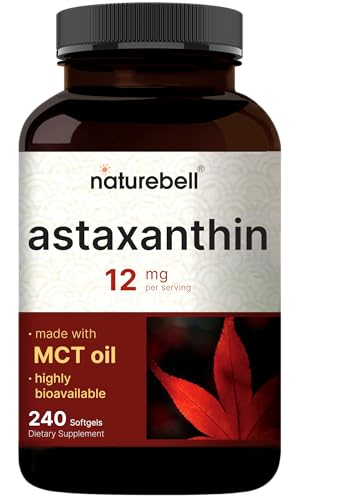
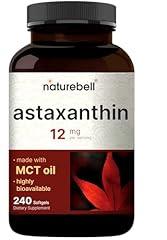
NatureBell Astaxanthin 12mg 240 Softgels
Overview
This is a 240-softgel astaxanthin supplement. The current marketplace listing and NatureBell product page state that one serving provides 12 mg of astaxanthin from Haematococcus pluvialis microalgae, with 120 servings per bottle. That means the stated serving is two softgels. The current listing says the softgels use coconut MCT oil, while older listings for this same 240-softgel format describe sunflower seed oil, so buyers should use the bottle in hand as the controlling ingredient record. The 12 mg daily amount is within the range used in some human trials, but evidence for specific outcomes such as eye health remains limited and inconsistent. A 2023 external market screen found 11 mg in one NatureBell 12 mg, 120-softgel lot. That is useful historical potency evidence, but it is not a current-lot report for this 240-softgel bottle. NatureBell also displays a California Proposition 65 warning without identifying the chemical or exposure basis.
What works
- The stated 12 mg daily amount matches doses used in some human studies of astaxanthin.
- The manufacturer identifies Haematococcus pluvialis microalgae as the astaxanthin source.
- A 2023 external screen found 11 mg in a labeled 12 mg NatureBell lot, close to label claim.
- An oil-filled softgel is a plausible delivery format for a fat-soluble carotenoid.
What does not
- The current product page carries a Proposition 65 cancer and reproductive-harm warning, but does not identify the chemical or exposure level.
- No current, lot-specific certificate of analysis was publicly available for this product, including contaminant results.
- The marketplace and official pages do not provide a complete, reliable other-ingredients panel. Current MCT-oil language conflicts with older sunflower-oil descriptions.
- Marketing has included broad skin, eye, heart, joint, immune, and age-related support language that goes beyond the strongest human evidence.
- No recognized independent finished-product certification was found in USP or NSF product-verification records.
Who is it for
This product suits an adult who specifically wants a simple astaxanthin supplement in a long-duration softgel format and is comfortable treating it as an antioxidant supplement rather than treatment for an eye, skin, joint, heart, or immune condition. The stated 12 mg serving is a clinically studied amount, and an older independently tested NatureBell lot was close to label potency. It is most appropriate for someone who can inspect the physical bottle for its current carrier oil, gelatin status, lot number, expiry date, and warning language before use.
Who is it not for
It is not well suited to people who are pregnant, trying to conceive, breastfeeding, under 18, managing a chronic condition, or taking prescription medicines without clinician review. The manufacturer posts a California Proposition 65 cancer and reproductive-harm warning without identifying the relevant chemical, which is particularly important for those groups. It is also unsuitable for strict vegetarians or people with coconut sensitivity, gelatin restrictions, or sunflower sensitivity unless the actual bottle fully resolves the carrier and capsule ingredients. Buyers needing documented contaminant limits or current-lot verification need more evidence than is publicly posted.
Integrity
The active is manufacturer-stated as astaxanthin from Haematococcus pluvialis microalgae, a commonly studied natural source. The listed 12 mg daily serving has appeared in human research, although results do not establish broad health outcomes. The most useful independent quality evidence is historical: a 2023 market screen reported 11 mg by HPLC for a NatureBell lot labeled 12 mg. It did not provide current-lot contaminant results for this bottle. NatureBell claims third-party testing, non-GMO ingredients, and freedom from soy, dairy, and gluten. Those are manufacturer statements, not active recognized product certifications. A public company contact address exists, but no current public certificate of analysis, USP verification, NSF product certification, or substantiated environmental assessment for the microalgae source, extraction, transport, or bottle packaging was located. The official product page also posts a Proposition 65 warning without explaining its chemical basis.

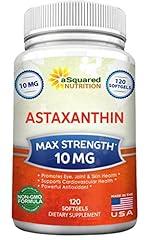
aSquared Nutrition Astaxanthin Supplement 10mg - 120 Softgels
Overview
This is a 120-softgel astaxanthin supplement. The manufacturer states that each softgel provides 10 mg of natural astaxanthin from Haematococcus pluvialis, and an independently reproduced label lists soybean oil, gelatin, glycerol, purified water, and natural tocopherols. Directions reproduced from the label are one softgel once or twice daily with food, making the bottle a stated 60 to 120 day supply. The defining quality issue is a public 2023 market test of lot 221012. NOW Foods reported 0.6 mg astaxanthin by HPLC against the 10 mg label claim, while an outside Alkemist Labs identity test confirmed Haematococcus-derived material. This was a historical lot, not proof that every current bottle has the same result, but no current lot-specific potency report was located. The brand's broad heart, brain, eye, joint, skin, wrinkle, and workout-recovery claims go beyond the mixed human evidence for astaxanthin.
What works
- A 2023 outside identity test confirmed Haematococcus-derived material in the tested lot.
- The label identifies soybean oil, gelatin, glycerol, water, and tocopherols, which helps screen for soy and animal-derived capsule material.
- The manufacturer states a simple single-active softgel format with 120 softgels per bottle.
- The manufacturer includes pregnancy, medication, medical-condition, and procedure cautions in the reproduced label directions.
What does not
- A public test of lot 221012 found 0.6 mg astaxanthin rather than the 10 mg label claim. This is a concrete label-accuracy problem for that lot.
- No current, authenticated, lot-specific certificate was located to show potency, heavy metals, microbiology, residual solvents, or stability through expiry.
- The catalog's vegan designation conflicts with the reproduced label's gelatin ingredient, and the formula also contains soybean oil.
- Manufacturer marketing promises benefits for heart, brain, eyes, joints, wrinkles, skin, and post-workout recovery that are not firmly established by human trials.
Who is it for
This product is most relevant to an adult who specifically wants a softgel astaxanthin product, can consume soy and gelatin, and understands that the stated daily use is one or two softgels with food. Its 120-count format may suit someone planning a 60 to 120 day routine. That buyer should treat the printed 10 mg amount as unconfirmed for a current bottle because a prior tested lot was substantially below claim, and should not use it as treatment for a health condition.
Who is it not for
It is not suitable for vegans, vegetarians avoiding gelatin, or people who need to avoid soy. Pregnant or nursing people, people preparing for a medical procedure, and people taking medicines or managing a health condition should follow the label's instruction to consult a clinician first. It is also a poor fit for anyone who needs independently verified dose accuracy, contaminant screening, or a product with evidence-backed expectations for cognitive, cardiovascular, eye, joint, wrinkle, or exercise outcomes.
Integrity
The formula is described as natural astaxanthin from Haematococcus pluvialis. A 2023 external identity test reported that the tested lot contained Haematococcus-derived material. The reproduced ingredient panel also identifies soybean oil and gelatin, so the catalog's vegan designation should not be relied on. The manufacturer says its facility is GMP certified and its formula is third-party tested in an ISO 17025 facility, but no active finished-product certification or current public batch report was located in recognized verification registries. Quality evidence is mixed in an important way. NOW Foods reported that a 2023 aSquared lot contained 0.6 mg astaxanthin by HPLC despite a 10 mg claim. That result is historical, but it makes current lot documentation especially important. No substantiated information was located on microalgae cultivation, extraction impacts, lifecycle assessment, recycled-content packaging, or recycling guidance. The product uses a conventional plastic supplement bottle and softgel format, with no verified environmental claim found.

NEVISS Astaxanthin 24mg Antioxidant Supplement
Overview
This product is sold as two 75-softgel bottles, intended to provide one softgel daily with a meal. The label information indexed independently states 24 mg natural astaxanthin, 200 mg ashwagandha root extract, and 200 mg grape seed oil extract per softgel. Its softgel also contains coconut oil, MCT oil, gelatin, glycerin, water, and red iron oxide. The defining quality concern is a 2023 market test of a listed lot. It found 0.3 mg astaxanthin by HPLC against the 24 mg label claim. An external Alkemist Labs identity screen did detect Haematococcus-derived astaxanthin, but that confirms identity rather than the claimed dose. Human evidence for astaxanthin's skin, eye, and aging claims remains mixed, and the product's added ashwagandha introduces interaction and pregnancy-related cautions.
What works
- A 2023 external identity screen confirmed Haematococcus-derived astaxanthin in the tested lot.
- The one-softgel daily directions are straightforward, and the formula uses an oil-based softgel.
- The label discloses the added ashwagandha and grape seed ingredients rather than presenting the product as astaxanthin alone.
- The manufacturer states exclusions for dairy, gluten, shellfish, and soy.
What does not
- A 2023 market sample measured 0.3 mg astaxanthin rather than the stated 24 mg, a major label-accuracy problem for that lot.
- No current, lot-specific independent certificate was located to show that present inventory corrects the historic potency failure.
- No recognized finished-product certification from USP, NSF, Informed Choice, or a comparable program was located.
- The source is described broadly as microalgae, without a named ingredient supplier, concentration specification, or finished-lot traceability record.
- Ashwagandha root extract is added without a stated withanolide standardization, and it has relevant medication and pregnancy cautions.
Who is it for
This product is most relevant to an adult who specifically wants a one-daily softgel that combines astaxanthin with ashwagandha and grape seed ingredients, rather than a single-ingredient supplement. Because a tested historical lot was substantially under the stated astaxanthin dose, this use case only fits someone able to obtain a current, batch-specific independent potency report from the seller or responsible company. It is not well suited to someone relying on the stated amount for a defined health goal.
Who is it not for
It is not appropriate for pregnancy or breastfeeding, or for people preparing for surgery. Ashwagandha may interact with medicines for diabetes, blood pressure, seizures, sedation, immune suppression, and thyroid hormone, and it is not recommended for people with autoimmune or thyroid disorders. People with liver disease, hormone-sensitive prostate cancer, or a history of supplement-related liver injury should seek clinician guidance. It also does not suit vegetarians or people avoiding bovine or porcine ingredients, because the softgel contains unspecified-source gelatin.
Integrity
The formulation uses an oil-based softgel, which is a practical format for a fat-soluble carotenoid, and the 2023 sample did contain astaxanthin identified as Haematococcus-derived. However, the same lot contained only 0.3 mg by HPLC against a 24 mg label claim. No current finished-lot certificate, contaminant report, or recognized independent finished-product certification was located to resolve that concern. Ashwagandha deserves separate attention. National health guidance notes possible drowsiness and gastrointestinal effects, rare reports of liver injury, and potential interactions with several medicine classes. The product's microalgae wording does not document cultivation, extraction, transport, or supplier practices. Although organic and other environmental language appears in marketplace information, no supporting organic registry record, life-cycle assessment, packaging material specification, or recycling guidance was located. The brand states that its products are made in the United States with global ingredients, but that statement is not an environmental certification.