
10 Best Apple Cider Vinegar Supplements
 Lauren Wilson
Please note that we participate in affiliate marketing programs. When you purchase through links on our site, we may earn a commission. As an Amazon Associate we earn from qualifying purchases. This comes at no additional cost to you and helps support the resources required to provide valuable content.Advertising Disclosure
Top-rated Apple Cider Vinegar Supplements Comparison
1

2
+
3
4
+
5
6
7

8

+
9
10
+
Apple Cider Vinegar Supplements
Apple cider vinegar supplements are sold as capsules, gummies, powders, and ready-to-drink shots. They are intended to provide apple cider vinegar or acetic acid without requiring a person to drink straight vinegar. The format can improve convenience and taste, but it does not by itself establish that a product delivers the exposure used in human research.
The most important question is not the largest milligram number on the front of the bottle. It is whether the product tells you how much acetic acid you receive per labeled serving. A product may list 500 mg, 1,500 mg, 2,010 mg, or even 4,800 mg, but those figures can refer to vinegar powder, a concentrated extract, or the entire formula. In combination products, the headline number may include berberine, cinnamon, cayenne, ketones, vitamins, or minerals. Without an acetic-acid percentage or stated amount, the product cannot be meaningfully compared with human vinegar studies. A label that specifies serving size, directions, vinegar form, extract ratio, and acetic-acid content is easier to assess. Titratable acidity measured by a validated method is more useful than an ambiguous “high potency” claim.
Expectations should also remain modest. The supplied reviews describe human evidence as limited, mixed, and principally based on liquid vinegar or measured acetic-acid doses rather than the exact capsule or gummy being sold. Claims about detoxification, rapid weight loss, fat burning, appetite suppression, “natural GLP-1” effects, immunity, or disease treatment go beyond what can be inferred from an undisclosed or poorly matched dose. A supplement should not replace diabetes care, obesity treatment, nutrition, or prescribed GLP-1 medicines.
Formula design matters. A simple vinegar-only capsule reduces the interaction and duplicate-dose questions created by berberine, ginseng, turmeric, bitter melon, gymnema, cinnamon, piperine, ketones, zinc, iodine, or multiple vitamins. If added ingredients are present, each active amount and extract detail should be disclosed. Gummies deserve a separate check for added sugar, calories, glucose syrup, allergens, colors, and unnecessary excipients. Capsules generally avoid gummy sugar, but they may contain gelatin and therefore may not suit vegetarian or vegan buyers.
Quality claims should be independently checkable. A credible finished-product listing in the USP Verified Products database, NSF/ANSI 173, NSF Certified for Sport, Informed Sport, or Informed Choice programs is stronger than a statement that a facility is certified or that testing occurs. A public certificate should match the bottle’s lot number and expiration date and show active-content testing plus relevant contaminant screens, including lead, arsenic, cadmium, mercury, microbes, and, where botanicals are used, pesticides. A company name, U.S. contact, lot code, expiration date, and manufacturing information make the product easier to trace. Organic and non-GMO claims should be matched to the USDA Organic Integrity Database or Non-GMO Project registry rather than accepted from packaging alone.
Recurring safety concerns in the supplied products are important. People using insulin or other glucose-lowering medicines, diuretics, digoxin, anticoagulants, blood-pressure medicines, or multiple prescriptions should consult a clinician or pharmacist before use. Acidic products may aggravate reflux, ulcers, swallowing problems, nausea, or gastrointestinal irritation. Berberine and multi-botanical formulas add interaction and pregnancy-related concerns; berberine should not be used during pregnancy, breastfeeding, or for infants and children. Mineral- or ketone-containing products may also matter for people with kidney, heart, or medically restricted sodium or mineral intake. Keep gummies and capsules away from children, and check the actual bottle label because online allergen and vegan information can conflict.
Integrity
The supplied scores favor products that make the delivered dose and formula understandable, avoid unnecessary ingredients, and provide independent oversight. They do not establish that any product treats a medical condition or that a higher-scoring product will produce a larger benefit.
HHealth & Safety
Evidence-Based Benefit at the Actual Dose
This measures whether the stated acetic-acid exposure and product form can be compared with human evidence, while keeping expected benefits modest and conditional. In this category, high-scoring products disclose acetic acid or a credible acidity measure; low-scoring products rely on large powder or extract numbers with no acid content. The supplied scores range from 48 to 78.
Medication and Health-Condition Safety
This measures whether warnings address acid irritation and foreseeable concerns involving glucose-lowering medicines, diuretics, digoxin, and other medicines. A high score means precautions are visible before purchase; a low score reflects broad or generic warnings. Across the supplied products, scores run from 52 to 70, with recurring gaps around glucose medicines, electrolyte risks, reflux, pregnancy, and complex formulas.
Safe, Purposeful Formula Design
This measures whether added berberine, botanicals, vitamins, minerals, ketones, or spices have disclosed doses and a clear purpose without needless interaction or duplicate-dose risk. High-scoring products use a short, transparent formula; low-scoring products hide ingredients in proprietary blends or stack several glucose-active botanicals. Supplied scores range from 50 to 84.
Low Added Sugar and Unnecessary Additives
This measures sugar, calories, allergens, colors, and avoidable excipients. It matters because gummies can turn a low-evidence vinegar supplement into a regular source of added sugar, while capsules may introduce gelatin or other sensitivities. High scores among the supplied products generally belong to sugar-free capsules; lower scores reflect sweetened gummies or unclear allergen information. Scores range from 52 to 88.
EEvidence
Know What the ACV Claim Means
This measures whether the label identifies the vinegar material, serving size, extract details, and all ingredient amounts, preferably including acetic acid. High-scoring examples disclose a specific acid amount; low-scoring examples present a large total formula or powder number that cannot be matched to research. Supplied scores range from 45 to 90.
Public Batch Testing for What Is in the Bottle
This measures whether an independent, lot-specific report matches the bottle and expiration date and confirms potency plus relevant contaminants. Most supplied products had only manufacturer testing statements or unmatched reports, so scores generally cluster around 68 to 80. A high score requires a credible exact-lot report; a past-lot document or general testing claim is weaker.
Independently Verified Product Quality
This measures certification of the finished product, not merely a certified facility or self-issued claim. High-scoring products are currently listed in a recognized program such as NSF/ANSI 173, while low-scoring products lack a matching registry entry or have a certificate for another size or product. Supplied scores range from 35 to 95.
Traceable Manufacturing and Clean Regulatory Record
This measures whether a responsible company, manufacturer or distributor, lot and expiration information, and credible quality-system evidence can be identified, alongside relevant FDA enforcement history. High scores reflect stronger traceability and a clean reviewed record; low scores reflect missing or conflicting manufacturer information. Supplied scores range from 45 to 88.
Honest Weight, Detox, and Metabolism Claims
This measures whether marketing avoids guaranteed weight loss, detox, disease-treatment, and exaggerated metabolism or GLP-1 claims. High scores belong to more qualified, evidence-aligned messaging; low scores reflect claims that outrun the disclosed dose or available human evidence. Supplied scores range from 42 to 74, making claim restraint a meaningful differentiator.
Verified Environmental Footprint
This evidence topic is not repeated here because environmental claims are grouped under Ecology. For buyers, the practical test is whether organic or non-GMO claims match a recognized registry and whether packaging material, recyclability, or recycled content is documented rather than simply asserted.
EEcology
Verified Environmental Footprint
This measures whether organic, non-GMO, recyclable, or sustainability claims are independently supported and whether packaging avoids unnecessary material. In the supplied products, environmental scores are relatively close, from 55 to 74, because most claims lack product-specific certification or packaging documentation. A high score still means better substantiation than a low one, not proof of a low overall footprint.
Full reviews

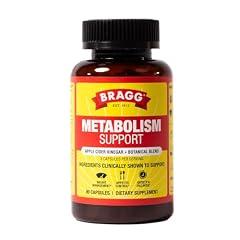
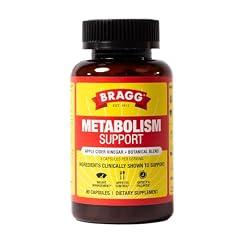
Bragg Metabolism Support Apple Cider Vinegar
Overview
This is a 90-capsule, 30-day dietary supplement. Adults are directed to take three vegan capsules once daily with food and water. Each serving lists 750 mg acetic acid from an 1,877 mg apple cider vinegar and sodium diacetate blend, plus 500 mg Metabolaid, a lemon verbena and hibiscus extract blend. It also supplies 150 mg sodium per serving. The formula has a meaningful dose match for its botanical component. Independent eight-week randomized trials used 500 mg daily of the same branded hibiscus and lemon verbena blend in adults with overweight, alongside an isocaloric diet. Evidence for acetic acid and vinegar is more mixed, with human studies using 750 to 3,600 mg daily and systematic reviews finding modest or inconsistent metabolic and body-measure outcomes. The finished capsule product is currently listed in NSF's dietary-supplement certification program.
What works
- The 500 mg Metabolaid amount matches the dose used in published randomized trials of this branded hibiscus and lemon verbena blend.
- The label discloses acetic acid separately, 750 mg per three-capsule serving, rather than relying only on an apple cider vinegar milligram claim.
- NSF currently lists Metabolism Support as a certified finished dietary supplement, with a three-capsule recommended serving.
- The capsule uses modified cellulose, organic pea starch, and silica, with no sweetener or color listed by the manufacturer.
What does not
- The label warning addresses possible irritation from concentrated acetic acid, but the available product information does not clearly flag potential concerns for people using glucose-lowering drugs, diuretics, or digoxin.
- No public, lot-matched certificate of analysis was located for active-content confirmation or finished-product screening for heavy metals, microbes, and pesticides.
- The apple cider vinegar blend remains partly proprietary. The acetic acid amount is disclosed, but the respective amounts of vinegar and sodium diacetate are not.
- Natural GLP-1 support is a stronger marketing frame than the limited human evidence supports. The botanical trials measured appetite-related markers and modest short-term changes, not prescription-like GLP-1 effects.
Who is it for
This product fits an adult who specifically wants a capsule format instead of liquid vinegar and wants a fully stated daily acetic acid amount. It is most relevant for someone using it as a modest adjunct to regular meals and an overall weight-management routine, not as a treatment. The 30-day bottle and three-capsule daily routine suit people comfortable taking several capsules with food. The independently listed NSF certification is useful for buyers who prioritize a recognized finished-product quality program.
Who is it not for
It is not well suited to children, people who have had irritation from acidic supplements, or anyone who cannot comfortably swallow three capsules at once. People using insulin, other glucose-lowering medicines, diuretics, or digoxin should not rely on the limited label warning alone and should seek individualized advice from their prescriber or pharmacist. It is also not appropriate for people expecting medication-level appetite suppression, rapid weight loss, or treatment of diabetes, cholesterol problems, or obesity.
Integrity
The strongest quality finding is independent rather than manufacturer-stated. NSF's current dietary-supplement register identifies this exact Metabolism Support capsule product, its three-capsule serving, and Bragg Live Food Products as the listed company. The manufacturer identifies a U.S. responsible company and provides a defined active formula. No relevant FDA recall or warning letter for this product was located in the searches performed. The formula avoids the added sugars common in gummy delivery forms. Bragg lists a vegan capsule, organic pea starch, and silica, and identifies the apple cider vinegar component as organic. However, no public lot-specific test report was found for this bottle's active content, heavy metals, microbes, or pesticides. No independently verified packaging-material, recyclability, or product-specific organic certification record was located, so environmental claims beyond the identified organic vinegar ingredient remain limited.

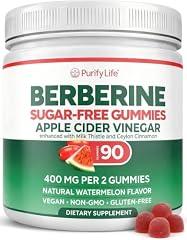
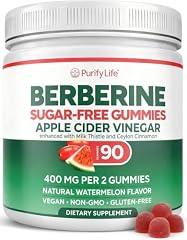
Purify Life Detox Apple Cider Vinegar Gummies
Overview
This is a 90-count, watermelon-flavored, sugar-free gummy supplement. The labeled serving is two gummies daily, providing 45 servings. Its current official Supplement Facts image lists 400 mg berberine HCl, 200 mg apple cider vinegar, 1,000 mg Ceylon cinnamon, and 1,000 mg milk thistle per serving. It also lists 20 calories, 2 g carbohydrate, zero total and added sugar, and maltitol syrup among the other ingredients. The product is marketed for appetite, digestion, metabolism, detox, and weight management. The formula does not state acetic-acid content, which is the meaningful exposure for evaluating apple cider vinegar research. The 200 mg apple cider vinegar amount is far below the milliliter quantities of liquid vinegar used in human trials. The 400 mg daily berberine amount is also below the more than 1 g daily exposure NCCIH identifies in weight-focused studies. The company states that it performs third-party testing, but no public lot-specific report was available for review.
What works
- The official label provides separate amounts for berberine, apple cider vinegar, cinnamon, and milk thistle, rather than using a proprietary blend.
- The label lists zero added sugar and uses pectin rather than gelatin, which the manufacturer states makes the gummies vegan.
- A two-gummy daily serving and 45 servings per bottle make the intended routine straightforward.
- The official label names the sweetening system and other ingredients, including maltitol syrup, sodium citrate, citric acid, MCT oil, flavor, and pectin.
What does not
- The apple cider vinegar amount is 200 mg and no acetic-acid percentage is given, so it cannot be matched to the liquid vinegar doses used in human research.
- The 400 mg daily berberine dose is below the more than 1 g daily intake associated with limited weight findings in NCCIH's summary.
- The official product page makes broad claims including colon cleanse, liver detox, lower acid reflux, and weight-loss management that are not appropriately qualified by the available dose-specific evidence.
- No public, lot-matched certificate of analysis was located to verify active amounts, heavy metals, microbes, or pesticides in the finished gummies.
- The official page carries a California Proposition 65 warning but does not identify the listed chemical or provide a product-specific exposure amount.
Who is it for
This product most closely fits an adult who strongly prefers a chewable, sugar-free alternative to capsules and wants clearly listed ingredient amounts in a simple two-gummy routine. It may suit someone who is not pregnant or breastfeeding, does not take regular medicines that could interact with berberine, and understands that this is a low-dose, multi-ingredient wellness supplement rather than a clinically established treatment for weight, cravings, reflux, or metabolic disease. Maltitol sensitivity should also be considered, especially for people prone to gas or loose stools.
Who is it not for
It is not well suited to pregnant or breastfeeding people, infants, or households where children may access the bottle. Berberine can pose particular risks for infants and may interact with medicines. People using diabetes medicines, diuretics, digoxin, cyclosporine, or other prescription medicines should not rely on this label for interaction guidance and should consult their clinician or pharmacist first. It is also a poor fit for anyone seeking a verified acetic-acid dose, public batch contaminant testing, a named independent product certification, or a remedy for acid reflux and other medical conditions.
Integrity
The label identifies a pectin-based gummy with no added sugar, and the manufacturer represents it as vegan, gluten-free, and non-GMO. The bottle image and official description support the pectin and zero-added-sugar points. However, the formula still contains maltitol syrup and 2 g carbohydrate per serving, which can matter for people who are sensitive to sugar alcohols or managing gastrointestinal symptoms. The company says its products undergo third-party testing and are made in the United States, but it did not provide a public report tied to a bottle lot, expiration date, laboratory, and contaminant panel for this product. No current exact-product listing was located in major independent supplement certification registers. The product page also displays a California Proposition 65 warning, without identifying the chemical or exposure level. No packaging resin code, recycled-content documentation, organic certificate, or independently verified sustainability claim was provided.

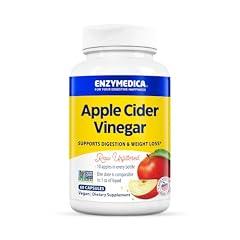
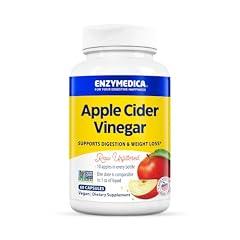
Enzymedica Apple Cider Vinegar Digestive Support
Overview
This is a 60-capsule apple cider vinegar supplement, providing 30 labeled servings of two capsules. The label recorded by the NIH Dietary Supplement Label Database lists 710 mg of organic apple cider vinegar per serving, plus a plant-based capsule, water, and rice concentrate. Directions are two capsules with every meal, so a bottle may last about 10 to 15 days for someone eating two or three meals daily. Enzymedica states that the material is raw, unfiltered, includes the Mother, and that one serving equals one fluid ounce of liquid apple cider vinegar. Those are manufacturer statements, because the disclosed label does not state titratable acidity or milligrams of acetic acid. Human vinegar research involves modest and variable effects, most often with measured liquid vinegar or acetic-acid doses. The product has a current Clean Label Project listing for Apple Cider Vinegar Capsules, while no public lot-specific report for a buyer's individual bottle was located.
What works
- The public NIH label identifies one active ingredient, 710 mg organic apple cider vinegar per two-capsule serving.
- The formula does not add stimulants, glucose-focused botanicals, minerals, or proprietary blends that could add interaction complexity.
- The label lists only HPMC, water, and rice concentrate beyond the apple cider vinegar, with no added sugar, artificial colors, or flavors claimed.
- Clean Label Project's current certificate lists Enzymedica Apple Cider Vinegar Capsules as a certified product.
- Enzymedica's Venice, Florida packaging facility is listed by NSF as certified to NSF/ANSI 455-2 dietary-supplement GMP requirements.
What does not
- The label does not disclose acetic-acid percentage or milligrams, so the claimed equivalence to one ounce of liquid vinegar cannot be matched to clinical doses.
- The directions and label caution people taking medications or with medical conditions to consult a clinician, but do not specifically flag glucose-lowering medicines, diuretics, digoxin, low potassium, or gastrointestinal irritation.
- Weight-loss, detoxification, metabolism, digestive, and blood-sugar marketing reaches beyond the modest, conditional evidence that can be tied to this undisclosed acetic-acid exposure.
- Clean Label Project certification is meaningful product-level quality evidence, but a public certificate of analysis tied to the bottle's lot and expiration date was not found.
- Organic apples and eco-friendly packaging are manufacturer claims. No product-specific USDA organic listing or detailed packaging-material documentation was located.
Who is it for
This product fits an adult who already wants a capsule form of apple cider vinegar because they dislike the taste of liquid vinegar or want to avoid repeated acid contact with teeth. It is a simple formula for someone who prefers an ingredient list without gummies, sugar, caffeine, or added metabolic botanicals. The buyer should understand that the label gives 710 mg of apple cider vinegar per serving, but not the acetic-acid dose, so it is not possible to closely align its use with the measured vinegar doses used in human studies.
Who is it not for
It is not well suited to people using insulin or other glucose-lowering treatment, diuretics, digoxin, laxatives, or medicines that can affect potassium, unless their prescriber has reviewed it. People with low potassium, reflux, ulcers, swallowing difficulty, persistent gastrointestinal symptoms, pregnancy, or nursing should not treat the broad label warning as a substitute for individualized advice. It is also a poor fit for anyone seeking a measurable acetic-acid dose, a clinically established weight-loss intervention, or a publicly accessible batch report for the specific bottle they receive.
Integrity
The most useful quality finding is product-level Clean Label Project certification. Its current certificate names Enzymedica Apple Cider Vinegar Capsules, and the brand's packaging facility is separately listed by NSF to NSF/ANSI 455-2 dietary-supplement GMP requirements. These are stronger quality signals than a self-issued quality statement, although neither replaces a public, lot-matched certificate of analysis for the finished bottle. The label identifies organic apple cider vinegar and a short inactive-ingredient list, and it states vegan, gluten-free, dairy-free, and soy-free positioning. The manufacturer also calls the capsules teeth-friendly and says the package is eco-friendly. The capsule format plausibly avoids direct liquid-vinegar contact with teeth, but no public acetic-acid measurement or package-material specification was located. The organic and environmental claims therefore remain manufacturer-stated rather than independently verified for this product.

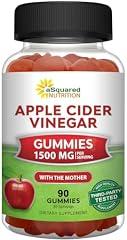
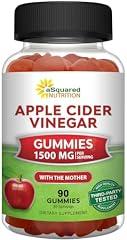
aSquared Nutrition Apple Cider Vinegar Gummies 1500mg
Overview
This is a 90-count vegan apple cider vinegar gummy supplement intended for adults. The suggested daily amount is three gummies, providing 30 servings. The archived NIH label record identifies 1,500 mg of apple cider vinegar complex per serving, plus vitamin B6, folate, vitamin B12, iodine, beetroot powder, and pomegranate powder. The label also lists 30 calories and 6 g of added sugar per daily serving. The manufacturer states that its vinegar is made with the mother and that the formula is third-party tested in an ISO 17025 certified facility, but it does not publish a lot-matched certificate of analysis showing acetic acid content, potency, heavy metals, or microbiological results. That matters because human vinegar studies generally use liquid vinegar with a disclosed acetic acid dose, while this product does not state its acetic acid exposure.
What works
- The NIH label record gives a clear three-gummy serving size, 30 servings, and amounts for the listed active ingredients.
- The formula avoids gelatin, and the manufacturer represents it as vegan-friendly.
- Vitamin B6, folate, vitamin B12, and iodine are individually quantified rather than hidden in a proprietary blend.
- A responsible U.S. company is identified, and the manufacturer states that the product is formulated in the USA.
What does not
- The 1,500 mg apple cider vinegar complex does not disclose acetic acid content, so its relationship to doses used in liquid-vinegar studies cannot be determined.
- Six grams of added sugar and 30 calories per daily serving are a meaningful burden for a product marketed around metabolic and weight-related benefits.
- The manufacturer claims third-party testing, but no public, lot-specific report was found to verify finished-product potency or contaminants.
- Broad support claims for digestion, immunity, energy, hair, skin, and nails go beyond the limited evidence available for a low-detail ACV gummy formula.
Who is it for
This product fits an adult who wants a chewable alternative to liquid vinegar and values a fully listed, once-daily three-gummy routine. It is most relevant for someone seeking a modest wellness supplement rather than a treatment for weight, blood sugar, digestive disease, or heart disease. The 30-serving bottle suits a one-month trial of use, provided the buyer accepts 6 g of added sugar per daily serving and is not relying on the stated 1,500 mg figure as a known acetic acid dose.
Who is it not for
It is not well suited to people managing diabetes with glucose-lowering medicines, or people using diuretics or digoxin, without clinician or pharmacist review. Vinegar can affect glucose handling and potassium balance, and the product also contains iodine, which is relevant for people with thyroid conditions or those taking antithyroid medicine. It is also a poor fit for people limiting added sugars, those wanting a publicly verified contaminant report, or anyone seeking evidence-based weight loss, detoxification, or disease management.
Integrity
The label record documents a vegan gummy formula with pectin rather than gelatin. It uses glucose syrup, sugar, glucose, natural flavor, vegetable oil, purple carrot concentrate, and beta-carotene. The daily serving supplies 6 g of added sugar, so the delivery format adds a real sugar load rather than functioning like plain vinegar. Iodine is included at 150 mcg, the adult daily value, which can be relevant to thyroid care and medication review. The manufacturer states that the formula is third-party tested in an ISO 17025 certified facility and formulated in the USA. However, no public certificate tied to a bottle lot was found, and no current finished-product certification listing was located in major public verification registries. Vegan and natural-ingredient statements are manufacturer claims, not independently certified environmental claims. Packaging material, recyclability, organic status, and non-GMO certification were not documented on the reviewed product page or label record.

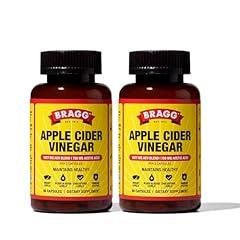
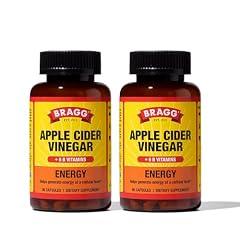
Bragg Apple Cider Vinegar - Vitamin D3 & Zinc
Overview
This two-bottle product supplies 180 vegan capsules, or 60 daily servings. Adults take three capsules with food and water. Each serving is labeled to provide 750 mg acetic acid from a 1,877 mg blend of organic apple cider vinegar and sodium diacetate, plus 30 mcg vitamin D3, 13 mg zinc, and 150 mg sodium. The acetic-acid amount is clearly disclosed and falls within the lower end of doses examined in human acetic-acid research. Those studies suggest possible modest metabolic effects, especially on blood glucose in some populations, but they do not establish that this capsule will produce weight loss or replace treatment. The finished product is currently listed by NSF under NSF/ANSI 173. A publicly posted certificate for a 2021 lot reported active-content, heavy-metal, and microbial results, but it expired in April 2023 and does not verify a newly purchased bottle.
What works
- The complete serving formula identifies acetic acid, vitamin D3, zinc, sodium, and the capsule excipients.
- The current NSF dietary-supplement listing matches Bragg Apple Cider Vinegar Capsules and a three-capsule serving.
- A three-capsule serving has no added sugar and uses a short excipient list, according to the manufacturer.
- The labeled 750 mg acetic-acid amount is within the 750 to 3,600 mg daily range evaluated in a systematic review of human acetic-acid interventions.
What does not
- The label warning addresses acetic-acid irritation, but does not plainly flag foreseeable concerns for people using glucose-lowering medicines, diuretics, digoxin, or zinc-interacting antibiotics.
- The published batch certificate is useful historical evidence, but it is for a lot manufactured in April 2021 and cannot confirm the contents or contaminant status of a current bottle.
- The apple-cider-vinegar blend remains partly proprietary. The total blend and acetic acid are disclosed, but the individual contribution of the vinegar and sodium diacetate is not.
- Weight, cholesterol, and blood-glucose support claims are structure-function claims. Human evidence is mixed, mostly short term, and liquid-vinegar studies do not directly establish the same outcome from these capsules.
Who is it for
This product fits an adult who wants a measured, sugar-free alternative to liquid vinegar and can comfortably take three capsules once daily with a meal. It is most relevant for someone seeking a modest wellness adjunct rather than a detox or rapid weight-loss product. The two-bottle pack provides 60 labeled daily servings. It may also suit people who specifically want modest supplemental vitamin D and zinc, provided they account for those nutrients across all supplements and fortified foods they use.
Who is it not for
It is not suited to children, anyone with active throat, esophageal, stomach, or reflux irritation, or people who have reacted to acidic supplements. People using insulin or other glucose-lowering medicines, diuretics, digoxin, tetracycline or quinolone antibiotics, or penicillamine should seek pharmacist or clinician guidance first. It is also a poor fit for people already taking substantial vitamin D or zinc, or for anyone expecting it to treat diabetes, lower cholesterol, or produce meaningful weight loss on its own.
Integrity
The formula has a relatively low delivery burden for this category. Bragg lists no sugar, artificial colors, artificial flavors, or major food allergens, and names vegan capsule material, organic pea starch, and silica. The daily 13 mg zinc and 30 mcg vitamin D3 are below adult upper intake limits, but they still count toward total supplemental intake and have medication considerations. The product itself is currently listed in NSF's NSF/ANSI 173 dietary-supplement registry, a meaningful independent check of finished-product quality controls. A historical public batch certificate reported acetic acid above label, low measured heavy metals, and negative specified pathogen tests, but that document is not a current lot report. Bragg identifies organic apple cider vinegar in the blend, yet no product-specific public organic certificate or packaging recycling documentation was located. FDA recall and warning-letter checks did not identify a current product-specific action.

Bragg Apple Cider Vinegar True Energy Pills
Overview
This is a 90-capsule apple cider vinegar supplement for adults, with 30 daily servings. The directions are three vegan capsules once daily with food and water. The manufacturer discloses 750 mg acetic acid and 1,877 mg of a proprietary apple cider vinegar blend per serving, plus six B vitamins and 150 mg sodium. The most important independently confirmed feature is current NSF/ANSI 173 finished-product certification for the exact Apple Cider Vinegar + 6 B Vitamins Energy capsule, at the same three-capsule serving. Human acetic-acid studies have used 750 to 3,600 mg daily, so this product reaches the low end of that studied range. Benefits for glucose and triglycerides remain modest and conditional, and longer, higher-quality studies are still needed.
What works
- The exact Energy capsule product is currently listed under NSF/ANSI 173, an independent finished-product certification program.
- The label gives a specific acetic-acid amount, 750 mg per serving, rather than relying only on an apple cider vinegar milligram claim.
- All six added B vitamins, sodium, the proprietary blend total, capsule materials, pea starch, and silica are disclosed.
- The manufacturer states that it is sugar-free, vegan, gluten-free, and free of the major allergens it lists, with no artificial colors or flavors.
What does not
- No public, lot-matched certificate of analysis was located, so a buyer cannot inspect the specific bottle's acetic-acid assay, heavy-metal, microbial, or pesticide results.
- The proprietary blend identifies organic apple cider vinegar and sodium diacetate, but it does not break out the amount of each component.
- The warning addresses irritation from concentrated acetic acid, but the available label warning does not specifically flag glucose-lowering medicines, diuretics, or digoxin.
- Weight, cholesterol, and blood-glucose support claims are broader than the certainty of the evidence. Reviews find possible benefits, but study quality and results vary, and capsule-specific clinical evidence is limited.
Who is it for
This product suits an adult who wants a no-taste, no-added-sugar capsule instead of liquid vinegar or gummies, and who values a clearly stated 750 mg acetic-acid dose. It is most appropriate for someone treating it as a modest dietary adjunct, not a treatment for weight, cholesterol, or blood-glucose problems. The three-capsule daily routine may also fit people who want the included B vitamins without caffeine. Its current NSF finished-product listing provides an independently checkable quality-control signal.
Who is it not for
It is not a casual choice for people using insulin or other glucose-lowering medicines, nor for people using potassium-losing diuretics or digoxin, without discussing it with a clinician or pharmacist. Concentrated acetic acid can irritate the digestive tract, and the label itself warns users to stop if adverse reactions occur. Children should not use this adult-directed product. People with reflux, ulcers, swallowing difficulty, or a history of supplement-related gastrointestinal irritation may find the capsule format unsuitable.
Integrity
The clearest quality finding is independent, current NSF/ANSI 173 certification for this exact finished capsule product and its three-capsule serving. That is stronger evidence than a factory-only quality claim. The label also identifies the active acetic-acid amount, the added B vitamins, and the capsule excipients. However, NSF certification is not the same as a consumer-facing, lot-specific report, and no public certificate matching a bottle lot and expiration date was located. Bragg describes the vinegar ingredient as organic, and retail labeling states vegan, kosher, and Non-GMO Project Verified status. The finished product's USDA organic certification and a public Non-GMO Project register match were not independently established in this review. The manufacturer page provides no clear packaging resin code, recycled-content figure, or package take-back information. The formula's capsule delivery avoids added sugar, but its environmental packaging footprint cannot be meaningfully quantified from the available documentation.

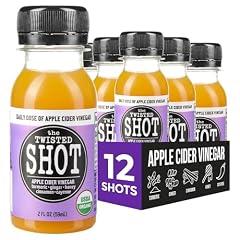
The Twisted Shot Wellness Shots
Overview
This is a 12-bottle pack of ready-to-drink 2 ounce apple cider vinegar shots. The manufacturer describes one cold, shaken bottle as a daily serving, combining raw unfiltered apple cider vinegar with turmeric, ginger, cayenne, honey, and cinnamon. It is a vinegar-based beverage, not a conventional vitamin or standardized herbal supplement. The most important limitation is dose transparency. The product materials identify the ingredients but do not publish the vinegar quantity, acetic-acid percentage, or amounts of the spices, so its exposure cannot be matched to clinical research. Human vinegar studies have used roughly 750 to 3,600 mg acetic acid daily, with inconsistent and generally limited evidence. Nutrition information reproduced independently lists 25 calories, 6 g carbohydrate, and 5 g sugar per 2 ounce bottle. The manufacturer markets digestion, gut-health, metabolism, and weight-related benefits, but those outcomes are not established for this specific formula or serving.
What works
- Twelve sealed 2 ounce servings offer a fixed, portable format for people who already use vinegar beverages.
- The manufacturer identifies a short food-based ingredient list: apple cider vinegar, turmeric, ginger, cayenne, honey, and cinnamon.
- The brand identifies a responsible Minnesota business and provides a clear daily-use format.
- The product displays an organic claim and the manufacturer states that all seven listed ingredients are organic.
What does not
- Neither the manufacturer page nor accessible product materials disclose acetic-acid concentration or the amount of apple cider vinegar per bottle, preventing a meaningful dose comparison with trials.
- No public lot-specific certificate of analysis was found for acidity, microbial quality, heavy metals, or pesticide screening.
- No current finished-product listing was found in the searched USP, NSF, Informed Sport, or Informed Choice verification programs.
- Five grams of sugar per small bottle is meaningful for a concentrated wellness shot. Honey is also an animal-derived ingredient, despite vegan labeling in marketplace product data.
- The marketing connects the shot with weight loss and metabolism, while systematic reviews find the human evidence limited, inconsistent, and not sufficient for firm weight-loss claims.
Who is it for
This format suits an adult who already tolerates acidic vinegar drinks, wants a pre-portioned 2 ounce beverage rather than measuring vinegar at home, and values the convenience of 12 single servings. It may also suit someone who prefers a spicy, sweetened vinegar drink over plain vinegar and understands that it is a food-based wellness beverage, not a proven treatment for digestive symptoms, weight management, immunity, or blood-sugar control. The listed price works out to about $3.25 per bottle before tax and shipping.
Who is it not for
It is not well suited to people with reflux, frequent heartburn, mouth or throat irritation, sensitive teeth, or difficulty tolerating acidic and spicy drinks. People using insulin or other glucose-lowering medicines, potassium-depleting diuretics, or digoxin should consult a clinician before regular use because vinegar may add to glucose or potassium-related effects. It is also unsuitable for vegans because the formula includes honey, and it is a poor fit for buyers who need a quantified acetic-acid dose, verified contaminant results, or independently certified finished-product testing.
Integrity
The manufacturer describes raw, unfiltered apple cider vinegar with the mother, plus turmeric, ginger, cinnamon, cayenne, and honey. These are recognizable food ingredients, but their individual amounts and the drink's acetic-acid concentration are not published. That matters because the modest human evidence for vinegar is dose-dependent and uncertain, while the brand's broader metabolism and weight messaging goes beyond what can be confirmed for this bottle. The product displays USDA Organic branding and the company states that its ingredients are organic. However, an exact current certification record matching this product was not located in the searched public registry, so the certification chain could not be independently confirmed. The product uses twelve individual bottles, and no package resin code, recycled-content statement, recyclability instructions, or broader packaging documentation was found. No product-specific FDA recall or warning letter was found in the searches performed.

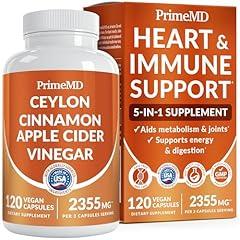
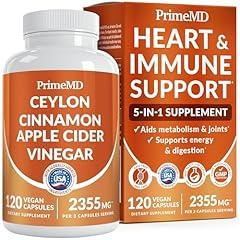
PrimeMD 5-in-1 Ceylon Cinnamon 2355mg Supplement
Overview
This is a 120-capsule botanical supplement taken as three capsules daily with a meal and water, making the bottle a 40-day supply. PrimeMD presents it for daily wellness, digestion, energy, metabolism, and joint support. The manufacturer's product page identifies five ingredients and states that the formula is vegan, gluten-free, GMO-free, made in the USA, and third-party tested, but it does not publish a batch report there. A matching Health Canada product record independently lists 1,000 mg Ceylon cinnamon, 750 mg turmeric, 500 mg apple cider vinegar, 100 mg Panax ginseng, and 5 mg black-pepper extract per daily serving. It also identifies the vinegar as 5% acetic acid, equal to about 25 mg daily. Human vinegar studies generally used 5 to 30 mL of 5% liquid vinegar, or roughly 250 to 1,500 mg acetic acid daily, so this capsule's acetic-acid exposure is materially lower than those studied amounts.
What works
- Every active is individually quantified in a matching official product record, rather than hidden in a proprietary blend.
- The matching official record identifies Cinnamomum verum, or Ceylon cinnamon, and specifies 5% acetic acid for the vinegar material.
- Medication, pregnancy, diabetes, gallstone, ulcer, and digestive-condition precautions are documented in the matching official record.
- The official record lists a short non-medicinal ingredient list, hypromellose and magnesium stearate, with no added sugar listed.
What does not
- The approximately 25 mg daily acetic-acid dose is far below the 250 to 1,500 mg range represented by common liquid-vinegar human trials, so evidence for apple-cider-vinegar benefits does not transfer cleanly.
- No public lot-specific certificate of analysis was located for active content, heavy metals, microbes, or pesticides in the finished product.
- No current matching listing was located in the USP Verified, NSF Certified Dietary Supplements, or Informed Sport and Informed Choice product registers.
- Piperine can alter the effect of medicines, and the formula combines several botanicals whose extracts are not standardized beyond the vinegar and piperine details.
Who is it for
This product suits an adult who specifically wants a capsule-based, multi-botanical routine instead of liquid vinegar, and who values seeing the individual daily amounts for cinnamon, turmeric, vinegar, ginseng, and piperine. It is most relevant for general wellness or digestive-support use rather than for reproducing the acetic-acid exposure studied in liquid vinegar trials. The 120-capsule bottle is a 40-day supply at the stated three-capsule daily use. A medication review remains sensible before starting.
Who is it not for
It is not well suited to someone seeking a research-matched apple-cider-vinegar dose for weight or glucose management, because the documented acetic-acid exposure is much lower than typical study doses. Pregnant people should not use it according to the matching official record. People with diabetes, gallstones, bile-duct obstruction, ulcers, excess stomach acid, or persistent digestive symptoms should seek clinical guidance. Those taking antidepressants, blood thinners, digoxin, or other medicines should also consult a clinician, particularly because of piperine.
Integrity
A matching Health Canada record provides unusually specific composition and safety information for this formula. It documents the botanical species, daily ingredient amounts, 5% vinegar acetic-acid standardization, and non-medicinal ingredients. It also records detailed cautions for pregnancy, diabetes, digestive conditions, digoxin, blood thinners, antidepressants, and other medicines. The Canadian listing is active but marked not marketed in Canada, so it is useful corroboration of the formula, not proof of current Canadian availability or a U.S. product-quality certification. PrimeMD states vegan, gluten-free, GMO-free, made in the USA, third-party tested, and organic Ceylon cinnamon on its own product materials. No public batch certificate, current exact-product USP or NSF certification, USDA organic certification match, or packaging sustainability documentation was located. Cinnamon is a commodity with documented lead-contamination concerns in some products, which makes the lack of a public finished-product contaminant report especially relevant. No exact-product FDA recall or warning letter was located in the review.

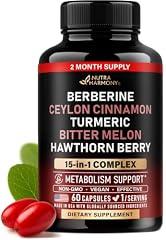
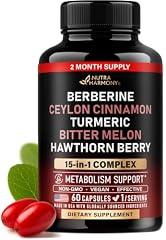
NutraHarmony Berberine 14-in-1 Supplement
Overview
This is a 60-capsule botanical blend marketed for metabolism, energy, heart wellness, and glucose support. The manufacturer’s current product page directs adults to take one capsule daily with a meal. Each capsule is stated to provide 250 mg of berberine extract, 100 mg of Ceylon cinnamon extract, 50 mg each of apple cider vinegar extract, citrus bergamot, and turmeric, plus smaller amounts of bitter melon, hawthorn, gymnema, black pepper, and a 100 mg proprietary blend. The ACV component is disclosed as a 50 mg 20:1 extract, but its acetic-acid content is not stated. Human vinegar research generally used 750 to 3,600 mg of acetic acid daily, so the product cannot be dose-matched to that evidence. The manufacturer also says batches are third-party tested, but no lot-specific certificate was publicly available for independent review. Product marketing is internally inconsistent, with another brand page describing two daily capsules and a different ingredient lineup.
What works
- The manufacturer discloses milligram amounts for most named ingredients, including 250 mg berberine per capsule.
- One-capsule daily directions and 60 stated servings create a straightforward 60-day routine.
- The capsule format has no added sugar, and the manufacturer states it is vegan, gluten-free, and free of common allergens.
- The manufacturer includes a medication and pregnancy warning, rather than presenting the formula as universally suitable.
What does not
- The stated apple cider vinegar amount does not disclose acetic acid, so it cannot be meaningfully compared with human ACV studies.
- A 100 mg proprietary blend conceals the individual doses of beet root, aloe, alpha lipoic acid, CoQ10, ginseng, and milk thistle.
- No public, lot-matched report was found to confirm active content, heavy metals, pesticides, or microbial results for the finished product.
- The brand’s associated marketing calls a 15-in-1 blend natural GLP-1 support with no side effects, claims that overstate the limited evidence and conflict with the product’s own safety cautions.
- The formula combines several ingredients that may affect glucose control or interact with medicines, while the warning does not specifically call out all foreseeable medication categories.
Who is it for
This product fits an adult who specifically wants a once-daily, sugar-free capsule containing a modest, disclosed amount of berberine alongside several botanical ingredients, and who is not expecting it to reproduce the effects of liquid vinegar or prescription GLP-1 medicines. It is most practical for someone who has reviewed their medications with a clinician, is not pregnant or breastfeeding, and values a 60-day bottle format. The buyer should be comfortable with several low-dose botanicals and one undisclosed proprietary sub-blend.
Who is it not for
It is not appropriate for pregnant or breastfeeding people, children, or infants. People using glucose-lowering medicines, blood thinners, liver medicines, blood-pressure medicines, or other regularly prescribed drugs should not treat the general label warning as a substitute for pharmacist or clinician review. It also does not suit someone seeking a simple single-ingredient ACV product, a product with a known acetic-acid dose, or a formula with every ingredient fully dose-disclosed. Anyone with recurrent nausea, diarrhea, constipation, or other gastrointestinal sensitivity should use extra caution because berberine commonly causes digestive effects.
Integrity
The product uses a cellulose capsule with rice flour and magnesium stearate, rather than a sweetened gummy delivery system. The manufacturer states that it is vegan, non-GMO, gluten-free, and free of common allergens. These are manufacturer claims, not certifications independently matched to this finished product. No packaging resin code, recycled-content documentation, organic certification, or verified sustainability program was publicly identified. The manufacturer identifies Nutra Harmony LLC as distributor and says the bottle carries a batch ID and best-by date. It also claims GMP-certified manufacturing and third-party testing for heavy metals and microbiology through ISO 17025 laboratories. However, no matching finished-product certificate of analysis, laboratory identity, or current certification listing was public for this product. That leaves potency and contaminant claims unconfirmed. The ingredient combination also matters for safety, especially because berberine and several botanicals may affect glucose control or medication handling.